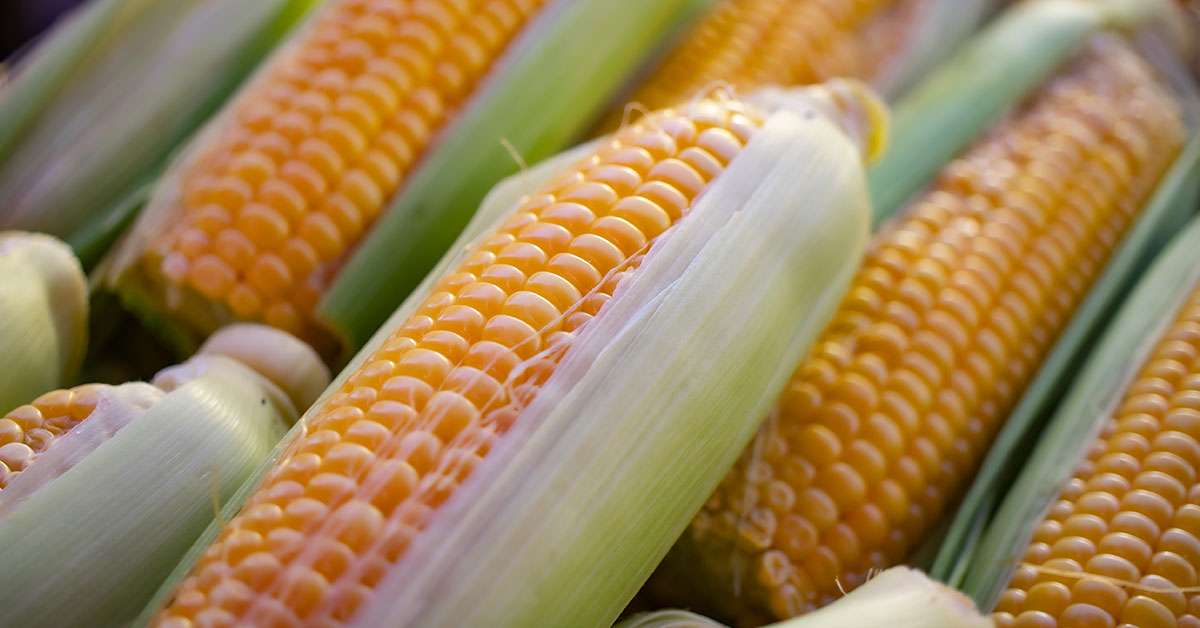

There’s nothing quite as gratifying as biting into a fresh ear of homegrown corn—those succulent kernels bursting with sweetness bring pure summertime joy! Yet it’s such a bummer when your corn patch underperforms, with poor pollination, stunted stalks, or pest-riddled ears. I know the frustration of painstakingly nurturing seedlings, only to watch tassels fail to drop pollen or kernels develop unevenly.
In this article, we’ll cover eleven common missteps that can derail your corn crop, drawing on my own adventures (and misadventures!) in the garden. From timing your planting to managing soil fertility, spacing, and pests, you’ll learn how to replicate the warm, fertile conditions of southern Mexico—the ancestral home of maize—while also safeguarding against diseases and encouraging beneficial insect allies. Let’s dive in and ensure your next corn harvest is a triumph!
Planting Too Early in Cold Soil

Corn seeds need soil temperatures of at least 60°F to germinate reliably. Planting into cold, wet ground leads to slow, patchy emergence and weak seedlings that struggle to compete with early weeds. I once impatiently sowed seeds in early April only to see half of them rot underground—such a letdown!
Waiting until soil warms and drains properly sets the stage for vigorous germination. Corn’s ancestors in southern Mexico evolved in warm climates, so mimicking those conditions by planting after the last frost date ensures robust stands and uniform growth, which also supports ground-nesting beneficial insects that emerge in sync with your corn.
Improper Spacing and Layout
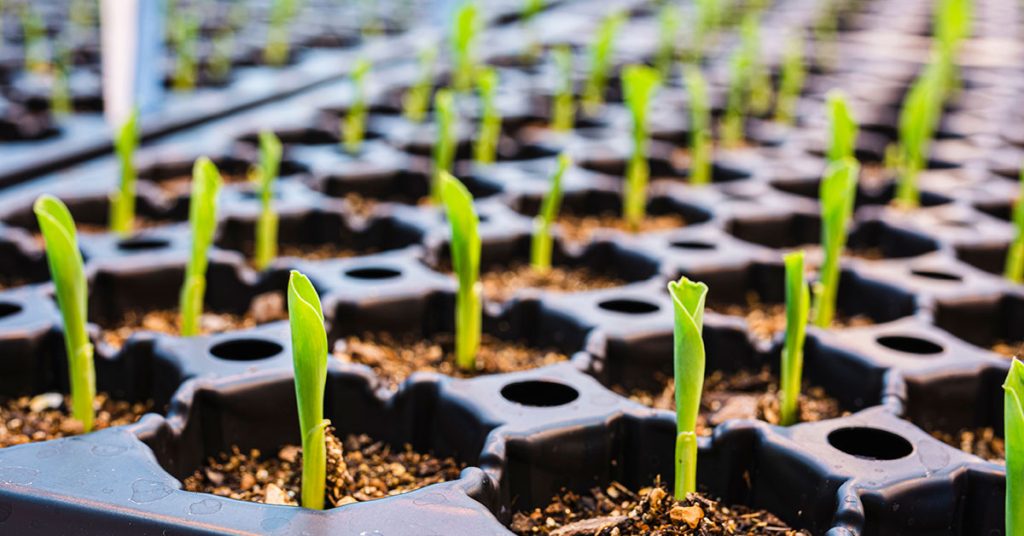
Corn is wind-pollinated and requires block plantings—at least four short rows together—for effective pollination. Lining up single rows along fences or scattered patches can result in poorly filled ears. I learned this the hard way when my “pretty border row” produced half-formed kernels!
Space plants about 8–12 inches apart in blocks with 30–36 inches between rows. This configuration maximizes pollen transfer, leading to full, plump ears. A dense block also shades out weeds and provides near-ground protection for nesting beetles and small solitary bees that help maintain soil health around corn roots.
Skipping Soil Testing
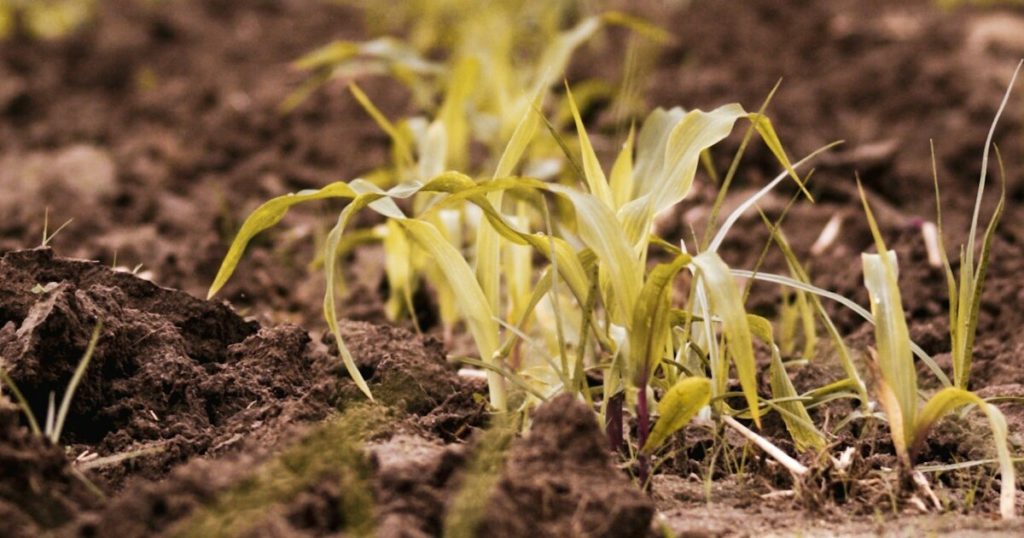
Corn is a heavy feeder, demanding ample nitrogen, phosphorus, and potassium. Without a soil test, you’re guessing at nutrient levels—often resulting in nutrient deficiencies, poor stalk strength, and tassel troubles. I once sowed corn into untested ground and ended up with spindly stalks that toppled in a summer storm!
Test soil pH and nutrient levels before planting and amend with lime or sulfur to reach the optimal pH of 6.0–6.8. Incorporate compost or well-rotted manure to boost fertility. Healthy, well-fed plants resist diseases better and create stable environments for beneficial soil organisms.
Neglecting Crop Rotation

Planting corn in the same spot year after year invites a buildup of corn rootworms, cutworms, and soil-borne diseases like Pythium rot. I ignored rotation and battled rootworm larvae gnawing at roots!
Rotate corn with non–grass family crops—legumes, brassicas, or legumes—on a three-year cycle. This break disrupts pests’ life cycles and keeps soils balanced, benefiting not only your corn but also ground-dwelling predators that control grubs in subsequent seasons.
Overwatering or Underwatering
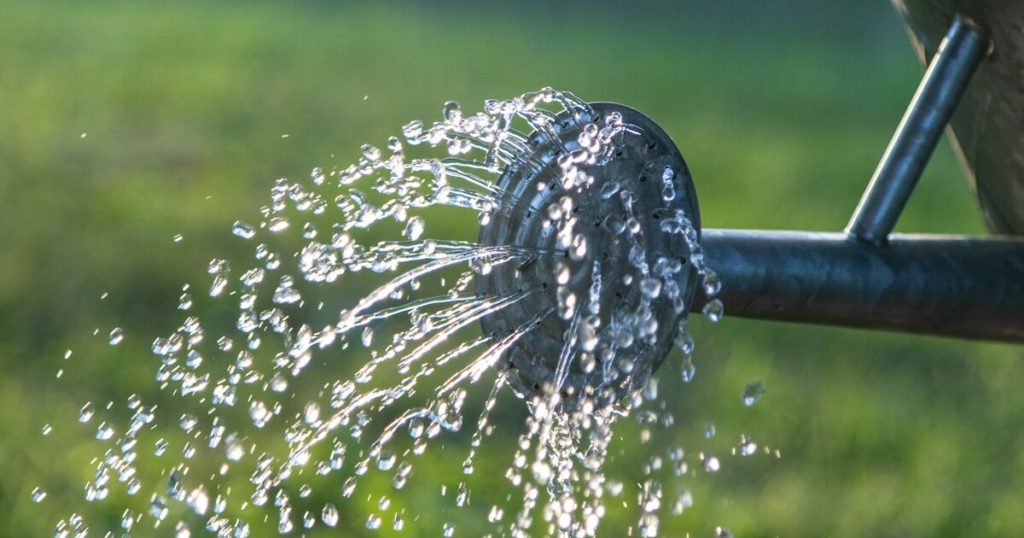
Inconsistent moisture stresses corn plants, leading to poor kernel development or tip dieback. Too much water drowns roots, while drought can cause tassels to abort or silks to shrivel. I once forgot to water during a heatwave—my otherwise healthy stalks dropped their ears!
Aim for consistent moisture—about 1–1.5 inches per week—using drip lines or soaker hoses. Mulching between rows conserves water and moderates soil temperature, providing stable conditions for moisture-loving nematodes and beneficial beetles.
Planting Wrong Varieties for Your Zone

Not all corn cultivars suit every climate. Short-season sweet corn varieties thrive in cooler climates, while long-season field corn needs extended warmth. I planted a late-maturing heirloom in my northern garden and watched it stall before silk emergence!
Choose varieties with maturity days that match your first-to-last frost window. Local extension services and seed catalogs offer region-specific recommendations. Selecting the right variety ensures ripe ears before fall chills and aligns with pollination cycles in your area.
Ignoring Weed Control
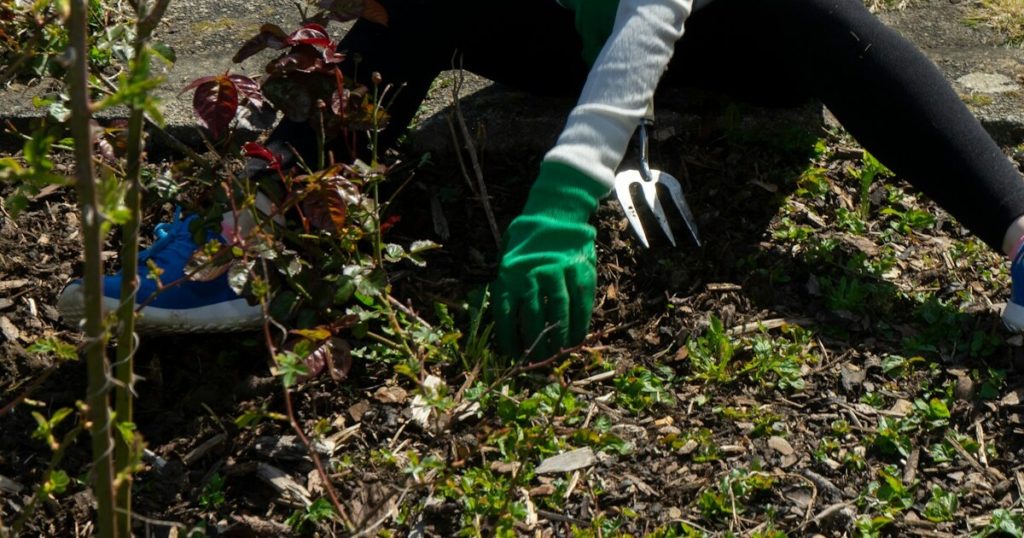
Weeds compete fiercely with young corn for light, nutrients, and water. A neglected patch becomes a jungle, stunting corn growth and making pest management harder. I remember spending entire mornings elbow-deep in grass before my corn could stand tall!
Cultivate shallowly between rows or apply organic mulch to keep weeds at bay. Early weed control allows corn to establish quickly, closing canopy gaps and limiting habitat for pests like aphids and cutworms.
Failing to Monitor for Pests Early
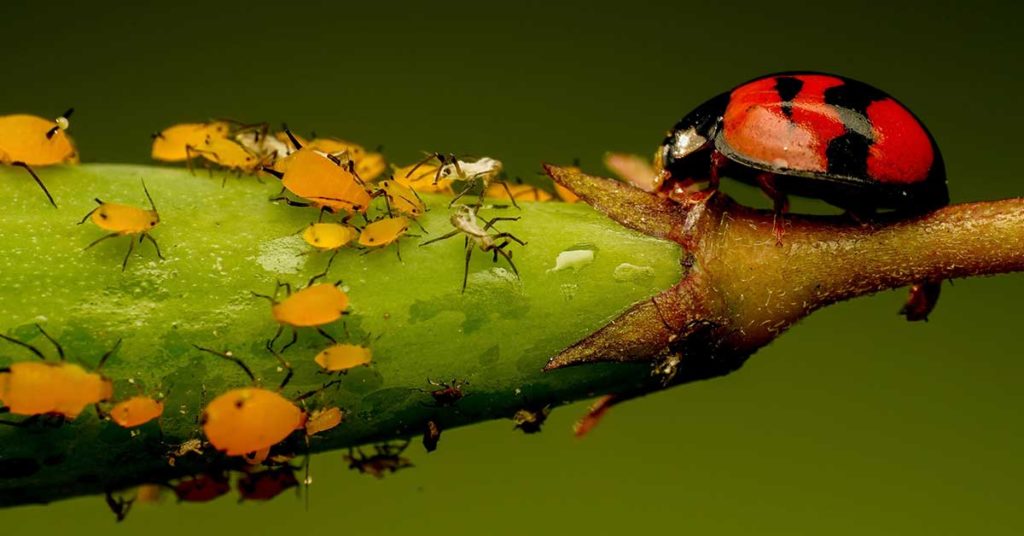
Corn earworms, aphids, and cutworms can decimate ears before you even notice. Waiting until damage is obvious means you’ve already lost yield. I once walked past silent, chewed-silk ears for days before spotting the caterpillars inside!
Regularly scout plants from emergence through silking. Handpick pests, apply Bacillus thuringiensis (Bt) for caterpillars, or introduce beneficial ladybugs and lacewings. Early action preserves ear quality and reduces reliance on broad-spectrum insecticides.
Neglecting Soil pH Imbalance
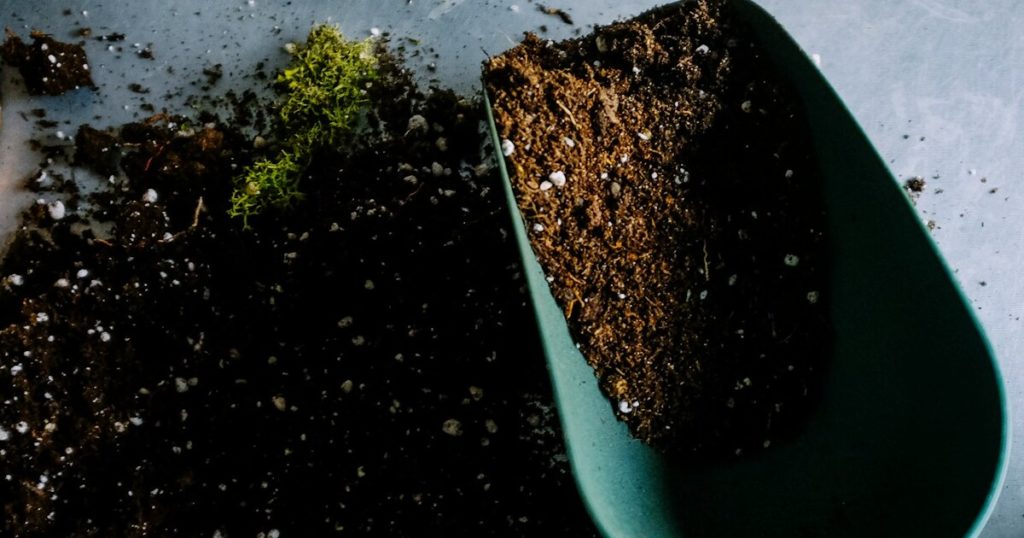
Soil that’s too acidic or alkaline impedes nutrient uptake, leading to yellowing leaves and poor ear fill. My first corn planting yielded chalky-edged kernels until I corrected pH after a test!
Adjust pH with lime (to raise) or elemental sulfur (to lower) based on soil test recommendations. Balanced pH supports robust root development and fosters healthy microbial communities that break down organic matter and supply nutrients.
Planting Too Deep or Too Shallow
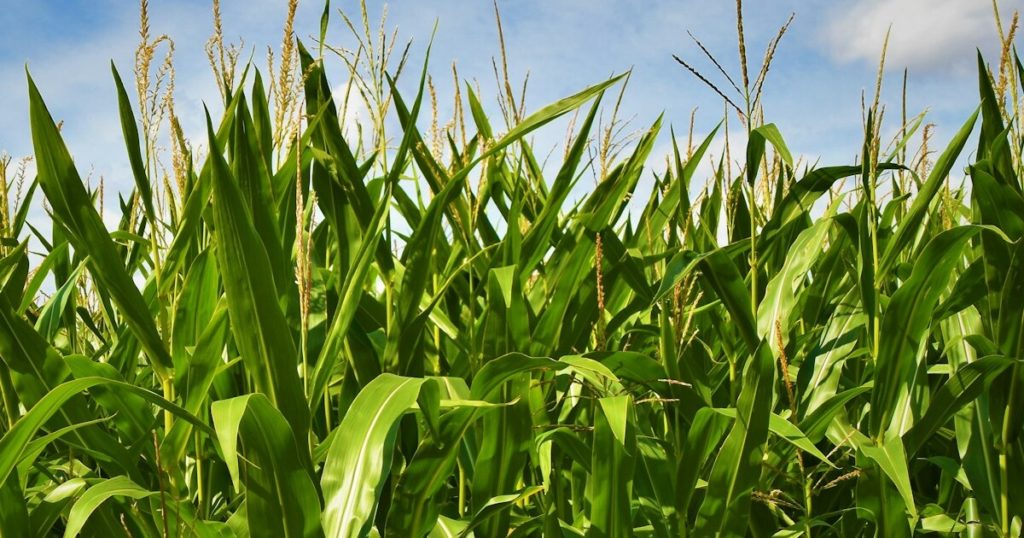
Corn seeds placed deeper than 2 inches struggle to emerge, while shallow planting dries out or exposes seedlings to temperature swings. I once sown seeds at varying depths in the same row and ended up with mixed germination times—so frustrating!
Aim for a consistent planting depth of 1.5–2 inches in firm, moist seedbeds. Proper depth ensures strong emergence and root anchorage, essential for standing up to wind and supporting beneficial invertebrates beneath the surface.
Skipping Tassel and Silk Timing

Corn’s flowering stage requires precise timing: pollen from tassels must land on fresh silks within a few days for full kernel set. Delaying planting or uneven germination spreads silking over long periods, reducing pollination success. My patch once tasselled over two weeks, leading to patchy ears!
Achieve uniform emergence by planting evenly spaced, well-prepared seedbeds. Consider planting in short succession blocks—two plantings two weeks apart—to extend harvest without sacrificing pollination density in each block.