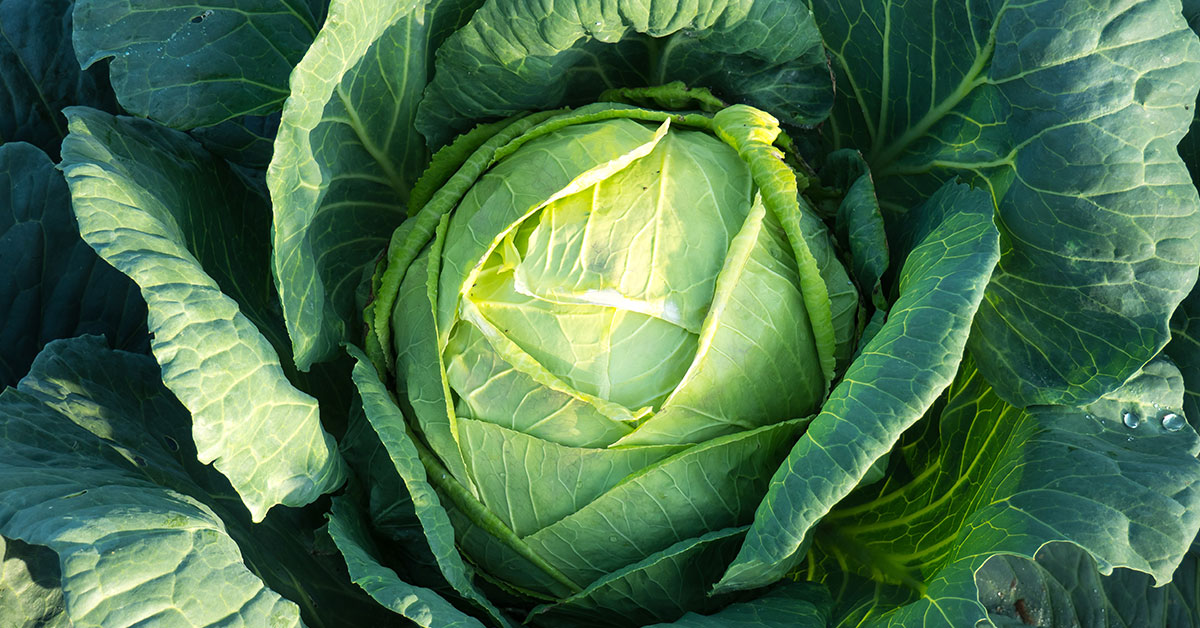

Growing homegrown cabbage can be immensely rewarding—there’s nothing like harvesting a firm, juicy head straight from the garden! But it’s such a bummer when your plants shrivel, bolt, or fall prey to pests just as harvest time nears. I know how frustrating it is to invest weeks of care only to watch those promising green globes collapse under a misstep.
In this article, we’ll explore ten common mistakes that can derail your cabbage crop, drawing on my own triumphs and near-disasters. You’ll learn how to recreate the cool, fertile conditions these Brassica oleracea cultivars (native to the Mediterranean region) evolved for, while also inviting beneficial insects—like hoverflies, ground-nesting bees, and parasitic wasps—to help protect your patch. Let’s dive in and safeguard your cabbage success!
Planting in Poor Soil
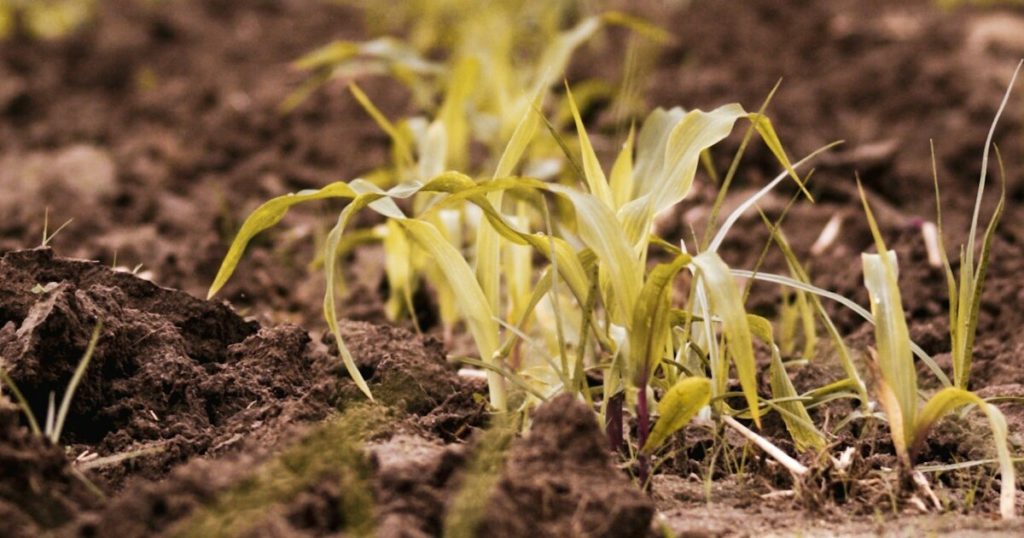
Cabbages crave fertile, well-draining soil rich in organic matter. Skipping a thorough soil amendment can leave your heads small, bitter, or prone to splitting. I once planted cabbages in unamended clay and ended up with stunted growth—what a disappointment!
Before planting, work in plenty of compost or aged manure to improve texture and nutrients. This not only feeds your cabbages but also attracts earthworms and springtails, which aerate the soil and recycle nutrients—giving your plants the strong root anchorage they need to form perfect heads!
Ignoring Soil pH
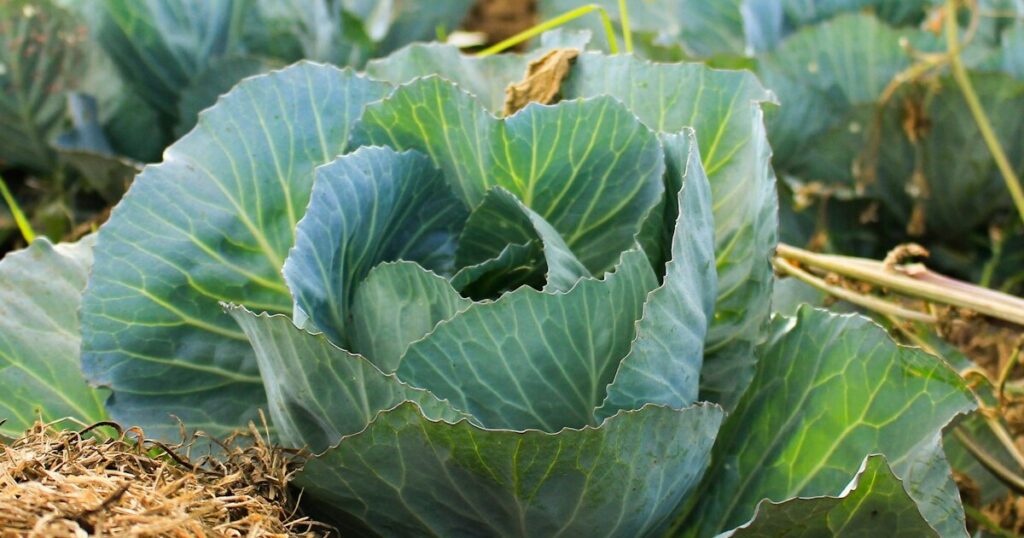
Cabbage prefers slightly acidic to neutral soil (pH 6.0–7.0). A swing too far alkaline or acidic can lock out essential nutrients like calcium, leading to issues like hollow heart or tip burn. I once skipped a pH test and watched my beautiful heads develop internal cavities—so frustrating!
Test your soil early, and adjust pH with lime (to raise) or sulfur (to lower) as needed. Balanced pH ensures your plants absorb the calcium and magnesium vital for firm, dense heads—and keeps ground-dwelling beneficial nematodes and microbial communities thriving!
Overcrowding Your Plants

Planting cabbages too close—say, under 12 inches apart—may seem space-efficient but often yields small, misshapen heads. Crowded foliage also traps moisture, inviting fungal diseases. I learned this the hard way when my tightly packed rows all got powdery mildew!
Give each plant room to breathe—18–24 inches apart. That spacing improves air circulation, reducing disease risk, and creates more landing space for pollinators like hoverflies that patrol for aphids, keeping cabbage worms at bay.
Neglecting Crop Rotation
Cabbages are heavy feeders and share pests with other Brassicas. Replanting in the same spot year after year invites soil-borne diseases like clubroot and an army of cabbage maggots. I once rotated poorly and ended up battling relentless root rot!
Rotate crops so brassicas only return to a bed every three to four years. In the interim, plant legumes or herbs to break pest cycles. This practice starves out pests and preserves a healthy balance of root-nesting predator beetles and parasitic wasps.
Overwatering or Underwatering
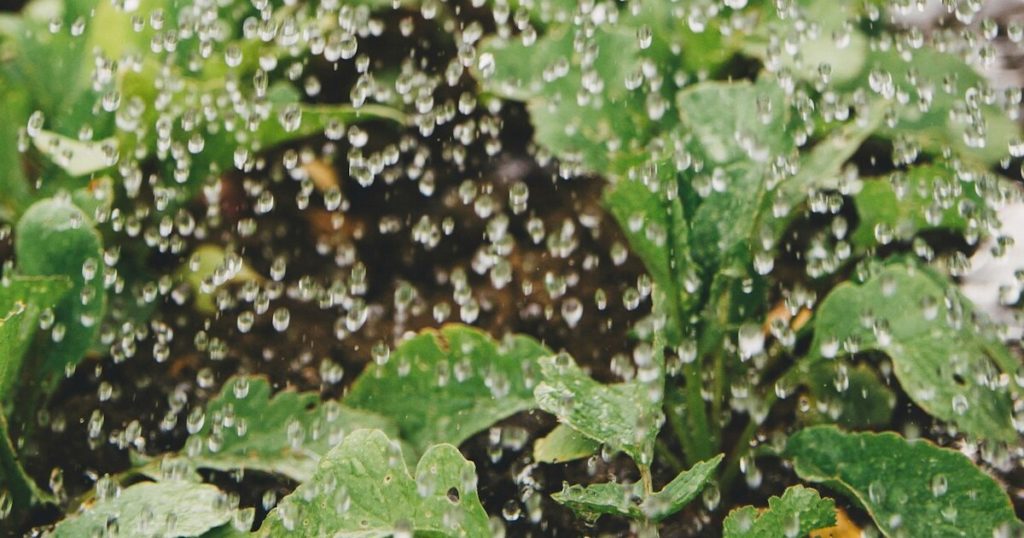
Inconsistent moisture stresses cabbage—too much and roots rot; too little and heads crack or remain loose. I once forgot to water during a heatwave, then drenched the bed days later, only to see heads split in protest!
Aim for steady moisture—about 1–1.5 inches per week—using drip irrigation or soaker hoses. Mulching with straw retains moisture and invites ground-nesting bees seeking sandy patches to nest, boosting overall garden health.
Planting at the Wrong Time

Cabbages prefer cool weather; planting too late in spring or too early in the heat of summer risks bolting—sending up a flower stalk instead of forming a head. I planted “just one more row” in late May once, and those cabbages bolted before harvest—such a heart-sinker!
Stagger planting: start cool-season varieties 4–6 weeks before last frost and fall cabbages 10–12 weeks before first frost. This timing gives you tender heads before heat or freeze sets in, and ensures pollinators like bumblebees stay active around your garden’s flowering edges.
Skipping Companion Planting
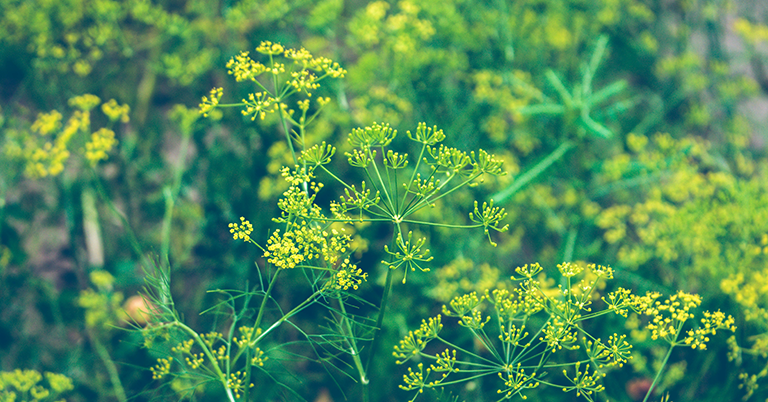
Cabbages benefit from neighbors like dill, mint, and nasturtiums, which lure beneficial insects and mask greenhouse pests’ scent. I once grew cabbages alone and suffered an aphid invasion—then realized a border of dill would have hosted predatory hoverflies!
Plant dill and cilantro nearby for braconid wasps that parasitize caterpillars, and sprinkle nasturtium to trap flea beetles. These companions enrich biodiversity, keeping your cabbage bed in harmonious balance.
Neglecting Pest Monitoring
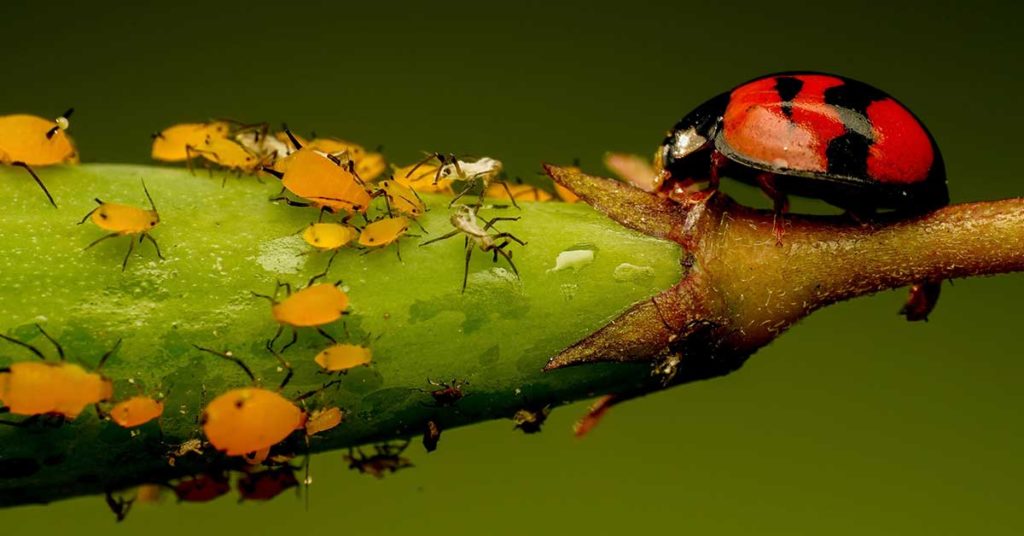
Cabbage loopers, aphids, and slugs can decimate plants overnight. Waiting until damage is obvious means you’re already behind! I started weekly scouting after one slug-ruined harvest, and early detection made all the difference.
Check undersides of leaves, use beer traps for slugs, and introduce insecticidal soap at first aphid sighting. Encouraging toad or ground beetle habitat—like low rock piles—gives you natural pest control without relying on harsh chemicals.
Forgetting to Harden Off Transplants

Moving seedlings directly from greenhouse to full sun shock can stunt growth and invite leaf scorch. I once transplanted my cabbages straight outside, and half dropped their leaves in protest!
Gradually acclimate transplants over a week—start with a few hours of morning sun, then extend exposure. Hardening off reduces transplant shock, helping cabbages establish quickly and focus on head formation rather than tissue repair.
Ignoring Varietal Selection
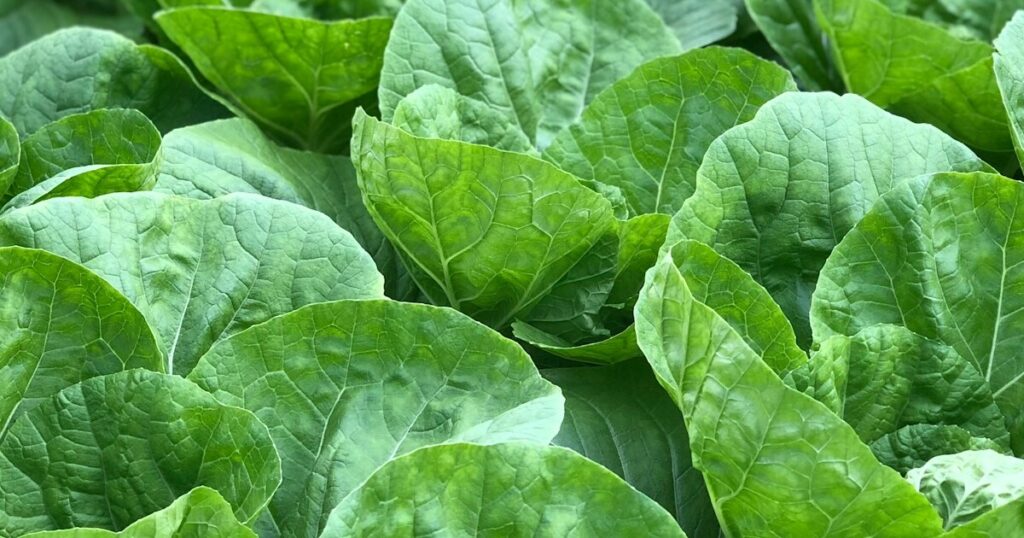
Not all cabbages thrive in every region. Planting a heat-sensitive variety in a warm climate guarantees disappointment. I planted a tender tendergreen variety in my hot zone and watched heads flop before maturing!
Choose varieties suited to your zone and season—early, mid-season, and late-season cultivars—to spread risk and harvest times. Local extension services or seed savers can recommend the perfect head-forming heroes for your garden’s conditions.