

Embracing native plants in your garden can feel like giving Mother Nature a helping hand—these species evolved to flourish in local soils, climates, and ecosystems, often requiring far less fuss than exotic ornamentals. I know how tempting it is to fill every bed with high-maintenance showstoppers, only to end up battling drought stress and fungal woes. That’s why I’ve gathered eleven rock-star natives that demand minimal care, support local wildlife, and reward you with season-long interest!
Whether you’re planting a prairie swath, a woodland edge, or a simple pollinator patch, these reliable performers offer beauty, habitat, and resilience. From sun-soaked grasses to shade-tolerant perennials, each of these plants anchors a thriving ecosystem—drawing in bees, butterflies, and even nesting ground-dwelling insects. Let’s dive into this randomized lineup and discover how little work it takes to create a vibrant, low-maintenance native garden!
Rattlesnake Master (Eryngium yuccifolium)
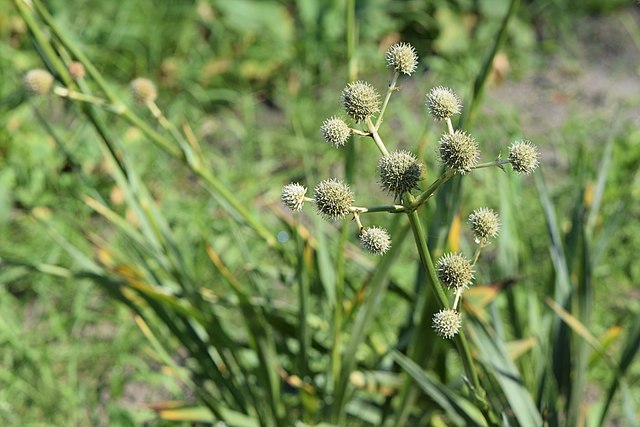
Rattlesnake Master is a dramatic prairie native recognized by its spiky, globe-shaped white flower heads atop sturdy stems. Native to the central United States, it thrives in full sun and well-drained soils, tolerating drought once established. I planted these in a sunny swale, and they required nothing more than an occasional summer drink to look spectacular!
Beyond its architectural form, Rattlesnake Master is a magnet for native bees and wasps that nest in nearby bare patches of ground. Its deep taproot helps break up compacted soils and access moisture far below the surface—perfect for low-water gardens!
Purple Coneflower (Echinacea purpurea)
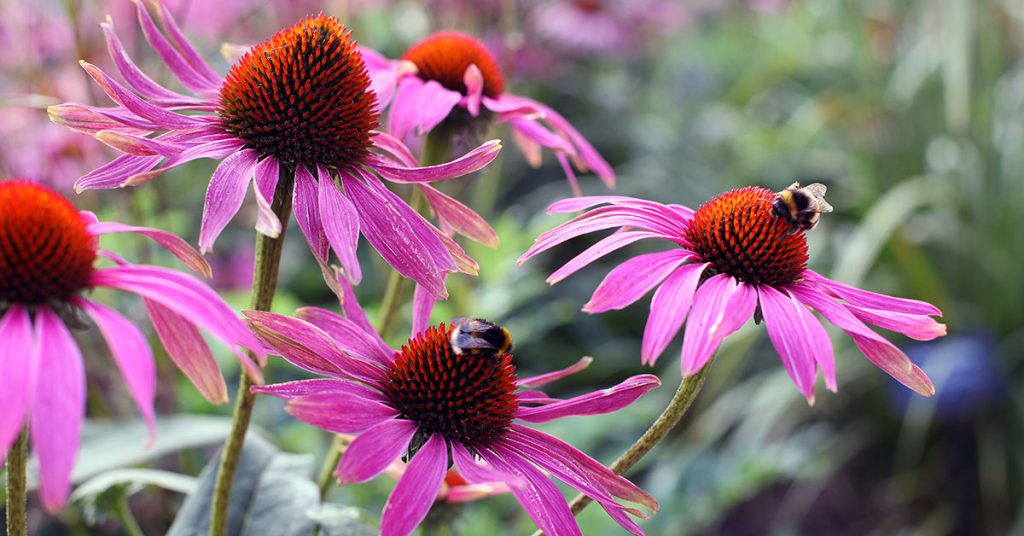
Purple Coneflower, hailing from eastern North American meadows, is celebrated for its long-lasting purple-pink petals and prominent orange cones. These hardy perennials handle heat, drought, and poor soils with grace, bouncing back after heavy rains without flopping. One of my favorite plants, they reliably bloom from mid-summer into fall with zero pampering!
Pollinators adore their nectar-rich blooms, and by October, the seed-filled cones feed goldfinches and sparrows—who may nest in nearby brush piles. Echinacea’s fibrous root system also helps stabilize soil and prevent erosion in mixed native borders.
Butterfly Weed (Asclepias tuberosa)
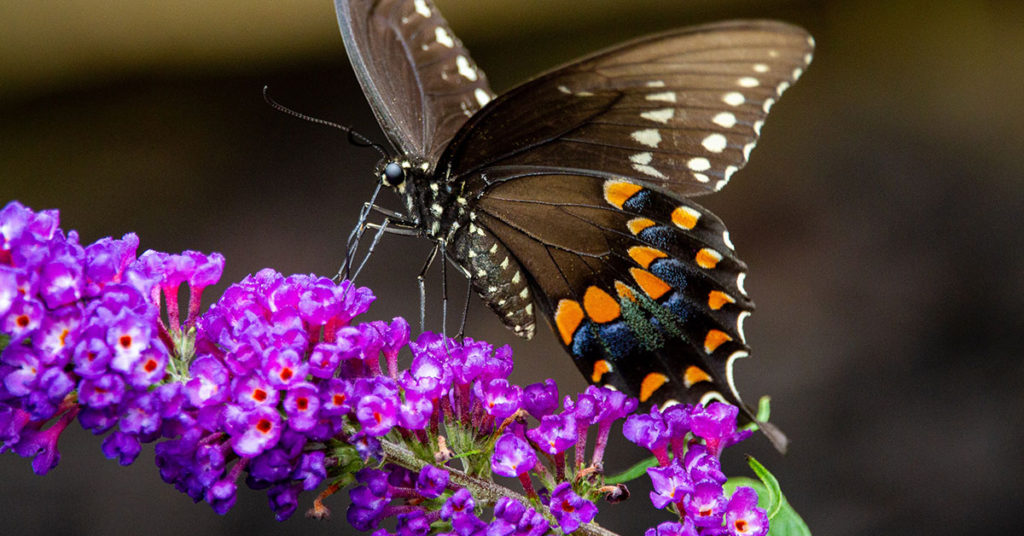
Butterfly Weed, a member of the milkweed family native to open fields across much of the U.S., lights up gardens with bright orange clusters that demand nothing but sun and well-drained soil. Unlike some milkweeds, it rarely self-seeds aggressively; I’ve found it stays neatly within its spot, offering year-after-year blooms without constant division.
This plant is a superstar for monarch butterflies, providing essential larval host material and abundant nectar for adult butterflies and bees. Its deep roots improve soil structure and drought resilience, making it a true no-fuss native choice!
Yarrow (Achillea millefolium)
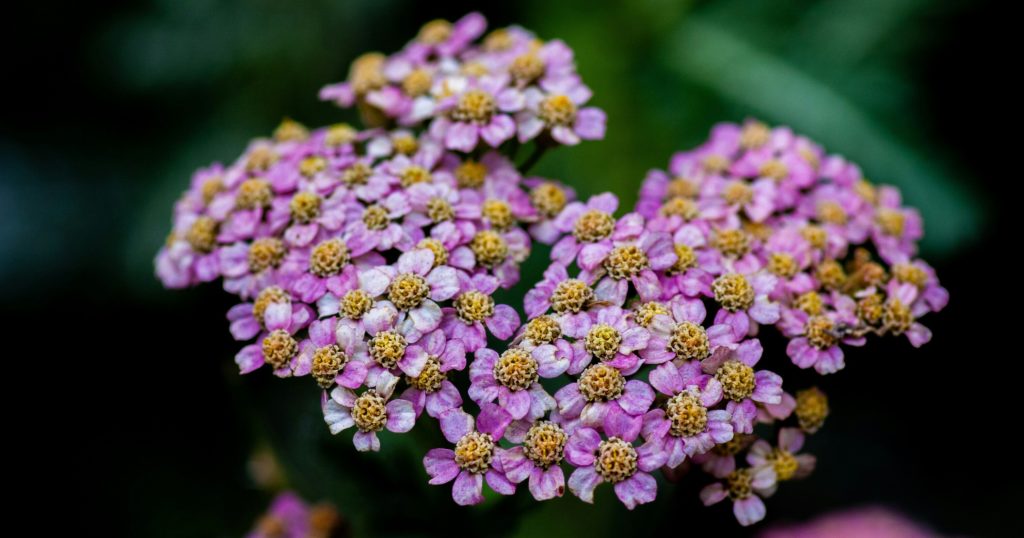
Yarrow is a versatile native wildflower from Eurasia and North America that flourishes in sun and tolerates poor, dry soils. Its flat-topped flower clusters in white, yellow, or pink add texture to borders, and deadheading extends bloom through late summer. I once forgot about mine for a season—and it still returned lush and blooming the next year!
Yarrow’s nectar draws hoverflies, lacewings, and parasitic wasps—natural predators of common garden pests. Its tough foliage resists deer browsing, and its spreading habit creates a living mulch that suppresses weeds around neighboring plants.
Switchgrass (Panicum virgatum)

Switchgrass is a clump-forming native grass of North American prairies that thrives in a range of soils—from sandy to clay—and tolerates both drought and flooding. Its arching green blades turn warm copper in autumn, providing season-long interest. I love how it stands tall through winter, offering structure and habitat in the snow!
Ground-nesting bees and wasps find cozy nesting spots within its root mass, and birds such as sparrows hunt insects among its stems. Switchgrass’s minimal care needs make it a stellar anchor for low-maintenance, wildlife-friendly gardens.
Wild Columbine (Aquilegia canadensis)
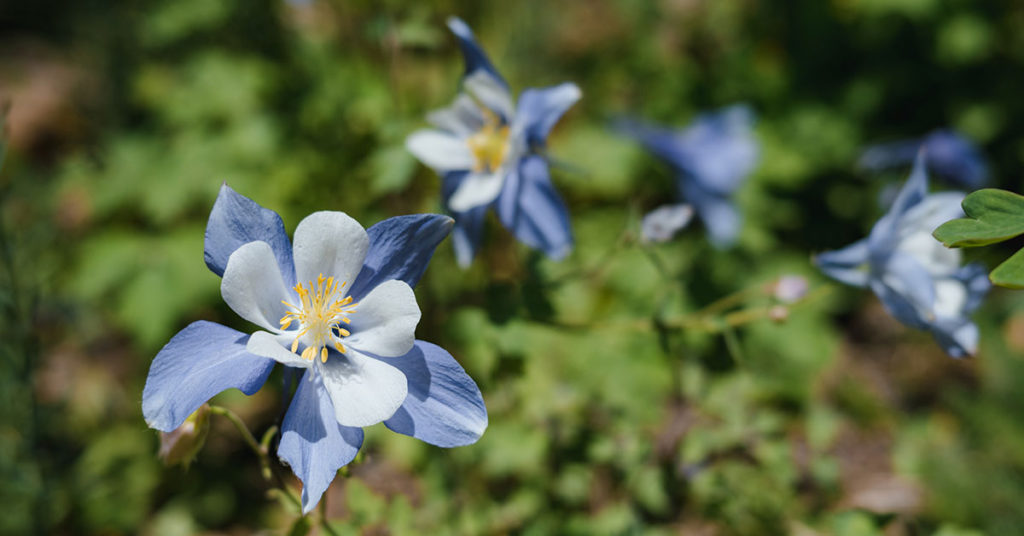
Wild Columbine is an eastern North American woodland native that brightens shade gardens with its nodding red-and-yellow flowers in spring. Preferring partial shade and well-drained soil, it self-sows moderately—never aggressively—so your beds stay balanced. I’m always thrilled when its first blooms unfurl in late April, welcoming hummingbirds!
Its tubular flowers attract hummingbirds and long-tongued bees, while its delicate foliage provides shelter for tiny spiders and beneficial insects. After flowering, its seed pods add subtle interest and feed small birds that pry open the dry follicles.
New England Aster (Symphyotrichum novae-angliae)
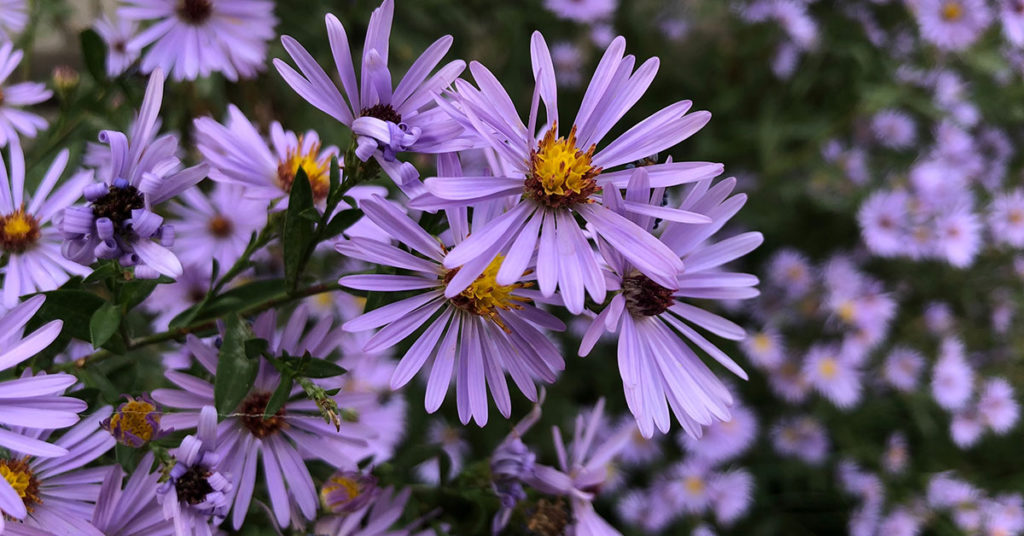
New England Aster, a late-season native from eastern North America, bursts into purplish-pink bloom in mid-to-late fall, extending the floral show when many plants have faded. It tolerates average to moist soils in full sun, and despite its tall stature, seldom requires staking. I adore watching flocks of migrating monarchs sipping its abundant nectar in October!
Pollinators flock to its daisy-like blooms—hoverflies, bumblebees, and butterflies—taking advantage of its late-season resources. The dense clumps also create cozy nesting sites for ground beetles and spiders that help control pests the following spring.
Goldenrod (Solidago canadensis)
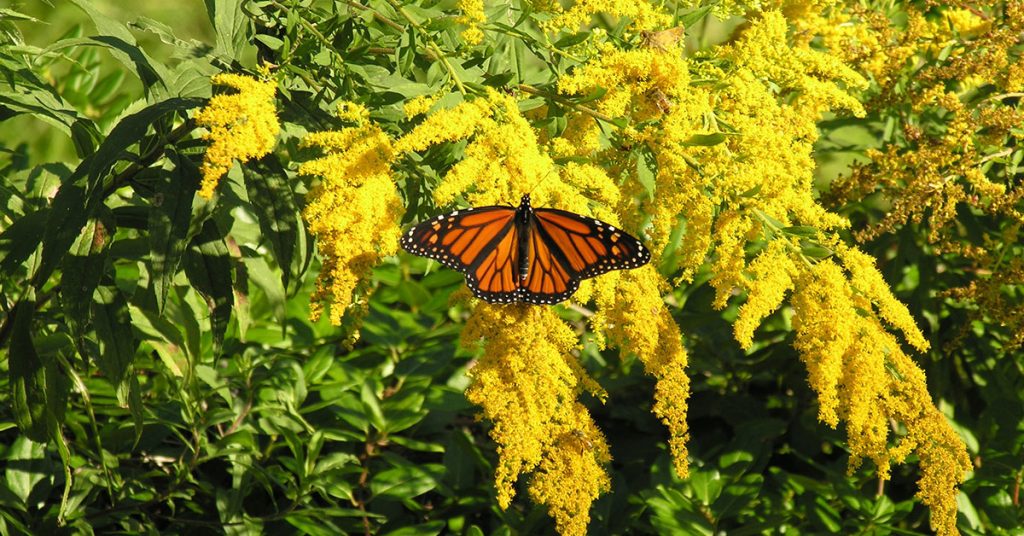
Goldenrod, a classic North American native, lights up gardens with brilliant yellow plumes in late summer and fall. While often mistaken as invasive, true Solidago canadensis typically stays in check in well-designed native beds. I’ve planted it along garden edges, and it spreads politely into neighboring gaps without overtaking my entire plot!
This nectar powerhouse supports a vast array of pollinators—tiny bees, wasps, and butterflies—offering forage when little else is blooming. Its fibrous roots improve soil health, and birds like sparrows later peck its seeds for protein-rich autumn meals.
Prairie Dropseed (Sporobolus heterolepis)
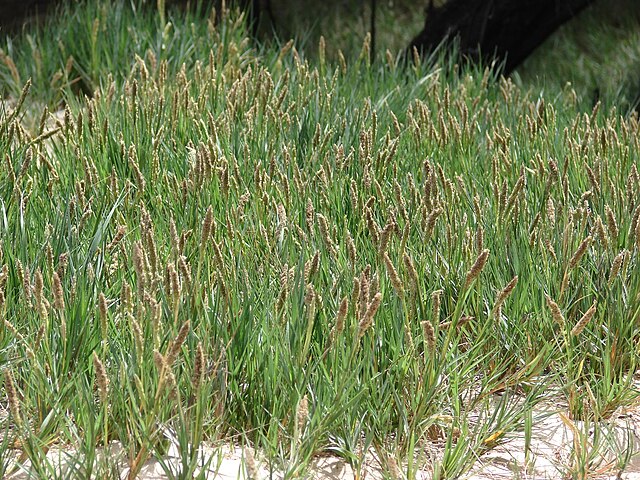
Prairie Dropseed is a fine-textured, warm-season grass native to North American prairies, forming neat mounds of arching foliage that turn golden in autumn. It thrives in full sun and well-drained soils, tolerating drought with aplomb. I appreciate its gentle rustling in the breeze—it’s like living music!
Ground-nesting solitary bees and predatory insects use the gaps between clumps as nesting real estate, and its airy seed heads provide winter interest and forage for small birds. Once planted, it rarely needs dividing—true low-maintenance elegance!
Purple Prairie Clover (Dalea purpurea)

Purple Prairie Clover is a drought-tolerant legume native to central and eastern North America, boasting dense spikes of purple flowers that cover the plant in mid-summer. Its nitrogen-fixing roots enrich poor soils naturally, reducing fertilizer needs. I’m always delighted to see bumblebees buzzing furiously amidst its nectar-rich blooms!
This plant’s deep taproot helps break up compacted soil, and its seeds remain a food source for native birds like bobwhites. Since it rarely reseeds beyond its initial planting area, it stays in place without invasive tendencies.
Bee Balm (Monarda fistulosa)

Wild Bee Balm, native to North American prairies and meadows, features lavender-pink flowers that attract a dazzling array of pollinators—honeybees, bumblebees, hummingbirds, and butterflies. Preferring sun to light shade and average soil, it spreads slowly by rhizomes but never aggressively enough to crowd out neighbors.
Its fragrant foliage repels some pests like mosquitoes, and its hollow stems offer nesting sites for solitary bees. I often tuck it near vegetable beds, enjoying both its culinary uses and the pollinator boost it provides!