

Summer can transform a garden into a blazing furnace—thrilling for sun-loving annuals, but a nightmare for thirsty perennials and delicate seedlings! I know the sinking feeling of heading out at dawn only to find wilted leaves by mid-morning and pests feasting on weakened plants. That’s why I’m excited to share ten practical strategies to keep your garden thriving when the mercury climbs.
In this article, we’ll cover everything from clever watering systems to strategic shading, soil enhancements to wildlife-friendly tactics. These tips are drawn from my own sun-scorched trials (and triumphs!), so you can spend less time worrying about heat stress and more time enjoying a lush, buzzing oasis all summer long. Let’s dive in and make your garden summer-ready!
Mulch to Lock in Moisture
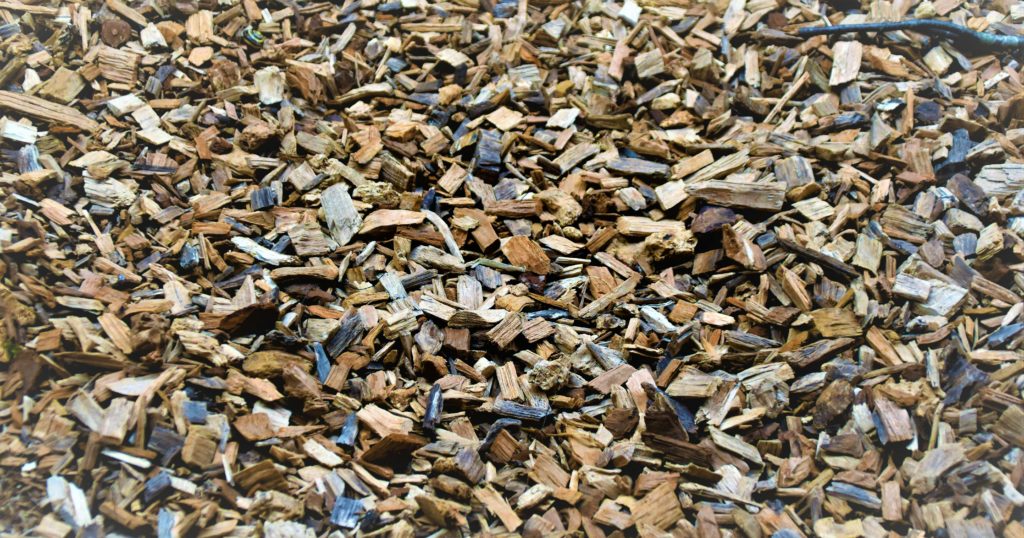
A generous 2–3 inch layer of organic mulch—such as straw, shredded leaves, or bark chips—acts like a blanket for your soil, preventing rapid moisture loss and suppressing aggressive weeds. One summer, I watched my strawberry patch thrive under a fresh layer of straw, while neighboring beds wilted without that protective cover!
Mulch also moderates soil temperature, keeping roots cooler during midday heat. As it breaks down, it enriches the soil with organic matter, encouraging earthworms and beneficial microbes that improve structure and water retention—exactly what thirsty plants need on sweltering days!
Install a Drip Irrigation System

Drip irrigation delivers water straight to the root zone, cutting evaporation by up to 50% compared to overhead sprinklers. I’ll never forget the relief of seeing my tomato plants perk up during a week-long heatwave once I switched to timed drip lines—no more midday wilt panic!
By setting your system on an early-morning schedule, you mimic gentle summer rains, giving roots steady moisture without wetting foliage (which can invite fungal issues). This precise delivery also conserves water—an eco-friendly win for your wallet and the planet!
Incorporate Shade Cloth and Sail Shades

Some plants—lettuce, basil, and delicate begonias—struggle under intense afternoon rays. Draping a lightweight shade cloth (30–50% density) over arched hoops or patio sails can reduce heat stress and prevent sunburned foliage. I was amazed when my shade-covered peppers continued producing plump fruits while unshielded neighbors scorched!
Shade cloth also eases temperature swings, creating a cool microclimate that encourages soil moisture retention and keeps ground-dwelling pollinators—like mason bees—comfortable as they forage in the early morning hours.
Plant Drought-Tolerant Varieties

Introducing heat-loving, drought-resistant natives—such as lavender (Lavandula angustifolia), yarrow (Achillea millefolium), and Russian sage (Perovskia atriplicifolia)—reduces overall water needs. These Mediterranean and Central Asian natives evolved in arid landscapes, thriving on minimal irrigation once established!
Beyond surviving dry spells, their deep roots improve soil structure and attract beneficial insects—ladybugs and lacewings love yarrow’s flat umbels—creating a resilient ecosystem even when rainfall is scarce.
Improve Soil with Organic Matter

Sandy or compacted soils can’t hold moisture under summer heat. Before the warmest months hit, blend in generous amounts of compost or well-rotted manure to enhance water retention and nutrient availability. I once revived an ailing herb bed by incorporating two inches of compost, and by June, my mint and oregano were thriving!
Rich, loamy soil also supports a healthy community of earthworms and mycorrhizal fungi, which form symbiotic networks that draw moisture deeper—ensuring your plants stay hydrated even between watering sessions.
Harvest Rainwater

Installing rain barrels or a cistern captures precious summer downpours for later use, reducing reliance on municipal water. One of my favorite projects was connecting two 55-gallon barrels to my gutter system—now I water my container garden exclusively with collected rainwater during July and August!
Rainwater is naturally soft and free of chlorine or minerals that can build up in soil, making it ideal for sensitive plants and seed starting. Plus, keeping barrels topped up means you’re ready for the next dry spell—no frantic garden hose sprints required!
Group Plants by Water Needs

Creating “hydrozones” by clustering thirsty veggies—tomatoes, cucumbers, summer squash—together and placing drought-tolerant ornamentals in a separate bed streamlines irrigation. I used to drench my entire yard when my tomatoes needed extra water, but reorganizing by water needs saved time, moisture, and money!
This strategic grouping also prevents overwatering drought-loving species, reducing root rot risk and creating an efficient watering routine that caters to each plant’s summer thirst level.
Use Reflective or Light-Colored Mulches

Light-colored mulches—such as white gravel or reflective plastic—help bounce sunlight away from the soil surface, lowering temperatures around heat-sensitive roots. In my sunniest beds, a thin layer of white river rock kept my annuals cooler, reducing water needs and preventing midday droop!
Reflective mulches also deter certain pests; the bright surface disorients aphids and leafhoppers, giving your plants added protection when they’re most vulnerable to heat stress.
Regularly Deadhead and Prune

Removing spent flowers and thinning overcrowded foliage improves air circulation, reducing humidity pockets that attract fungal diseases in hot weather. I once neglected my coneflower bed, only to find powdery mildew taking hold—but after a quick deadhead session, the remaining blooms flourished unhindered!
Pruning also redirects energy from seed production back into root and foliage health, helping plants maintain vigor and resilience during extended heat waves.
Provide Cooling Water Stations for Wildlife
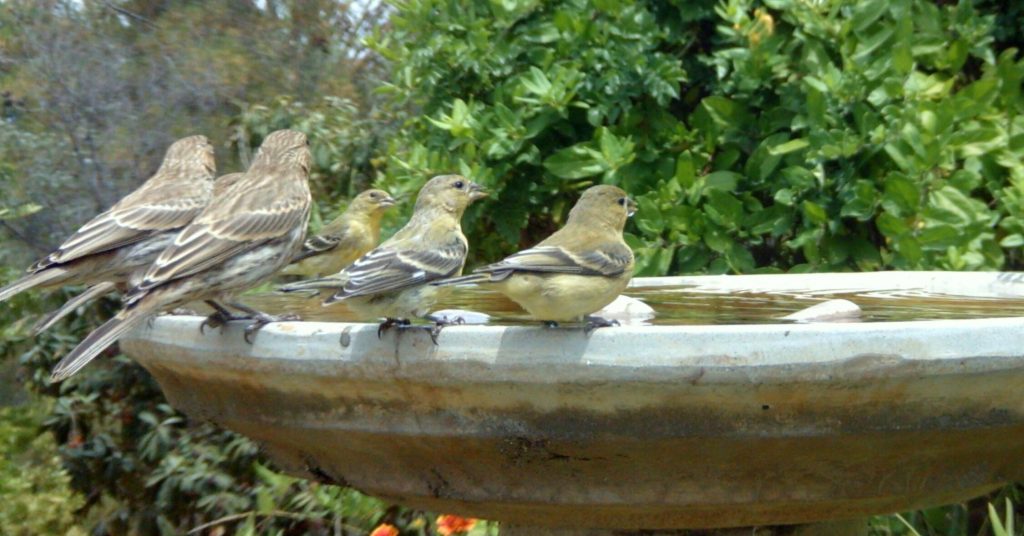
A shallow birdbath or a low saucer filled with pebbles offers essential hydration and cooling spots for pollinators and birds. I placed a dripping fountain near my lavender border last summer, and it became the most popular hangout for honeybees, butterflies, and hummingbirds!
Supporting wildlife not only fosters a lively garden atmosphere but also encourages natural pest control—birds and beneficial insects keep aphid and caterpillar populations in check, giving your garden a fighting chance even under the hottest sun.