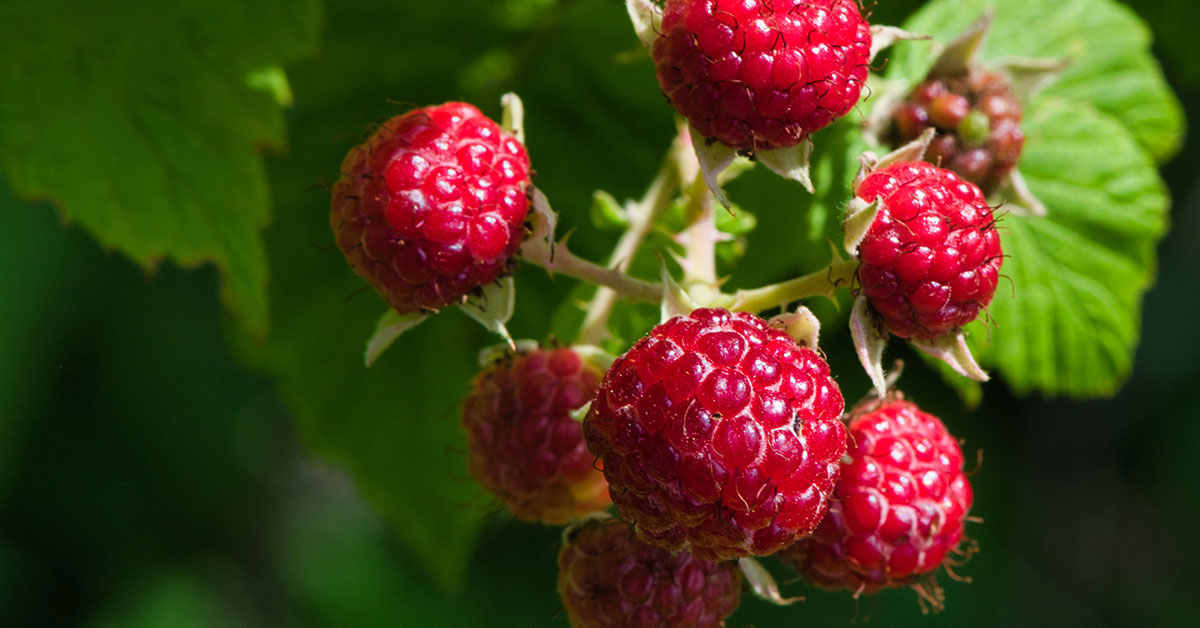

Gardening with raspberries brings such a thrill—the moment you taste that first juicy, sun-ripened berry, you know your efforts have paid off! Yet it can be a real bummer when canes flop, yields dwindle, or pesky critters raid your patch. I’ve had my fair share of raspberry hiccups—late frosts nipping blossoms, bunnies nibbling tender shoots, and even soil so compacted that my roots gasped for air.
In this article, I’m sharing nine in-depth tips—randomized for a bit of fun—to help you cultivate a lush, productive raspberry garden. We’ll dive into everything from soil prep to pollinator-friendly companions, winter protection to pruning routines, and more. Each section is packed with the origins of these delightful brambles, notes on invasiveness, and insights on how to attract the bees, birds, and beneficial insects that make your raspberries shine!
Companion Planting to Attract Pollinators

Interplanting raspberries with pollinator magnets—such as borage (Borago officinalis) or native goldenrod (Solidago canadensis)—boosts fruit set by drawing bees and hoverflies to your garden. One of my favorite combinations is raspberries alongside calendula; the bright orange flowers beckon honeybees while the raspberry blossoms are in bloom! These companion flowers also provide continuous forage throughout the season, ensuring beneficial insects stick around.
Raspberries (Rubus idaeus) are native to Europe and northern Asia but have naturalized widely without becoming aggressively invasive in most regions. By adding native pollinator plants, you’re supporting local bee species, including solitary mason bees that nest in hollow stems. Their early spring activity lines up perfectly with raspberry bloom, giving your cane flowers the best chance at pollination and a bountiful berry haul!
Preparing Well-Draining, Fertile Soil

Raspberries thrive in soil that’s fertile, slightly acidic (pH 5.5–6.5), and drains well—standing water can rot those precious roots! I always amend my beds with generous amounts of finished compost and well-rotted manure before planting, which improves structure and feeds canes throughout the growing season. It makes me so happy to see new shoots springing up vigorously in a rich, friable soil bed!
Native to woodland edges and meadow margins, raspberries prefer light, loamy textures reminiscent of their ancestral habitats. While they’re not typically invasive, they can send out suckers if soils are loose—so define your beds with edging to keep them contained. This way, you recreate their ideal conditions without letting them wander into neighboring borders.
Implementing Winter Protection

Before deep freezes arrive, mulch around the base of your raspberry canes with straw or shredded leaves to insulate roots and crown buds. I learned the hard way one winter when an early freeze heaved unprotected canes right out of the soil—such a heart-sinker! A 4–6 inch blanket of mulch helps regulate soil temperature and prevents frost heaving.
Raspberry species from colder regions—like Rubus idaeus subspecies strigosus—are well-adapted to snowy winters but still appreciate that extra layer. By protecting the ground layer, you also shelter ground-nesting bees and beetles that overwinter in the soil, contributing to a healthier ecosystem come spring!
Establishing a Regular Pruning Schedule

Cutting back spent floricanes (the two-year-old fruiting canes) each winter encourages new primocanes to develop strong wood and carry heavy berry loads. Once, I skipped pruning and ended up with a scraggly tangle and poor air circulation—mildew moved in faster than I could say “yuck”! A consistent pruning routine keeps canes upright and disease at bay.
Raspberries evolved in open, sunny habitats where natural browsers trimmed back old growth, allowing new shoots in. Mimicking this cycle with manual pruning attracts beneficial predators—like ladybugs—that hunt aphids hiding in old canes. Your tidy rows become both more productive and less hospitable to pests!
Installing Sturdy Support Structures

Raspberry canes can grow over six feet tall and flop under a heavy fruit load. Installing a simple trellis—two strong t-posts with horizontal wires at 2 and 4 feet—provides essential support. I still remember the first time I trained my canes upright; it was such a revelation to pick berries at eye level without battling thorny tangles!
Wild raspberries often scramble over shrubs and rocks, so replicating that support encourages straight, sturdy growth. Upright canes also improve airflow, reducing disease pressure, and make blossoms more visible to pollinators like bumblebees that prefer landing on open clusters—resulting in juicier, more abundant berries!
Applying Balanced Fertilization

Raspberries benefit from a balanced fertilizer—look for a formula like 10-10-10—applied in early spring and again after harvest to replenish nutrients. I sprinkle granular feed around the drip line and gently work it into the topsoil, giving young roots a welcome boost. The difference in cane vigor is remarkable!
Originating in nutrient-rich forest edges, raspberries respond eagerly to steady nutrient availability. Avoid over-fertilizing with high-nitrogen blends, which can produce lush foliage at the expense of flowers and fruit. A balanced feeding program ensures robust shoot growth, plentiful blossoms, and the sweet yields we all crave!
Consistent Watering and Mulching
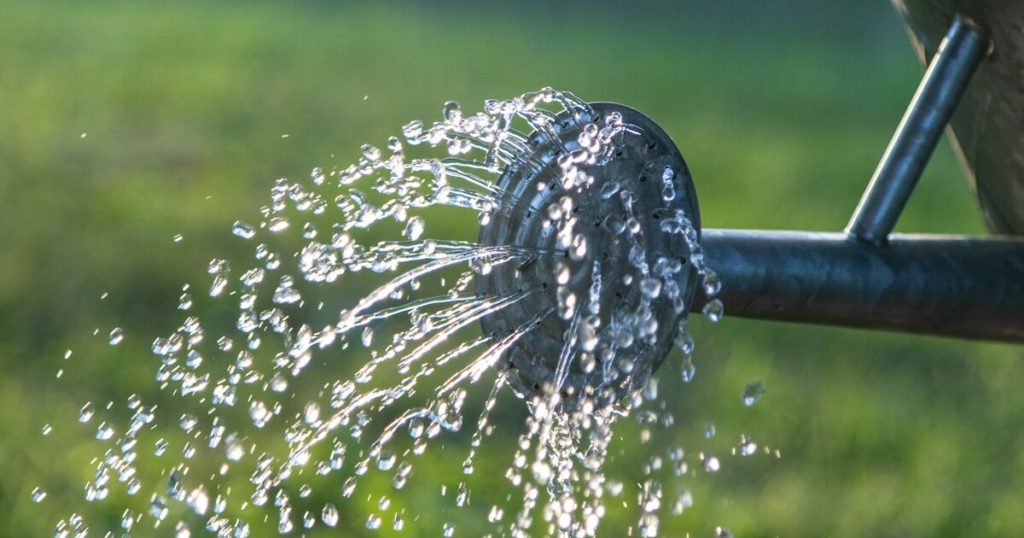
Raspberries need about 1–1.5 inches of water per week, delivered deeply to encourage strong root development. I rely on drip irrigation combined with a 2–3 inch layer of organic mulch—such as wood chips or straw—to retain moisture, suppress weeds, and moderate soil temperature! No more midday wilt panic when my system keeps the roots serenely hydrated.
That layer of mulch also mimics the leaf litter of their woodland origins, slowly releasing nutrients as it decomposes. Plus, it creates habitat for predatory ground beetles that patrol the soil surface at night, keeping slugs and snails in check so your tender new shoots can establish unmolested!
Ensuring Proper Spacing for Airflow

Plant raspberry canes 2–3 feet apart in rows spaced about 6–8 feet apart to allow adequate air movement. I once jumbled my plants too close together, and a humid microclimate sparked a mildew outbreak that decimated my crop—but proper spacing cured that problem! Good airflow reduces disease risk and helps pollinators navigate between blossoms.
In the wild, brambles grow in loose thickets, where frequent breezes dry dew and discourage fungal spores. By replicating those natural gaps, you create healthier conditions for both your plants and garden visitors—like butterflies that flit through the aisles in search of nectar, happy to find unobstructed pathways!
Monitoring and Managing Pests and Diseases
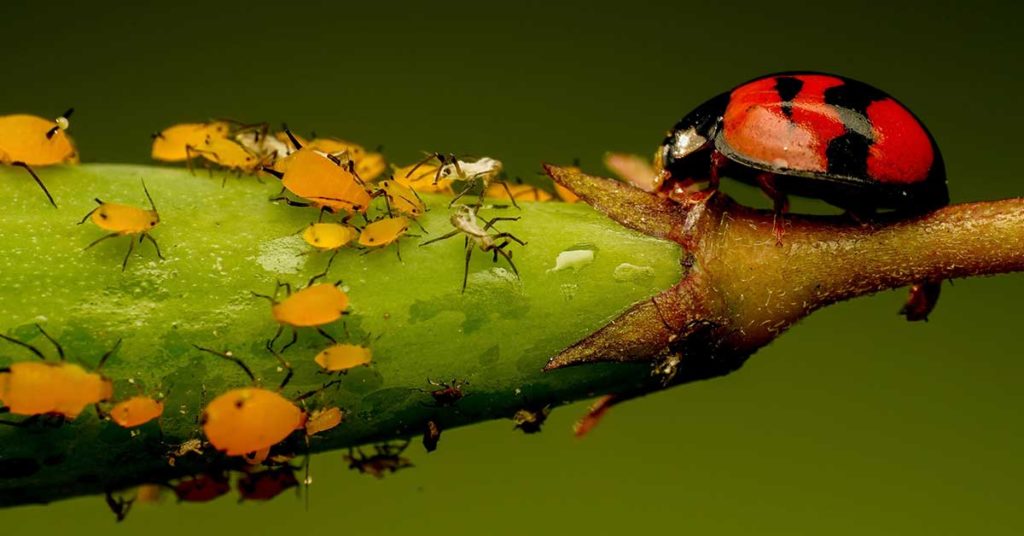
Regularly scout for common issues—such as raspberry beetles, aphids, and spur blight—and act promptly. I swab infested canes with insecticidal soap at the first sign of aphids and prune out any spotted or wilting growth to prevent disease spread. Early intervention often means you avoid resorting to harsher pesticides later!
Encouraging beneficial insects—like lacewings and parasitic wasps—by planting dill or fennel nearby also helps keep pest populations in balance. Raspberries aren’t inherently invasive, but thrifty brambles crowded by disease or pests struggle to yield. A vigilant eye and a proactive approach preserve both plant health and pollinator habitat!