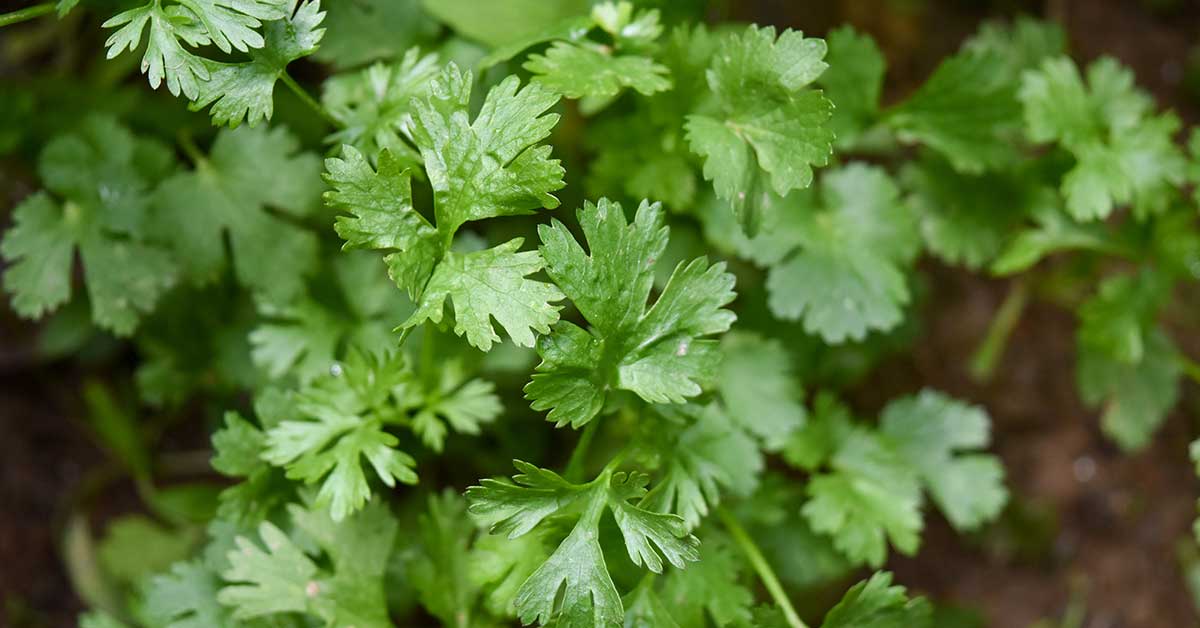

Parsley might seem like a simple herb, but let me tell you—it can be surprisingly fussy if you don’t give it what it wants. Whether you’re growing flat-leaf or curly varieties, parsley brings a burst of freshness to your dishes and supports all kinds of beneficial garden life. But despite its popularity, many gardeners unknowingly make mistakes that hold back its potential. I’ve had my share of sparse harvests and bolting disasters, and it’s always a little heartbreaking when such a reliable kitchen staple just won’t cooperate.
If you’ve struggled with parsley that won’t sprout, refuses to grow, or suddenly shoots up flowers way too early, you’re not alone. Parsley, a biennial herb native to the Mediterranean, isn’t invasive and plays nicely in most gardens, but it does have preferences. Understanding those little quirks can make all the difference. So let’s dig into the most common mistakes and how to avoid them—because healthy parsley means happy dishes, vibrant pollinators, and a more beautiful herb bed!
Planting Parsley Too Deep
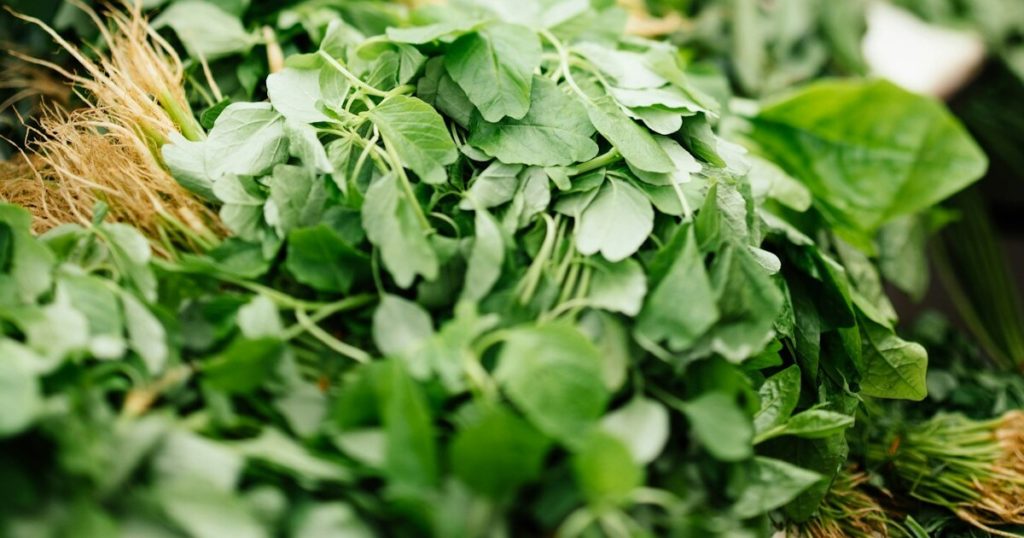
One of the easiest mistakes to make is sowing parsley seeds too deep. Since parsley seeds are small and slow to germinate, burying them more than 1/4 inch under the soil can delay or prevent sprouting altogether. It’s such a bummer to wait weeks only to see bare dirt where you hoped for lush green!
I like to barely cover parsley seeds with fine soil or sifted compost and keep them consistently moist. They need light to germinate effectively, and since they can take up to 3 weeks to sprout, patience is key! Shallow sowing also keeps the seedbed in the right zone for warmth and encourages better root development once they take off.
Letting the Soil Dry Out During Germination

Parsley is notoriously slow to germinate, and during that long wait, it’s easy to forget to water the bed. But even a brief dry spell can halt germination entirely. The seeds don’t store water well and can die off if moisture isn’t consistent.
To help with this, I often lay a sheet of burlap or a light board over the soil to hold in moisture while the seeds get started. Once I see the first green shoots, I remove the cover and water gently. Keeping that seedbed evenly moist also encourages fungi and microbes in the soil—many of which help break down the seed coat and speed up germination!
Harvesting Too Much At Once
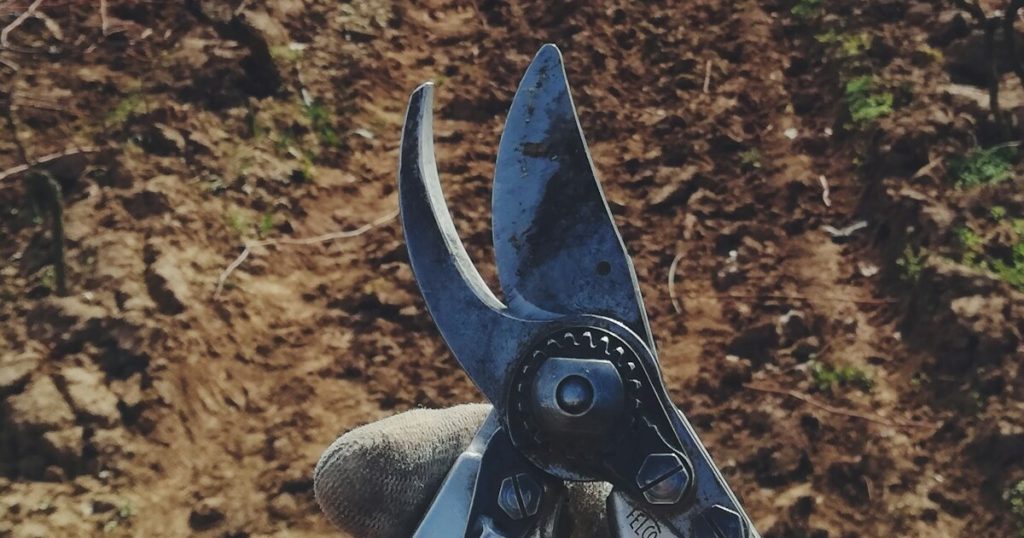
It’s so tempting to snip big handfuls of parsley when it finally starts producing, but overharvesting can weaken the plant and reduce future growth. If you remove more than one-third of the leaves at a time, you risk shocking the plant and slowing its regrowth.
Instead, harvest outer leaves first and leave the central growth point intact. Parsley regrows from the center, so keeping that area undisturbed means steady harvests. Plus, allowing some mature leaves to stay helps support pollinators and even encourages nesting by small beneficial insects like lady beetles and parasitic wasps!
Not Giving It Enough Sun

While parsley can tolerate partial shade, it performs best in full sun. One of the most common reasons it underperforms is being tucked into a shady corner of the garden, where it ends up spindly and slow-growing. I totally get it—sometimes space is limited—but parsley is worth a prime sunny spot!
Aim for 6 to 8 hours of direct sunlight per day. In cooler climates, this helps boost foliage production, and in warmer zones, morning sun with afternoon shade keeps it from bolting too early. Healthy, sun-loving parsley will grow lush and thick, which also makes it more attractive to swallowtail butterfly caterpillars—one of the most charming visitors to your herb garden!
Forgetting to Fertilize
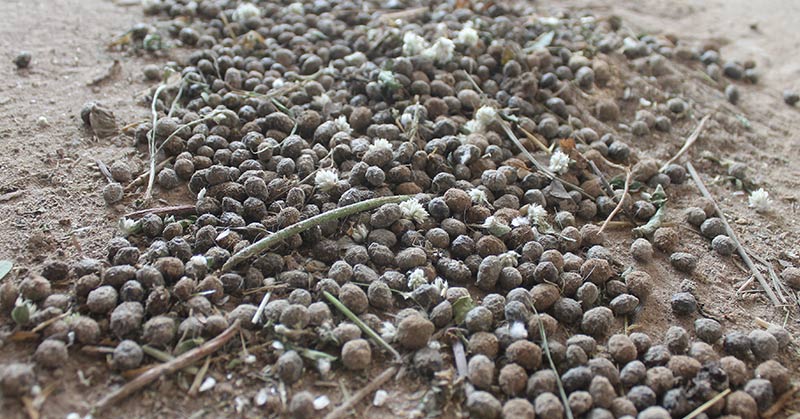
Parsley is a surprisingly hungry plant! Many gardeners assume herbs don’t need extra feeding, but parsley really benefits from a steady supply of nutrients. Without it, you’ll see yellowing leaves and slow, spindly growth.
I like to amend the soil with compost before planting, then use a diluted fish emulsion or compost tea every few weeks. Be cautious not to overdo it with nitrogen-rich fertilizers though, or you’ll get lots of soft, pale growth that’s prone to pests. Balanced nutrition also encourages strong roots, which means your parsley will be more drought-resistant and better able to support healthy pollinator visits if you let it flower in its second year.
Crowding Plants Together
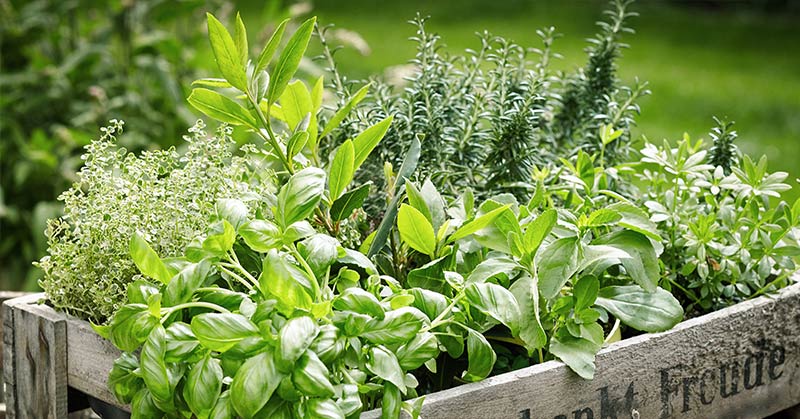
It’s easy to forget that parsley plants need space to thrive. If you plant them too closely, they’ll compete for nutrients and airflow, leading to smaller leaves and an increased risk of fungal disease. I know how tempting it is to maximize your herb bed—but trust me, spacing makes all the difference!
I give parsley plants at least 6 to 8 inches between them to allow for airflow and light penetration. This spacing also makes it easier for beneficial insects to navigate the bed and reduces the chances of powdery mildew or root rot. Well-spaced parsley encourages bushier growth and makes harvesting way more enjoyable too.
Allowing Weeds to Compete
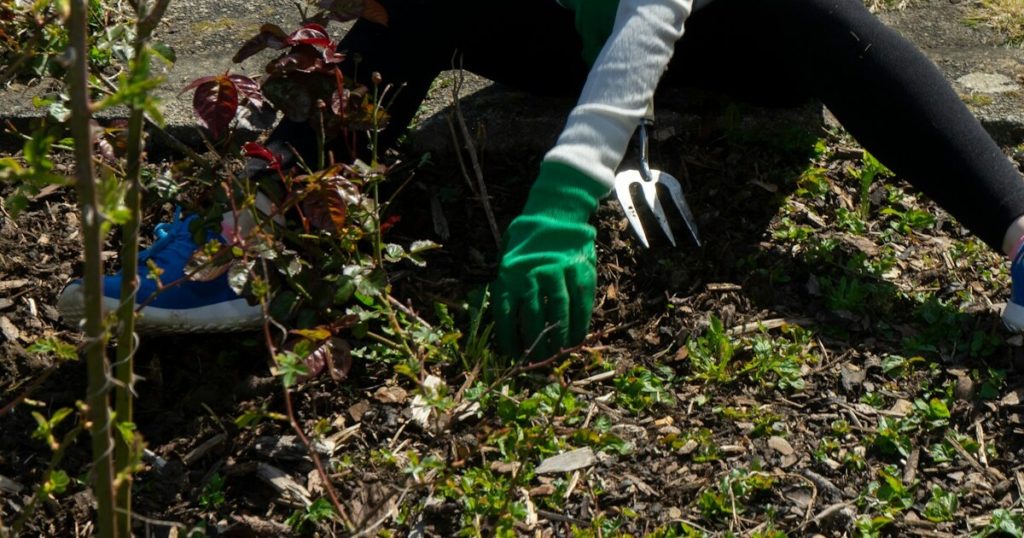
Parsley is a slow starter, and that means weeds can quickly outcompete it early in the season. Letting weeds take over isn’t just unsightly—it robs your plants of precious water, nutrients, and space. I’ve definitely had beds where I forgot to weed for a week, and suddenly the parsley was dwarfed by grass and chickweed.
The best way to handle this is to weed frequently and gently, especially when the seedlings are young. A shallow hand hoe or careful finger weeding keeps roots undisturbed while removing competition. Mulching between rows with straw or leaf mold also helps suppress weeds while keeping the soil moist and cool—ideal for parsley’s shallow roots!
Letting It Bolt Too Early
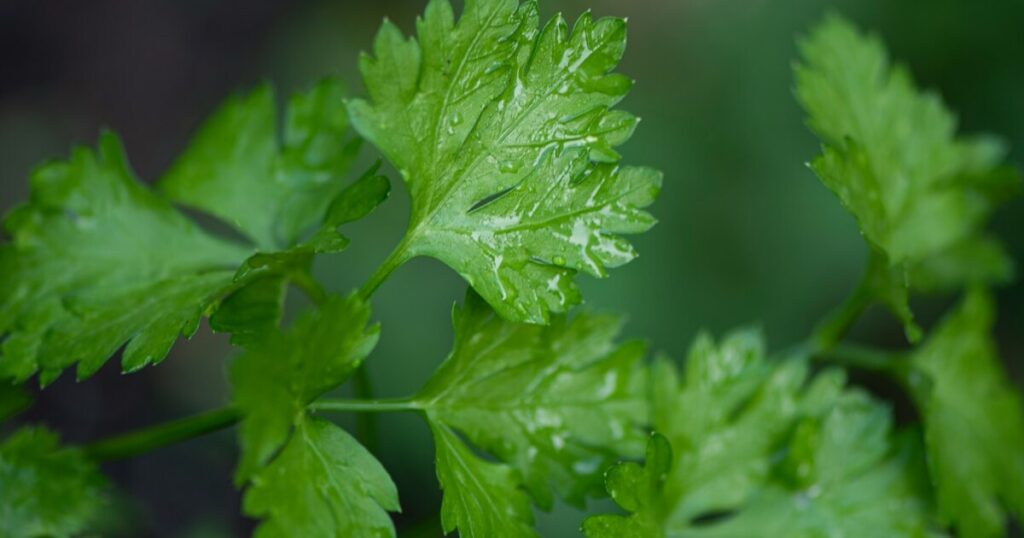
When parsley bolts (sends up a flower stalk), the leaves become bitter and the plant shifts focus away from foliage production. In its second year, this is expected—but if it bolts early due to heat stress, crowding, or poor soil, it’s a real letdown.
To delay bolting, make sure your parsley has regular moisture, good airflow, and some afternoon shade in hot weather. If it does bolt, don’t be too quick to yank it out! The umbrella-shaped flowers are part of the Apiaceae family and attract beneficial pollinators like hoverflies, wasps, and native bees. You can also let a few plants set seed and replant themselves the following season!
Growing It in Poor Soil
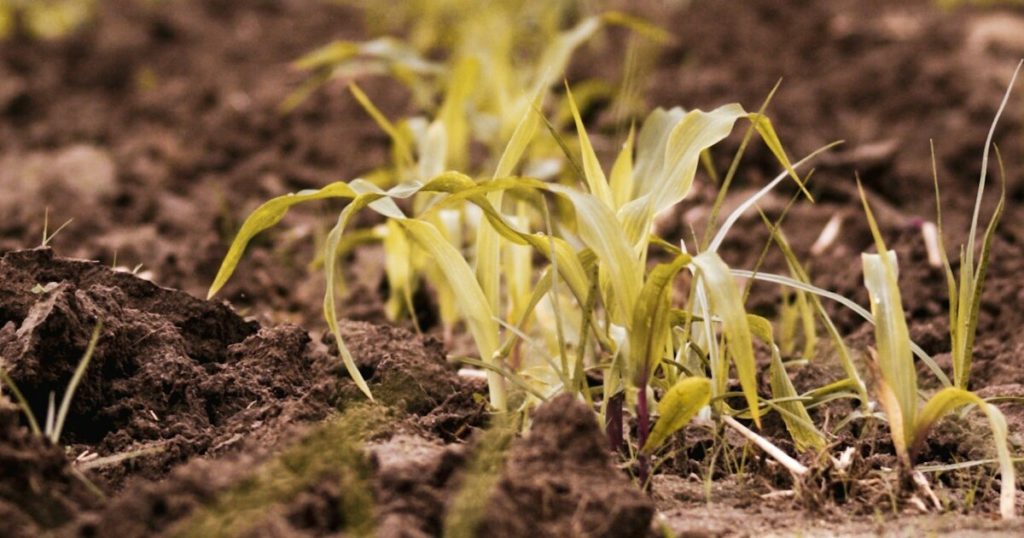
Parsley doesn’t do well in poor, compacted, or depleted soil. If your garden bed hasn’t been amended in a while, parsley will likely sulk. You might notice pale leaves, stunted growth, or failure to thrive—signs it’s time for a soil refresh.
I always mix compost into the soil before planting, and if it’s particularly sandy or clay-heavy, I work in some well-aged leaf mold or rotted manure. Healthy soil supports a thriving root system, which makes parsley more resilient to stress. A vibrant patch of parsley also supports wildlife—birds may pluck leaves for nesting, and caterpillars may settle in for a snack!
Ignoring Companion Planting

Parsley does best when planted near helpful companions. It can repel pests and even enhance the growth of some nearby vegetables, but if you isolate it or plant it next to incompatible crops, you miss out on those benefits. Some gardeners even tuck parsley into flower beds to attract beneficial insects!
I often grow parsley alongside tomatoes, carrots, or asparagus. It’s said to improve tomato flavor and attract beneficial predatory wasps to the area. Since parsley’s flowers are attractive to a variety of insects when left to bloom, it also works beautifully in pollinator gardens. Just avoid planting it right next to mint or cilantro, which can overpower it and compete for root space.