

If you’re anything like me, you know how exciting that early summer energy can be in the garden—everything’s taking off, the sun is climbing higher, and the beds are bursting with potential! But before you toss another seed packet into the soil, it’s worth pausing for a moment to think about what was growing there last season. Crop rotation isn’t just something large farms need to worry about—it’s essential for every home gardener who wants to keep their soil healthy, their plants productive, and their pest problems under control. And trust me, it makes a world of difference.
I totally understand how tempting it is to just pop your tomatoes or squash right back into that sunny corner where they thrived last year. But doing that year after year can wear out your soil and invite all kinds of problems. Crop rotation might sound complicated, but once you get the hang of it, it becomes second nature—and your garden will thank you! Whether you’re trying to avoid fungal diseases, feed your soil, or just keep things growing strong, these 11 reasons will help explain why rotating your crops before summer sets in is a smart move.
Reduces Soil-Borne Disease Pressure
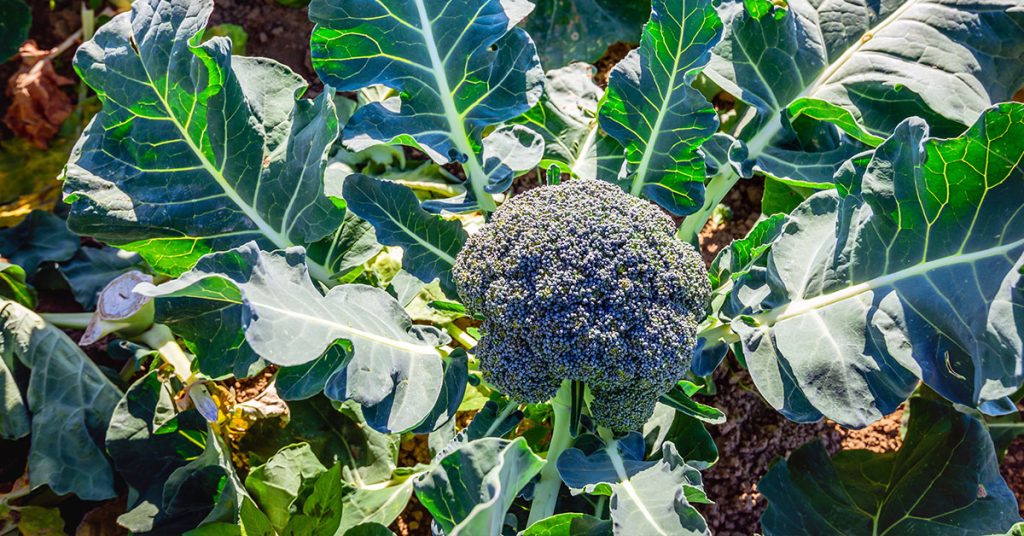
One of the biggest perks of crop rotation is breaking the cycle of soil-borne diseases. Many plant pathogens—like the dreaded Verticillium wilt or clubroot—linger in the soil long after your harvest is done. If you plant the same crop (or even a close relative) in that same spot the following season, you’re giving those diseases a buffet and a welcome mat.
This is especially important for crops like brassicas (cabbage, broccoli, kale) and solanaceous vegetables (tomatoes, potatoes, peppers), which are vulnerable to many persistent soil diseases. Tomatoes, for example, hail from Central and South America and aren’t invasive in gardens, but they will struggle if grown in infested soil season after season. Rotating them keeps the microbial balance in check and gives your plants a fighting chance to thrive!
Balances Soil Nutrients Naturally
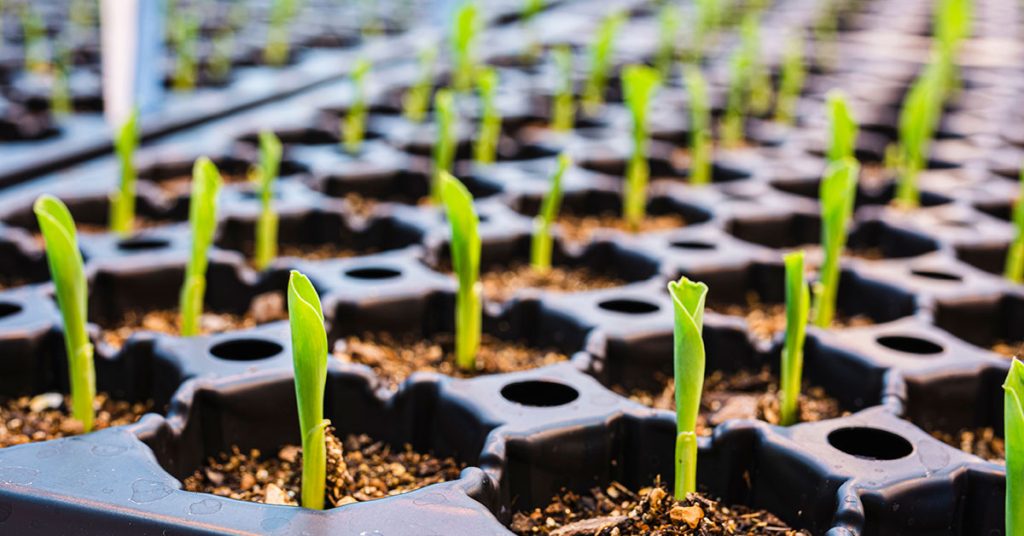
Different plant families use different nutrients in varying amounts. Leafy greens might suck up nitrogen, while root crops dig deep for phosphorus. If you grow the same plant in the same spot every year, you’ll eventually deplete specific nutrients and throw your soil out of balance. Crop rotation acts like a reset button, helping distribute nutrient demands more evenly.
I always follow up heavy feeders like corn or squash with legumes like bush beans or peas, which fix nitrogen and enrich the soil. Peas are native to the Mediterranean and Near East and aren’t invasive—just generous! By rotating crops with different nutrient needs, you reduce the need for synthetic fertilizers and give your soil a break.
Controls Pest Populations
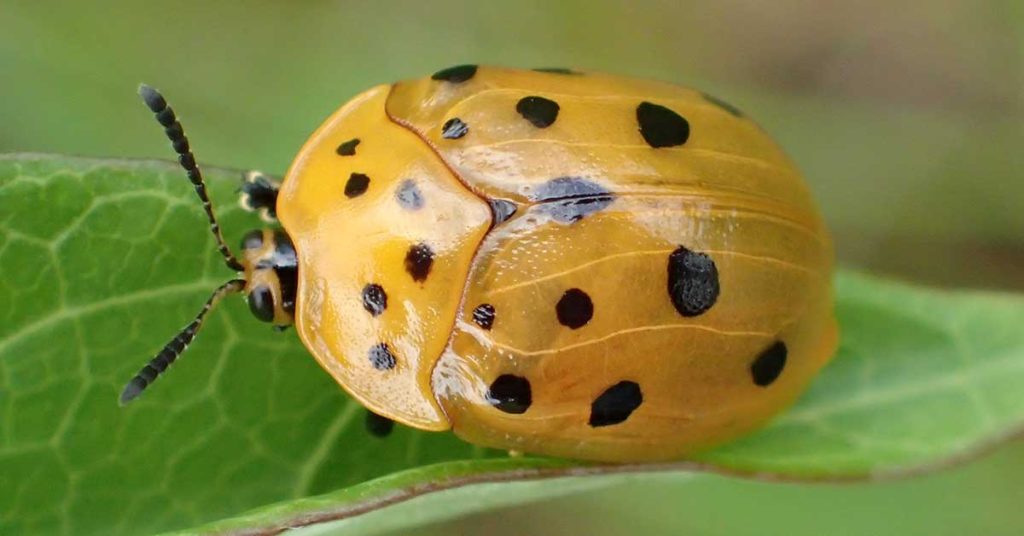
It’s such a bummer when your garden gets hit hard by pests—especially when they come back worse the next year! Insects like cucumber beetles, carrot flies, or corn rootworms overwinter in the soil and reappear when their favorite food crops show up again. By rotating where you grow each crop, you make it harder for these pests to find their next meal.
One season I rotated my cucurbits (cucumbers and squash) to a different bed and noticed a dramatic drop in striped cucumber beetles. Those pests just didn’t know where to go! Squash, native to the Americas, is not invasive but certainly popular with pests, so crop rotation helps protect it and reduce the need for chemical treatments.
Improves Soil Structure Over Time

Rotating crops with different root systems keeps your soil healthier and less compacted. Deep-rooted crops like carrots or parsnips help break up the subsoil, while shallow-rooted lettuces and herbs leave the surface undisturbed. This natural tilling action promotes aeration and water infiltration—two things that are crucial for summer growth.
I’ve seen how planting daikon radishes—native to East Asia and not invasive—can really help with compacted beds. These large taproots drill deep and loosen the soil for the next crop. Plus, when left to flower, they draw in loads of pollinators and beneficial insects! Healthy soil structure is a long-term game, and crop rotation is a key player.
Makes the Most of Cover Crops
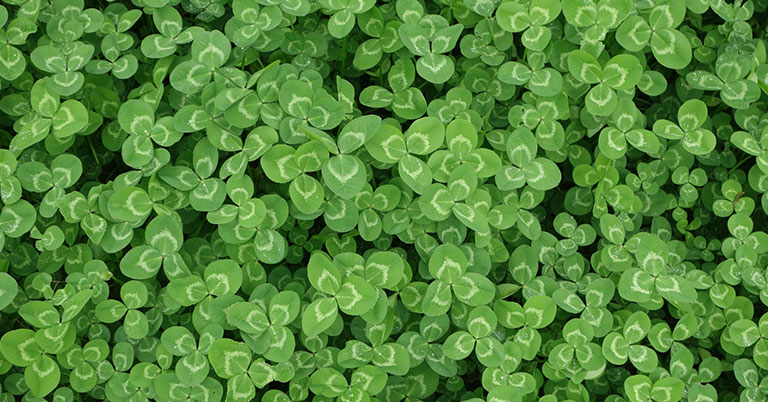
Summer is often when we’re thinking about warm-season vegetables, but don’t forget about cover crops! Rotating in green manures like buckwheat or clover before your summer planting can fix nitrogen, suppress weeds, and create organic matter that your next crop will love.
Clover, which is native to Europe and central Asia, isn’t invasive in most gardens and plays well with others. It attracts pollinators with its small, nectar-rich flowers and can even offer ground cover for nesting insects like native bees. Timing a cover crop between main crop rotations is one of my favorite tricks for building soil and supporting biodiversity.
Prevents Nutrient Burnout in Key Spots
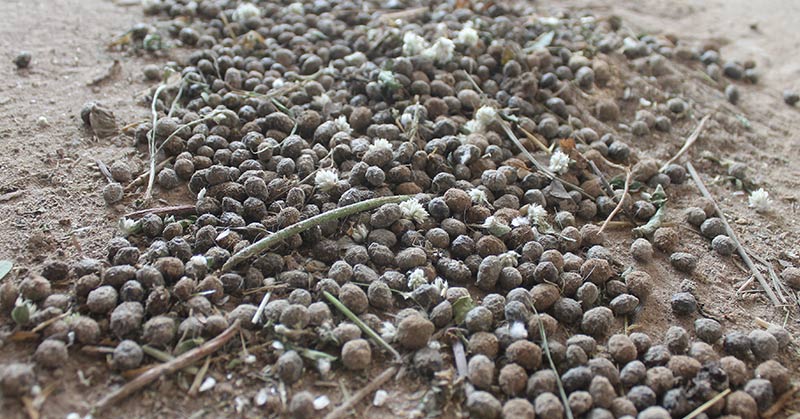
Repeatedly planting nutrient-hungry crops in the same place will eventually lead to burnout. Your soil can only give so much before it’s drained, and even compost or fertilizer won’t completely fix the imbalance. Rotation helps prevent this kind of depletion by spreading the load across the garden.
Corn is a perfect example. It’s native to Mesoamerica and not invasive, but it’s an absolute glutton for nitrogen! If you plant it in the same bed year after year, your soil will struggle. Following it up with legumes or low-demand crops lets the soil recover naturally and prevents long-term damage.
Encourages More Biodiversity
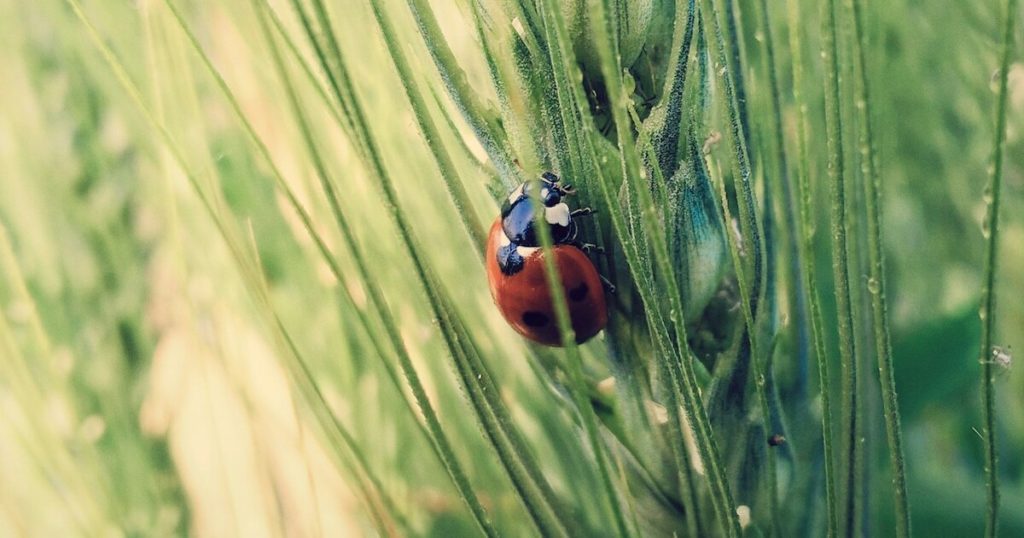
Different crops attract different kinds of insects—some helpful, some not so much. When you mix things up with crop rotation, you automatically invite a broader range of beneficial insects to your garden. Predatory wasps, ladybugs, lacewings, pollinators—all of them benefit when your garden isn’t a monoculture.
Leafy herbs like dill and fennel, both native to the Mediterranean and not invasive, are amazing for this. I like to plant them where I previously grew tomatoes or beans, and they bring in hoverflies, which lay eggs near aphid colonies. This rotation trick doesn’t just help your crops—it builds a whole ecosystem!
Boosts Overall Garden Resilience
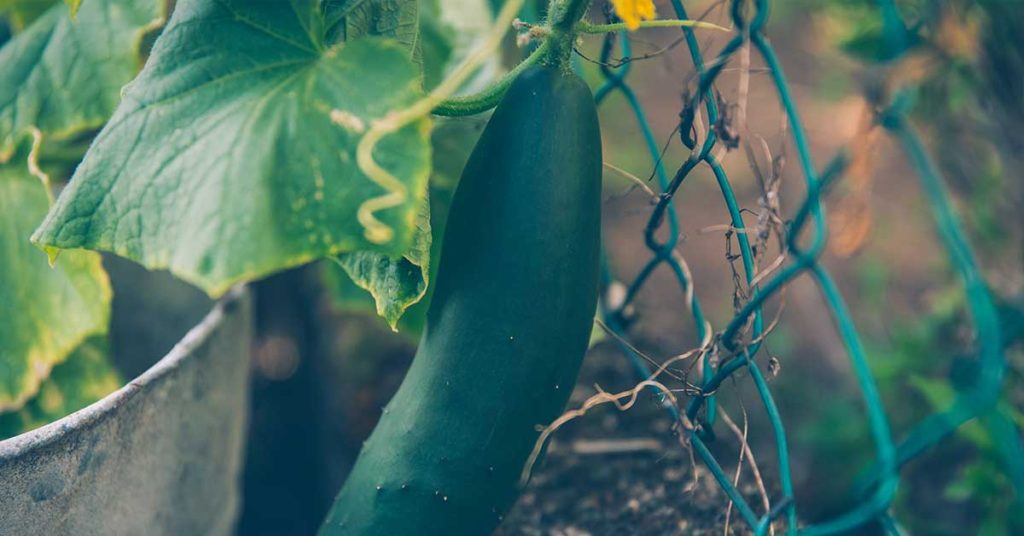
If your garden always grows the same thing in the same place, it becomes predictable—and unfortunately, so do your problems. Rotation keeps things dynamic and helps your garden adapt better to weather changes, disease risks, and new pest arrivals.
I once had an entire bed of cucumbers wiped out by downy mildew, but the next year, rotating in garlic and onions—both native to Central Asia—helped keep the soil drier and reduced recurrence. A more resilient garden is a more enjoyable one, especially when the summer heat tries to stress everything out.
Enhances Pollinator Foraging Patterns
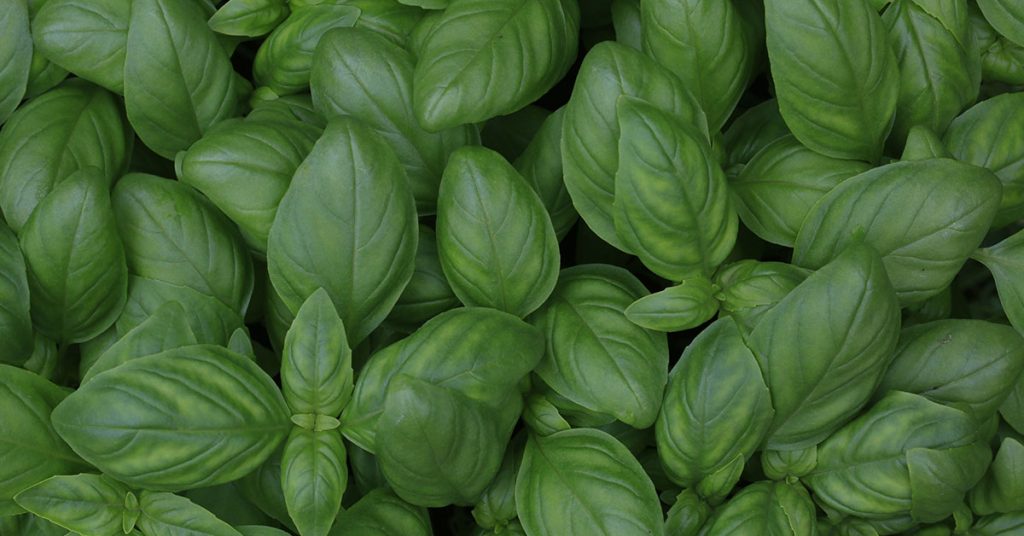
This might sound unexpected, but crop rotation can influence how pollinators behave in your garden! If you rotate in more flowering vegetables or companion flowers between main crops, you create new foraging routes for bees and butterflies—and help spread pollination around more evenly.
For example, rotating in flowering basil or letting some of your bolted lettuce bloom can create a buzzing summer corner that’s irresistible to pollinators. Basil, native to tropical Asia, isn’t invasive, and its flowers are loved by bees and tiny beneficial wasps. Mixing up where you place these flowering crops ensures the whole garden gets attention!
Gives You Better Data for Garden Planning

Keeping track of your rotations helps you learn which combinations work best in your space. Over time, you’ll figure out which crops pair well, which ones recover soil best, and which rotations lead to the strongest harvests. It’s incredibly empowering to have that kind of data at your fingertips.
I started mapping my rotations on paper (and now digitally), and it’s changed how I garden. For example, after rotating lettuce, carrots, and peas through one bed, I noticed fewer pest problems than when I repeated peppers in the same spot. Peppers, native to the Americas, love warmth but hate root stress—and they really benefit from being moved around!
Prevents Weeds From Taking Over
Crop rotation doesn’t just confuse pests—it also disrupts weed cycles. Certain crops, especially those with dense canopies or fast growth, can help suppress weeds when rotated into weedy areas. Strategic rotation can act as a living mulch while keeping soil active and covered.
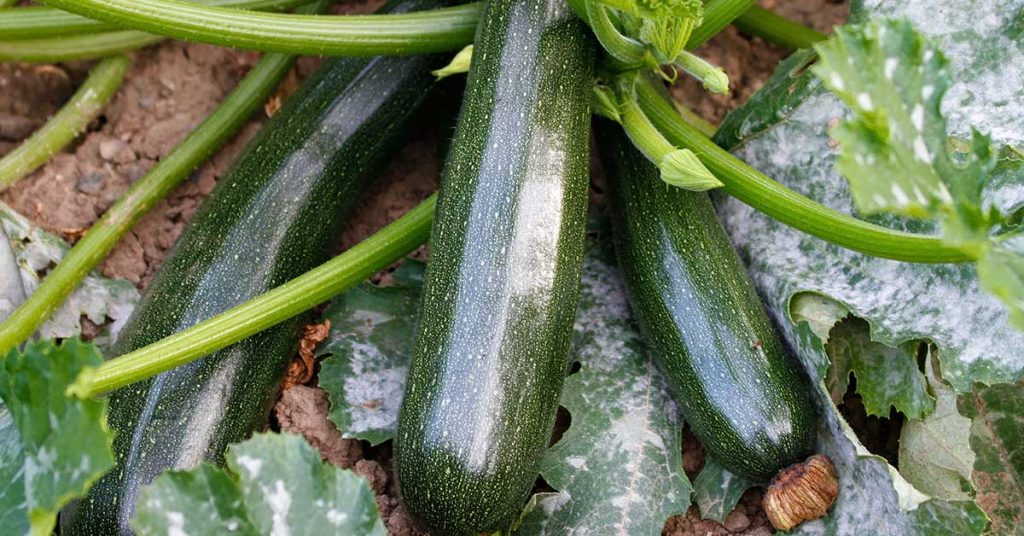
Zucchini, for instance, with its broad leaves and sprawling habit, is native to the Americas and not invasive in home gardens. I love rotating it into beds that were struggling with weeds the previous year. It shades out invaders and gives your soil a break from all that hand-pulling or hoeing!