

As May winds down, your garden stands on the brink of a riotous summer display. Those early-season blooms have set the stage, and now’s the time to give them one last boost before they sprint into the height of summer! I know how exciting it is to see buds unfurling—and how deflating when a late frost or overlooked chore sends your favorite perennials into a slump. Let’s ensure your garden stays vibrant, healthy, and buzzing with life.
Over the years, I’ve learned that a well-timed round of care can mean the difference between so-so flowers and a jaw-dropping spectacle. From nurturing soil microbes to welcoming solitary bees that nest in bare earth, these eleven tasks will have your blooms thanking you all season long. Roll up your sleeves and get ready for a garden that dazzles well into July and beyond!
Keep an Eye on Soil Moisture Patterns

By late May, warming temperatures can turn once-damp beds into dustbowls overnight. Use a simple finger test—insert it an inch into the soil—to gauge when to water deeply. I once returned from vacation to wilting coneflowers (Echinacea purpurea, native to North America and non-invasive) because I over-relied on a timer instead of checking moisture manually!
Consistent moisture at root depth encourages strong, drought-resilient growth and deters shallow roots that suffer in midsummer heat. Plus, slightly moist soil attracts ground-nesting solitary bees, which emerge this time of year in search of mud to construct their nests—so you’re supporting your blooms and the little pollinators that help them thrive!
Stake and Support Top-Heavy Bloomers
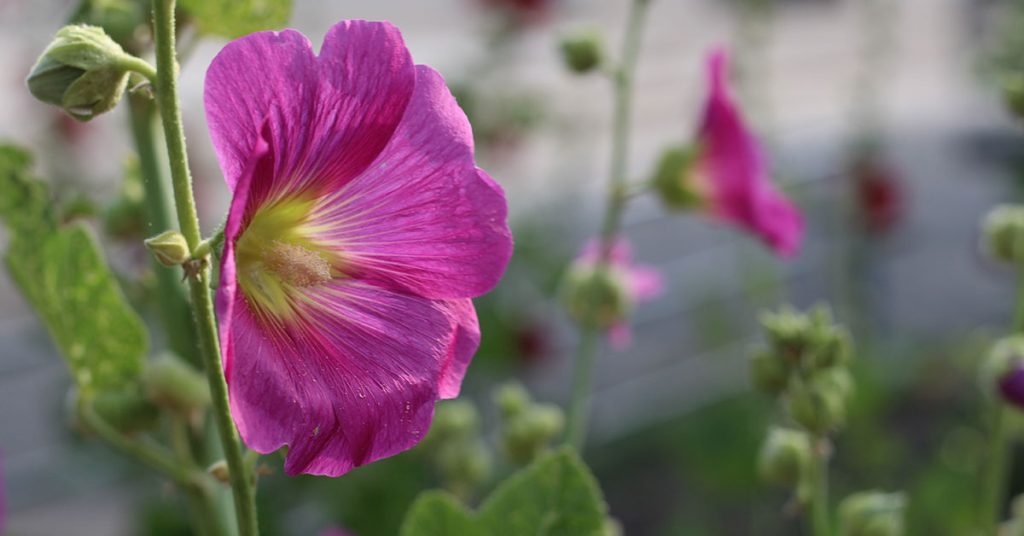
Tall annuals and perennials—like hollyhocks (Alcea rosea, native to Asia and naturalized but not overly invasive) and delphiniums (Delphinium spp., native to Europe and Asia, non-invasive)—often start to lean under the weight of burgeoning blossoms. Install stakes or tomato cages now to avoid broken stems later. I learned this after a storm snapped several of my sunset hyssop plants!
A sturdy support system also prevents buds from resting on damp soil where fungal spores lurk. Better posture means more impressive flower displays and less time spent corraling floppy stems mid-season!
Apply a Balanced Top-Dress of Compost

Late May is prime time to spread a half-inch layer of well-rotted compost around perennials and annuals alike. Compost enriches soil structure and supplies a slow-release cocktail of nutrients. One of my favorite spring rituals, it ensures lupines (Lupinus spp., native to North America and non-invasive) and foxgloves (Digitalis purpurea, native to Europe but potentially self-seeding) get the nourishment they need for sustained blooming!
As compost breaks down, it attracts earthworms whose tunneling aerates the soil, improving drainage and root access. That dynamic underground network supports stronger stems and bigger blooms when midsummer’s heat arrives.
Deadhead Early-Blooming Flowers
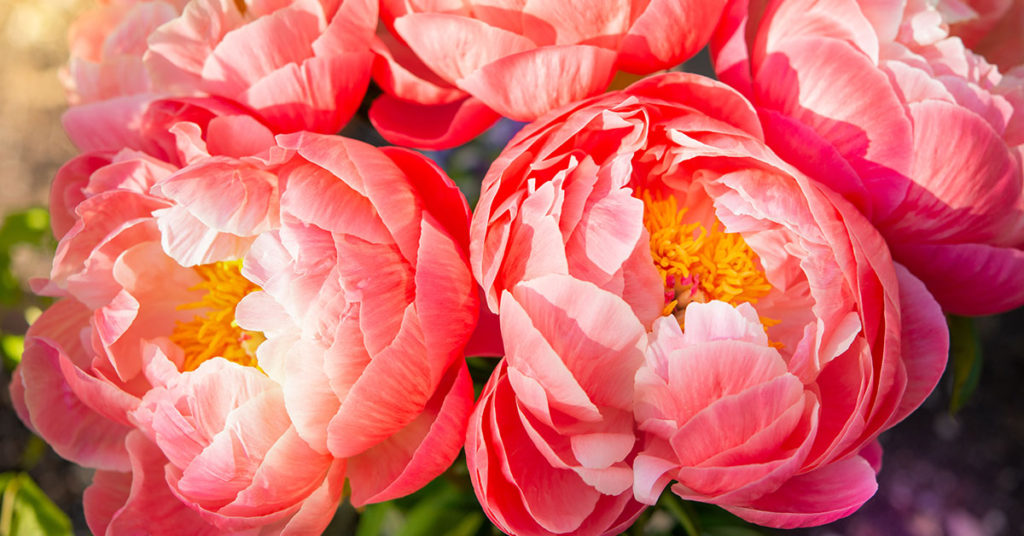
Removing spent blooms—like those on peonies (Paeonia lactiflora, native to Asia, non-invasive) and poppies (Papaver spp., native to Eurasia, often self-seeding but not aggressive)—directs energy into new bud formation instead of seed production. I used to let my poppies go to seed and ended up with a forest of volunteers! Now I deadhead weekly and enjoy tidier beds and more successive blossoms.
Deadheading also reduces hiding places for slugs and earwigs that can munch on tender shoots. Tidier plants breathe easier, too, lowering the risk of powdery mildew in humid weather.
Scout and Treat Early Pest Infestations
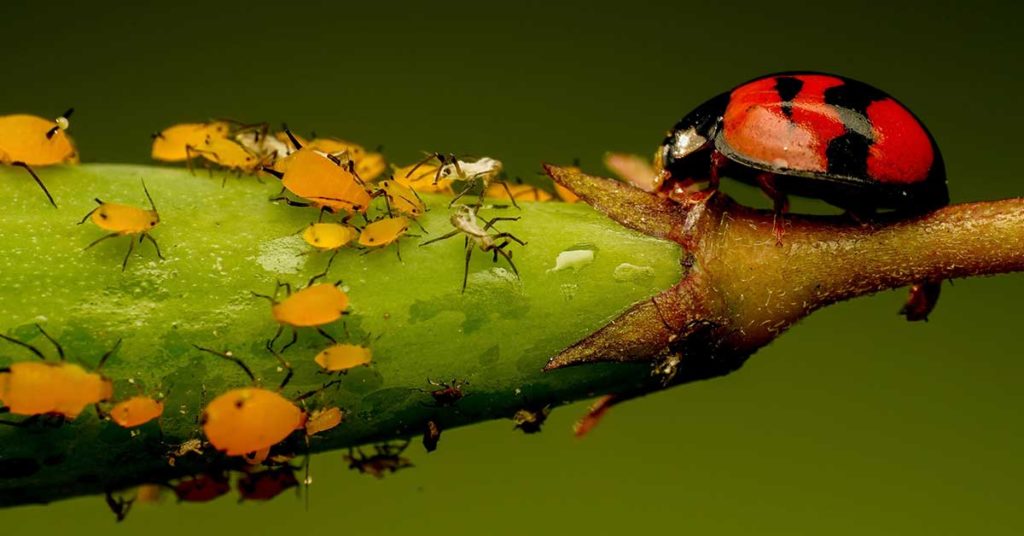
May heralds the arrival of aphids, thrips, and caterpillars that can decimate buds before they open. Inspect undersides of leaves and flower buds twice a week. A gentle blast of water or a spot treatment of insecticidal soap nips small populations in the bud—saving you hours of damage control later!
Encouraging beneficial ladybugs and lacewings by interplanting dill or yarrow gives you natural allies. Those predators often nest in undisturbed ground nearby, so minimal tillage and a little leaf litter at the garden’s edge is a win-win.
Mulch to Conserve Moisture and Suppress Weeds
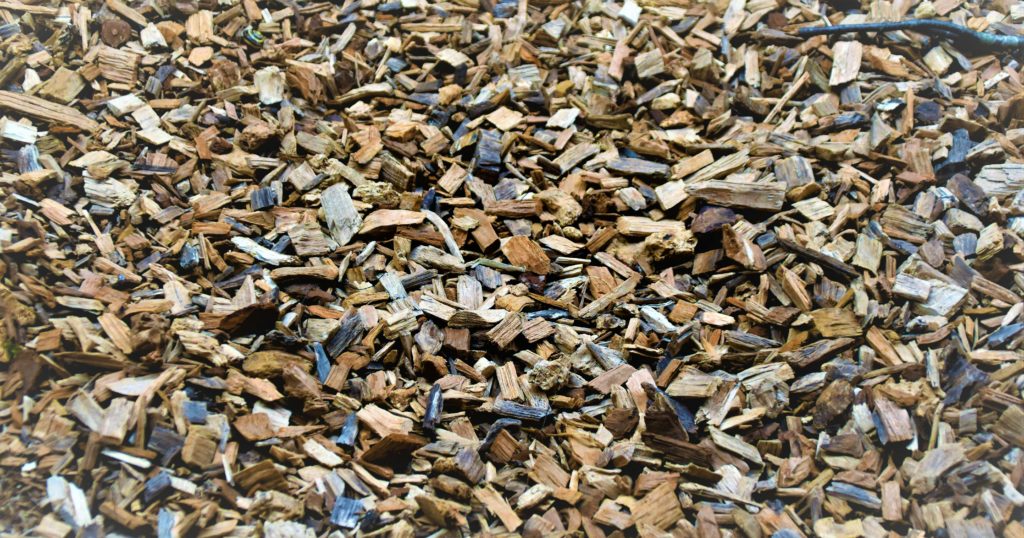
A two-inch layer of organic mulch—shredded leaves, straw, or bark chips—around the base of your flowers locks in moisture and keeps competing weeds at bay. I mulch around my black-eyed Susans (Rudbeckia hirta, native to North America, non-invasive) in late May every year and spend far less time weeding during peak bloom!
Mulch also moderates soil temperature swings, protecting shallow roots from stress as nights cool and days heat up unpredictably. You’ll free yourself from daily weed patrols and give pollinators clear flight paths to your blossoms.
Prune for Improved Air Circulation
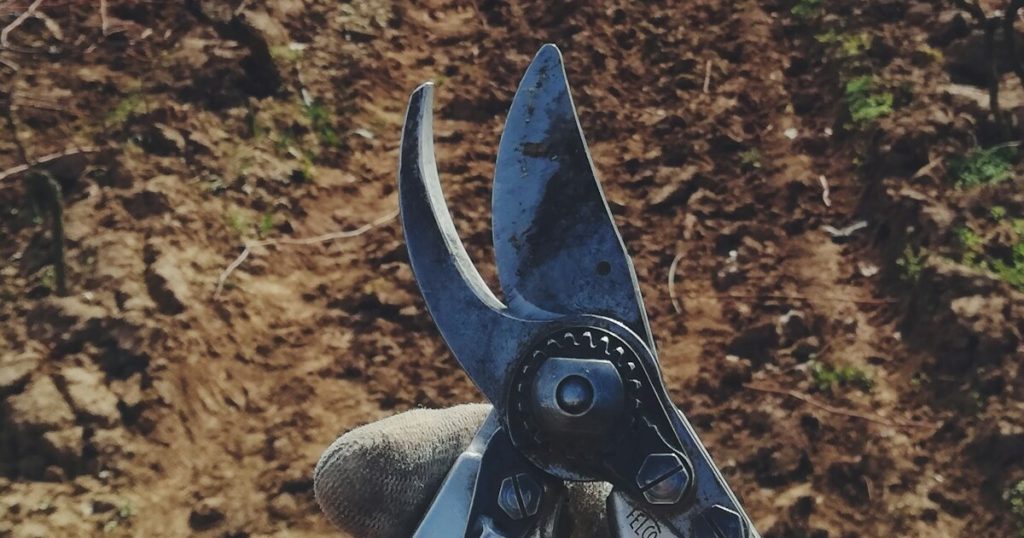
Thinning out congested branches in shrubs like butterfly bush (Buddleja davidii, native to Asia and potentially invasive in some regions—opt for non-invasive cultivars) opens the canopy to breeze and sunlight. I trim crossing stems and old wood in late May, which reduces mildew and encourages more flower-bearing shoots.
Better airflow keeps flowers fresher and deters fungal spores. And when your blooms stay airy and open, hummingbirds and butterflies find landing sites more easily—boosting pollination and visual drama!
Apply Phosphorus-Rich Bloom Booster

Phosphorus is key for bud formation. A light application of bone meal or rock phosphate around rose bushes (Rosa spp., native to Europe and Asia, some species naturalize but rarely invasive) and other heavy bloomers ignites bud set without encouraging leafy overgrowth. I sprinkle mine in early May and watch bud clusters fatten within weeks!
Aim to work the amendment into the topsoil gently, then water in to activate uptake. Balanced nutrition now means bigger, longer-lasting flower flushes come July and August.
Introduce Companion Plants for Pollinator Support

Interplanting nectar-rich herbs like lavender (Lavandula angustifolia, native to the Mediterranean, non-invasive) or borage (Borago officinalis, native to the Mediterranean, self-seeding but manageable) ensures your flower beds stay buzzing. These companions flower abundantly in late May, drawing early pollinators that then visit your ornamental blooms.
One of my favorite combos is lavender beside cosmos (Cosmos bipinnatus, native to Mexico, self-seeding but not aggressive)—a colorful duo that sustains bees and butterflies. Those pollinator visits translate into fuller seed heads and more prolific flowering on adjacent plants!
Check and Adjust Soil pH if Necessary
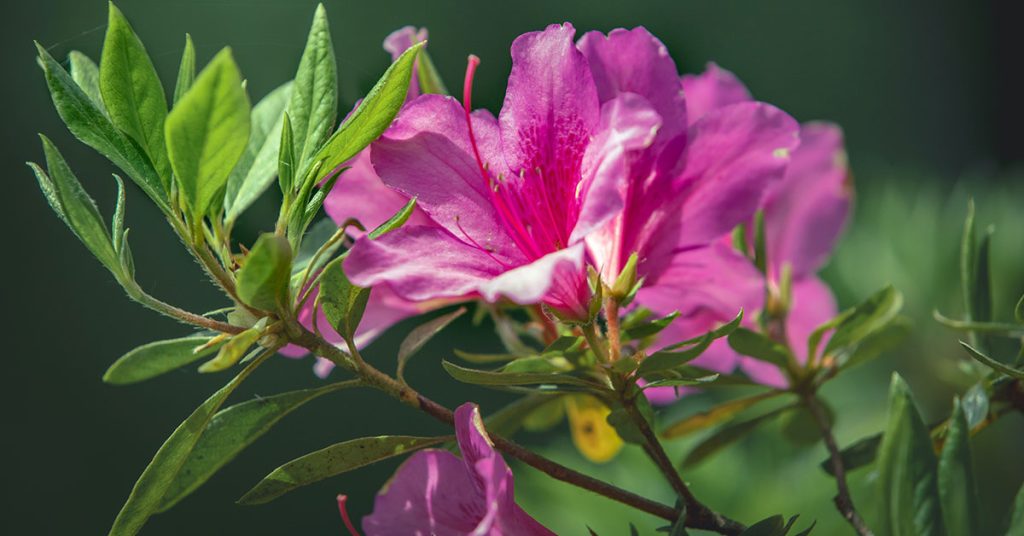
Most flowering plants—from azaleas (Rhododendron spp., native to Asia and North America, non-invasive) to zinnias (Zinnia elegans, native to Mexico, non-invasive)—prefer a pH between 6.0 and 7.0. A quick soil test in late May lets you tweak acidity with lime or sulfur before buds swell. I once corrected a low pH issue in my tulip bed, and the subsequent bloom was the showiest yet!
Proper pH unlocks essential nutrients, leading to stronger stems and more vibrant colors. Healthy soil chemistry underpins every flourish above ground.
Plant Summer-Blooming Annuals Now
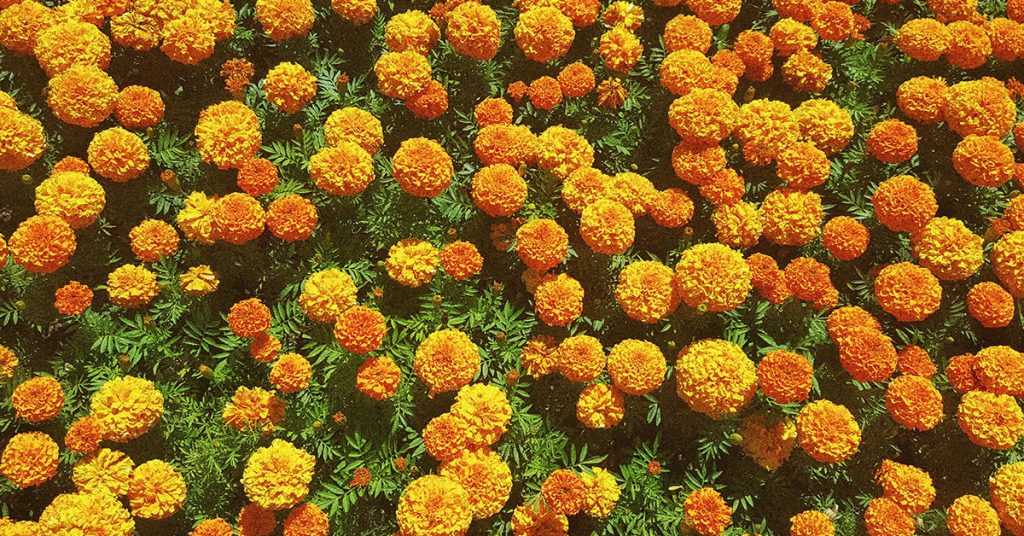
Late May is your last chance to transplant marigolds (Tagetes spp., native to Mexico, non-invasive), petunias (Petunia × atkinsiana, native to South America, sterile cultivars non-invasive), and zinnias for a summer-long show. I keep seedlings in trays until the soil warms fully—then tuck them in gaps among perennials to fill in the garden’s color palette.
Immediate planting ensures they establish roots before midsummer heat. Once settled, these annuals burst into bloom and provide continuous nectar for hummingbirds and hoverflies, which often nest in nearby reed bunches or hollow stems.