
May is the golden gateway between early spring’s tentative growth and summer’s full-throated bloom. After months of prepping soil and nurturing seedlings, now’s the time to supercharge your garden so that when June, July, and August roll around, your beds explode with color. I know how disheartening it can be to see sparse blooms when you’ve poured sweat and hopes into each plant—so let’s arm you with ten essential tasks that will set the stage for a spectacular summer display!
These steps balance nurturing new growth, managing pests, and creating the perfect environment for flowers to flourish. From enriching your soil with homemade compost to deadheading early buds, each practice helps your plants focus their energy on robust blooms. I’ve tried and tested every one in my own garden, and I’m excited to share these tips so you can spend less time troubleshooting and more time admiring pollinators nesting in the bare patches beneath your perennial clumps!
Improve Soil Structure with Homemade Compost

Healthy blooms start underground—rich, crumbly compost feeds roots and improves moisture retention without waterlogging. I mix finished kitchen scraps and shredded leaves into May’s warming soil, stirring down about two inches around perennials and annuals alike. This not only boosts levels of nitrogen, phosphorus, and potassium but also encourages earthworms whose tunnels aerate the root zone!
Many of our beloved summer flowers—like coreopsis (native to North America and non-invasive) and cosmos (native to Mexico, self-seeding but not invasive)—thrive on that fertile foundation. A well-amended bed means stronger stems, bigger blooms, and fewer struggles with drought or nutrient lock-up as temperatures climb.
Deadhead Spent Flowers
Snipping off faded blossoms redirects your plant’s energy into producing even more blooms instead of setting seed. I like to walk my beds weekly, pinching back the spent heads of roses (Rosa spp., native to Europe and Asia, some cultivars can naturalize but aren’t typically invasive) and daylilies (Hemerocallis spp., native to Asia and non-invasive) to keep a steady show of vibrant color!
Deadheading also tidies up your garden and reduces hiding spots for slugs and earwigs. And when you remove those old flowers, you’ll spot emerging buds sooner—nothing beats the thrill of seeing fresh petals unfurl where you least expect them!
Provide Support for Tall Stems

By May, delphiniums (native to Europe and Asia, non-invasive) and dahlias (native to Mexico, non-invasive) push skyward and risk toppling under their own weight. Installing stakes, cages, or rings now prevents broken stems when heavy buds swell. I secure each plant gently with soft ties, allowing room for growth without constriction!
Strong, supported stems also make it easier for hummingbirds and large bumblebees to visit tubular flowers—these pollinators often nest in nearby ground cavities or old wood piles. A sturdy framework means more pollination visits and fuller seed heads or fruit set!
Sow Succession Blooms for Long-Lasting Color
Rather than sowing all your zinnias or calendula at once, plant small batches every two weeks in May. That staggered schedule keeps fresh blooms coming well into fall! I’ve found that cosmos germinate quickly when direct-seeded in mid-May, giving me a continuous supply of delicate blossoms that attract butterflies throughout summer.
Succession sowing also fills any gaps created by slow-to-flower perennials, ensuring your beds never lose momentum. Plus, when new seedlings spark interest among solitary bees nesting in the bare soil, you’ll see an uptick in pollinator activity that benefits every plant around them.
Feed with Phosphorus-Rich Fertilizer

To encourage vigorous flowering, apply a phosphorus-heavy amendment like bone meal or rock phosphate in early May. Phosphorus supports bud formation and strong root systems—crucial for summer’s heat! I sprinkle a light handful around each rose and clematis (native to Europe and Asia, non-invasive in most gardens), gently working it into the topsoil before watering to activate nutrient uptake.
Avoid high-nitrogen feeds at this stage, which can spur leafy growth at the expense of flower production. With the right balance, your garden will burst into bloom rather than just filling with foliage!
Mulch to Retain Moisture and Suppress Weeds
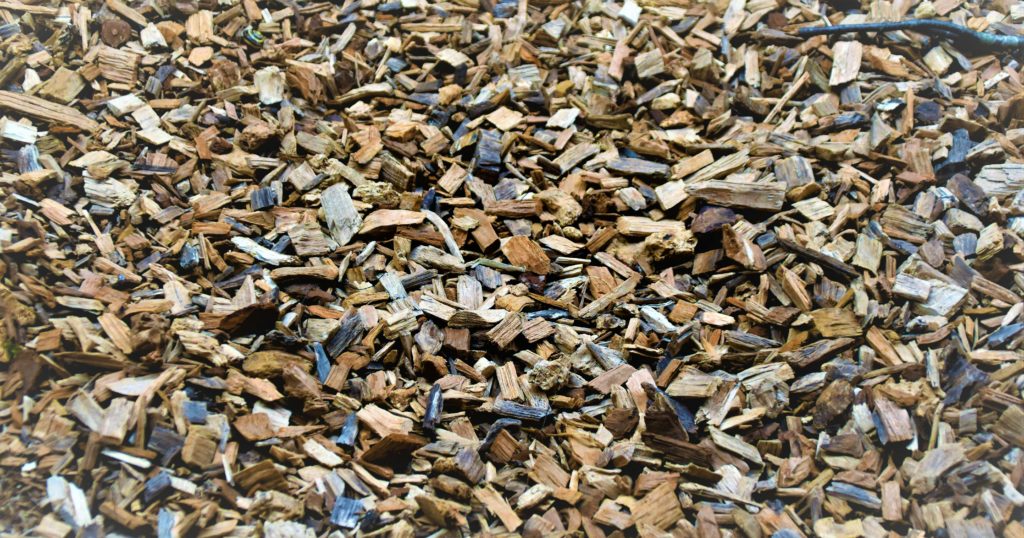
A two-inch layer of organic mulch—like shredded bark or leaf mold—locks in soil moisture and keeps competing weeds at bay. I spread mulch around the bases of coneflowers (Echinacea spp., native to North America, non-invasive) and black-eyed Susans (Rudbeckia hirta, also native and non-invasive), leaving a small gap at the crown to prevent rot.
Mulch also moderates soil temperature swings, reducing stress on newly emerging buds. When you’re free from daily weeding, you can marvel at the solitary bees burrowing in the uncovered earth along the mulch edge!
Prune for Airflow and New Shoots
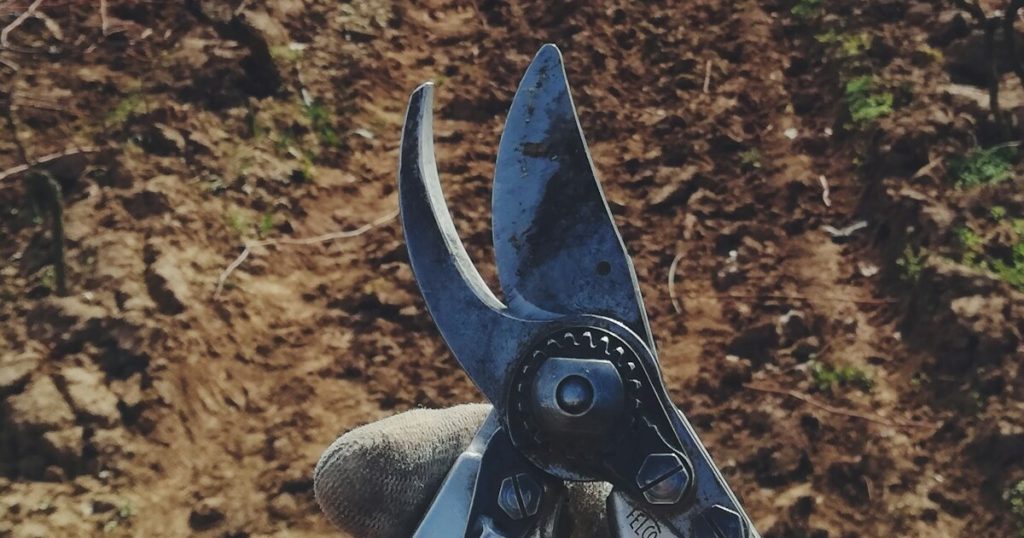
Lightly thinning the center of densely branched shrubs—like butterfly bush (Buddleja davidii, native to China and considered invasive in some regions—so choose a non-invasive cultivar!)—improves circulation and sunlight penetration. In May, I remove a few of last year’s thick stems, snipping back to an outward-facing bud to encourage fresh, flowering wood.
Better airflow keeps mildew at bay and helps blooms open fully. Plus, those new shoots often provide ideal nesting spots for tiny pollinators that chew into hollow stems, ensuring your garden hums with life!
Water Deeply in the Morning
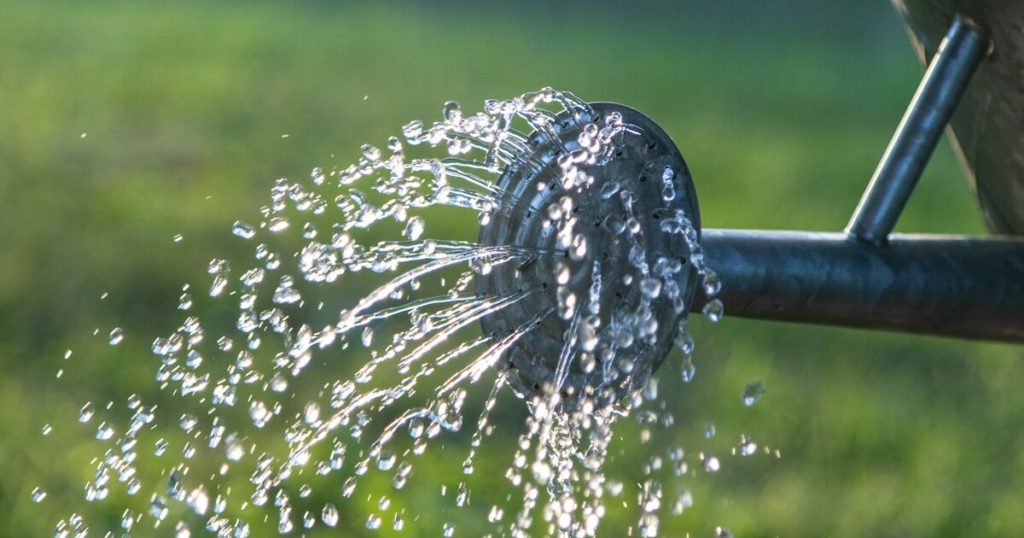
Giving your plants a thorough drink early in the day ensures water soaks into the root zone before the sun evaporates it. I aim for an inch of water per week—either from rainfall or irrigation—and use a moisture meter to confirm penetration. Deep watering promotes strong roots that resist summer drought and reduces surface wetness that can encourage fungal spores.
Moisture at root depth supports healthy leaf turgor and robust flower development. And when the soil dries slightly between waterings, you’ll see solitary bees emerge from underground burrows to seek out that precious moisture—another sign your garden ecosystem is balanced!
Scout and Address Pests Early
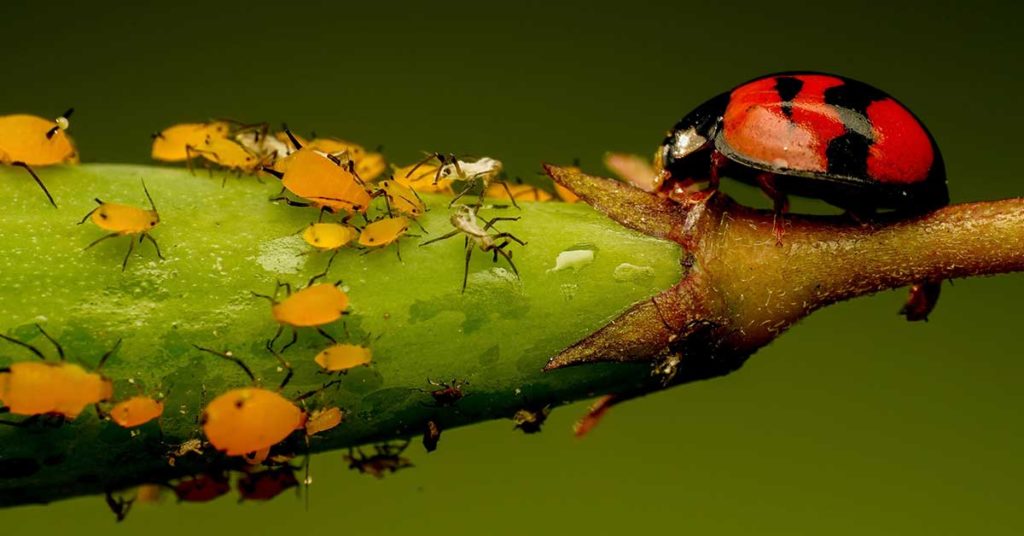
May’s mild weather brings out aphids, caterpillars, and slugs that can mutilate new buds before they open. I stroll my garden twice weekly, checking the undersides of leaves and the folds of new shoots. A quick blast of water or a targeted dab of insecticidal soap nips small infestations in the bud—saving hours of fighting a full-scale invasion later on!
Encouraging ladybugs and lacewings by planting marigolds (Tagetes spp., native to Mexico and non-invasive) nearby gives you natural pest control. These beneficial predators often nest in protected leaf litter, so keeping some debris at the garden edge fosters a self-regulating environment.
Plant Nectar-Rich Companions
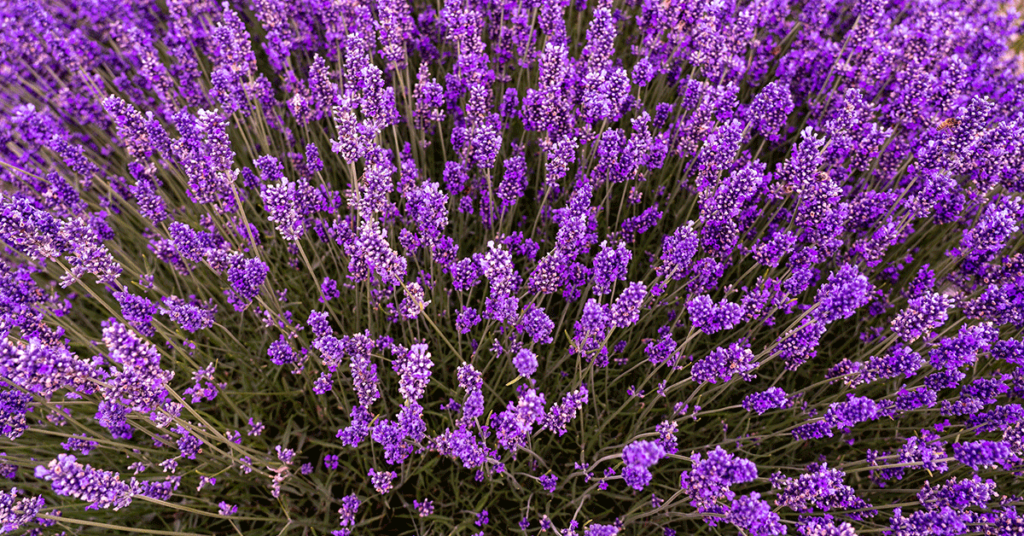
Interplanting lavender (Lavandula angustifolia, native to the Mediterranean, non-invasive) or bee balm (Monarda didyma, native to North America, non-invasive) among your flowering beds draws in hummingbirds, bumblebees, and butterflies. One of my favorite combos is lavender beside zinnias—both bloom summer-long and keep pollinators busy, which in turn boosts overall plant health!
Nectar-rich companions also provide shelter and staging areas for pollinators to rest between visits. Those steady visits translate into better pollination of fruiting plants like tomatoes and berries later in the season.