

Spring is the perfect time to breathe new life into your Echinacea garden. As the days warm and the soil thaws, these hardy perennials (native to central and eastern North America and thankfully non-invasive) awaken from winter dormancy, ready to burst forth with their signature daisy-like blooms. I know how thrilling it is to spot those first rosy petals breaking through—the anticipation of summer florals is simply electric! Yet even the toughest gardens need a little spring TLC to ensure robust growth and vibrant color.
It’s such a bummer when you’ve waited all winter only to find wilting crowns or sparse flowering. I’ve tended my own Echinacea beds for years, and I’m excited to share eleven springtime essentials that will have your plants thriving. From soil prep to pollinator pals, each practice helps your coneflowers shine—and maybe even invite a few solitary bees to nest in the bare patches beside them!
Companion Plant Allies

Pairing Echinacea with complementary perennials—like the airy foliage of Nepeta mussinii (catmint) native to southeastern Europe and non-invasive—creates a balanced ecosystem. Catmint’s long bloom time offers nectar when coneflower flowers are sparse, keeping pollinators busy throughout the season. One of my favorite pairings, this duo also deters pests: the scent of Nepeta can repel aphids that occasionally nibble on Echinacea leaves!
Companion planting goes beyond aesthetics. By interspersing low-growing groundcovers such as Thymus serpyllum (creeping thyme), also non-invasive, you suppress weeds that compete for moisture, and you create nesting sites for tiny ground-nesting bees. These solitary bees often burrow in dry, sunny soil nearby—so keeping the soil bare under your Echinacea clumps actually invites them to set up home and pollinate your blooms!
Spring Pest Watch

Even though Echinacea is generally pest-resistant, spring brings sneaky newcomers like aphids and slugs. Early morning inspections—checking under leaves and around the crown—help you spot sticky honeydew or slimy trails before infestations explode. I once caught a tiny cluster of aphids on fresh buds and blasted them off with a quick spray of water—saved me hours of battling a full-blown outbreak!
Keeping an eye out for leaf spots can also head off fungal issues. If you see yellowing or brown patches, remove affected foliage promptly and improve air circulation by thinning crowded stems. Not only does this reduce disease pressure, but it also keeps your plants looking neat and reduces the time you’d otherwise spend treating widespread problems!
Mulch for Temperature Regulation

A light layer of organic mulch—such as shredded bark or leaf mold—helps stabilize chilly spring soil temperatures around your Echinacea crowns. Temperatures fluctuate wildly in early spring, and a protective mulch blanket can prevent crown heaving (where freeze-thaw cycles push roots above ground). I sprinkle a two-inch layer around my beds each March, avoiding direct contact with stems to deter rot!
Mulch also conserves soil moisture as the weather warms, cutting down on water needs and reducing the hours you’d spend irrigating. Plus, as the mulch breaks down, it enriches the soil with organic matter—benefiting those deep coneflower roots that seek steady moisture without waterlogging!
Proper Plant Spacing
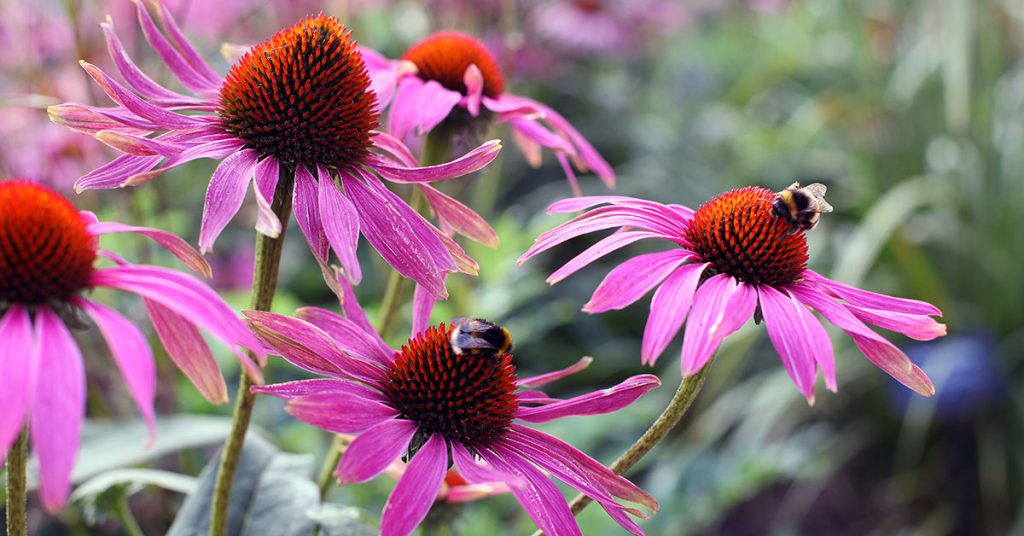
Crowding is a recipe for trouble: poor airflow invites mildew, and roots compete for nutrients. When transplanting or dividing your Echinacea (a spring task I love!), aim for at least 18–24 inches between crowns. I remember the frustration of a cramped bed where blooms were stunted and foliage yellowed—once I spread them out, each plant perked right up!
Generous spacing does more than prevent disease—it gives space for beneficial insects to patrol. Lacewings and ladybugs, drawn to open areas, can nest in the sheltered soil gaps and feast on pests before they reach your blooms. Your garden becomes a self-regulating habitat instead of a battleground!
Pollinator Guests

Echinacea’s nectar-rich blossoms are magnets for bees, butterflies, and even hummingbirds! In spring, small solitary bees often emerge first, seeking pollen and tiny cavities in dry stems for nesting. I always leave a few spent coneflower stems intact after winter—they become prime real estate for these early pollinators!
To encourage repeat visits, install a shallow water dish with pebbles nearby. Pollinators need water, too, and those tiny bees love perching on stones while sipping—no more frantic mid-day fetches when you see bees hovering in distress. A well-watered pollinator population means fuller seed heads and more vigorous blooms!
Spring Pruning and Deadheading
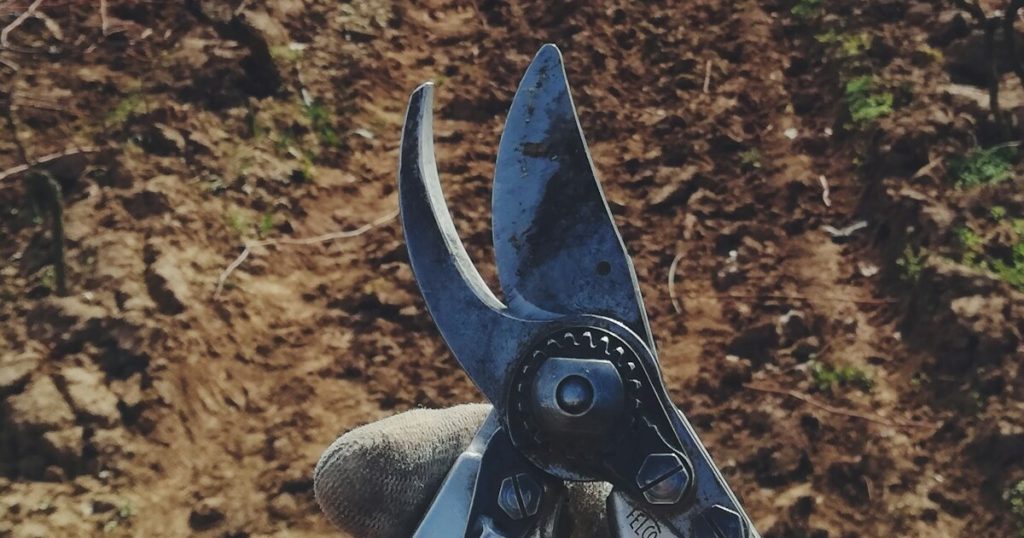
As new shoots appear, trim away old stalks and spent blossoms to redirect energy into fresh growth. I wait until sturdy green shoots rise above the faded stems, then snip back to just above a healthy leaf node. This routine not only tidies your beds but also keeps plants from expending resources on seeding too early!
Deadheading spent flowers encourages a second bloom in late summer and prevents self-seeding in areas where you’d rather maintain neat clumps. It’s such a thrill to watch fresh heads swell once those old cones are removed—like giving your plants a motivational boost!
Loose, Well-Draining Soil

Echinacea thrives in soil that’s rich yet drains quickly—too much clay or compaction leads to soggy crowns and rot. Early spring, I gently fork around each plant, breaking up crusted soil and incorporating coarse sand or fine gravel. It’s a little elbow grease that pays dividends: stronger, deeper root systems that handle summer drought with ease!
Additionally, looser soil warms up faster, kick-starting early growth and letting pollinators find those first blooms sooner. Faster warming also means less time spent battling muddy beds when you’re eager to plant seedlings nearby.
Full Sun Exposure

Nothing saps coneflowers like a shady patch. Echinacea needs at least six hours of direct sun each day for vibrant petals and sturdy stems. If you’ve planted under a tree canopy or near tall shrubs, consider relocating to a sunnier spot this spring. I once rescued a pale, floppy patch by moving it to the south side of my shed—within weeks, the foliage was an intense emerald green, and the flowers stood tall!
Sunlight also energizes essential oil production in leaves and stems, making your garden smell delightfully herbal when you brush past. And those radiant blooms appear earlier in full sun, giving pollinators—and you—more days of enjoyment!
Organic Compost Top-Dress

Boost spring growth by sprinkling a half-inch layer of well-rotted compost around each plant—without burying the crown. I apply compost in early April, and I love seeing the shoots push up through the dark, crumbly layer! Compost delivers balanced nutrients slowly, avoiding the leafy, floppy growth that synthetic fertilizers can trigger.
As the compost works its magic, it also attracts earthworms, whose tunnels improve soil aeration and drainage. Those tunnel networks let water reach roots more efficiently, saving you from frequent watering and reducing runoff!
Early Spring Fertilization
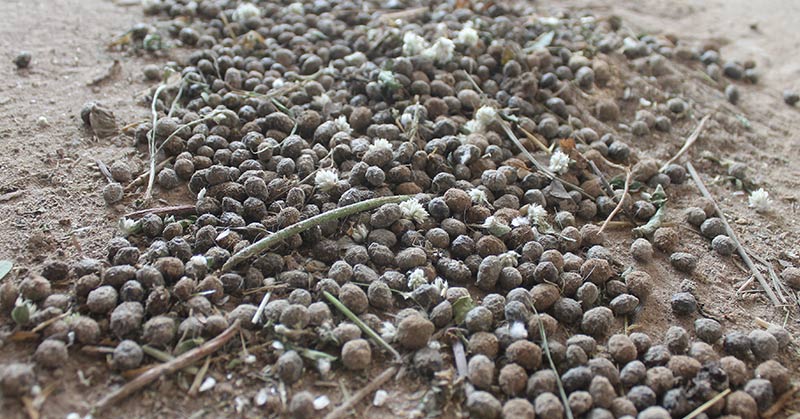
If your soil test shows low phosphorus, a light application of bone meal or rock phosphate in early spring can jump-start flower bud formation. I once had a bed of coneflowers that produced lush foliage but few blooms—one tablespoon of bone meal per plant solved the puzzle!
Phosphorus encourages strong root systems, too, making each plant more drought-resilient come summer. Just be careful not to overdo it—excess can harm beneficial soil microbes. A little goes a long way, and you’ll avoid spending extra time correcting nutrient imbalances later.
Consistent Moisture (But Not Waterlogged)

While Echinacea tolerates some drought, newly emerged shoots need even moisture to establish robust roots. I water deeply once or twice a week in spring—enough to moisten the top 6 inches of soil—then let the surface dry slightly. That routine mimics natural spring rains without leaving the crown sitting in puddles!
Mulching helps retain that moisture and reduces evaporation, so you spend less time dragging hoses around. And when those well-hydrated roots dive deep, your coneflowers stand strong through heat waves—no frantic last-minute watering sessions required!