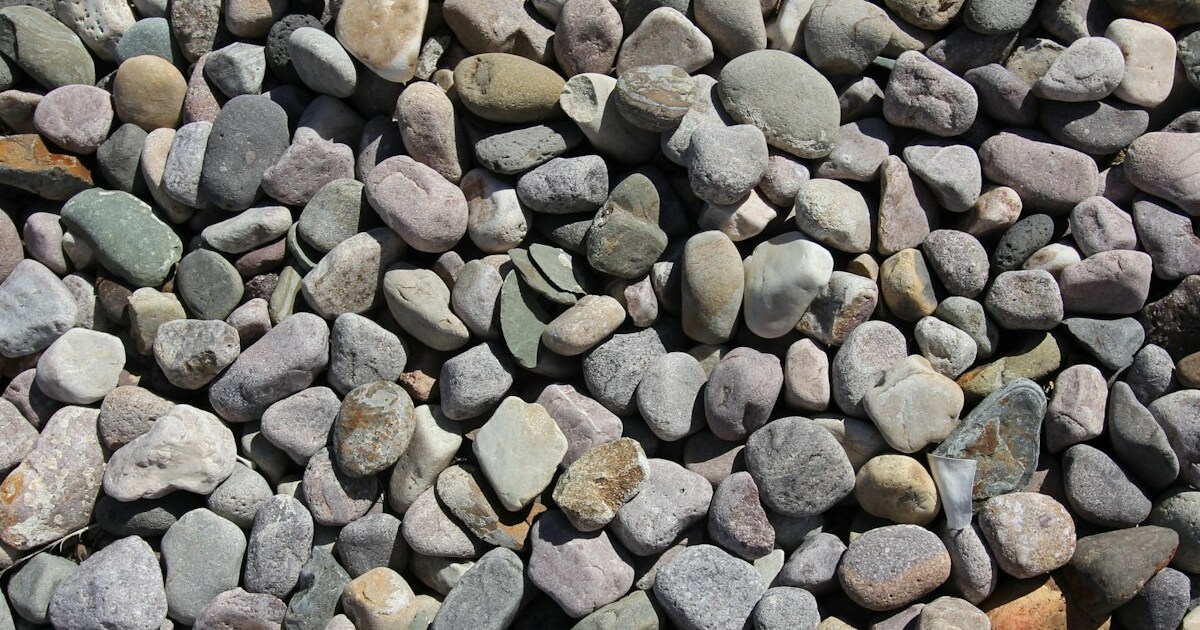

Xeriscaping transforms your yard into a water-wise, low-maintenance oasis by embracing drought-tolerant plants, efficient irrigation, and thoughtful design. As water restrictions tighten and utility bills climb, it’s such a relief to discover a landscaping approach that protects both your wallet and the environment. Whether you’re tired of dragging hoses across a thirsty lawn or frustrated by hours spent weeding, xeriscaping offers a smarter way to cultivate beauty without the constant upkeep.
From selecting native species to incorporating rock mulches, xeriscaping reduces the chores that eat up your weekends. I know how disheartening it is to watch sprinkler systems run dry and hear complaints about patchy grass. By shifting to resilient plants—many of which are non-invasive and perfectly adapted to their regions—you’ll spend less time watering and more time enjoying your garden’s vibrant textures and wildlife guests!
Support for Pollinators and Beneficial Insects
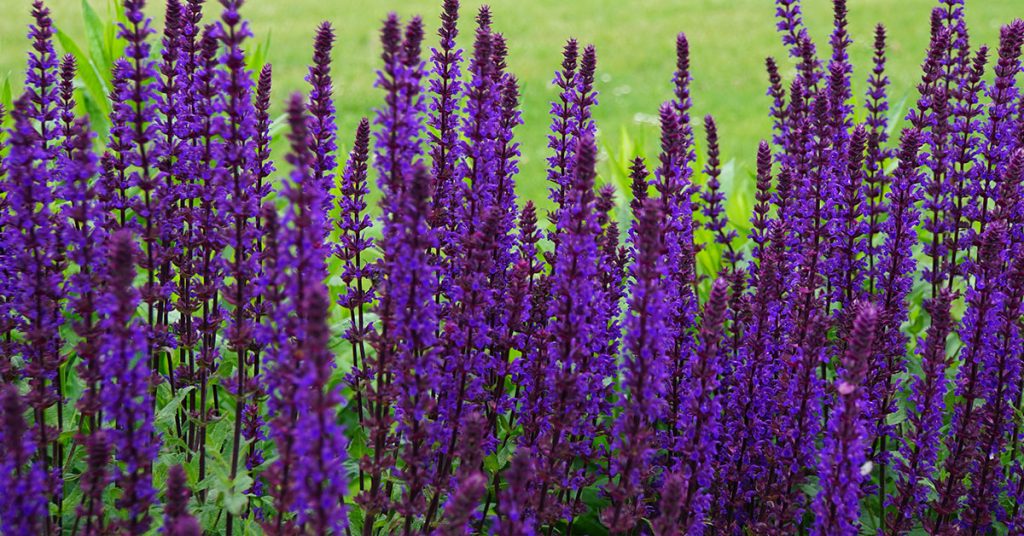
Planting a palette of nectar-rich xeric blooms like Salvia greggii (autumn sage), native to the southern United States and not considered invasive, turns your landscape into a buzzing haven for hummingbirds and bees! One of my favorite plants, autumn sage unfurls red tubular flowers that feed hummingbirds and provide shelter for tiny solitary bees, which nest in bare patches of soil or hollow stems. It’s a joy to watch these pollinators flit among the blooms without worrying about overwatering or fungal issues.
Beyond the visual delight, welcoming these helpers means fewer pests on your shrubs and ornamentals. I know how discouraging it can be to find aphids stripping your roses or scale insects stunting new growth. By keeping beneficial insects close at hand, xeriscaped gardens gain a natural pest-control team, saving you money on sprays and time spent repeatedly treating infestations!
Fire-Resistant Landscape Features

In fire-prone regions, xeriscaping’s emphasis on low-fuel plantings—like Aloe vera, native to the Arabian Peninsula but non-invasive when cultivated properly—can create defensible zones around your home. The succulent, water-filled leaves of aloes resist flame spread, and their compact rosettes form attractive borders that require almost no supplemental irrigation. One of my favorite strategies is interspersing succulents with stone pathways to break up continuous vegetation that might carry fire.
Knowing that each plant choice contributes to safety is incredibly reassuring! I’ve been there—worried about a spark during a windy afternoon—so designing with fire resistance in mind not only cuts down on watering but also offers peace of mind. And when you invest in durable hardscape elements like gravel beds or decomposed granite, those paths stay pristine without constant upkeep.
Reduced Water Bills

Swapping thirsty turf grass for Bouteloua gracilis (blue grama grass), native to North America and not invasive, can slash outdoor water use by up to 60%! Blue grama grass forms a soft, prairie-style lawn that only needs occasional hydration once established. I remember the shock of my first summer water bill—I knew there had to be a better way, and blue grama answered that call beautifully.
This dramatic drop in consumption directly translates into monthly savings. Instead of scheduling irrigation every other day, I now only water deeply a handful of times each season! With rates on the rise, your wallet will thank you, and you’ll rest easier knowing your landscape respects local water resources.
Longevity of Drought-Adaptive Plants
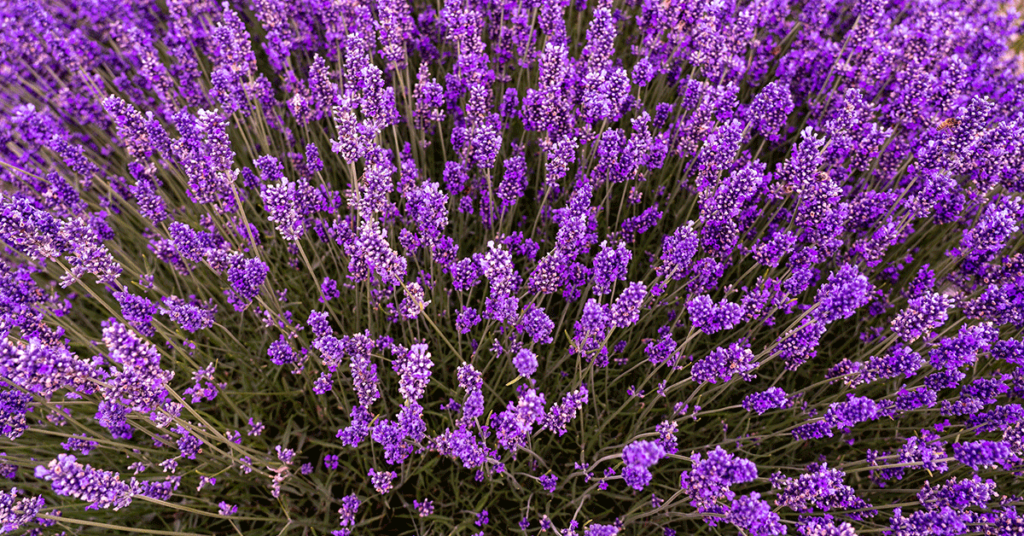
Choosing species adapted to arid climates—like Lavandula angustifolia (English lavender), native to the Mediterranean and generally non-invasive—means planting perennials that thrive year after year. Lavender’s silvery foliage and fragrant flower spikes can withstand hot, dry summers with minimal care. One of my all-time favorites, lavender often surprises me by reblooming in late summer if given just a bit of pruning after the first flush!
Because these plants naturally endure harsh conditions, they develop robust root systems that resist rot and stress. That resilience spares you replacement costs and frees up time you’d otherwise spend replanting or nursing fragile specimens back to health.
Lower Pest and Disease Pressure

Xeriscape selections like Muhlenbergia rigens (deer grass), native to the American Southwest, are seldom troubled by common garden diseases or hungry critters—deer grass isn’t invasive and often goes unnoticed by browsing deer! When you plant species accustomed to lean environments, you avoid the fungal rots and insect outbreaks that plague overwatered gardens.
I’ve lost count of how many times I skipped the fungicide spray and still watched my shrubs stay healthy! That extra time not spent diagnosing diseases or chasing pests means more afternoons sipping lemonade under a shady pergola, not hunched over wilted leaves.
Enhanced Curb Appeal Seasonally

Incorporating color-pop spurge, ornamental grasses, and stonework creates year-round interest without calendar-driven planting schedules. Euphorbia characias (Mediterranean spurge), native to southern Europe and not invasive in controlled settings, offers chartreuse blooms in early spring, followed by architectural seedpods that last into winter. One of my personal standouts, Mediterranean spurge weathers cold snaps and heat waves with equal grace!
Rotating a few accent boulders or gravel hues keeps the composition fresh from season to season. You’ll spend less time swapping out annuals and more time admiring a dynamic landscape that evolves naturally—no last-minute nursery runs required.
Minimal Maintenance Effort

Gravel mulches, stone pathways, and self-sufficient perennials create a garden that thrives with a quick seasonal check-up—no weekly weeding marathons needed! With well-placed plants like Agastache rupestris (sunset hyssop), native to the mountains of Arizona and not invasive, you get months of fragrant, nectar-packed flowers without pruning every few weeks. Sunset hyssop’s upright stems even offer nesting sites for tiny native bees!
I can’t tell you how great it feels to mow a gravel bed instead of fighting grass runners. And when I do tidy up spent blooms, it’s a delightful ten-minute task rather than a full afternoon chore. That’s time back in your weekend to kick back and enjoy your beautiful, strategically designed oasis.
Increased Property Value
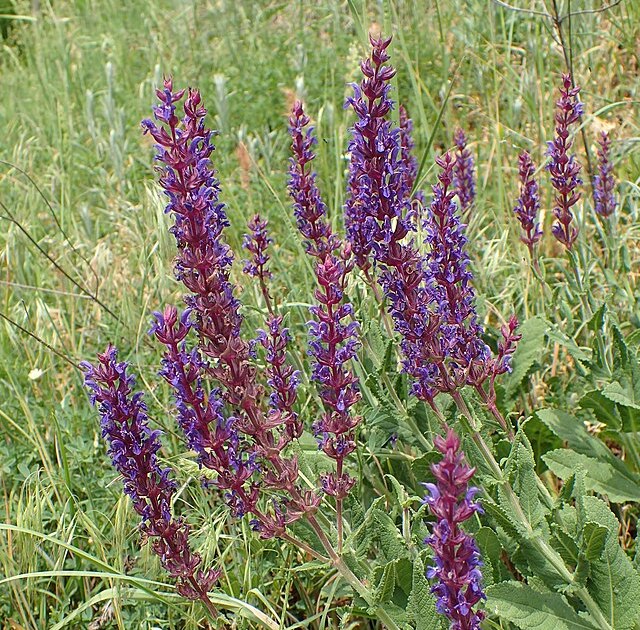
Homebuyers love low-maintenance landscapes, especially in drought-sensitive markets. Showcasing a thoughtfully xeriscaped yard signals long-term savings on water bills and lawn care. When a neighbor noticed my thriving Salvia nemorosa (wood sage), native to Europe but non-invasive in my region, she remarked on its tidy clumps of violet flowers that kept humming with butterflies well into fall!
That curb appeal pays dividends—many real-estate studies report that sustainable landscaping can boost resale value by as much as 5%. It’s not just a pretty face: it’s an investment that keeps appreciating while you enjoy it.
Soil Erosion Control

Strategic use of groundcovers and terraces in xeriscaping helps lock soil in place on slopes and prevents costly washouts. Sedum spurium (two-row stonecrop), native to northern Asia and not considered invasive, forms a sturdy mat that clings to rocky banks, absorbing rainfall and reducing runoff. One of my top erosion-fighters, stonecrop’s succulent leaves also discourage weeds from taking root.
By stabilizing soil naturally, you avoid repeated topsoil replacements and the endless clean-up after heavy rains. It’s such a relief to see those slopes hold firm without constant reinforcement—and to know you’re protecting your garden structure and budget!