

Pruning roses can feel intimidating—snipping away at those thorny canes might seem counterintuitive when you’re craving a riot of blooms! Yet thoughtful cuts are like giving your rose bush a tailored haircut: they freshen growth, open the plant to light and air, and reroute nutrients into the branches that produce the largest, most vibrant flowers. I’ve had seasons where I clipped back with confidence and watched my ‘Knock Out’ roses explode with larger, longer-lasting blooms.
Whether your roses hail from their native Asian woodlands or hardy European hybrid lines, none are considered invasive under normal garden care—but they all benefit from a little shearing magic. In the sections below (served up in a fresh, randomized order!), you’ll discover how pruning can rejuvenate old wood, prevent disease, stimulate basal breaks, and even invite beneficial insects to nest among open stems. Ready to learn why less can truly become more when it comes to rose pruning? Let’s dive in!
Concentrates Energy into Fewer, Larger Blooms

By cutting away weak or spindly shoots, you redirect the plant’s stored sugars and nutrients into the remaining strong canes. I’m always amazed how a single well-chosen cut can boost the size of each rose bloom! Instead of feeding a jungle, your bush focuses its resources on producing spectacular flowers that are fuller and more vividly colored.
Those concentrated nutrients also strengthen the remaining stems, reducing floppiness under the weight of heavy rose heads. Stronger canes not only support bigger blooms but also help prevent breakage during wind or rain—so your showstoppers stay upright and proud!
Removes Dead and Diseased Wood

Nothing’s more discouraging than spotting black spots or powdery mildew spreading through a rose patch. Pruning away dead, yellowing, or diseased canes at their base curbs these pathogens before they gain a foothold. I always keep sanitized shears on hand for just this reason—early removal is such a bummer-saving move!
Once you’ve cleared out unhealthy wood, the improved airflow and light penetration help the plant’s natural defenses kick in. A well-ventilated rose bush is far less hospitable to fungal spores, giving your blooms the clean, clear backdrop they deserve.
Stimulates Basal Breaks for Vigorous Shoots
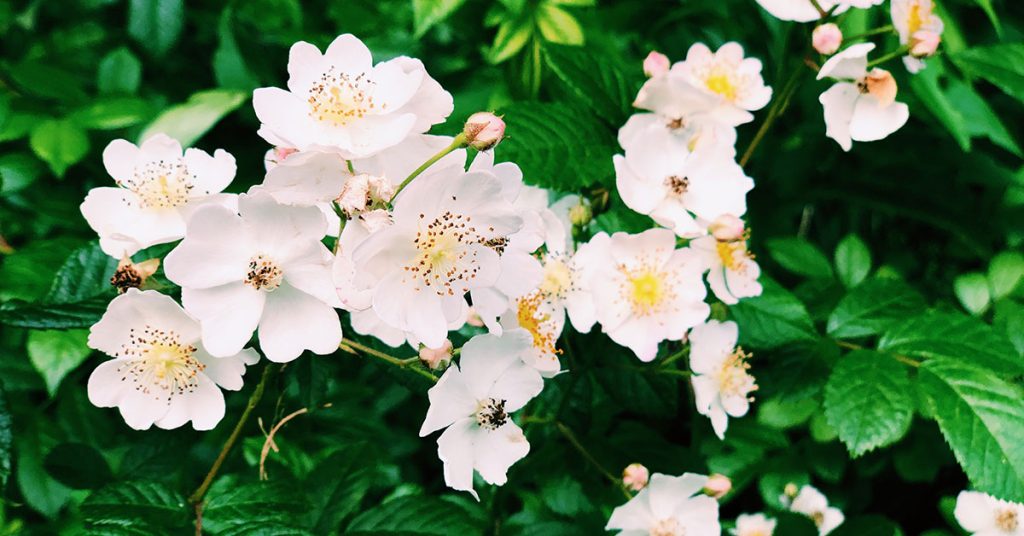
Well-timed cuts just above outward-facing buds encourage basal breaks—new shoots that emerge from the base of the plant. These fresh canes tend to be robust and prolific bloom producers. I love the sight of those plump buds unfurling into extra-large flowers, all thanks to strategic pruning!
Basal shoots also rejuvenate aging bushes, gradually replacing old wood with young, productive stems. Over a few seasons, you’ll see your rose patch transform into a fountain of vigorous growth and oversized blooms.
Improves Airflow and Light Penetration

Crowded canes can cast shade on inner shoots, leading to underperforming buds and smaller flowers. By thinning the center of the bush, you allow sunlight to reach every bud site. It’s such a joy to see previously hidden shoots respond to that extra light, swelling with promise!
Better airflow dries morning dew quickly, lowering humidity around the leaves and stems. That not only staves off fungal diseases but also creates a healthier microclimate that encourages buds to open fully, unfurling petals to their maximum potential.
Shapes the Bush for Better Canopy Structure

Pruning isn’t just about health—it’s about sculpting your rose into its best form. By removing crossing or inward-growing branches, you establish a vase-like shape that supports upward growth. I sometimes refer to it as giving my roses a garden-friendly silhouette!
A well-structured canopy ensures that every cane has room to stretch and bloom. It also makes harvesting cut flowers easier, since stems grow outward rather than tangled in the interior. Functional beauty that rewards you with bigger blooms—what’s not to love?
Rejuvenates Old, Wooded Stems
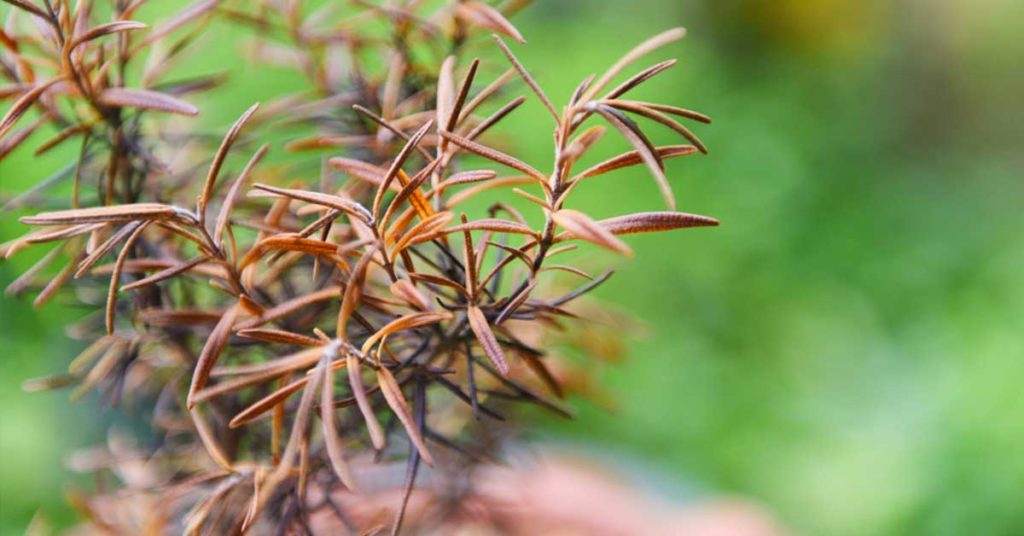
As roses age, some canes become gnarled, unproductive wood. Cutting these out entirely stimulates new basal growth that is more fruitful. I divide my pruning efforts: rejuvenation one year, fine-tuning the next, and always watching for fresh shoots replacing the veterans!
Over time, this cycle keeps the bush perpetually young at heart—with each season bringing a new cohort of budding stems destined for large, showy flowers. It’s the closest thing to a fountain of youth in the garden world.
Keeps Pests from Gaining a Foothold

Rose canes left unpruned can harbor overwintering pests like scale insects and rose slugs. Trimming back creates a cleaner environment, exposing and eliminating hiding spots. Early spring cuts are especially effective—you’ll be surprised how many overwintering critters you remove before they ever get a chance to chew!
Cleaner canes also make it easier for beneficial predators—ladybugs, lacewings, and parasitic wasps—to patrol your roses. These helpful insects often nest in open pruning cuts, turning your rose bush into a natural pest-management headquarters.
Encourages Even Nutrient Distribution
Without pruning, older canes closer to the base can hog soil nutrients, leaving newer shoots perpetually undernourished. By selectively removing aged branches, you balance the demand and ensure every new cane gets its fair share of nourishment.
During active growth phases, those nutrients translate directly into bud development—meaning each blossom has the energy it needs to reach optimal size. Balanced feeding plus balanced pruning equals blockbuster blooms!
Promotes Better Air-to-Soil Contact

Well-spaced canes allow rain and dew to penetrate the soil more effectively, hydrating roots evenly. Pruned bushes benefit from improved moisture distribution, which helps roots absorb water and nutrients more consistently.
Hydrated roots support turgid stems, which are vital for lifting and displaying oversized flowers. No wimpy drooping blooms here—just robust roses standing tall!
Improves Timing of Bloom Flushes

Spring and midseason pruning can synchronize bloom flushes, giving you more consistent displays of large flowers rather than a single fleeting burst. I plan my major pruning cuts to align with my favorite rose festivals, ensuring peak bloom when I need it most!
Those synchronized flushes also make deadheading simpler, allowing you to keep the bush tidy and ready for a second bloom push. Bigger blooms on your schedule—that’s gardening satisfaction!
Reduces Sucker Growth from Rootstock

On grafted roses, unwanted suckers from the rootstock can sap vigor from the flowering variety. Pruning removes these intruders, channeling energy back into the blooming canes above. I always inspect for baby shoots emerging below the graft union—catching them early is key!
Eliminating suckers ensures that every nutrient packet goes toward producing spectacular flowers on the grafted stems you chose, rather than fueling an anonymous interloper. More juice for the blooms you love!
Enhances Harvest for Cut Arrangements

Strategic pruning yields long, sturdy stems ideal for vases, and it often coincides with larger head sizes. When I give my roses a good spring trim, I end up with perfect-length cutting stems in late spring—no awkward short or floppy branches in my bouquet!
Plus, the act of cutting encourages new growth moments later, extending your season of big-cut blooms. It’s the ultimate reward: beautiful garden displays side by side with stunning indoor arrangements.