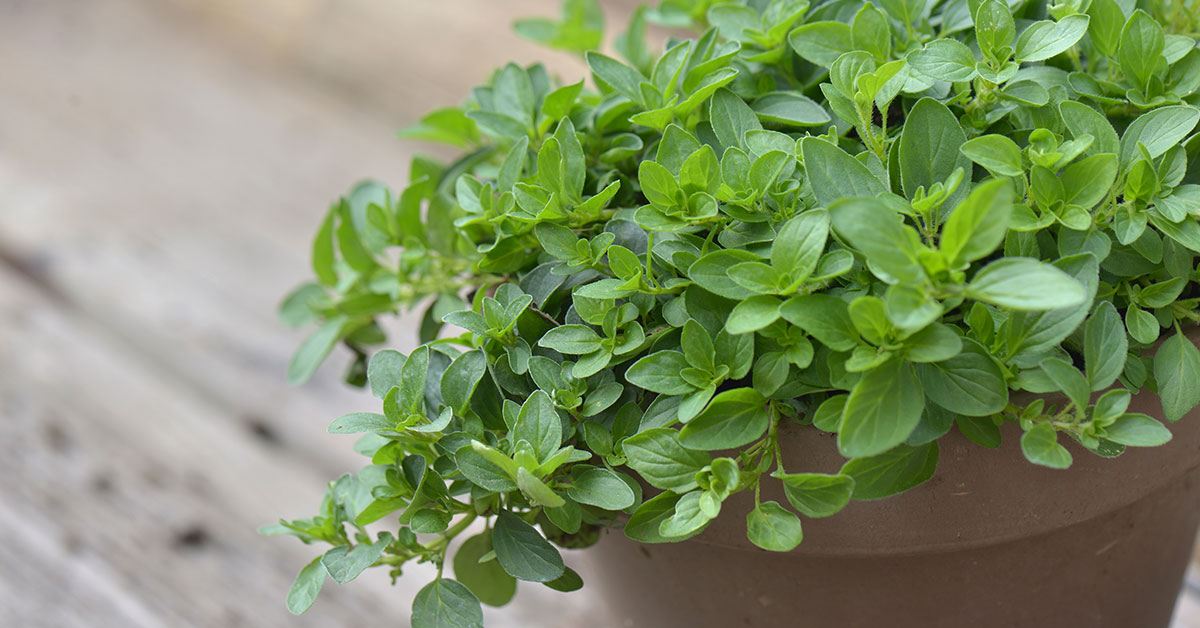

Pruning often gets a bad rap—snipping away at your beloved basil or lavender can feel almost heartbreaking! But trust me, a thoughtful cut here and there will reward you with a lusher, healthier herb garden. Whether you’re growing Mediterranean classics like rosemary and oregano (native to Europe and Asia and never invasive in garden beds) or North American natives like mint and lemon balm (which can spread if left unchecked), strategic pruning keeps plants vigorous and under control. If you’ve ever wondered why your herbs seem sparse or leggy, or why pests sneak in and feast, pruning may be the simple solution you’re missing!
In the following sections—presented in a fresh, randomized order—you’ll discover twelve compelling reasons to grab your snips. We’ll explore how pruning encourages bushy growth, boosts essential oils, prevents disease, and even invites beneficial insects to nest in your garden. From promoting continuous harvests to controlling size and shape, these tips will transform your patch into an aromatic oasis that’s both productive and pest-resistant. Let’s dive into the magic of pruning!
Enhances Airflow to Prevent Fungal Diseases
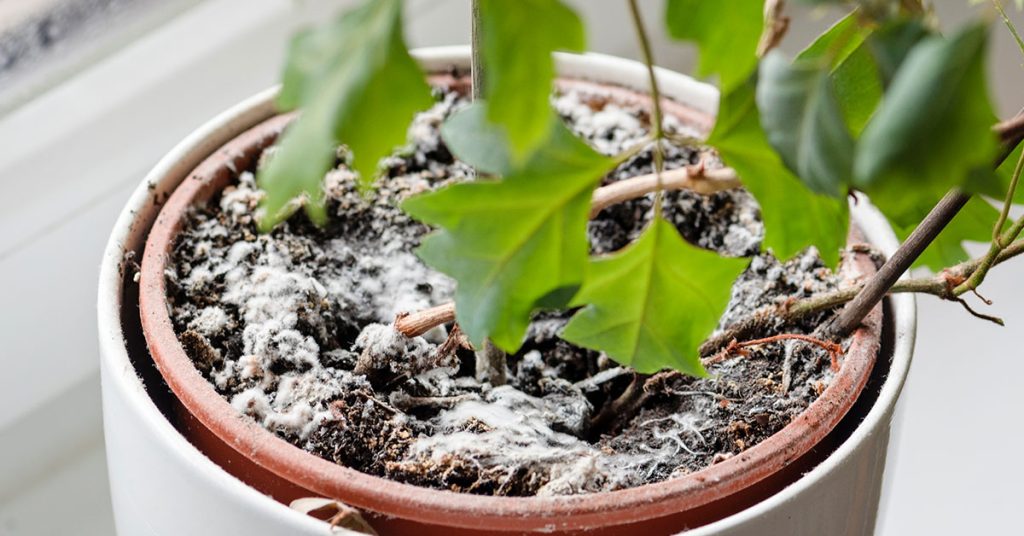
Over time, dense foliage can trap humidity around the stems and leaves of herbs like thyme and sage (native to Mediterranean climates), creating a perfect breeding ground for powdery mildew and other fungal pathogens. By thinning out crowded growth, you allow breezes to pass freely, keeping leaves dry and less hospitable to disease. It’s such a relief when your rosemary smells fresh instead of musty!
Improved air circulation also helps beneficial insects—like ladybugs and lacewings—move freely among the branches, hunting aphids and spider mites. These helpful predators often nest in sheltered stems, so open architecture makes your herb garden a welcoming refuge for nature’s pest control squad!
Encourages Bushier, More Productive Growth
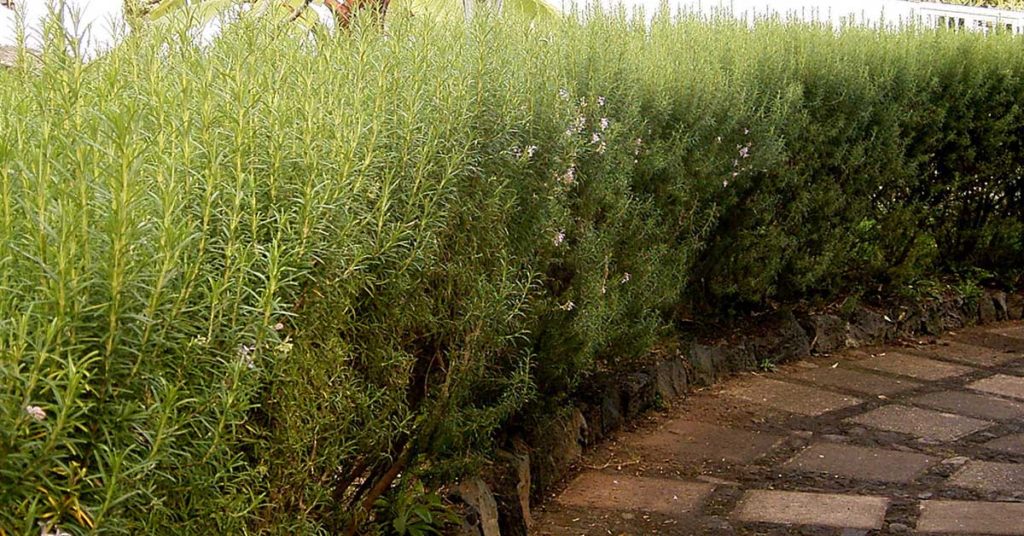
Many herbs naturally grow tall and leggy if left unpruned—think basil reaching toward the sun or mint sprawling across the ground. A light trim just above a node redirects energy into lateral shoots, resulting in a compact, bushy habit with more leaf-bearing branches. I’ve seen oregano double in size and productivity after a summer of regular pinching!
Bushier growth not only looks tidier but also provides more harvestable foliage. Plus, those dense clusters of stems create tiny cavities perfect for solitary bees to nest or overwinter, turning your herb patch into a multipurpose habitat!
Boosts Essential Oil Concentration and Flavor

When you prune herbs like lavender (native to the Mediterranean and non-invasive in temperate gardens) or rosemary, you trigger a defense response that increases essential oil production in the remaining tissues. These concentrated compounds not only boost flavor but also fend off pests naturally. Have you ever noticed your chives tasting more garlicky after a good trim? That’s the magic of stress-induced oil synthesis!
Aromatic oils also attract pollinators like honeybees and native mason bees, which use fragrant cues to locate flowers. By pruning to encourage fresh growth, you ensure a steady supply of aromatic blooms that keep pollinators—and your senses—buzzing with delight.
Prevents Herbs from Flowering Prematurely
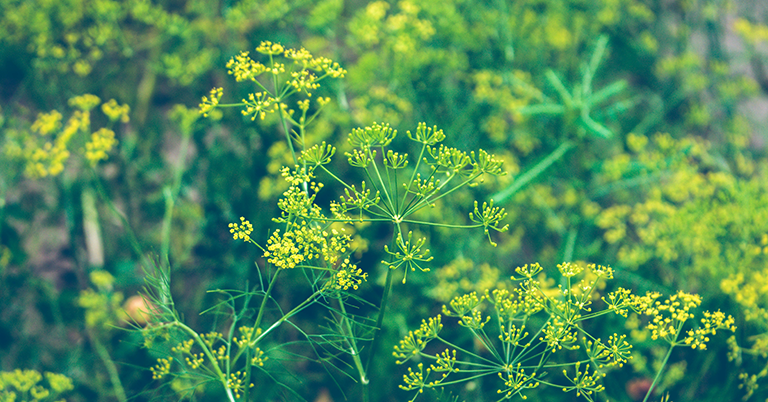
Many annual herbs, such as dill and cilantro (both native to Eurasia), will bolt and flower when left unchecked, producing fewer tender leaves and a bitter taste. Regularly snipping off early flower buds redirects the plant’s energy back into leaf production, extending your window for flavorful harvests!
Controlling bloom also reduces seed drop and volunteer seedlings, keeping your garden tidy and preventing overcrowded patches. And if you do allow a few flowers to form, you’ll welcome beneficial hoverflies and parasitic wasps that nest in nearby ground crevices, helping to manage pests naturally.
Stimulates New Shoots for Continuous Harvest

Pinching back herbs like mint and lemon balm (native to Europe but capable of becoming invasive if unpruned) stimulates the emergence of fresh shoots from the base. These new, tender tips are often the most flavorful and aromatic—perfect for garnishing dishes or brewing herbal teas!
By rotating pruning among different plants, you create a perpetual cycle of harvestable greens. It feels so satisfying to clip a handful of fresh basil one day, then return in a week to find a fresh flush of growth ready for picking again.
Controls Size and Shape for Aesthetics

Without regular trimming, herbs can outgrow their allotted space—rosemary might become more of a shrub, while mint could overtake nearby perennials. Pruning allows you to maintain neat shapes and boundaries, ensuring every plant gets enough light and air. I love shaping my thyme into tidy mounds that contrast beautifully with taller salvias!
Well-defined forms also provide clear pathways and visual structure, making your garden both functional and beautiful. Plus, those sculpted stems offer perfect perching spots for small pollinators like tiny solitary bees, which often nest in hollow or pithy stems.
Extends the Lifespan of Perennial Herbs
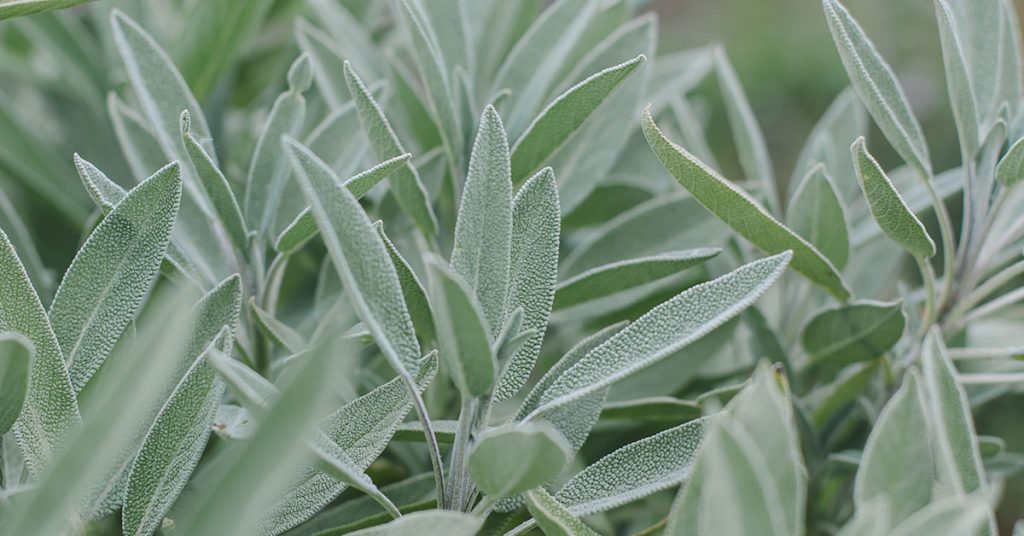
Perennials such as sage, thyme, and rosemary benefit from periodic rejuvenation pruning, where you remove one-third of the oldest wood in early spring. This encourages fresh basal growth, preventing the center from becoming woody and bare—a common issue when shrubs age.
Rejuvenation pruning gives new life to tired plants, maintaining lush foliage and abundant blooms. As the fresh shoots emerge, they provide new pockets of shelter for ground-dwelling insects like ground beetles, which prey on slugs and other garden pests.
Improves Sunlight Penetration to Inner Leaves

Tall, dense growth can shade lower leaves, leading to sparse interiors and wasted potential. By trimming the tops of herbs like rosemary and lavender, you allow sun to reach inner foliage, resulting in a fuller, more uniform plant. It’s amazing how a little sunlight can turn pale, shaded leaves into vibrant green growth!
Sunlit interiors also warm more quickly after rain, reducing moisture retention that attracts fungal diseases. And those bright inner leaves become a food source for hungry pollinators searching for early blooms.
Reduces Pest Hideouts and Encourages Natural Predators
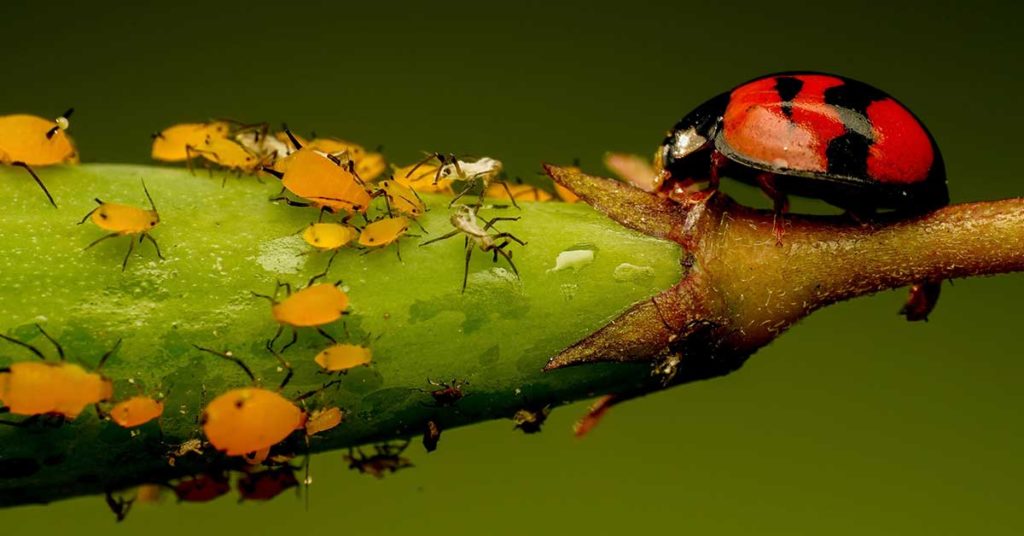
Overgrown, tangled herb beds can harbor aphids, spider mites, and caterpillars, creating headache-inducing pest hotspots. Pruning out infested or damaged stems helps you catch outbreaks early and removes hiding spots. It’s such a bummer when you miss a hidden cluster of aphids—so stay vigilant with your snips!
Meanwhile, open architecture invites ladybugs, lacewings, and predatory wasps to patrol freely. These beneficial insects often nest in the nooks created by pruning cuts, turning your garden into a self-regulating ecosystem that keeps pests in check.
Promotes Airflow to Keep Roots Healthy

Heavy canopies can lead to stagnant, humid conditions at the soil surface, inviting root rot in moisture-loving herbs like mint. By thinning out top growth, you improve evaporation around the base, ensuring soil stays aerated and roots remain healthy. Mint thrives best with dry feet and breathable soil!
Good airflow also reduces fungal spores’ ability to settle on soil and splash onto leaves. That means fewer interventions and a healthier garden overall—definitely a win for busy gardeners who’d rather snip than spray!
Enhances Bloom Display in Flowering Herbs
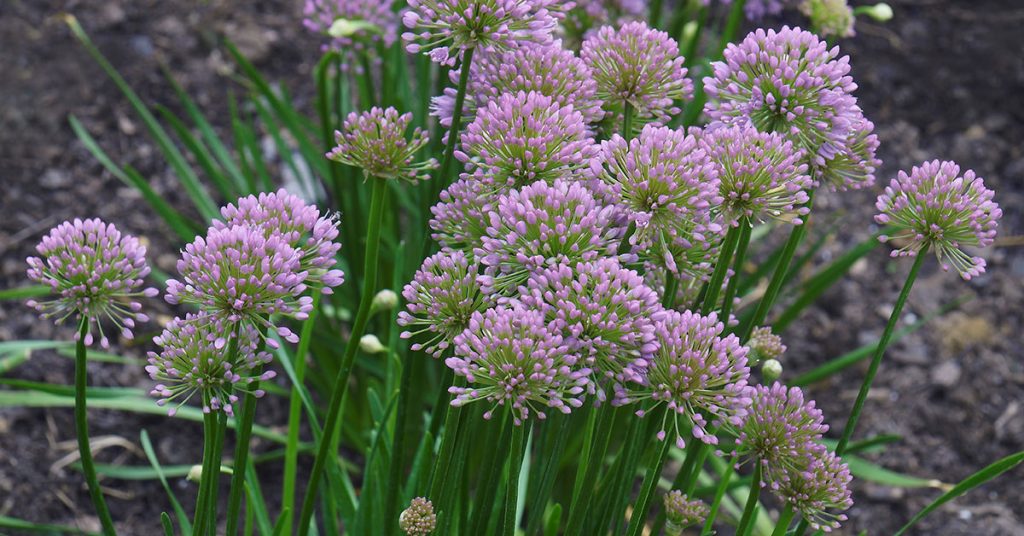
Herbs like chives and sage produce lovely blooms that attract bees and butterflies. After the first flush of flowers fades, cutting back spent flower stalks redirects energy to foliage and encourages a second bloom. You’ll see pollinators returning excitedly to fresh blossoms—a gardener’s most rewarding sight!
Allowing a few flowers to mature while pruning the rest provides continuous nectar sources throughout the season. This supports solitary bees and small butterflies that nest or roost in nearby plantings, creating a dynamic pollinator haven.
Invigorates Soil and Nutrient Cycling

The act of pruning stimulates leaf drop and small branch litter, which decomposes in place and feeds beneficial soil organisms—earthworms, springtails, and fungal networks—that recycle nutrients. It’s like giving your soil a natural, slow-release fertilizer without bagged products!
As organic matter breaks down, it improves soil structure, water retention, and root penetration for your herbs. A healthy soil food web means stronger plants, bigger harvests, and a garden that truly sustains itself—just what every gardener dreams of!