
It’s such a relief when you find plants that practically take care of themselves—no fertilizer schedules to remember, no soil tests, no guilt when you skip a feeding! Over the years, I’ve discovered a host of garden stars that thrive on lean soils and minimal fuss. These resilient species evolved in tough habitats—rocky slopes, sandy plains, and sun-baked hillsides—so they’ve learned to extract nutrients from the hardest conditions.
In this article, we’ll explore fourteen of my favorite low-maintenance plants that truly shine without any added fertilizer. From silvery sages to sun-loving succulents, each section dives into its native origins, whether it self-seeds or spreads, how it attracts pollinators or nesting insects, and why it’s a perfect pick for effortless gardening. Ready for a carefree, fertilizer-free garden? Let’s dig in—order randomized to keep things interesting!
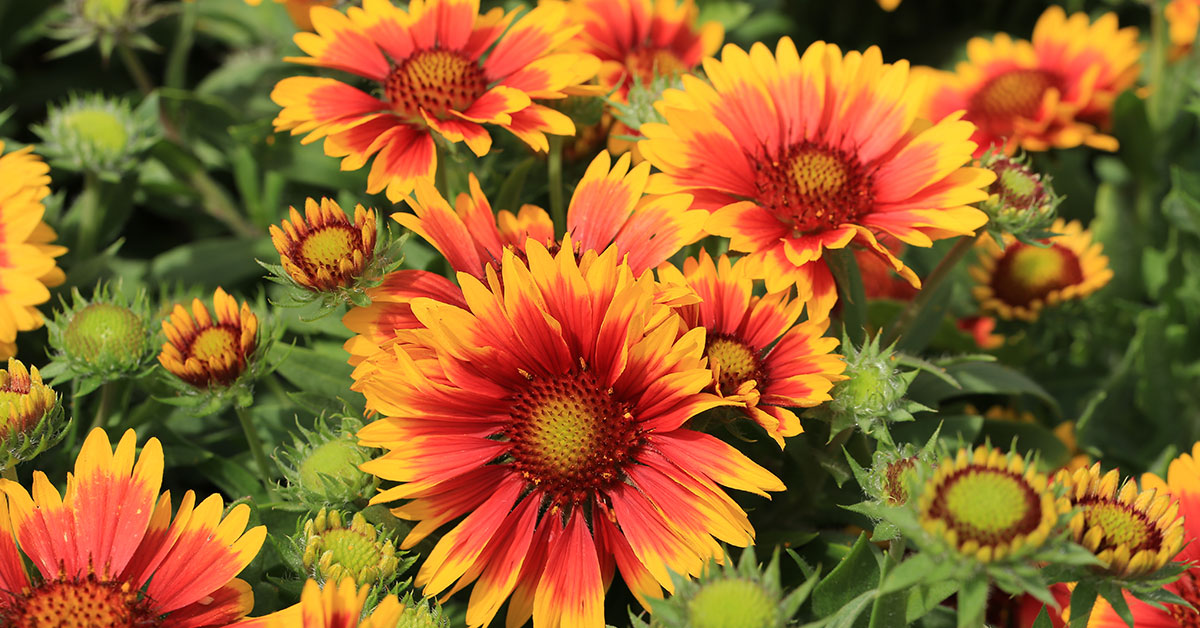
Blanket Flower (Gaillardia aristata)

Blanket flower hails from the prairies of North America and thrives in lean, well-drained soils where other plants struggle. Its daisy-like blooms, streaked in red and yellow, open wide in full sun, attracting butterflies and native bees that nest in the bare earth between clumps. I love watching goldfinches perch on spent seedheads, feasting on the seeds all winter long!
This plant’s deep taproot seeks water and nutrients far below the surface, making fertilizer unnecessary. Deadheading spent blooms encourages a second flush of flowers, and every few years you can divide congested clumps to invigorate new growth. It’s a true workhorse for cottage and prairie gardens alike.
Sedum (Sedum ‘Autumn Joy’)
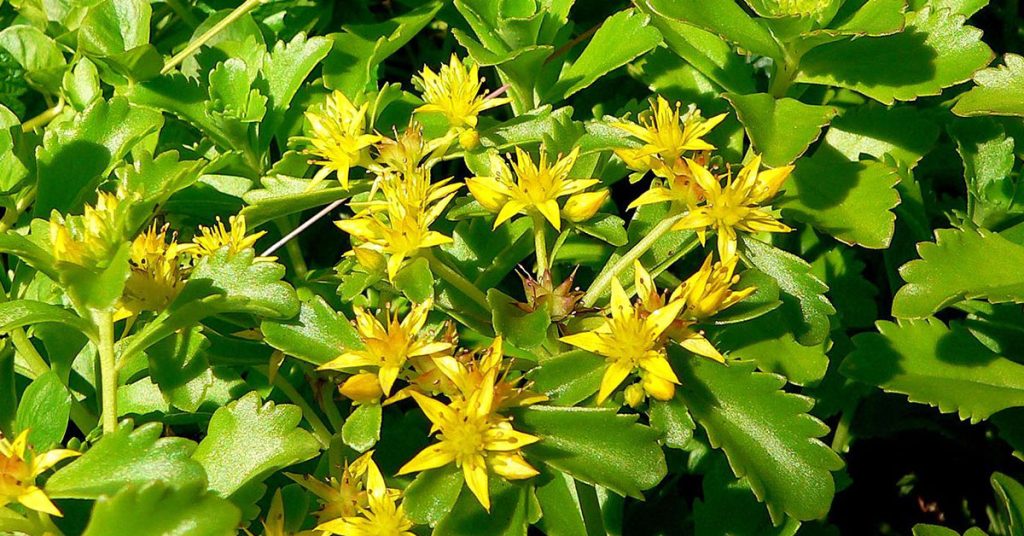
One of my favorite succulents, Autumn Joy sedum originates from dry, rocky slopes in Europe and Asia. Its fleshy leaves store water and nutrients, so it’s completely unbothered by poor soils and drought. In late summer, its pink-turned-copper flower clusters become a magnet for bees and hoverflies, many of which nest in the hollow stems or nearby cracks in paving stones.
Because sedum doesn’t crave extra feeding, its thick rootstock remains compact and manageable. You can divide larger clumps every three to four years, but otherwise it thrives on neglect—just give it sun, well-drained soil, and room to spread!
Russian Sage (Perovskia atriplicifolia)
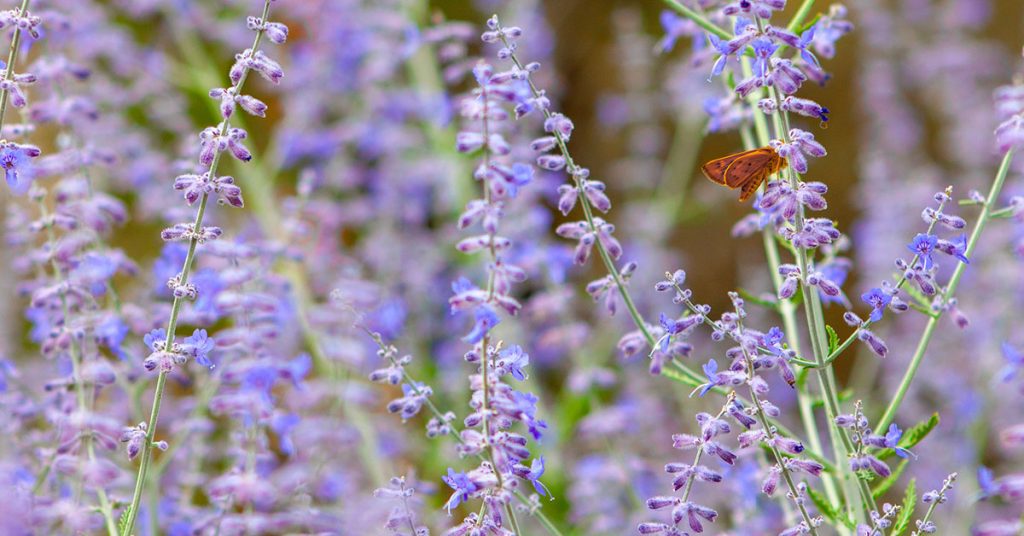
With silvery foliage and spikes of lavender-blue flowers, Russian sage evokes sun-baked landscapes of Central Asia. It’s remarkably heat- and drought-tolerant, pulling nutrients from even the poorest soils thanks to its deep root system. Hummingbirds and long-tongued bees flock to its airy flower wands, often nesting in adjacent shrubs or taking shelter among its stems.
As a woody perennial, Russian sage requires no fertilizer to maintain its tidy form. In spring, a light trim of winter-killed stems is all it needs to rejuvenate, and by midsummer it’s dancing with pollinators once more!
Yarrow (Achillea millefolium)
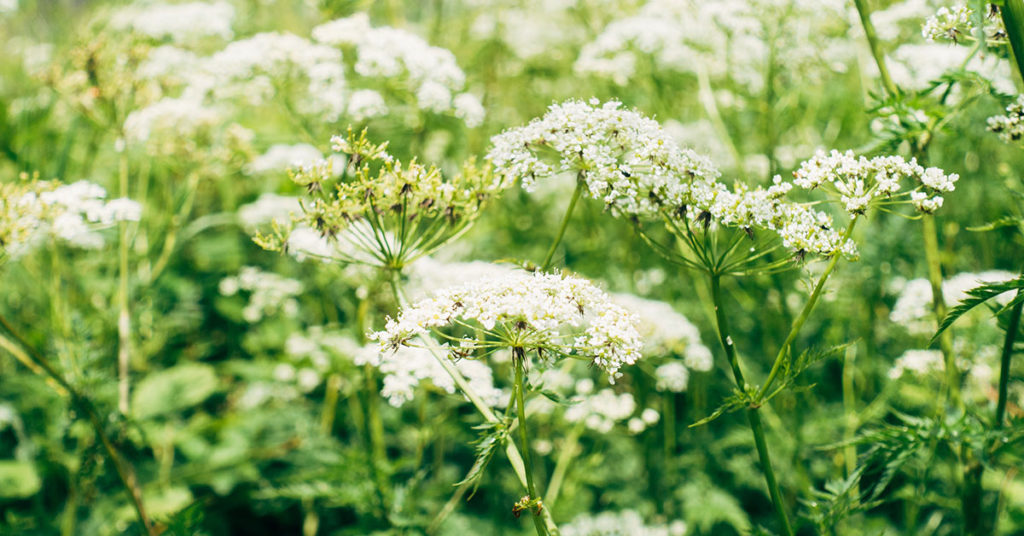
Native to meadows and grasslands across the Northern Hemisphere, yarrow is virtually indestructible. Its feathery leaves and flat-topped flowers withstand drought and poor soils, drawing in ladybugs, lacewings, and solitary bees that nest in open ground nearby. I adore its delicate fragrance on a summer breeze—it’s like nature’s own sachet!
Yarrow’s rhizomes spread slowly, filling in gaps without overtaking the bed. Since it doesn’t respond to heavy feeding with lanky growth, it stays naturally compact—just cut back spent blooms to encourage a second show and keep things tidy.
Coneflower (Echinacea purpurea)

Echinacea’s central and eastern North American prairie origins mean it’s adapted to lean soils and full sun. Those iconic pink-purple petals and spiky nectar-rich centers lure a parade of butterflies, beetles, and pollinating flies, many of which nest in bare-soil pockets at the plant’s base.
As the plants set seed in fall, goldfinches and sparrows peck at the seedheads, providing winter interest and wildlife forage. No fertilizer is needed—its deep taproot finds nutrients on its own, and division every few years keeps the clumps healthy.
Ice Plant (Delosperma cooperi)
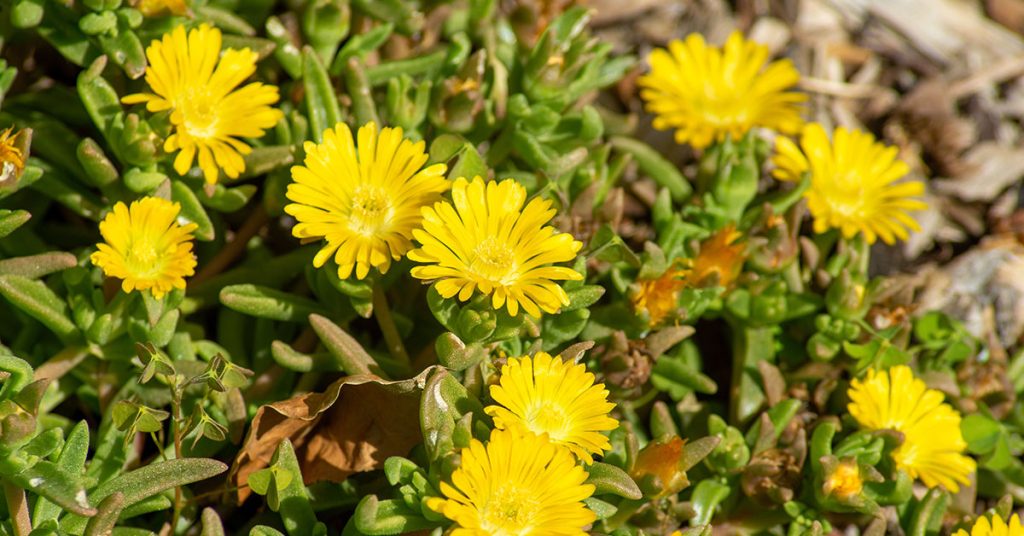
Originating from South Africa’s arid deserts, ice plant thrives in stony, nutrient-poor soils. Its succulent leaves sparkle with water-filled cells—hence the name “ice plant”—and its hot-pink daisies track the sun, opening fully in morning light. Ground-nesting bees often tunnel beneath the foliage, emerging to visit each flower.
Because it stores water and nutrients in its leaves, supplemental feeding can actually harm it by encouraging rot. Simply provide sun, good drainage, and occasional deadheading—and watch it carpet rock walls or containers all summer long!
Lavender (Lavandula angustifolia)
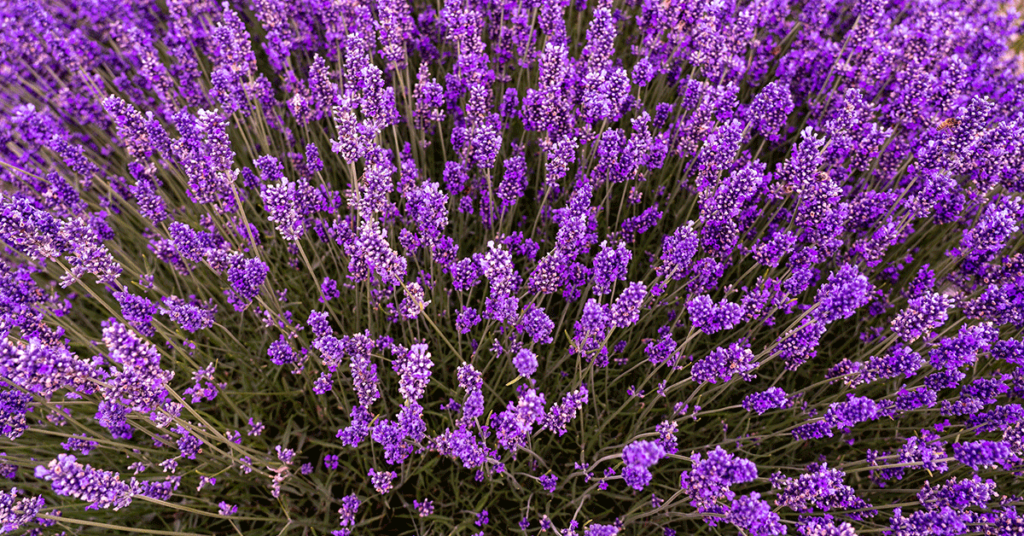
From Mediterranean hillsides to your own garden, English lavender revels in rocky, alkaline soils and full sun. Its fragrant flower spikes attract bees, syrphid flies, and even some solitary wasps that overwinter in hollow stems. I love gathering bouquets—nothing beats that calming scent drifting through my home!
Lavender’s woody roots dig deep for nourishment, so extra feeding only induces weak, floppy growth. A light trim after flowering keeps its shape, and every bloom cycle means more pollen for your buzzy friends without ever needing fertilizer.
Coreopsis (Coreopsis lanceolata)
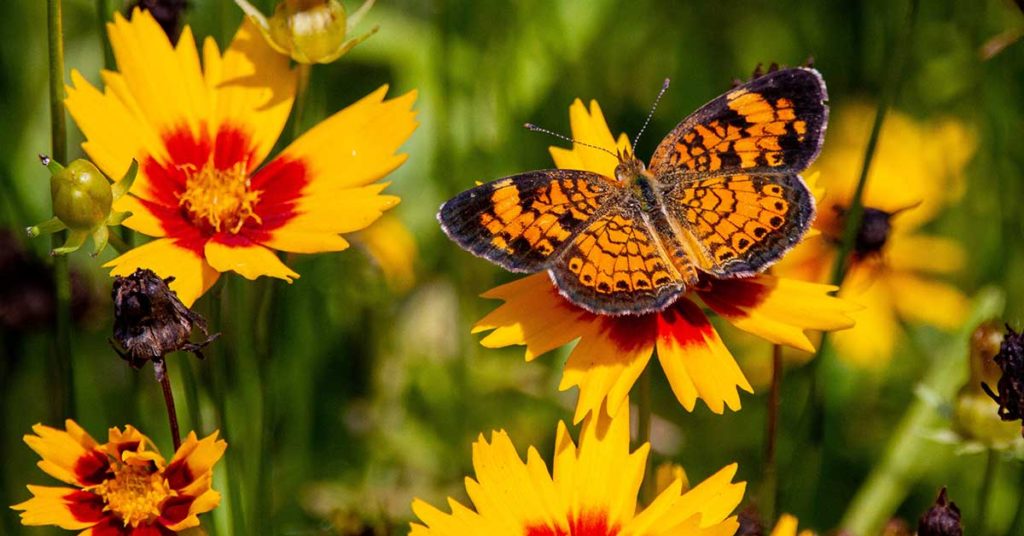
Coreopsis, native to North America’s prairies, thrives in lean, sandy soils with ample sun. Its bright yellow, daisy-like blooms attract butterflies and small native bees that nest in bare soil patches. The plants self-seed modestly, filling in thin areas year after year without aggressive spread.
Because they evolved in nutrient-poor settings, coreopsis doesn’t respond to fertilizer with additional flowers—instead, it sticks to its natural growth habit. Simply shear off spent blooms for a tidy meadow look and let nature take its course!
Lamb’s Ear (Stachys byzantina)
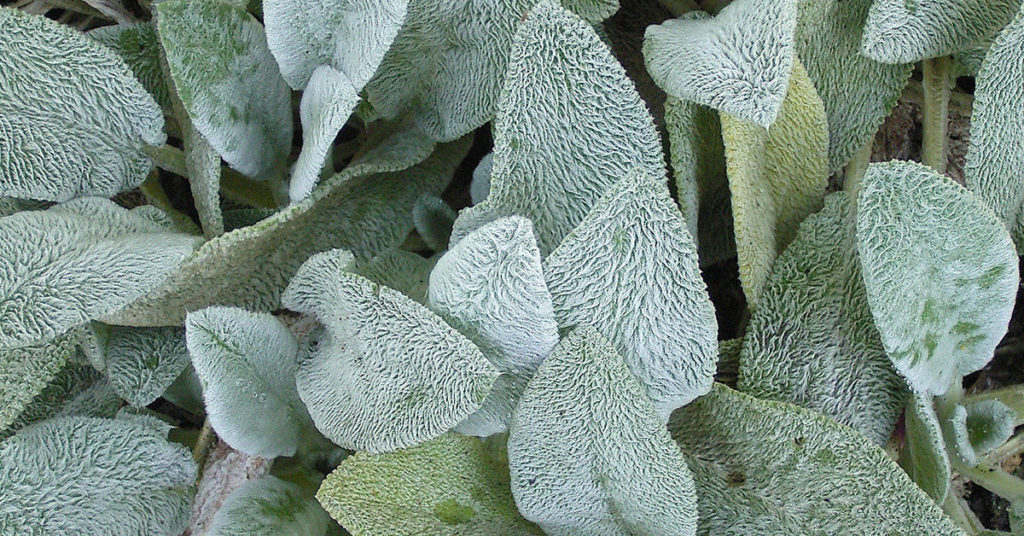
With its silvery, velvety leaves, lamb’s ear hails from the mountains of Central Asia. It forms plush mats that conserve moisture and deter weeds, making it ideal for borders and pathways. Small native bees and beneficial predatory wasps nest in the soft leaf litter at its base, emerging to patrol nearby plantings.
Lamb’s ear’s woolly foliage stores both water and minimal nutrients, so fertilizer can actually damage its texture. A light shake to remove dust and occasional division every few years is all it needs to stay lush and soft underfoot!
Daylily (Hemerocallis spp.)
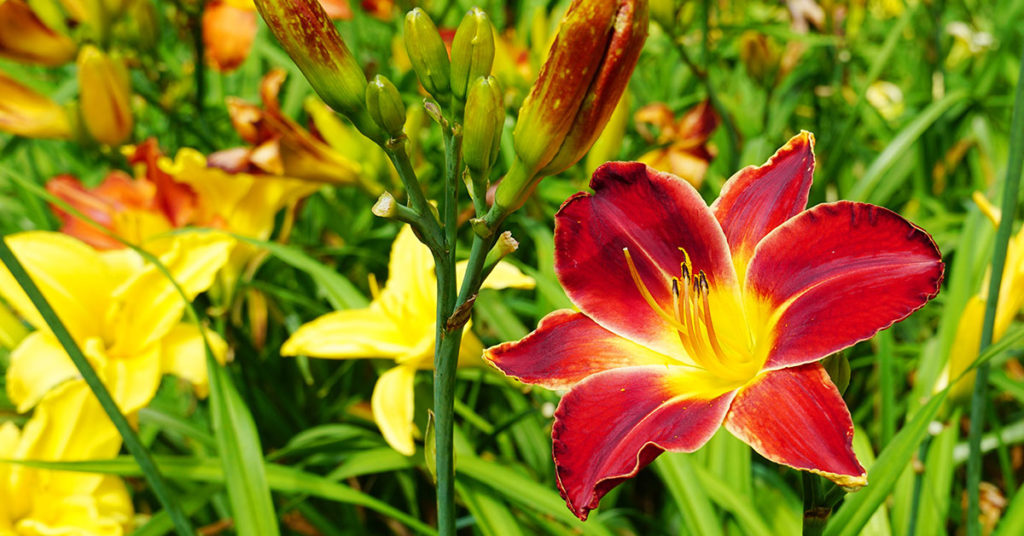
Daylilies evolved in Asia’s varied landscapes, from riverbanks to rocky slopes, and they flourish in average, well-drained soils without feeding. Their sturdy fans of foliage and trumpet-shaped blooms attract hummingbirds and butterflies, which often perch on the broad leaves between feeding sessions.
Clumps can be divided every three to five years to prevent overcrowding, but otherwise daylilies appreciate a “set it and forget it” approach. No fertilizer means no fuss—just reliable blooms that open fresh each morning!
Juniper (Juniperus spp.)

These hardy evergreens, native to temperate zones worldwide, grow on rocky outcrops and poor soils. Their scale-like foliage offers year-round cover for nesting songbirds, while dense branches provide protection from predators. In winter, juniper berries feed cedar waxwings and robins.
Junipers extract nutrients from lean soils via extensive root systems, making fertilizer unnecessary—and even harmful. Prune only to shape, and you’ll enjoy years of low-maintenance greenery that supports wildlife through every season!
Ornamental Sedge (Carex oshimensis ‘Evergold’)

Originating from Japan’s shaded woodlands, ornamental sedge tolerates both dry and moist soils in part shade to sun. Its arching, variegated leaves create shelter for ground beetles and tiny frogs that prey on garden pests. I often spot ladybugs hiding beneath its blades during hot afternoons!
Because sedges evolved in undisturbed forest floors, they thrive on minimal nutrients. No fertilizer means tight, graceful clumps—simply divide crowded tufts every few years to maintain vigor.
Thyme (Thymus vulgaris)
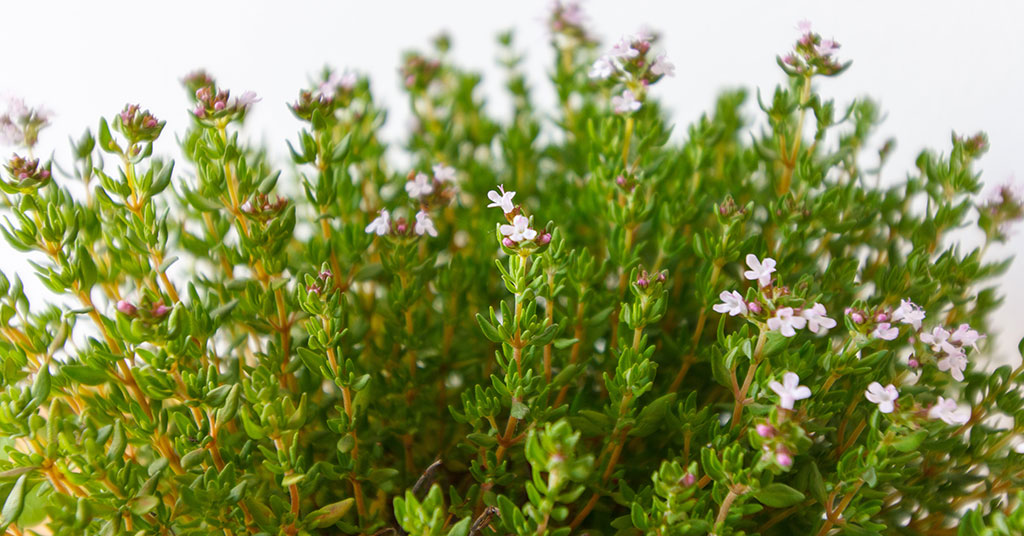
Mediterranean thyme loves gritty, alkaline soils and blistering sun. Its tiny flowers draw in bees and hoverflies, many of which nest in nearby cracks between stones or paver joints. As a groundcover, thyme releases a fragrant aroma when disturbed—one of my favorite sensory delights in the garden!
Thyme’s woody stems and thin leaves store just the right amount of nutrients, so fertilizer can cause leggy growth and weak flavor. A light trim after flowering keeps it compact and aromatic, ready for culinary snips all year round.
Gaura (Oenothera lindheimeri)

Gaura, native to Texas prairies, thrives in lean, sandy soils under full sun. Its airy stems and pink-tinged white flowers sway in the slightest breeze, attracting butterflies and small bees that sometimes nest in bare soil beneath the canopy. Watching them flit among the blossoms is pure garden joy!
Since gaura evolved in nutrient-scarce settings, it doesn’t need feeding to flourish. Deadheading spent blooms keeps it looking tidy and encourages continuous flowering from spring through fall.