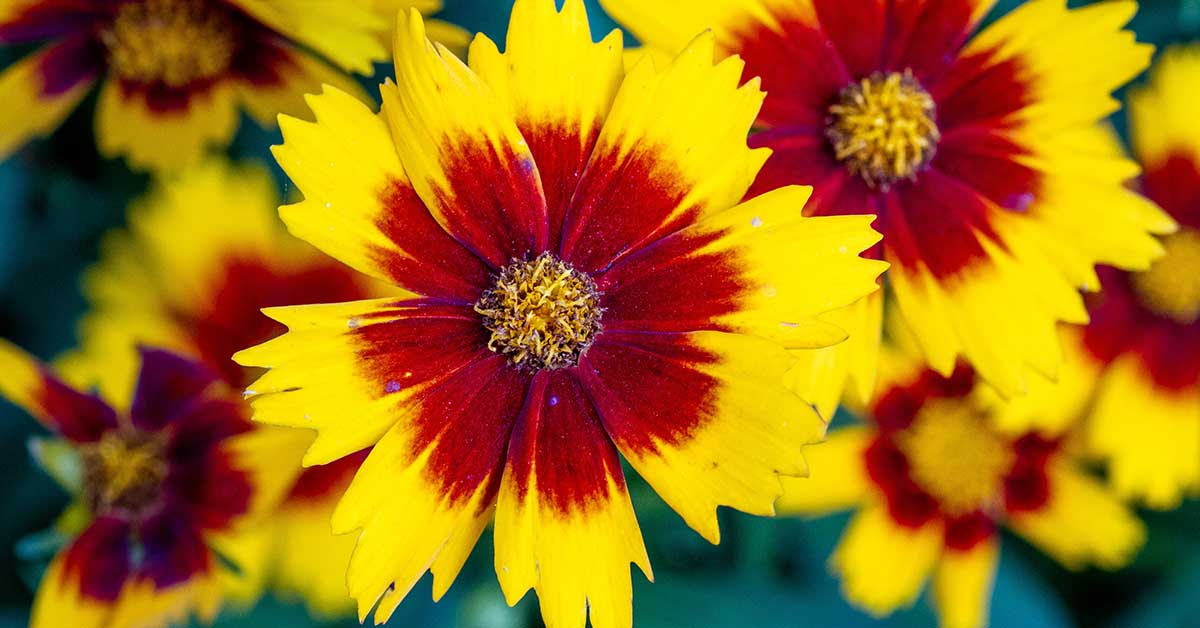

Coreopsis, often called tickseed, is a cheerful burst of yellow, red, and orange that can transform any patch of land into a radiant meadow! If you’ve ever dreamed of strolling through a sea of golden petals, feeling the warm breeze ruffle the blooms, you know how magical a field of coreopsis can be. Yet turning that dream into reality can feel daunting—poor germination, lanky stems, or disappointing flower counts can leave you scratching your head. I’ve had my share of starts and stops, but over the years I’ve refined these ten tips to help your coreopsis field dazzle from early summer until frost.
Originating in North America’s prairies and open woodlands, coreopsis thrives in lean soils and full sun, and it isn’t considered invasive—though it will happily self-seed if you let it! In this guide, we’ll explore everything from soil preparation and seed-starting tricks to deadheading strategies and pollinator-friendly practices. Whether you’re planting a hobby plot or aiming for acres of gold, these insights will set you on the path to a radiant coreopsis wonderland.
Sow Seeds Directly at the Right Time
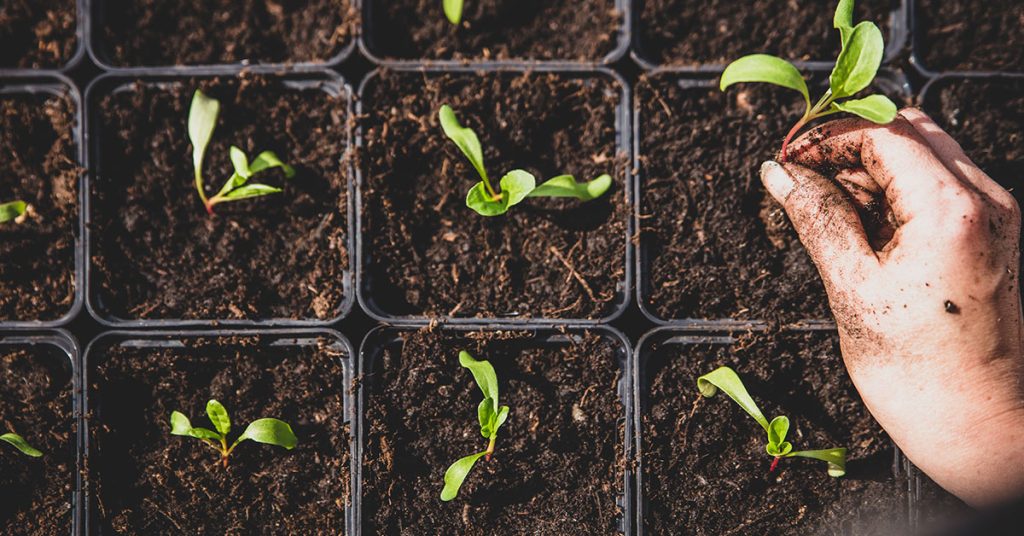
Coreopsis seeds perform best sown directly outdoors rather than started indoors—no tricky transplant shock! Aim to sow in spring once the soil temperature warms to at least 60°F. One of my favorite tricks is to sprinkle seeds over moist soil on an overcast day; the gentle light helps them germinate evenly without the stress of harsh sun.
Because many coreopsis species have a light requirement for germination, it’s often best to barely cover the seeds with a fine layer of soil. In their native prairie habitats, these seeds settle lightly on the ground, so mimicking that natural condition leads to robust, even stands!
Prepare Soil with Good Drainage

Coreopsis loves lean, well-drained soil that doesn’t hold excess moisture. Before planting, work in a couple of inches of coarse sand or fine gravel if your soil is heavy clay. I once skipped this step and watched my seedlings struggle in soggy patches—it was such a bummer!
Incorporating a modest amount of aged compost can improve structure without making the bed too rich. An overly fertile field encourages floppy stems and fewer flowers, so keep amendments minimal—this is one wildflower that thrives on a bit of neglect!
Provide Full Sun Exposure

Nothing dims coreopsis’s exuberant bloom like lingering shade. These sun-loving beauties need at least six to eight hours of direct sunlight each day to produce flower after flower. I made the mistake of planting near a tall hedge once, and those seedlings lingered in pale green, barely reaching for the sky!
Selecting the sunniest swath of your property is key. Morning sun is especially beneficial—it dries dew quickly, reducing fungal pressures—while afternoon rays coax those golden petals to open wide in greeting!
Thin Seedlings and Space Properly
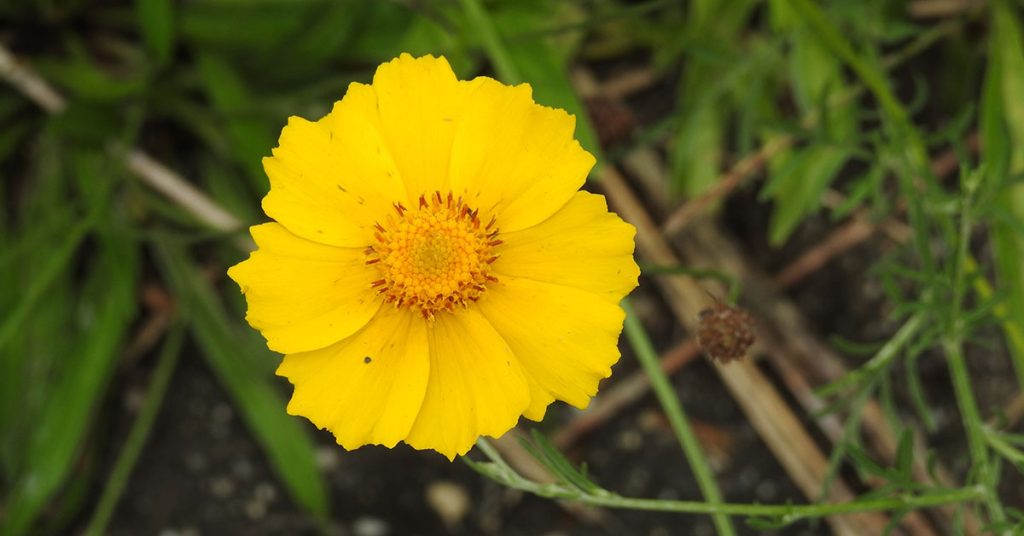
A densely sown field can lead to competition for light, water, and nutrients, resulting in weaker stems and fewer blooms. Once seedlings develop two true leaves, thin to one plant every 6–8 inches. I know it’s tempting to leave them all, but that extra elbow room lets each plant develop sturdy stalks and generous flower heads!
If you’re aiming for tighter carpets in smaller plots, aim for 4–6 inches spacing. For a more natural meadow look, space up to a foot apart—either way, thinning early prevents leggy growth and improves airflow around lower leaves.
Mulch to Conserve Moisture and Suppress Weeds
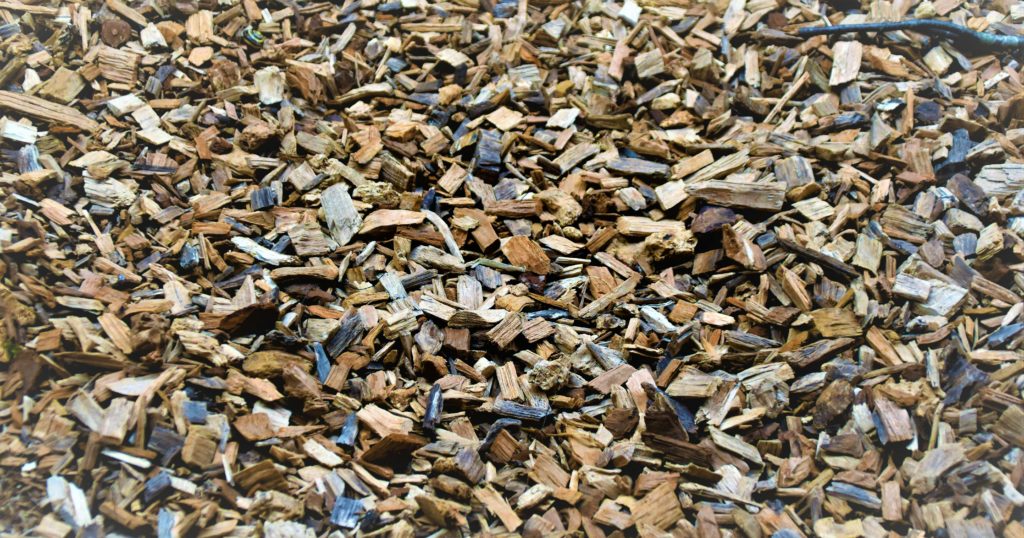
A thin layer of organic mulch—think straw or shredded leaves—helps retain moisture in those lean soils without smothering coreopsis’s drought-tolerant roots. It also keeps annual weeds from competing with your seedlings. One of my favorite spring rituals is gently raking mulch around young plants—like tucking them in for a cozy start!
As the season progresses, that mulch breaks down and feeds beneficial soil organisms. Earthworms and microbial life thrive, creating a living soil that supports robust root systems—perfect for a field of stand-out wildflowers!
Deadhead Regularly for Endless Blooms
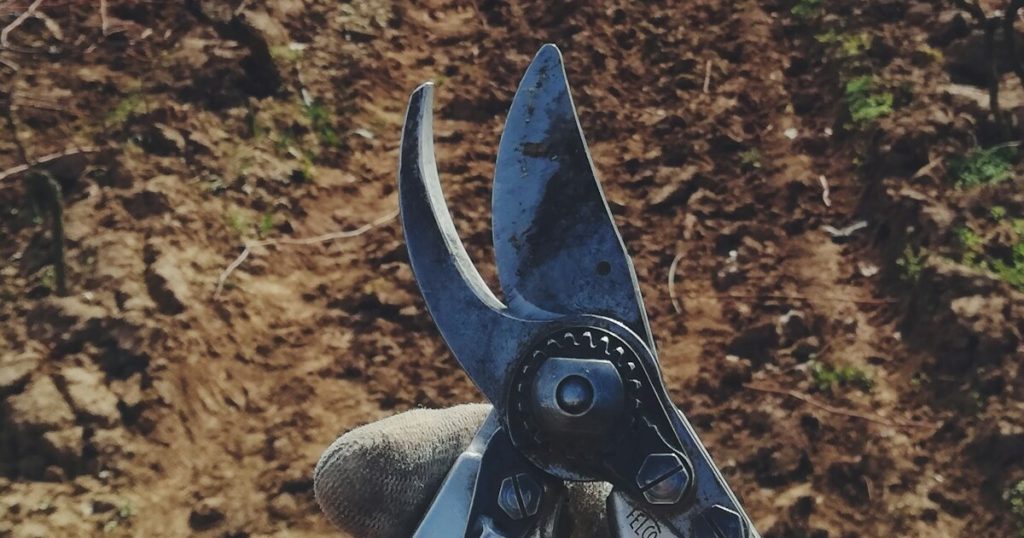
Coreopsis rewards deadheading more zealously than many perennials. Snipping spent blooms every week encourages new flower buds, extending your show from early summer well into fall. I get giddy each time I shear off a wilted head, knowing a fresh blossom is right around the corner!
If you’d like seeds for next year, leave a few spent flowers until fluffy seed heads form, then collect them just before dispersal. But for a continuous carpet of color, don’t hesitate to keep deadheading—your meadow will look swept and vibrant!
Monitor for Pests and Diseases Early
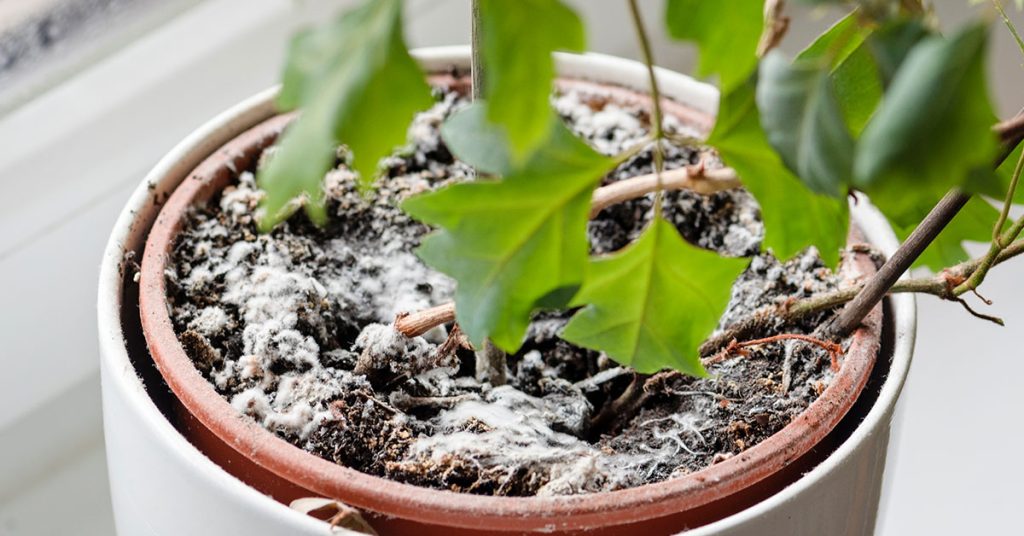
While coreopsis is generally pest- and disease-resistant, occasional aphids or powdery mildew can pop up in humid conditions. I inspect foliage weekly, especially the undersides of leaves, for sticky residue or white patches. Catching these issues early means I can improve airflow or introduce ladybugs before any serious damage occurs!
Removing any infected leaves and disposing of them away from the bed prevents re-infestation. Keeping the field tidy—clearing fallen debris—also reduces hiding spots for overwintering pests and lays the groundwork for a healthier show next year.
Attract Pollinators and Beneficial Insects
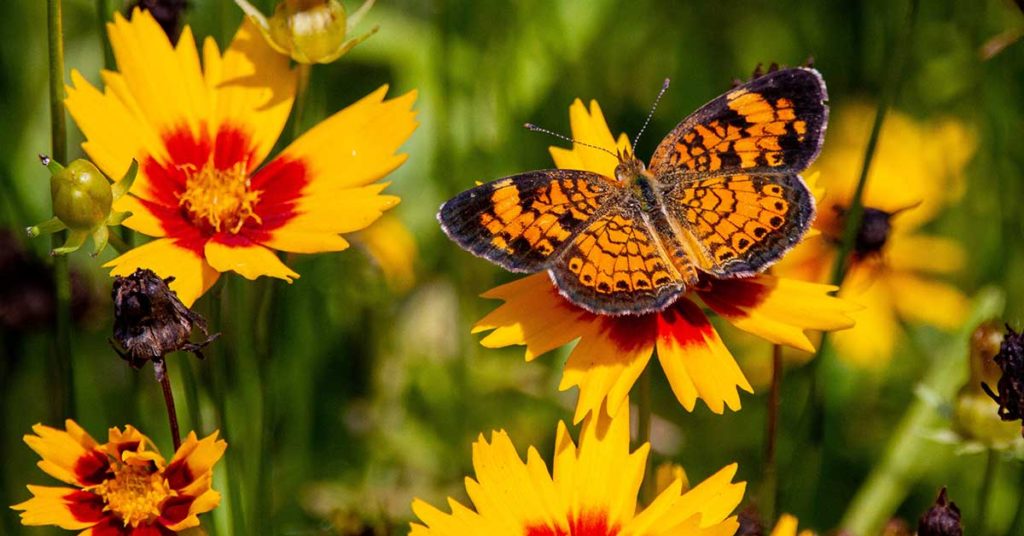
Coreopsis is a magnet for bees, butterflies, and hoverflies, which not only help with seed set but also keep sap-sucking pests in check. Interplanting with nectar-rich companions like coneflowers or bee balm draws even more pollinators into your field. Watching a meadow full of garden bees and orange sulphurs flit about is one of my absolute favorite sights!
For ground-nesting bees, leave small patches of bare, undisturbed soil at the field’s edge. Installing a bee bath—just a shallow dish with stones for perching—gives thirsty pollinators a safe landing pad. A happy pollinator community means fuller flower heads and a healthier ecosystem!
Divide and Renew Stands Every Few Years
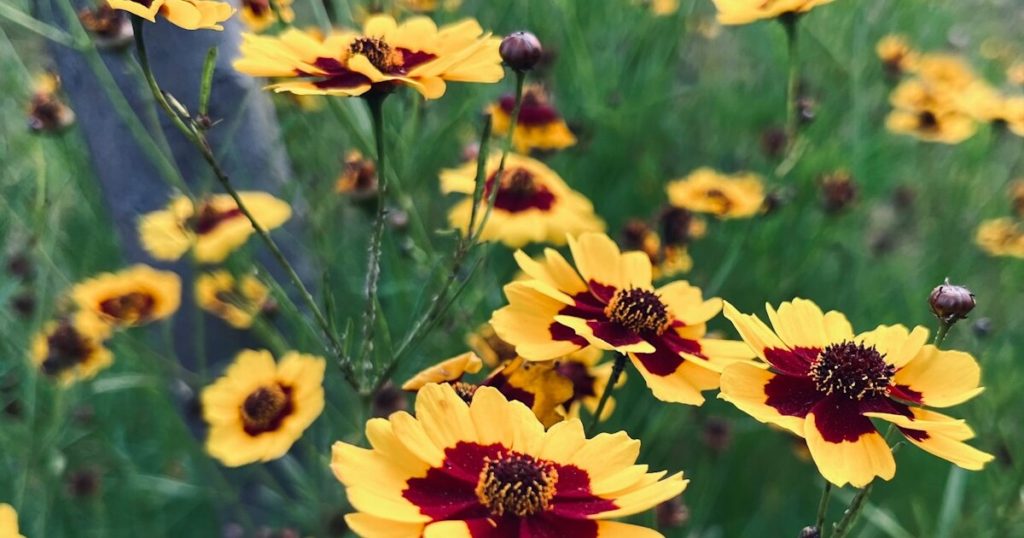
Over time, coreopsis clumps can become congested in the center, producing fewer blooms. Every three to four years, I dig up sections in early spring before new growth, split the clumps with a sharp spade, and replant fresh divisions. It’s amazing how much more vibrant and floriferous the renewed plants become!
This rejuvenation mimics the plant’s native prairie cycle, where periodic disturbances keep populations vigorous. Not only does dividing refresh your field’s center, but you also get extra plants to share with friends—or to fill in bare spots!
Allow for Self-Seeding or Collect Seeds
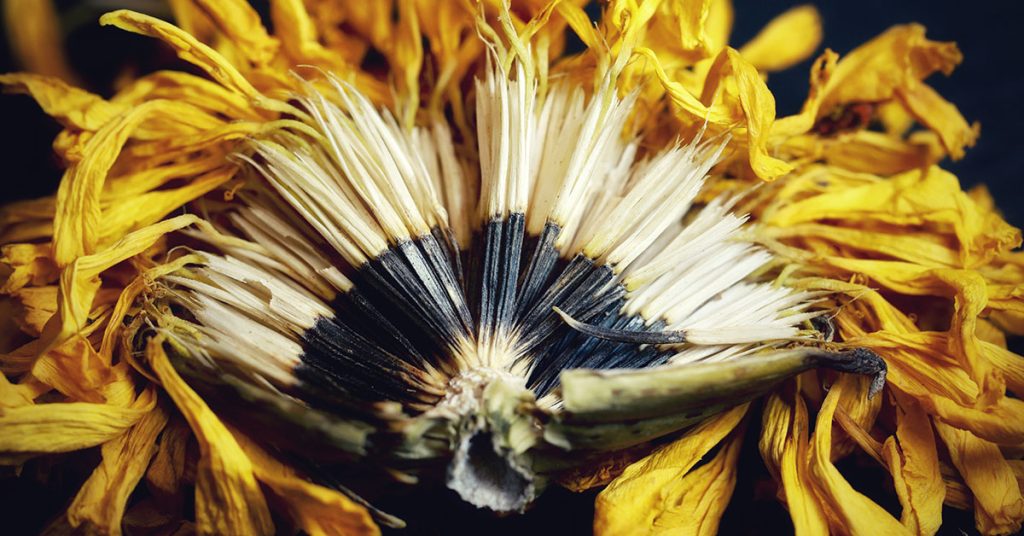
Coreopsis self-seeds readily, blanketing fields in the next generation of flowers without extra effort. If you want controlled reseeding, let spent blooms mature into fluffy seeds, then gently shake them into open patches of soil. It’s like nature’s own reseeding machine at work!
If you prefer a tidier look, collect seeds by tying paper bags around seed heads and harvesting once dry. Store them in a cool, dry place for autumn sowing or trading with fellow gardeners. Whether you let them roam free or harvest carefully, coreopsis makes propagating simple and rewarding!