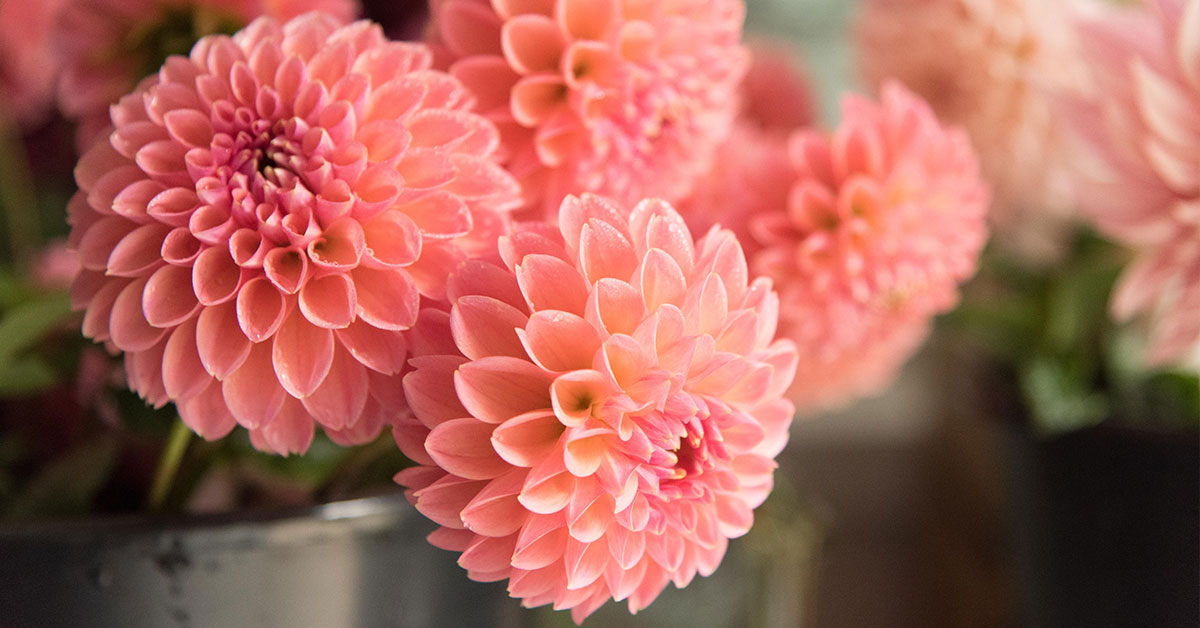

Dahlias are the showstoppers of any summer garden—those enormous, kaleidoscopic flowers practically demand attention! Yet if you’ve ever waited impatiently for blooms only to be met with mid-sized, underwhelming flowers, you know the frustration of a so-so dahlia season. I’ve had my share of tiny blooms despite diligent watering and feeding, so I’m excited to share these ten hacks that will help you coax truly giant dahlia heads from your patch.
In this article, we’ll cover everything from selecting the right varieties and starting tubers indoors to fine-tuning your soil nutrition and ushering in beneficial pollinators. Along the way, I’ll note that dahlias hail from the highlands of Mexico and Central America and aren’t considered invasive—though they do love to spread their tubers in loose, well-drained soil! Whether you’re growing colossus giants or dinner-plate beauties, these tips will bring you the largest, most vibrant blooms you’ve ever seen.
Pre-soak Tubers Before Planting
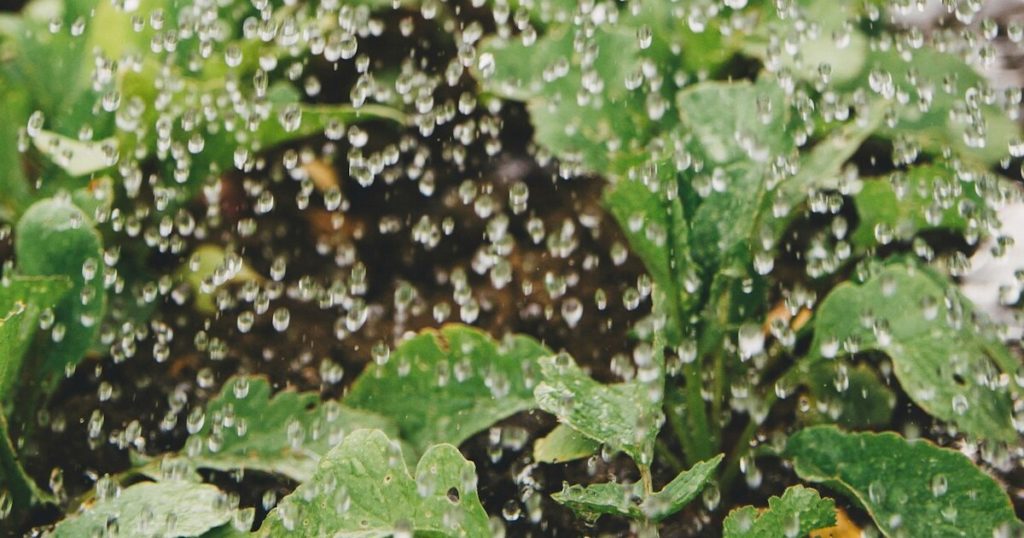
Pre-soaking dahlia tubers in tepid water for a few hours before planting jump-starts root development and gives you an edge on early growth. One of my favorite hacks is to add a handful of compost tea or seaweed extract to the soak—it infuses beneficial microbes and micronutrients right at the start! Watching those pre-soaked tubers send out shoots within days is so rewarding.
This approach mimics the naturally moist, temperate soils of their native Mexican highlands, where dahlias emerge vigorously each spring. Early root establishment means more energy can go into developing those massive blooms later on, rather than retreating to repair damaged or slow-growing roots.
Attract Pollinators and Beneficial Insects
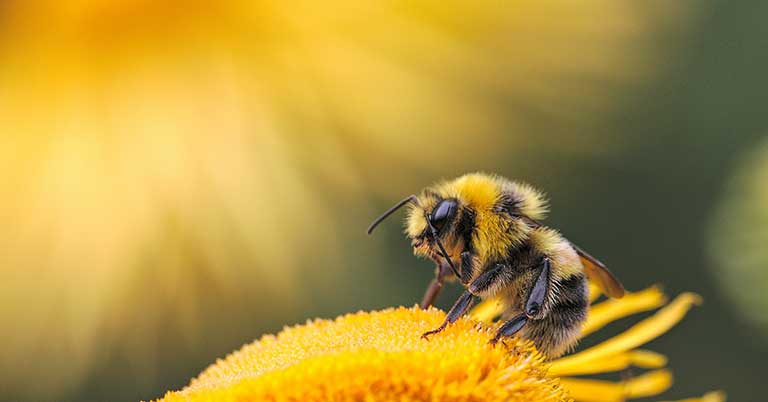
Although dahlias are self-fertile, visits from bees and hoverflies can increase pollination efficiency and improve flower symmetry—helpful when you’re aiming for perfect dinner-plate blooms! Planting companion flowers like calendula, borage, or cosmos nearby draws in these little workers. I love watching bumblebees tumble around my dahlia petals—it’s like a personal pollination party!
Beyond flighty visitors, consider installing a small bee hotel or leaving patches of bare soil for ground-nesting solitary bees. These beneficial insects often nest right in garden beds, emerging faithful and ready to visit every blossom. The result? More fully formed flower heads and fewer gaps in those giant petals.
Provide Sturdy Support and Staking
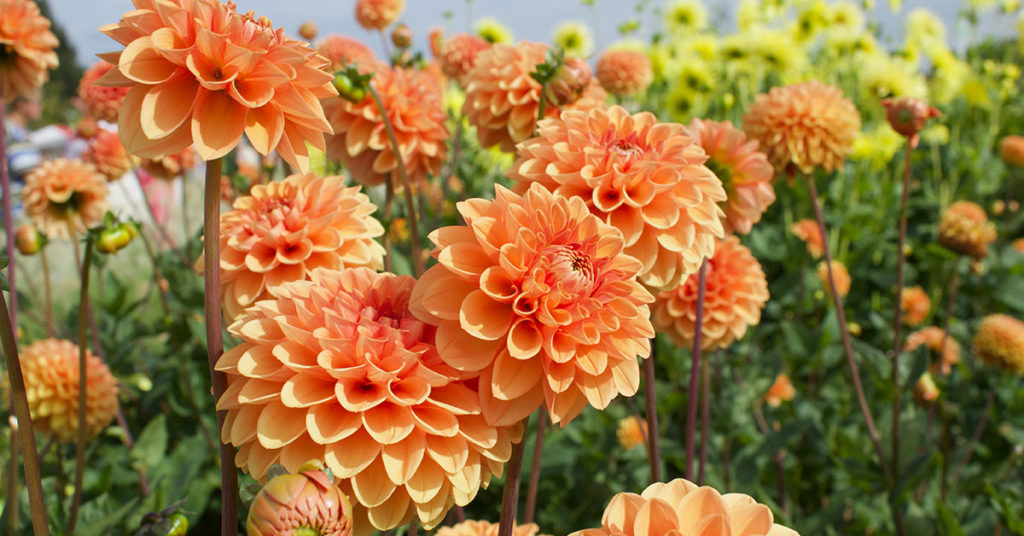
Those enormous dahlia blooms can quickly weigh down stems, causing them to bend or break—nothing deflates the joy of a huge bloom quite like a floppy stem! I stake mine at planting with bamboo canes or tomato cages, weaving in flexible ties as the plants grow. It’s such a bummer when you come out one morning to find last night’s storm dashed a beautiful bloom to the ground!
Good support not only keeps blossoms upright for display but also improves airflow around the foliage, reducing disease risk. For especially tall varieties, I’ll even use a double-cage system, ensuring every colossal flower head gets the support it deserves!
Use High-Phosphorus Fertilizer
Phosphorus is the nutrient most directly linked to bloom production. Once your dahlias have set four to six true leaves, I switch to a fertilizer with a higher middle number—something like a 5-15-5 blend. This encourages robust bud formation and generous flower size.
I apply this feeding every three to four weeks throughout the growing season, alternating granular treatments with a gentle liquid seaweed feed. The combination promotes strong stems, luscious foliage, and those show-stopping, oversized blooms!
Plant in Full Sun and Shelter from Wind

Dahlias evolved in sunny montane regions, craving at least six to eight hours of direct sun each day. Planting them in full sun ensures they generate the energy needed for giant blooms. I once tucked mine into a partly shady corner—resulting in lanky stems and miniature flowers. Lesson learned!
However, those same open sites can be wind tunnels. A brisk breeze can shatter a heavy bloom in an instant. To balance, I plant dahlias near a fence or incorporate a lattice screen that filters strong gusts but still lets in abundant sunlight. This creates a safe haven for your giant beauties!
Mulch to Retain Moisture and Regulate Temperature
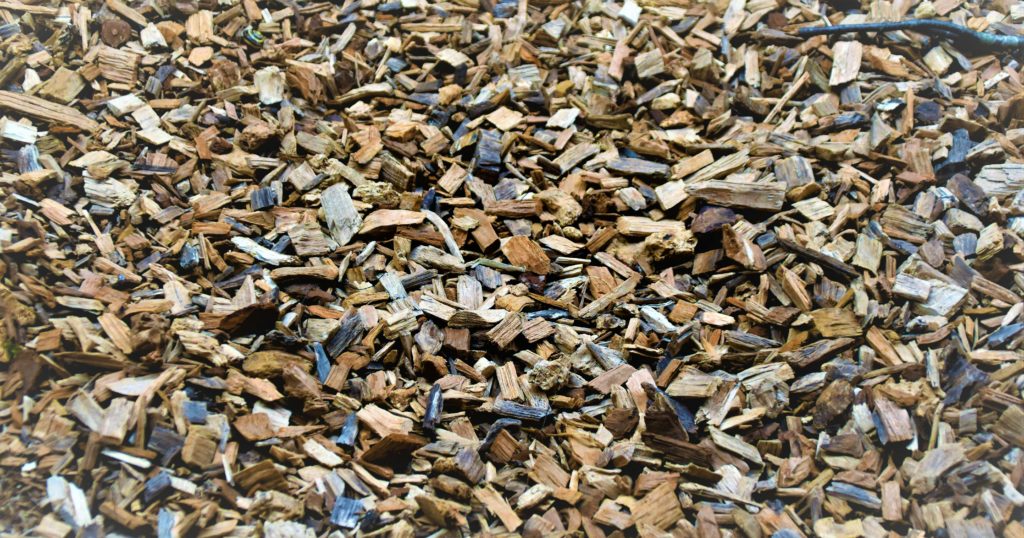
Nothing’s worse than dahlias dropping buds because the soil dried out too quickly. A two-inch layer of organic mulch—straw, cocoa hulls, or shredded leaves—helps conserve moisture, keep roots cool under midday sun, and suppress weeds that compete for resources.
As this mulch gradually breaks down, it feeds the soil with humus, replicating the rich, crumbly earth of the dahlia’s native Central American ranges. Healthy, undisturbed roots translate into a more powerful surge of energy when it’s time to develop those massive blooms!
Start Tubers Indoors for an Early Edge
In cooler climates, giving tubers a head start indoors can add weeks to your growing season—critical when you’re aiming for maximum bloom size. I plant pre-soaked tubers in peat pots under grow lights about four weeks before the last frost date, keeping soil temperature at a cozy 65–70°F.
By the time I plant them outside, these seedlings are vigorous, with sturdy stems and well-established roots. They’re better equipped to hit the ground running, outpacing any flea beetle nibblers and translating that early momentum into grand, oversized flowers!
Pinch and Deadhead to Encourage Larger Flowers
Pinching the top of a young dahlia at about six inches tall forces the plant to branch out, producing more stems and ultimately more blooms. I pinch again once those side shoots reach six inches, ensuring a robust, bushy form that can carry multiple giant flowers.
Deadheading spent blooms immediately prevents the plant from wasting energy on seed production. Instead, it redirects resources into new buds, often resulting in later-season flowers that are just as large and vibrant as the spring flush!
Enrich Soil with Compost and Aged Manure

Loose, fertile soil is the foundation for any spectacular dahlia bloom. Before planting, I incorporate a generous helping of well-rotted compost or aged manure into the bed—about two to three inches worked into the top foot of soil. This mimics the rich, organic drifts of their native habitat.
That organic matter boosts nutrient availability and soil structure, encouraging roots to expand deeply and access water efficiently. A thriving root network supports the development of those massive flower heads you’ve been dreaming of!
Water Deeply and Consistently
Shallow, frequent watering leads to weak, surface roots and stresses plants during dry spells, which can stunt flower growth. I water deeply—so that moisture penetrates at least eight inches—once or twice a week, depending on rainfall and temperature.
Maintaining even soil moisture encourages roots to grow downward, making dahlias more resilient to heat stress. And when those roots are happy and hydrated, you’ll notice blossoms that are fuller, firmer, and ready for close-up admiration!