
It’s such a bummer when you’ve nurtured your tomato seedlings, watered your pepper transplants, and tended your bean vines—only to find them looking pale, sickly, or even abandoned. Spider mites are stealthy little pests that can reduce a thriving vegetable patch to a withered mess before you even realize they’re there! As someone who’s battled these eight-legged invaders on everything from cucumbers to eggplants, I know how exasperating it can be to watch your hard work unravel.
Early detection is your best weapon. In this guide, we’ll explore nine unmistakable signs of spider‐mite infestation—so you can spring into action before populations explode. With a keen eye and prompt care, you’ll keep your veggies lush, productive, and spider-mite free!
Fine Webbing Draped Over Leaf Surfaces
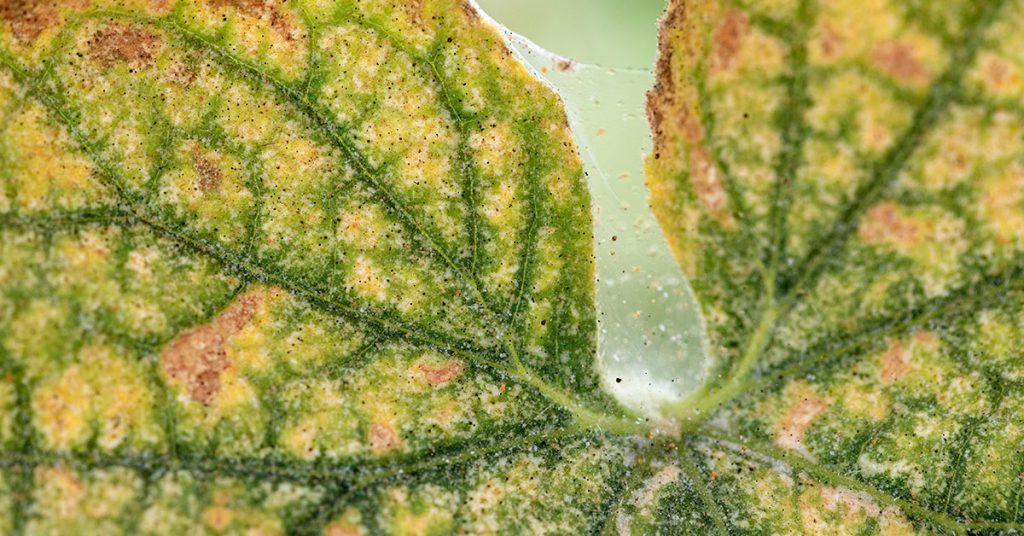
One of the most distinctive clues is the presence of silky, gossamer threads spun between leaf veins and stems. These fine webs aren’t your average spider’s handiwork—they’re the fortress spider mites build around their colonies (Tetranychus urticae, an invasive pest). On squash (Cucurbita pepo, native to the Americas), those webs can stretch from the leaf undersides to the neighboring foliage, creating a silken canopy.
Webbing protects mites from predators and even some sprays, making control trickier. I remember inspecting my cucumber patch and discovering entire vines wrapped in these silky tunnels—an alarming sight! If you spot webbing, it’s time to prune heavily infested leaves and begin targeted miticide or organic control measures immediately.
Tiny, Dust-Like Specks Moving on Leaves

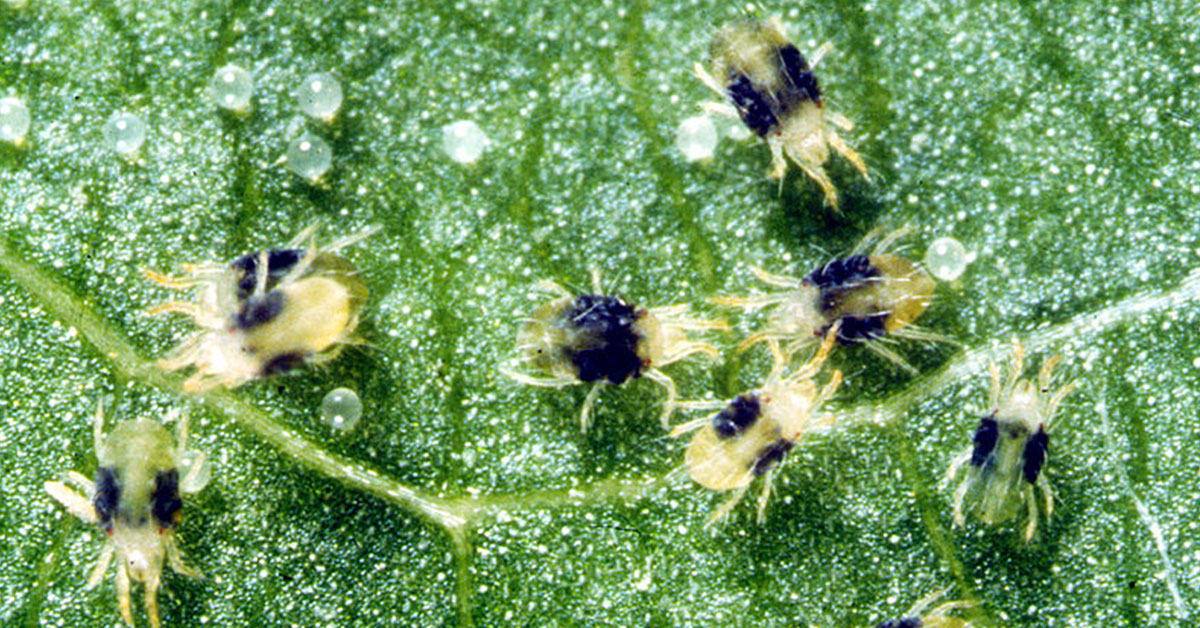
At a glance, you might think your kale or Swiss chard is dotted with specks of dust. Lean in, and you’ll notice minute, moving dots—those are the mites themselves, barely 0.4 mm in length. Early in an infestation, these yellowish or greenish mites crawl across leaf surfaces, often on the undersides where they’re harder to see.
Their rapid reproduction means that what starts as a handful of mites can swell into thousands in no time. I learned this the hard way when a quick swipe of my hand on pepper foliage released a flurry of tiny mites into the sunlight—definitely a heart-stopping moment! Catching them at this stage allows for less intensive control measures, so keep your eyes peeled for these “dust” particles.
Stippling: Pin-Prick Yellow or White Dots

As spider mites feed, they pierce individual plant cells and suck out chlorophyll, leaving behind tiny, pale dots. This stippling is especially prominent on dark-green leaves like those of eggplant (Solanum melongena, native to India and Southeast Asia). Initially subtle, these dots gradually coalesce into larger bleached patches if left unchecked.
Noticing stippling early can save your leafy greens from a slow decline. I once spotted the first pin-prick dots on my lettuce bed and intervened immediately, preventing what could have been a total crop loss. When you see stippling, inspect the foliage closely—and be prepared to act fast!
Leaves Turning Bronze, Yellow, or Tan

Unchecked stippling leads to larger areas of discoloration: leaves take on a dusty bronze or yellow-tan hue. On tomatoes (Solanum lycopersicum, domesticated from wild Andean species), it looks like premature sunburn, but it actually stems from extensive cellular damage caused by feeding mites.
This bronzing often starts on older leaves and moves upward, signaling a widespread infestation. I once watched my zucchini leaves shift to a uniform bronze tone—an unmistakable call to action! When you see that color change, it’s imperative to boost humidity, wash leaves, and apply miticidal treatments before too much photosynthetic tissue is lost.
Leaf Curling, Distortion, or Scorched Edges

As feeding intensifies, damaged cells cause leaves to curl, ripple, or develop crisp, scorched margins. I saw this on my basil (Ocimum basilicum, native to tropical Asia) when new shoots emerged twisted and stunted—a sure sign those mites had been busy under the leaf hairs.
Curling foliage also creates microclimates—hiding places where mites shelter from sprays and predators. When you notice distortion or burnt edges, isolate the plant if possible, prune affected areas, and intensify your control efforts to prevent the colony from spreading.
Premature Leaf Drop and Defoliation
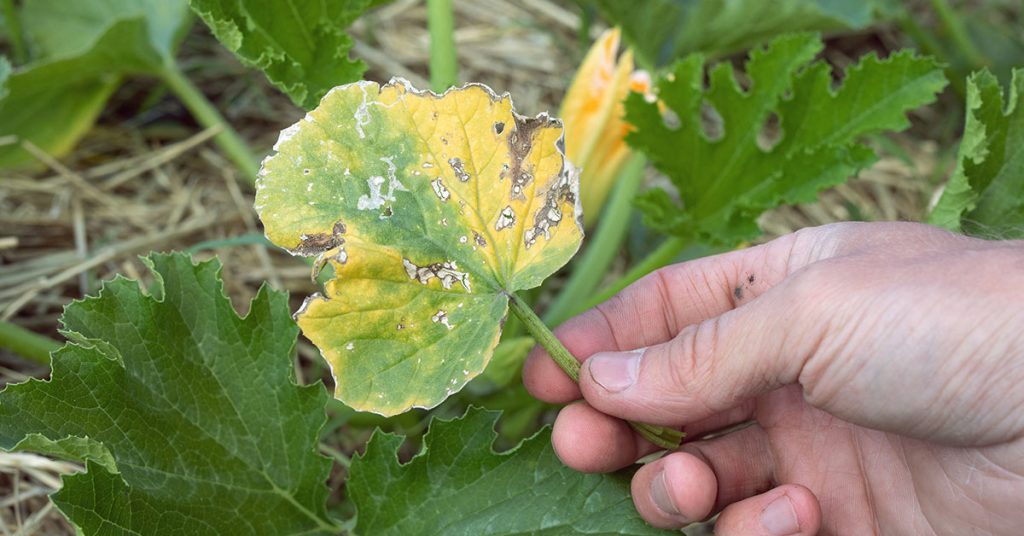
When damage becomes severe, vegetables like beans (Phaseolus vulgaris, native to Central America) abandon their leaves completely. Defoliation is a plant’s survival tactic—shedding compromised foliage to conserve resources—but it leaves you with bare stems and drastically reduced yields.
I once lost a whole row of peppers to sudden leaf drop; what looked like healthy plants one morning were skeletons by afternoon. If you see rapid defoliation, check for mites at the stem bases and leaf axils—spots where they cluster—and treat immediately to save what’s left of your crop.
Visible Mite Eggs on the Underside of Leaves

Before nymphs hatch, female spider mites lay tiny, spherical eggs in clusters on leaf undersides. These translucent spheres are often arranged along veins and shine like droplets in bright light. On my lettuce, the sight of those eggs was like discovering a ticking time bomb—so small yet so portentous!
Removing heavily infested leaves and applying treatments that target both eggs and active mites gives you the best chance to break the reproductive cycle. Keep checking weekly, because new eggs can hatch in as little as three days under warm conditions.
Overall Plant Wilting Despite Adequate Water
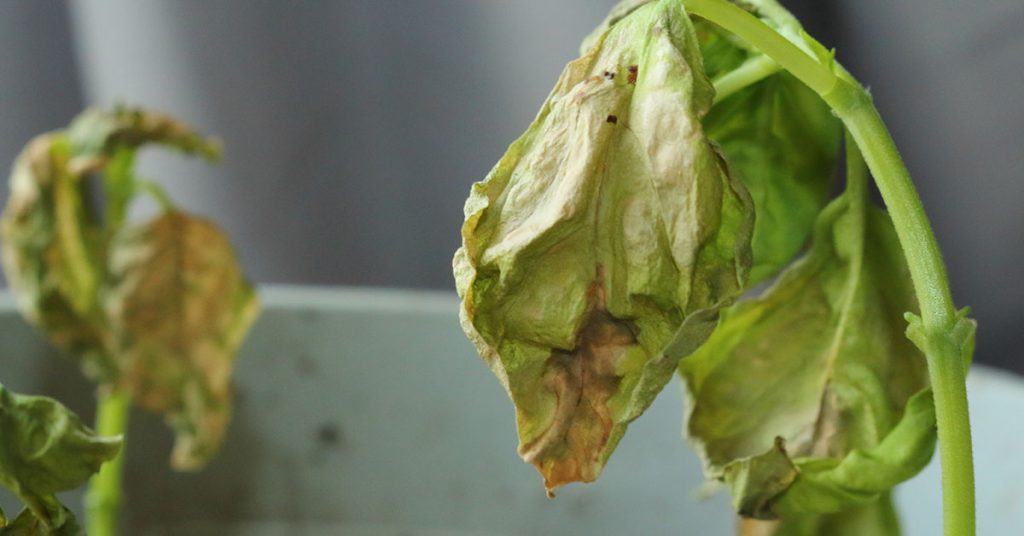
Spider-mite feeding disrupts water transport in leaf veins, causing wilting even when the soil is moist. My zucchini plants would hang limply in the late morning sun despite regular irrigation—an odd behavior that had me suspicious before I spotted stippling.
This “false drought” can prompt overwatering, which in turn invites fungal diseases. Recognizing that wilting coupled with other mite signs points to a pest issue helps you avoid compounding stress with misguided watering adjustments.
Slow Growth and Reduced Yield

Ultimately, a heavy spider-mite infestation steals a plant’s vigor. Fruiting vegetables like eggplants and squash produce fewer blossoms, smaller fruits, and delayed maturation as energy diverts to repair leaf damage.
I tracked my infested tomato harvest against an unaffected bed and saw yields plummet by half—proof that mites are productivity killers. If you notice sluggish growth in tandem with any of the other signs, it’s time to inspect closely for these tiny attackers and start your integrated pest-management plan.