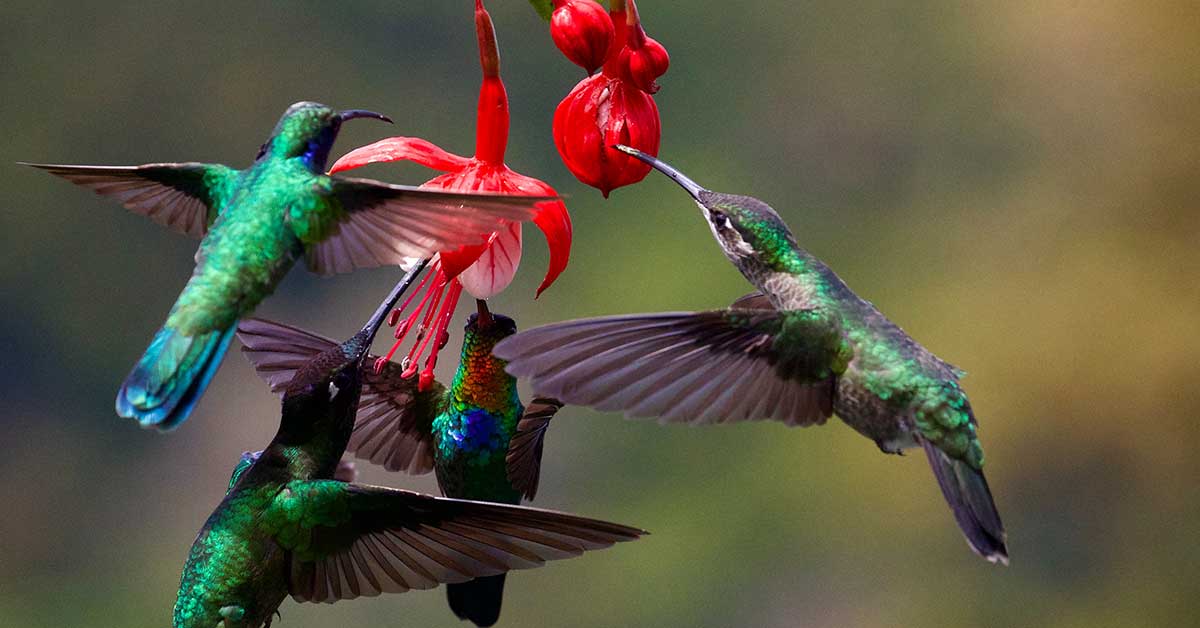

It’s such a thrill when those iridescent little dynamos zip through your garden, sipping nectar and dancing in the sun! Hummingbirds aren’t just drawn to bright colors—they look for copious nectar, tubular blooms, and safe perches where they can rest between feedings. I remember the first time a ruby-throated hummingbird hovered at my bee balm patch—I nearly squealed with delight!
Creating a hummingbird haven means choosing plants that cater specifically to their feeding and behavioral needs. From native perennials to exotic exotics, each of the following sixteen plants brings something special. We’ll cover where each species hails from, whether it’s prone to spreading beyond bounds, and how it supports the fascinating behaviors of these winged jewels.
Zinnia (Zinnia elegans)
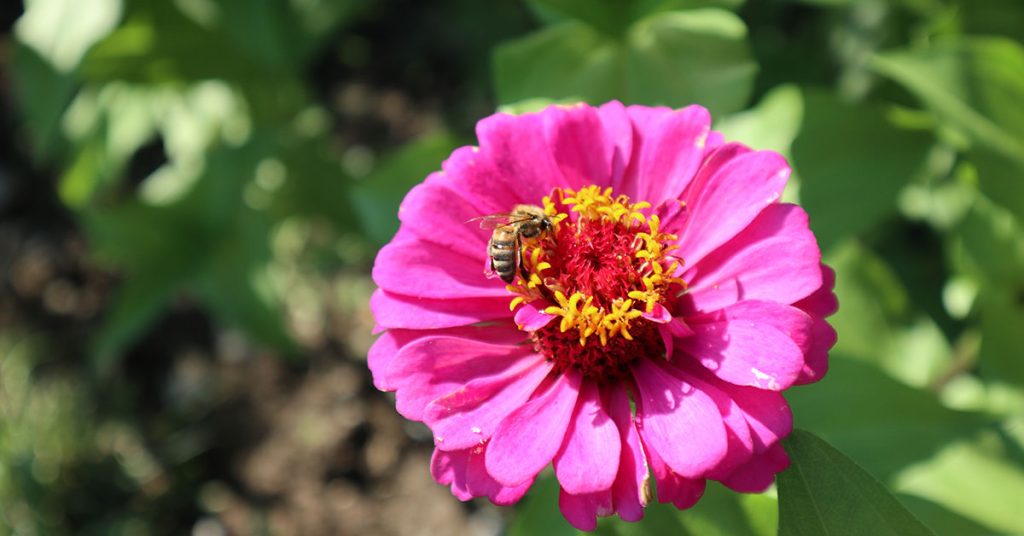
Native to Mexico, Zinnias are non-invasive annuals renowned for their flat-faced blooms in a rainbow of colors. Their open flower heads provide a perfect landing pad for hummingbirds, allowing these tiny acrobats to perch and feed comfortably.
Hummingbirds like painted ladies and ruby-throats often return to the same zinnia head multiple times, darting in and out with lightning speed! I love that by deadheading spent flowers, you prolong the bloom season and keep the hummingbird traffic buzzing through late summer.
Coral Honeysuckle (Lonicera sempervirens)
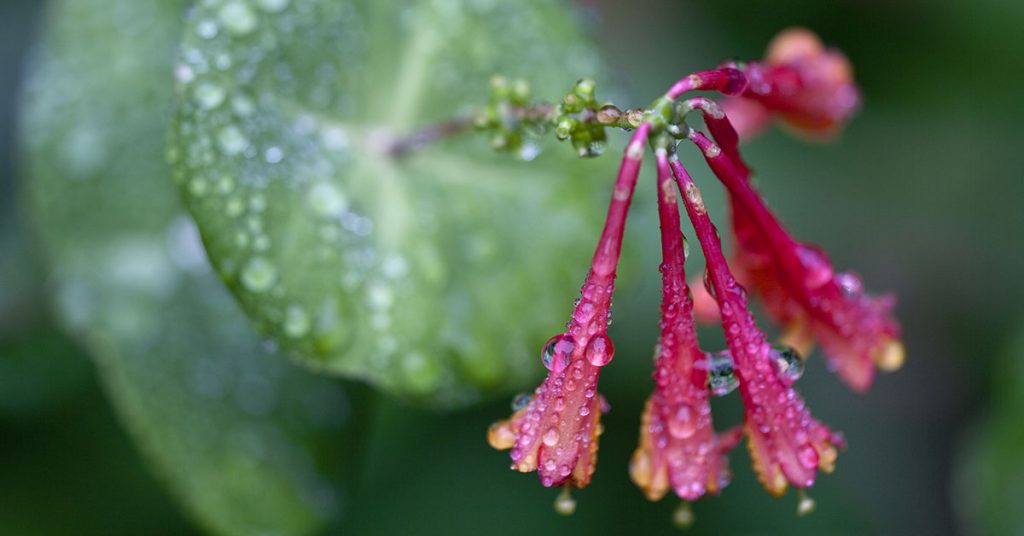
Coral honeysuckle hails from the southeastern United States and is generally well-behaved, non-invasive—unlike its more aggressive cousin Japanese honeysuckle. Its tubular red flowers unfurl in spring, drawing hummingbirds who brush against the nectar-rich interiors.
I’ve watched hummingbirds slip into each blossom, then perch on nearby twigs to preen and digest before diving back for more. The vine also offers dense foliage that some species use as sheltered perches or even nesting support!
Scarlet Sage (Salvia coccinea)

Scarlet sage, native to the southeastern U.S. and parts of Central America, is a tender perennial often grown as an annual in cooler climates. It’s not invasive, and its bright red, tubular flowers bloom prolifically from summer into fall.
Hummingbirds adore the deep corolla of scarlet sage, hovering in mid-air as they sip! These small perches let them patrol feeding territories, calling out to rivals with rapid wingbeats.
Phlox (Phlox paniculata)

Eastern North American phlox is a sturdy, non-invasive perennial, beloved for its clusters of fragrant blooms in shades of pink, white, and lavender. It thrives in sun or partial shade, filling midsummer borders with sweet nectar.
Hummingbirds exhibit “clinging and feeding” behavior here—locking onto the flower clusters with tiny feet while they sip. I still get excited when I hear the soft buzz of wings above my phlox patch in the early morning!
Fuchsia (Fuchsia magellanica)

Originally from South America, hardy fuchsia is non-invasive and perfect for hanging baskets or shaded borders. Its drooping, bi-colored blossoms are magnets for hummingbirds seeking sweet nectar in cooler, shadier spots.
I love seeing hummingbirds tip vertically into each pendant bloom, their long bills perfectly aligned with the flower’s tube! Plus, the arching habit of fuchsia provides cozy roosts where they can pause between sips.
Bee Balm (Monarda didyma)

A native of eastern North America, bee balm is a vigorous perennial—but it’s not invasive and self-seeds only moderately. Its shaggy red, pink, or purple flowers burst in midsummer, releasing enticing minty aromas.
Hummingbirds swarm these blooms, often foraging in a “gang” of two or three at once. I once counted five ruby-throats weaving in and out of my bee balm patch—it felt like hosting a mini hummingbird festival in my backyard!
Firebush (Hamelia patens)

Firebush, native to the American tropics, can naturalize in warm climates but rarely becomes truly invasive in temperate gardens. Its fiery orange-red tubular clusters bloom nearly year-round in frost-free areas.
Hummingbirds exhibit “puddle-sipping” behavior here—perching on the branching stems to dive-bomb each bloom. The dense shrub also offers excellent perches for hummingbird courtship displays and brief nesting support!
Bottlebrush (Callistemon citrinus)

Hailing from Australia, bottlebrush is a woody shrub prized for its dramatic, red, brush-like flowers. It’s generally non-invasive outside its native range and tolerates a variety of soils once established.
The bright red stamens are like neon signs to hummingbirds, who cling to the slender spikes while feeding. I find these shrubs double as perfect lookout posts where hummingbirds scan for insects and rivals between nectar breaks.
Trumpet Vine (Campsis radicans)
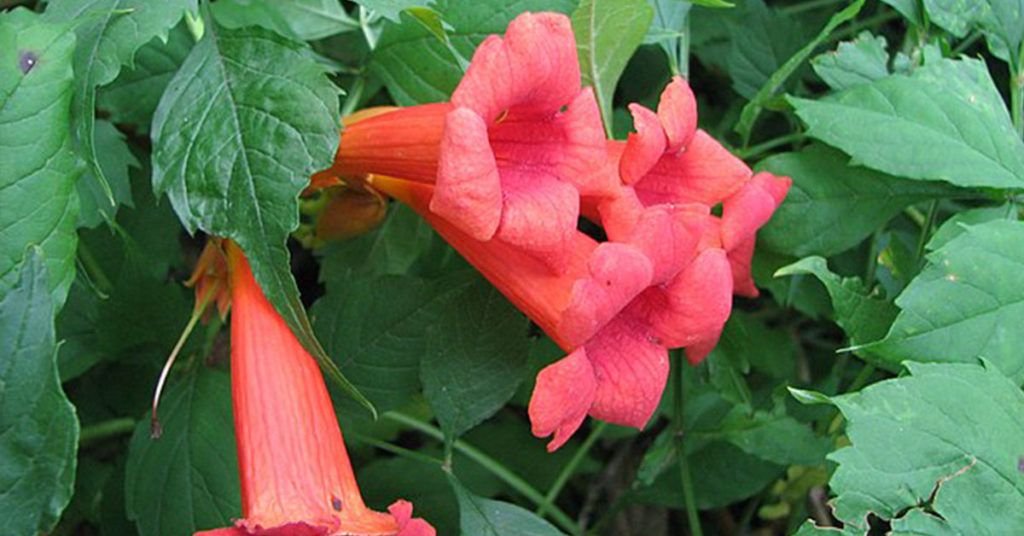
Native to the southeastern U.S., trumpet vine can be quite aggressive, spreading via suckers—so plant it in a controlled area or a large container. Its tubular orange-red flowers are irresistible to hummingbirds in midsummer.
Hummingbirds often use the sturdy vines as chase-rails, darting along the stems during territorial skirmishes! Their courtship dive-bombs and aerial displays around these vibrant blooms are a spectacle I never tire of.
Penstemon (Penstemon digitalis)
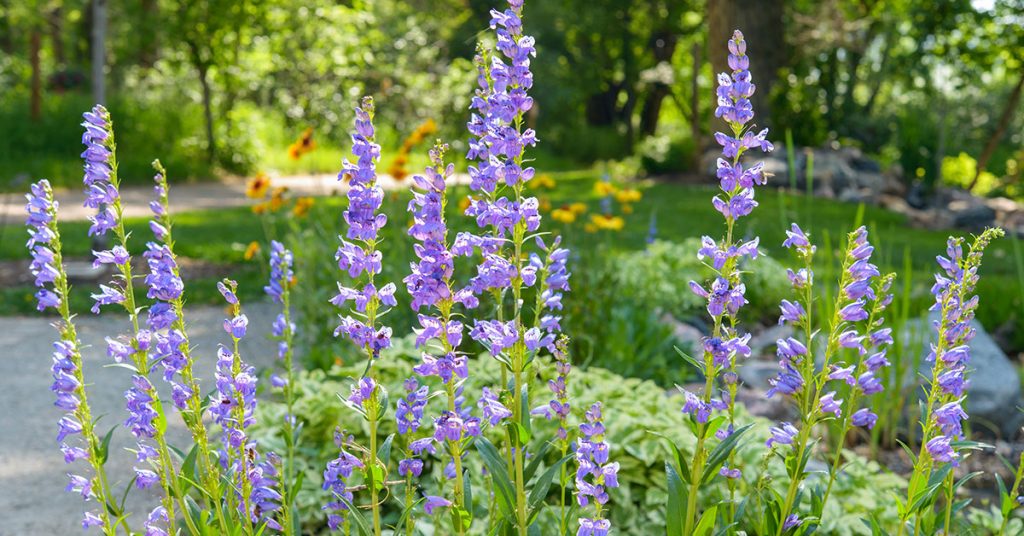
Penstemon, native to North America, is a clumping perennial with pale pink to white tubular flowers. It’s non-invasive and thrives in well-drained soils, adding architectural grace to spring borders.
Hummingbirds hover in front of each flower, sometimes “backing up” to access nectar from unopened buds—a clever feeding behavior I’ve noticed only in penstemons. Their ability to exploit every drop of nectar amazes me every season!
Hummingbird Bush (Anisacanthus quadrifidus var. wrightii)
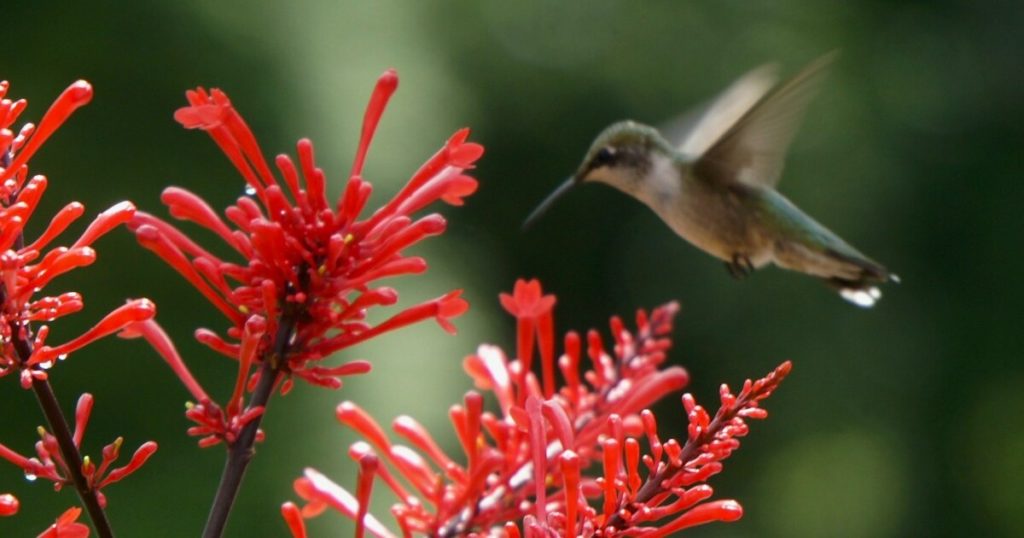
Also known as Wright’s desert honeysuckle, this shrub is native to Texas and Mexico and rarely escapes cultivation. Its coral-red tubular blooms appear all summer, providing a consistent nectar source.
Hummingbirds often perch on its arching branches, feeding in rapid succession from one flower to the next. I love how the bush’s airy form offers both feeding stations and protective cover for these tiny birds!
Cardinal Flower (Lobelia cardinalis)
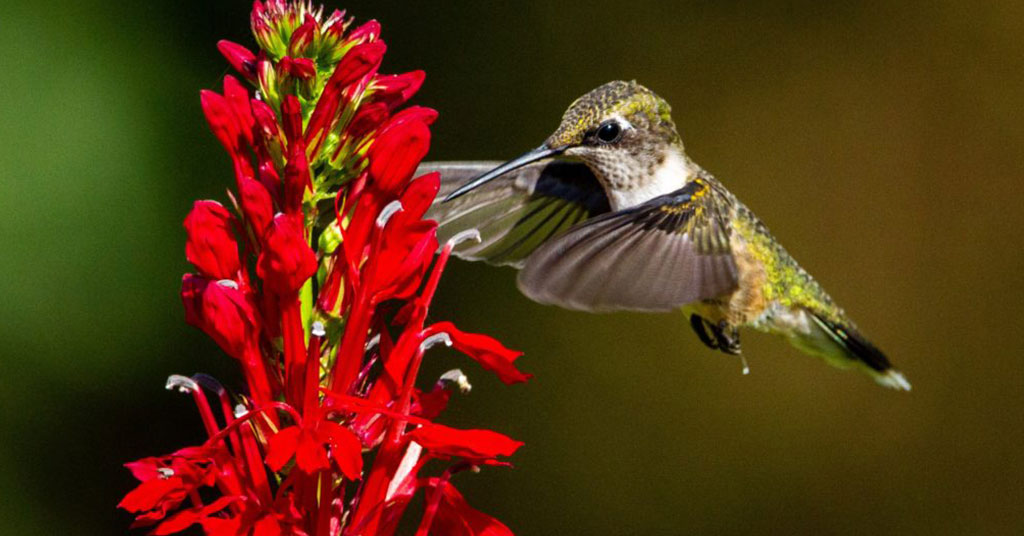
Cardinal flower, native to moist woodlands of eastern North America, is a non-invasive perennial with brilliant red spires. It prefers damp spots near water, making it perfect for rain gardens.
Hummingbirds flock to these scarlet spikes, clinging to the stems as they sip deep into each tubular blossom. Their energetic hovering coupled with quick wingbeats makes every feeding session look like a mini dance performance!
Lantana (Lantana camara)

Native to tropical America, lantana can be invasive in warm, frost-free areas—opt for sterile cultivars to avoid escape. Its multicolored umbels in orange, yellow, pink, or red bloom profusely from summer to frost.
Hummingbirds exhibit “circular sipping,” flying in tight loops around each flower cluster. Watching them track individual florets in a dizzying spiral is one of my favorite backyard shows!
Columbine (Aquilegia canadensis)
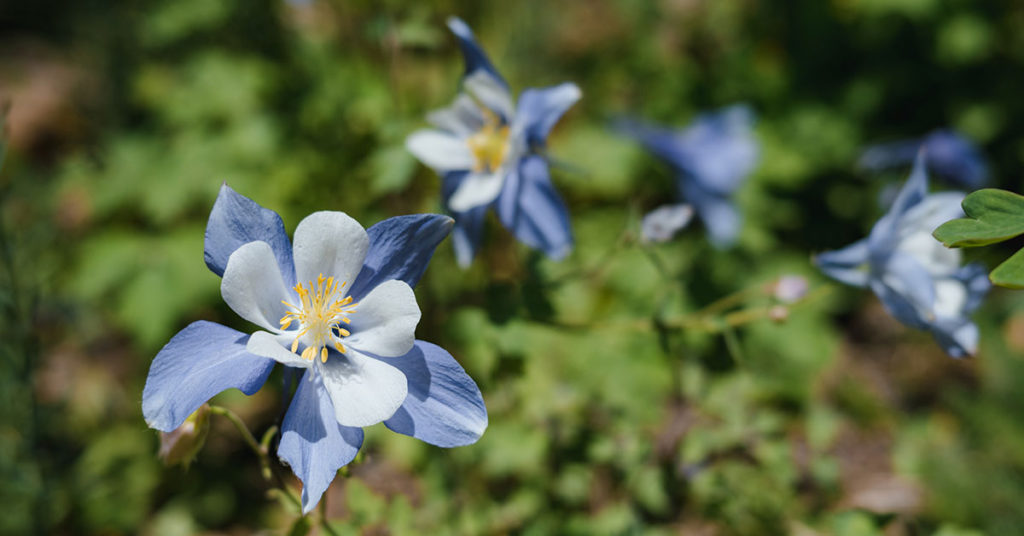
Eastern North American columbine is a non-invasive perennial that sports red-and-yellow nodding blooms in late spring. It’s perfect for woodland edges or partial shade, adding early-season nectar for migrating hummingbirds.
The pendulous flowers invite hummingbirds to hover beneath, extracting nectar from the spurs—sometimes upside-down! Their acrobatic feeding dives are always a delight to witness against the backdrop of fresh spring foliage.
Agastache (Agastache spp.)
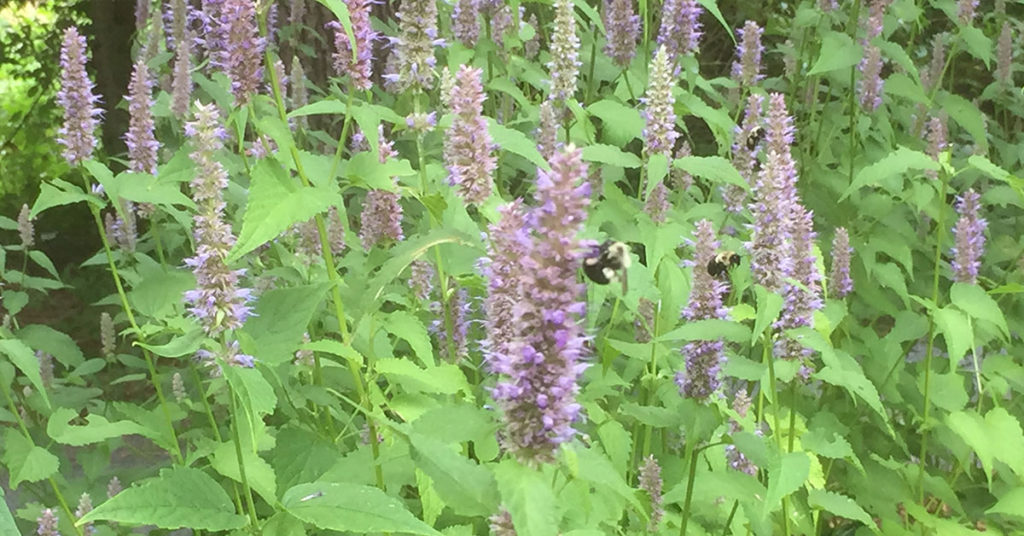
Also called hummingbird mint, Agastache is native to North America and Mexico, with tall spires of purple, pink, or orange flowers. It’s non-invasive and drought-tolerant, thriving in sunny, well-drained soils.
Hummingbirds sip from the densely packed flowers, then often perch on the rigid stems to preen or catch insects. I’ve noticed they return to the same agastache spikes daily—an endorsement I take as a gardener’s badge of honor!
Salvia (Salvia splendens)
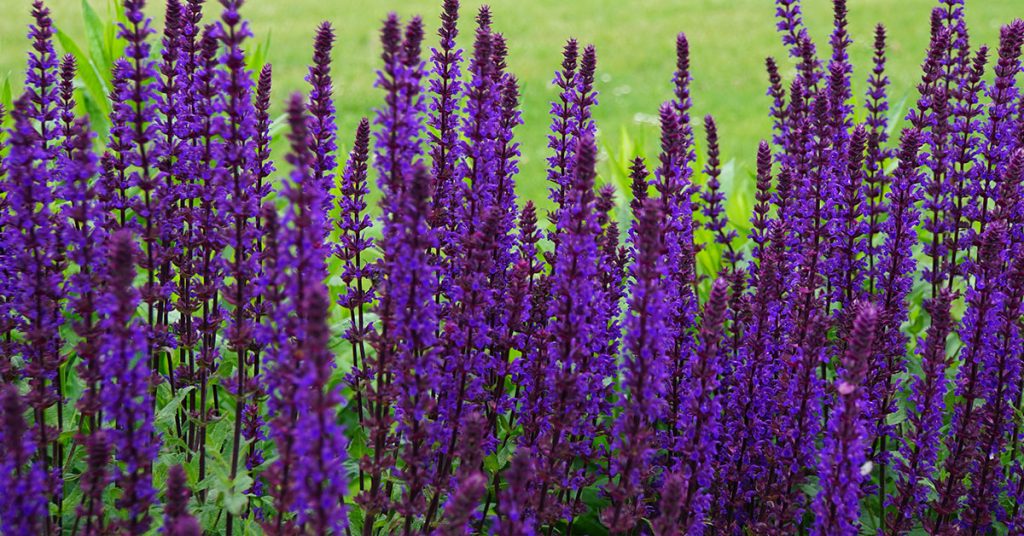
Scarlet salvia, native to Brazil, is a tender perennial often treated as an annual. It’s non-invasive and boasts upright spikes of bright red tubular flowers that shine in full sun.
Hummingbirds “zig-zag” between individual blossoms, using rapid wingbeats to hover in place. Their territorial zoom-ins on salvia patches—chasing away other pollinators—remind me that these tiny birds pack a mighty personality!