
There’s something profoundly uplifting about seeing blooms unfurl in your garden, as if each petal carries a whisper of liberation on the breeze. Flowers have long been woven into human stories, representing aspirations of self-determination, the breaking of chains, and the courage to stand tall against adversity. Choosing blooms that embody freedom and independence doesn’t just add beauty to your borders—it imbues your space with the spirit of resilience and self-expression.
In the list below, you’ll find fifteen remarkable flowers—each with its own heritage, symbolism, and ecological role. We’ll delve into their native origins (most of these species are well-behaved in home gardens and rarely invasive), explore which pollinators and beneficial creatures they invite, and offer tips on cultivation so you can celebrate independence in full bloom. Get ready to discover how your garden can tell a story of liberation, one flower at a time!
Thistle
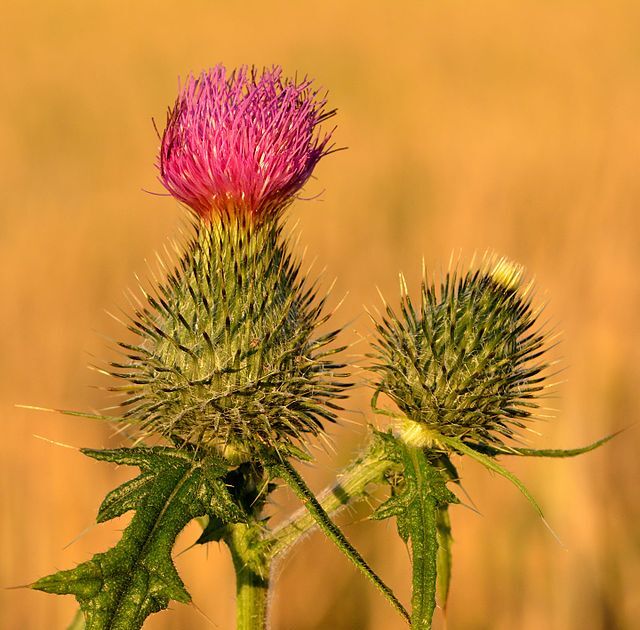
Thistles (Cirsium spp.) wear their prickles like armor, symbolizing both protection and the fierce independence to thrive in challenging soils. Native to Europe and parts of Asia, some species can spread via wind-borne seeds, so they’re best planted in confined beds or containers where you can enjoy their dramatic purple blooms without worrying about invasiveness.
These spiky sentinels also attract a host of beneficial insects: butterflies sip their nectar, and goldfinches nest nearby to harvest seeds. Their bold presence in the garden is a reminder that freedom sometimes means standing your ground and embracing prickly edges to keep your dreams safe!
Lotus

The lotus (Nelumbo nucifera) rises pristine from murky waters, a timeless emblem of spiritual liberation and the triumph of light over darkness. Native to Asia, it isn’t invasive when grown in contained ponds or large containers, but it does demand full sun and consistently warm, shallow water—conditions that mirror its native tropical wetlands.
Bees and hoverflies are drawn to the lotus’s broad petals and abundant pollen, and pond-dwelling creatures take shelter among its floating leaves. Planting lotus is a statement of independence from the ordinary—transforming any water feature into a sanctuary of resilience and renewal!
Wild Rose

Wild roses (Rosa spp.) symbolize unbridled freedom—the untamed beauty of nature in full bloom. Many species, such as Rosa rugosa from eastern Asia, form dense, thorny hedges that discourage intruders while offering fragrant blossoms and abundant hips. Though they can self-seed in mild climates, these roses are generally easy to manage with annual pruning.
Pollinators like bees adore wild roses, and birds use the thorny thickets for nesting protection. Let these roses grow in a corner of your garden to celebrate the independence of nature’s design, reminding you that strength and beauty can coexist in harmony!
Lupine
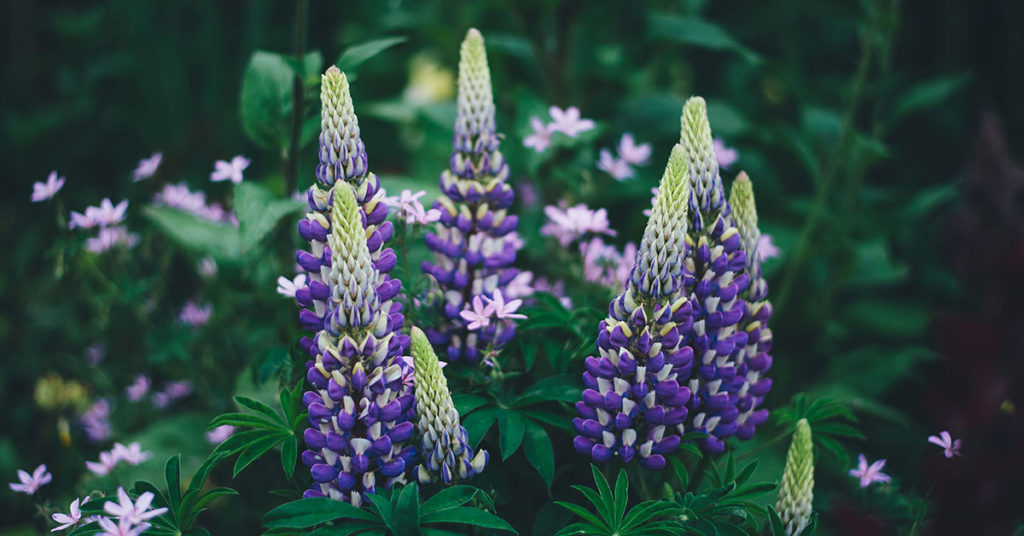
Lupines (Lupinus spp.) burst into towering spikes of vibrant flowers, symbolizing the freeing power of personal growth and new horizons. Native to North and South America, some lupines can spread in poor, sandy soils—but in most home gardens they stay well-behaved, especially when deadheaded to prevent excessive self-seeding.
Their nectar-rich blooms attract bumblebees, hummingbirds, and other pollinators, which often nest in nearby grass tussocks. By planting lupines, you invite winged allies into your garden and honor the idea that independence often blossoms through connection with community!
Dahlia
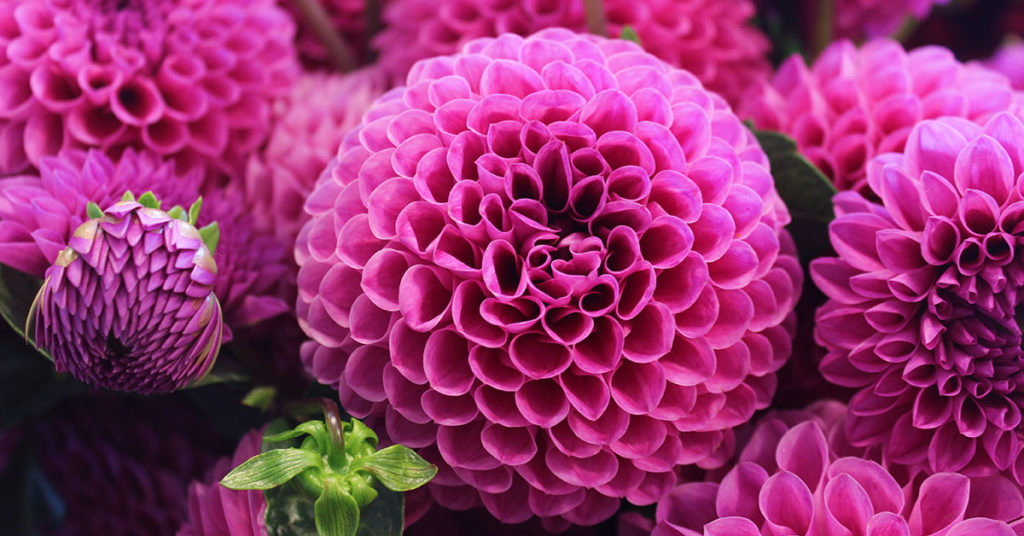
Dahlias (Dahlia pinnata) hail from Mexico and Central America, representing the freedom to express one’s unique inner colors. These tuberous perennials are noninvasive but require lifting or mulching in colder zones to overwinter successfully. With blossoms ranging from pom-pom spheres to spiky stars, dahlias invite you to break free from uniformity and embrace variety!
Their nectar and pollen draw butterflies, hoverflies, and solitary bees, which sometimes make nests in nearby soil. Cultivating dahlias is a joyful act of independence—designing each bloom shape and hue as a personal declaration of creative freedom!
Iris
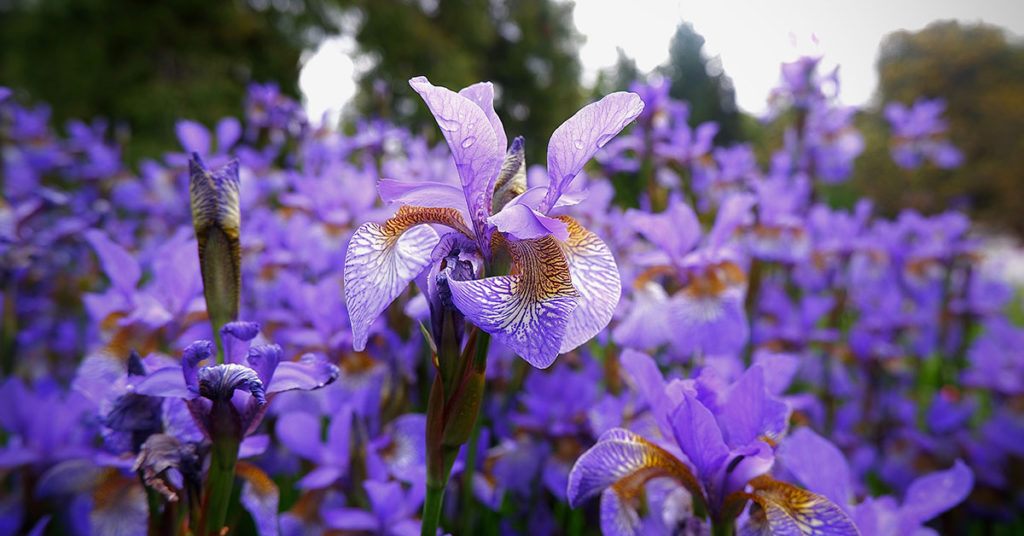
Irises (Iris spp.) stand tall on regal stems, their intricate blooms symbolizing courage, wisdom, and the independence to stand apart. Native to temperate regions of Europe, Asia, and North America, most iris species are well-behaved in garden beds, though some rhizomatous types can spread if not divided every few years.
These flowers attract butterflies and native bees, which nest in ground litter around the clumps. Growing irises is like staking your claim in the garden: you’re honoring the freedom to rise above constraints and showcase your unique patterns!
Gladiolus

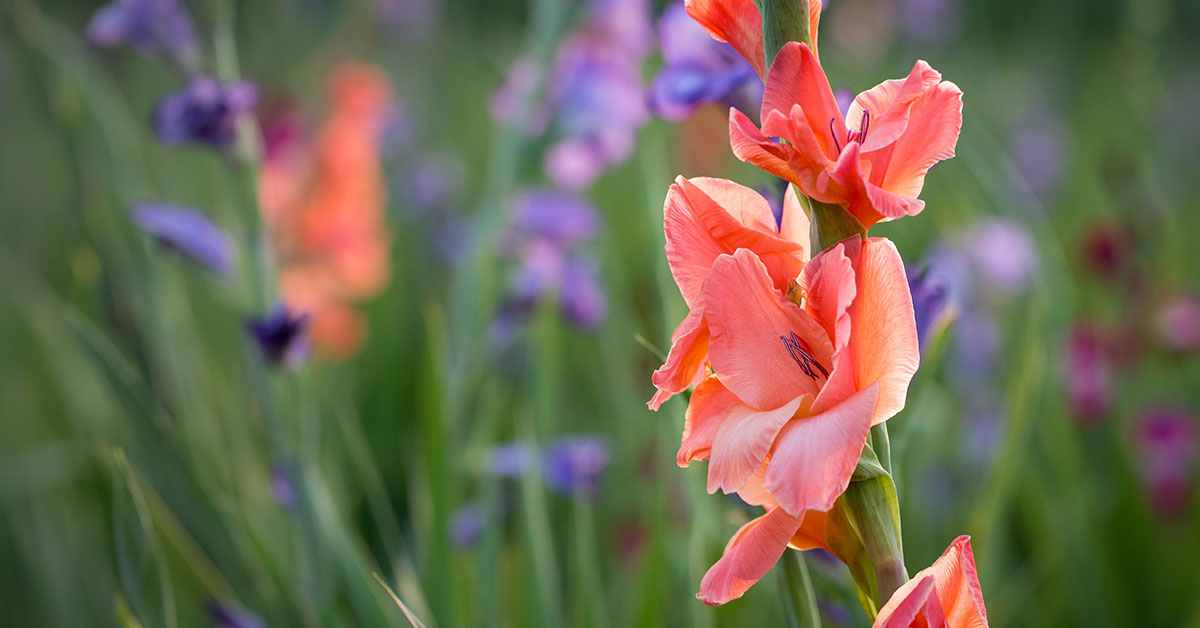
Gladiolus (Gladiolus spp.) fans out in dramatic columns of blossoms, symbolizing strength and unwavering resolve—qualities essential to independence. Originating from South Africa and Eurasia, gladioli grow from corms and seldom become invasive, so you can line them up in borders or containers for a bold statement.
Butterflies and hummingbirds flock to their tubular blooms, sometimes nesting in nearby shrubs. Each spear of gladiolus you plant is a declaration of personal power, an invitation to stand tall in the face of challenge!
Foxglove
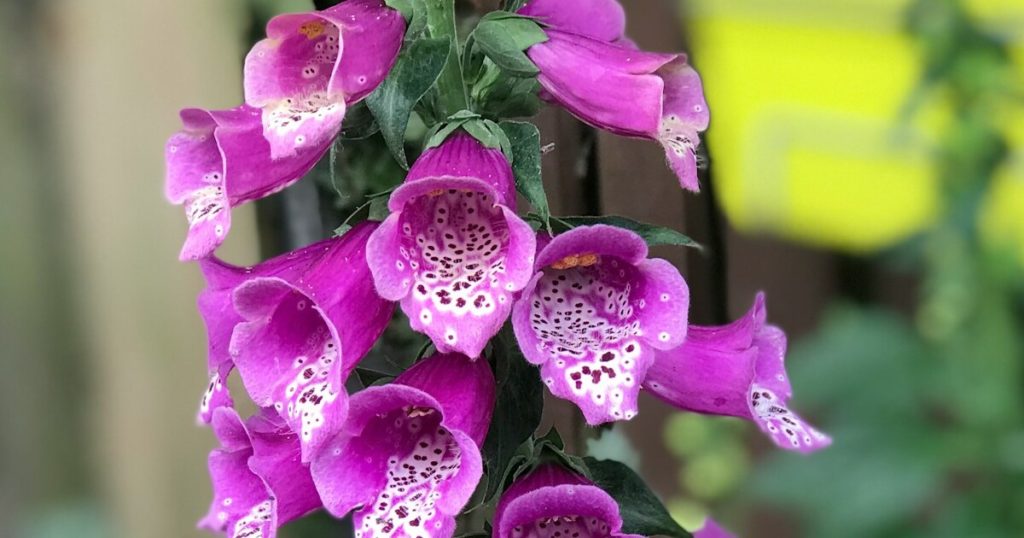
Foxglove (Digitalis purpurea) features nodding, bell-shaped flowers that evoke both spellbinding beauty and the freedom to carve one’s own path. Native to Europe and western Asia, foxglove self-sows readily—so deadheading spent blooms helps contain volunteers and keeps its presence deliberate rather than invasive.
Hummingbirds and bumblebees hover around foxgloves, occasionally nesting in nearby hollow stems or log piles. Let this enchanting biennial remind you that independence often involves a touch of mystery and the courage to shape your own story!
Forget-Me-Not
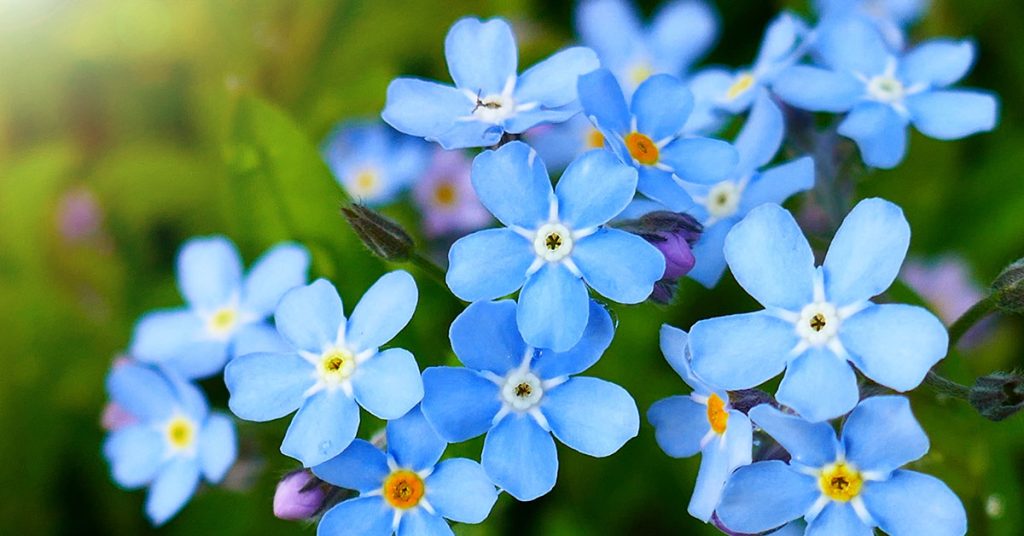
Forget-me-nots (Myosotis spp.) carry a promise of remembrance and the freedom to cherish personal bonds across distances. These sweet, sky-blue flowers trace back to Europe and Asia and will self-seed generously in moist, shaded areas—though they rarely become uncontrollable.
Their clusters attract solitary bees and small butterflies, which nest in leaf litter under garden shrubs. Planting forget-me-nots is a tender act of independence—an assertion that even when paths diverge, memories and connections remain strong!
Poppy
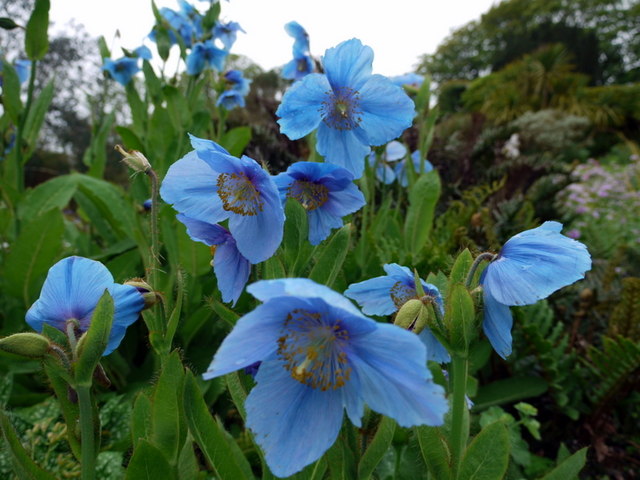
Poppies (Papaver spp.) bloom in fiery reds and soft pinks, representing both remembrance and the freedom found in peaceful sovereignty. Native across Europe and Asia, some poppy species self-seed prolifically but rarely become invasive in well-tended beds.
These delicate flowers entice bees and hoverflies, which nest in the loose soil around the plants. Growing poppies is a tribute to independence achieved without conflict—celebrating resilience through gentle beauty!
Protea

Proteas (Protea spp.) from South Africa epitomize bold independence, their exotic bracts resembling artful crowns. These striking shrubs prefer acidic, well-drained soils and full sun, and they’re noninvasive in temperate gardens when given proper drainage.
Birds like sunbirds and honeyeaters feed on protea nectar, sometimes nesting in their sturdy woody stems. Embracing protea in your landscape is an ode to forging your own path—standing out proudly against the ordinary!
Morning Glory
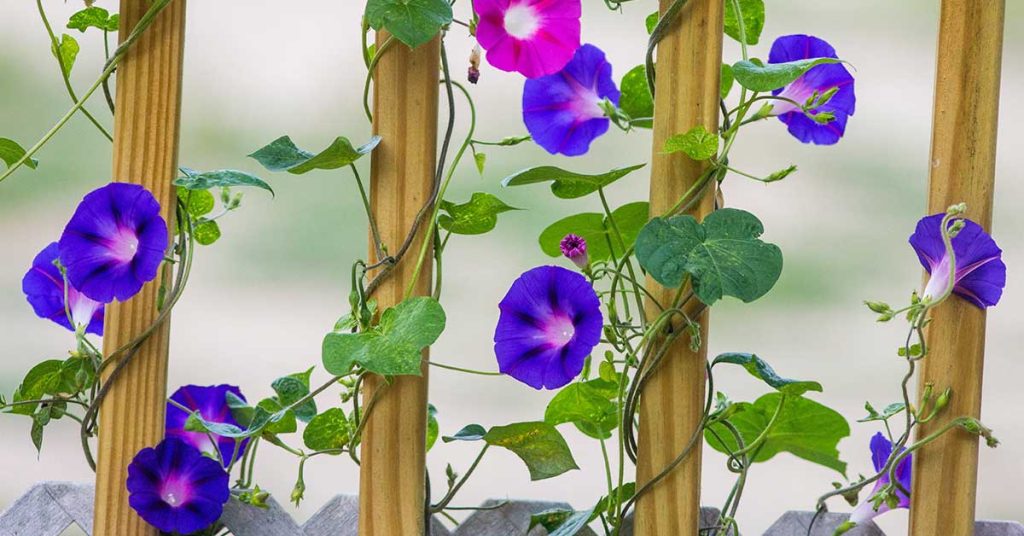
Morning glories (Ipomoea spp.) unfurl at dawn, symbolizing the freedom of new beginnings and the chance to greet each day afresh. Native to tropical Americas, some varieties can be vigorous self-seeders, so training them on trellises or archways contains their exuberance.
Their trumpet-shaped flowers attract hummingbirds and day-flying moths, which nest in nearby vines or climbing shrubs. Let morning glories climb your supports as a daily reminder of independence’s renewal—each bloom a fresh declaration of possibility!
Lily
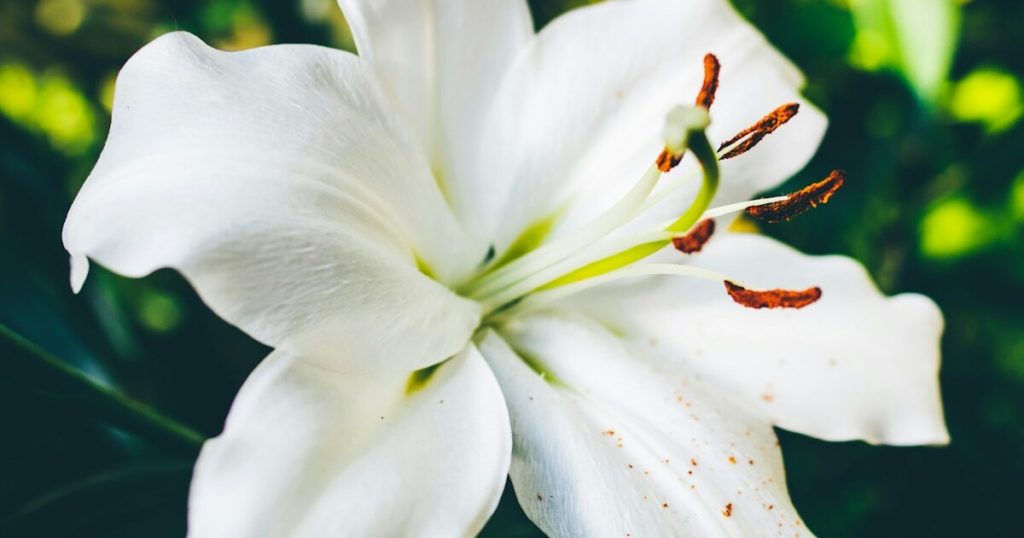
Lilies (Lilium spp.) stand as beacons of purity, courage, and the independence to pursue beauty on your own terms. Native to temperate regions of the Northern Hemisphere, true lilies grow from bulbs and generally remain well-behaved, although some species spread by underground stolons.
Their large, fragrant blooms are magnets for hummingbirds and large butterflies, which often nest in concealed ground spaces nearby. Cultivating lilies honors the freedom to rise above, lifting your garden—and your spirit—toward the sky!
Daffodil
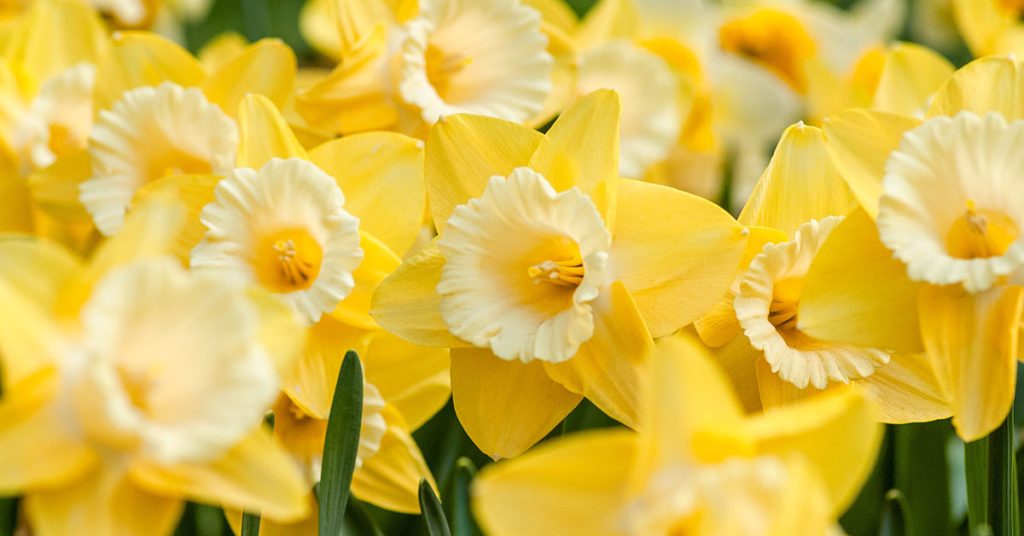
Daffodils (Narcissus spp.) herald spring’s arrival, symbolizing rebirth, confidence, and the independence to emerge anew after winter’s trials. Originating from Europe and North Africa, daffodils naturalize in many climates without becoming invasive, creating cheerful drifts year after year.
Their trumpet forms attract nectar-feeding bees, which sometimes nest in tunnelled burrows under garden stones. Planting daffodils is a celebration of self-sufficiency and renewal—proof that, like these bulbs, you can weather dormancy and bloom again!
Sunflower
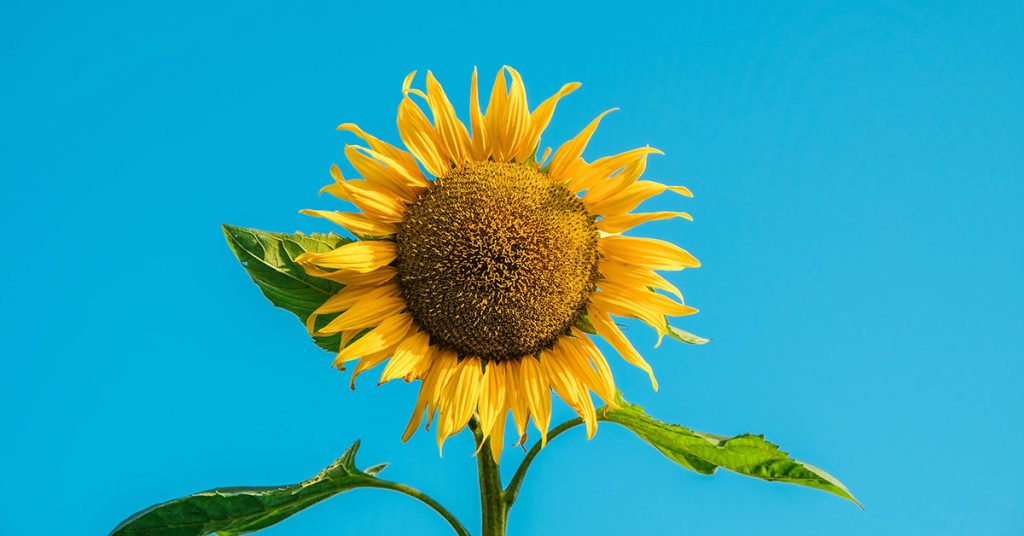
Sunflowers (Helianthus annuus) turn their faces toward the sun, embodying unwavering optimism and the freedom to follow one’s dreams. Native to North America, they self-seed modestly in home gardens, rewarding cleanup courses with new volunteers each season.
Bees, goldfinches, and other seed-eating birds flock to sunflowers—goldfinches often nesting in nearby shrubs to perch and dine on the ripening seeds. Growing sunflowers is a joyous affirmation of independence—reaching ever upward, basking in opportunity and light!