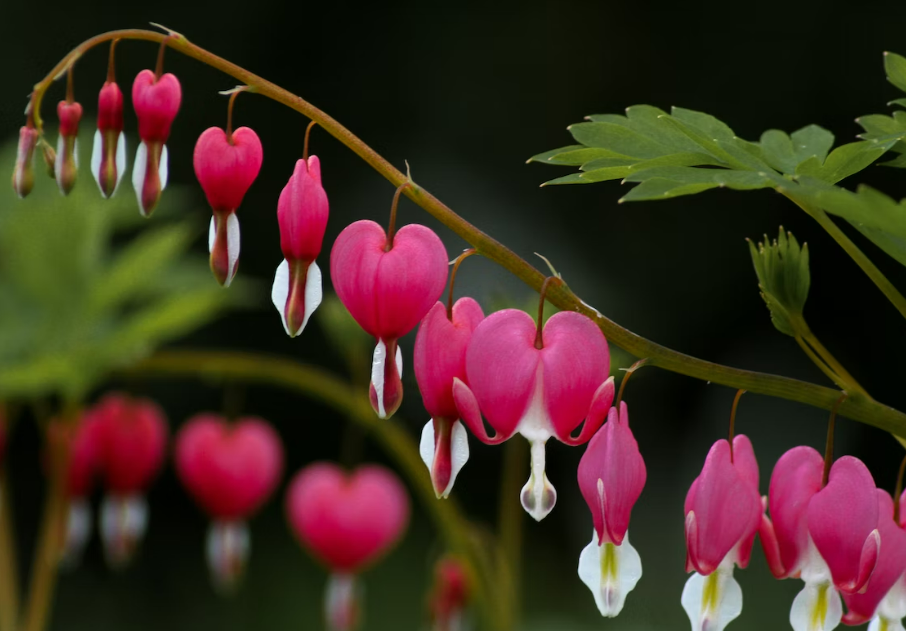

Bleeding hearts (Dicentra spectabilis) are one of my favorite spring delights, with those pendant, heart-shaped flowers that dance on arching stems! It’s such a bummer when your patch of rosy blooms fails to open, leaving you with spindly foliage instead of the showstopper display you anticipated. I know how frustrating it can be to carefully nurture these perennials—native to Siberia, northern China, Korea, and Japan—and still watch them sulk when the season arrives.
These plants aren’t invasive in typical home gardens, yet their specific needs can be surprisingly finicky. In the sections that follow, we’ll explore eight common culprits—from pests nibbling at buds to soil that’s either too soggy or bone-dry—that can keep your bleeding hearts from putting on their signature springtime performance. Let’s dig in and get those blossoms back on track!
Pests and Diseases
Aphids, slugs, and chewing caterpillars can damage tender buds before they even open, leaving unsightly holes or stunted growth. Aphids cluster on new shoots, sucking sap and secreting sticky honeydew that encourages sooty mold. Slugs and snails, drawn to the moist base of the plant, feast on young leaves and flower buds overnight!
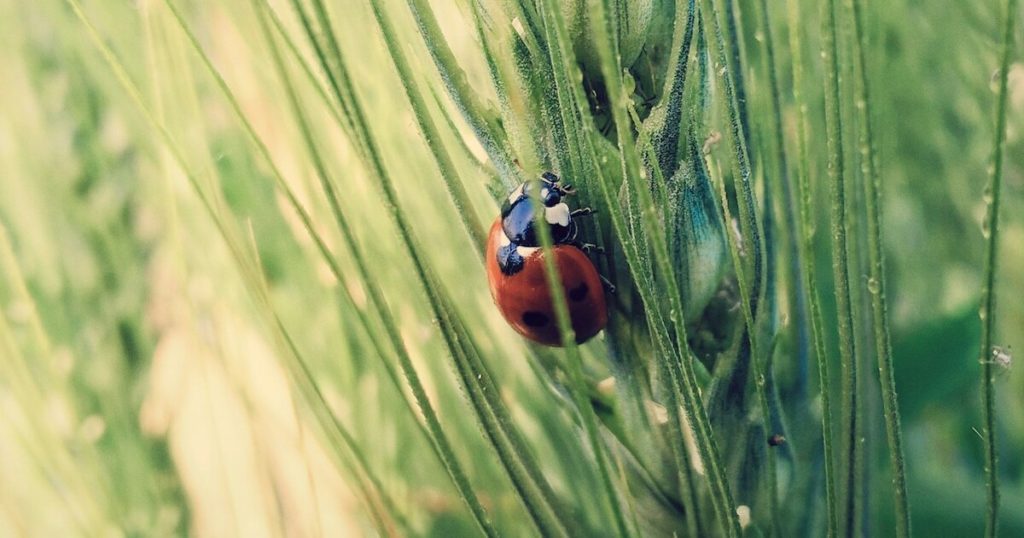
Bleeding hearts attract beneficial insects like ladybugs and lacewings—whose larvae prey on aphids—and ground beetles that hunt slugs, especially if you’ve left some mulch and leaf litter for them to nest in. Encouraging these predators by planting companion flowers like alyssum can restore balance and protect your blooms.
Too Much Sun Exposure

Although bleeding hearts appreciate bright spring light, full sun—especially in warmer zones—can scorch foliage and stress the plant, leading to bud drop. Their native woodlands offer dappled shade; harsh afternoon rays can bleach leaves and sap energy that would otherwise fuel flowering!
If your patch sits in a south- or west-facing bed, consider installing a shade cloth or interplanting with taller spring bulbs (like daffodils) to filter the sunlight. This mimics their natural understory habitat and keeps the foliage cool and turgid, encouraging those graceful flowers to open fully.
Nutrient Imbalance

Excessive nitrogen from high-nitrogen fertilizers often promotes lush foliage at the expense of blooms, while a deficiency in phosphorus can directly inhibit flower bud formation. If your bleeding hearts leaf out thick and dark green but rarely bloom, consider switching to a bloom-focused feed with a higher middle (phosphorus) number!
I side-dress lightly with bone meal or rock phosphate in early spring to boost flowering potential, and follow up with a balanced organic fertilizer once buds set. This ensures your plants have the right nourishment for both healthy foliage and abundant blossoms.
Insufficient Cold Period

Bleeding hearts require a winter chill to initiate their spring bloom cycle. In regions with mild winters, they may never accumulate the cool hours they need, resulting in late or sparse flowering. If you notice buds forming slowly or not at all, lack of adequate dormancy could be the culprit!
To mimic colder conditions, give your crowns a chance to experience chill by mulching lightly with leaf mold in late fall and removing it once new growth begins. This encourages natural temperature fluctuations around the crown, signaling your plants that it’s time to bloom.
Poor Soil Drainage

Waterlogged soil suffocates roots and encourages crown rot, which can stunt overall plant vigor and prevent flower development. Bleeding hearts prefer moist but well-drained loam—heavy clay beds or poorly drained raised beds often spell trouble!
Amend your planting area with generous amounts of compost and coarse sand or perlite to improve structure and drainage. Raised beds can also be a game-changer, lifting crowns above waterlogged ground and ensuring roots stay healthy enough to produce those signature blossoms.
Premature Cutting-Back
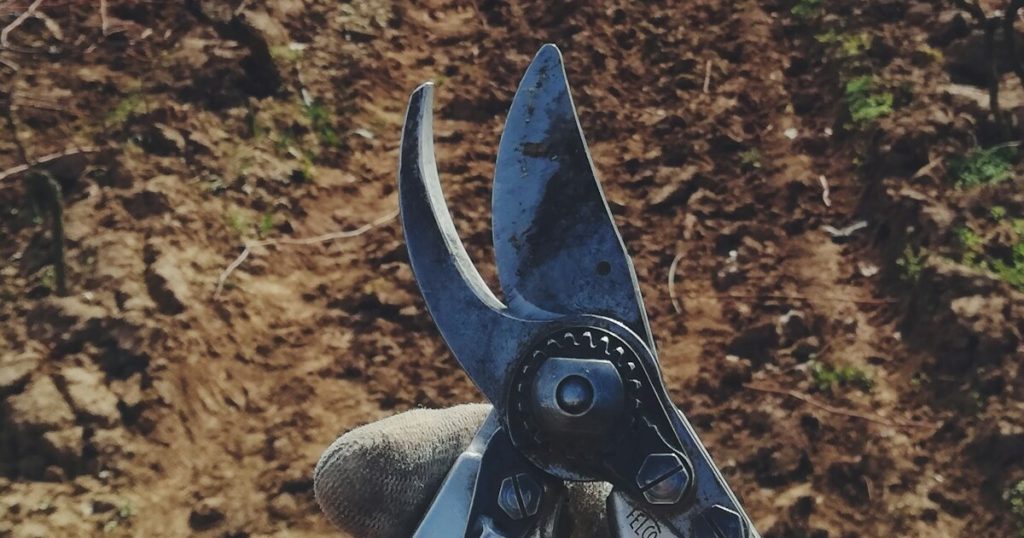
Cutting foliage too early—often when leaves start to yellow in late spring—can deprive developing flower buds of vital energy reserves. While faded foliage can be unsightly, those green leaves continue photosynthesizing, feeding next season’s root and bud development!
I allow my bleeding hearts to die back naturally, waiting until all foliage has browned before removing stems at ground level. This patience ensures bulbs and crowns store maximum nutrients for robust bloom cycles in the seasons ahead.
Heat Stress in Late Spring

Sudden temperature spikes—in the 80s or 90s°F—can shock bleeding hearts as they transition from cool-season growth to bloom. Heat stress often causes bud abortion, wilting, and curled leaves, especially when daytime heat coincides with dry soil!
A light layer of organic mulch helps moderate root-zone temperatures and conserve moisture, while daily morning watering provides relief before the hottest hours. Mimicking the cool, moist understory conditions of their native woodlands supports strong, sustained flowering.
Overcrowding and Competition
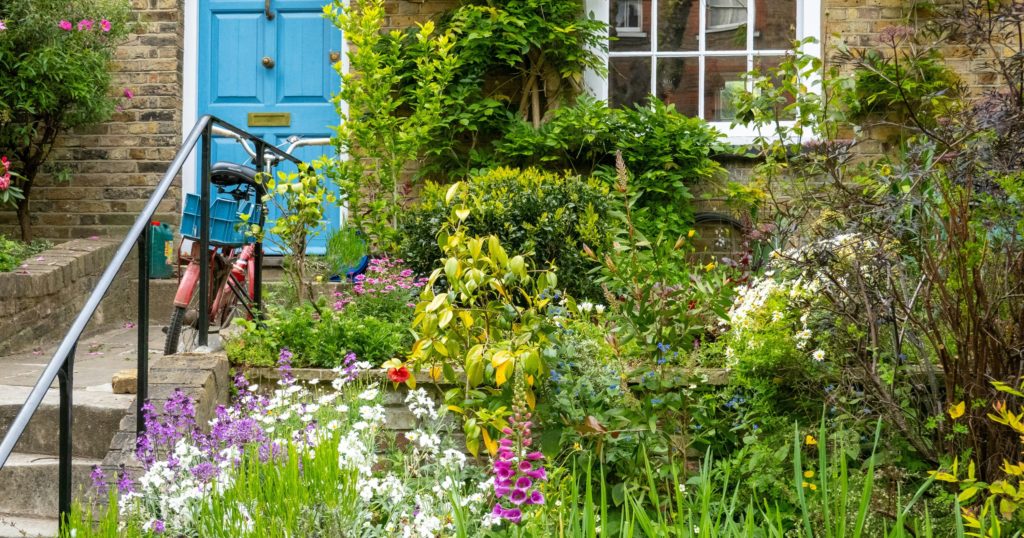
Crowded clumps of bleeding hearts can compete for light, water, and nutrients, leading to suppressed bloom production in the interior shoots. Crowding also reduces airflow, heightening the risk of fungal diseases that further weaken flower development!
Divide your clumps every 3–4 years in early fall or late summer, spacing crowns at least 18 inches apart. This not only rejuvenates plants and encourages new basal shoots but also creates the breathing room needed for each stem to produce a full complement of flowers.