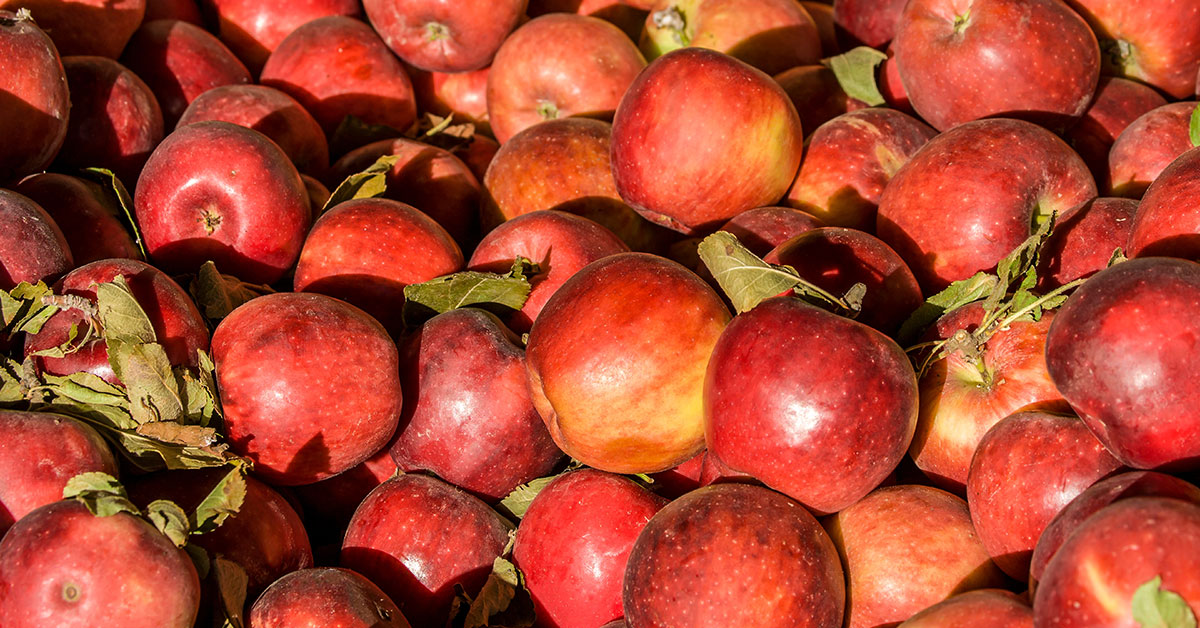

It’s such a bummer when autumn arrives and your apple trees start shedding fruit by the bushel—those bruised, wind-tossed apples can pile up faster than you can say “cider”! I know how frustrating it is to see perfect produce go to waste, especially when you’ve nurtured those Malus domestica trees (native to Central Asia and not invasive in home gardens) all season. But before you resign yourself to tossing them, let me share nine creative, eco-friendly ways to turn those fallen apples into garden gold (and kitchen delights)!
From nourishing your compost heap to crafting homemade cleaners and beauty toners, these ideas will help you make the most of every apple. You’ll learn how to attract beneficial wildlife—like ground-nesting bees that love the little apple blossoms clinging to the fruit—and how to harness the natural acidity of apples for everything from pectin for jams to revitalizing skin care. Let’s dive in and give your garden’s fallen fruit a second life!
Wildlife Feed and Habitat Enhancement

Scattered fallen apples become irresistible treats for birds, mammals, and even the occasional hedgehog if you live in suitable regions. Placing apples on low platforms or directly on leaf-litter edges invites hungry wildlife to feast safely off the ground, reducing slug pressure on your vegetable beds!
As the animals come and go, they also distribute seeds and droppings that enrich your soil, fostering new plant growth. Plus, those same fallen fruit provide cover for ground-nesting insects like solitary bees, which carve burrows in nearby bare soil, boosting pollination in next year’s orchard!
Homemade Natural Cleaner
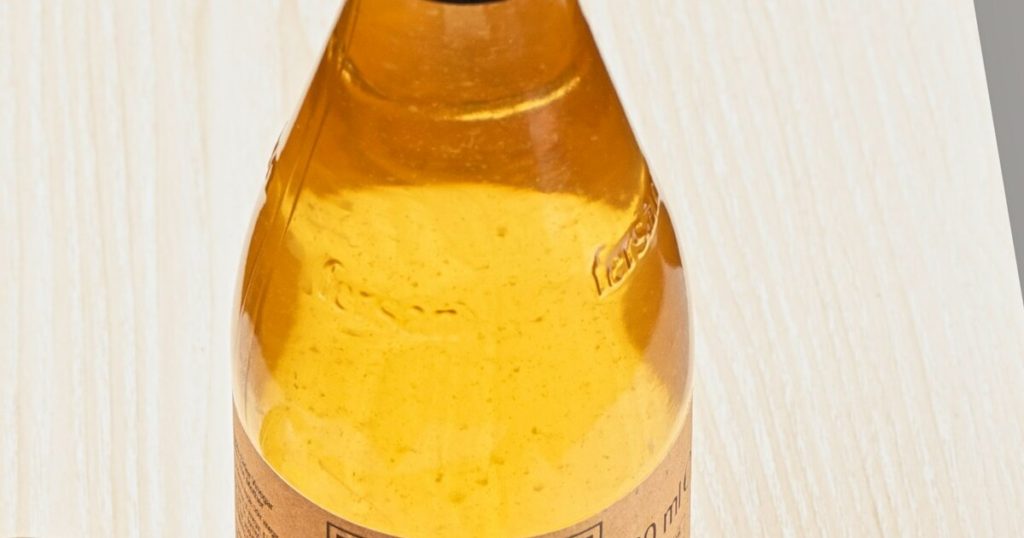
Apples’ mild acidity makes them a surprising cleaning ally. Simmer chopped fallen apples with white vinegar and citrus peels for a few hours, strain, and dilute to create a non-toxic, pleasantly scented all-purpose cleaner. It handles kitchen grime and glass streaks without harsh chemicals!
Because Malus domestica is noninvasive in most home settings, you can freely peel and core fallen apples without worrying about escapes. I love spritzing my countertops with this apple-infused vinegar spray—it makes my kitchen smell like an orchard breeze!
Apple Butter or Spread

Transform those soft, wind-damaged apples into smooth, caramel-colored apple butter. Cook peeled and chopped apples with a touch of sweetener and warm spices—like cinnamon and nutmeg—until they collapse into a thick paste. Jar it for toast, oatmeal, or swirling into yogurt!
This method honors the apple’s native flavors from Kazakhstan’s wild ancestors and doesn’t require store-bought pectin, since apples naturally gel when reduced. Nothing beats the satisfaction of slathering homemade apple butter on warm bread, knowing you rescued fruit that would’ve otherwise gone to waste!
Dehydrated Apple Chips
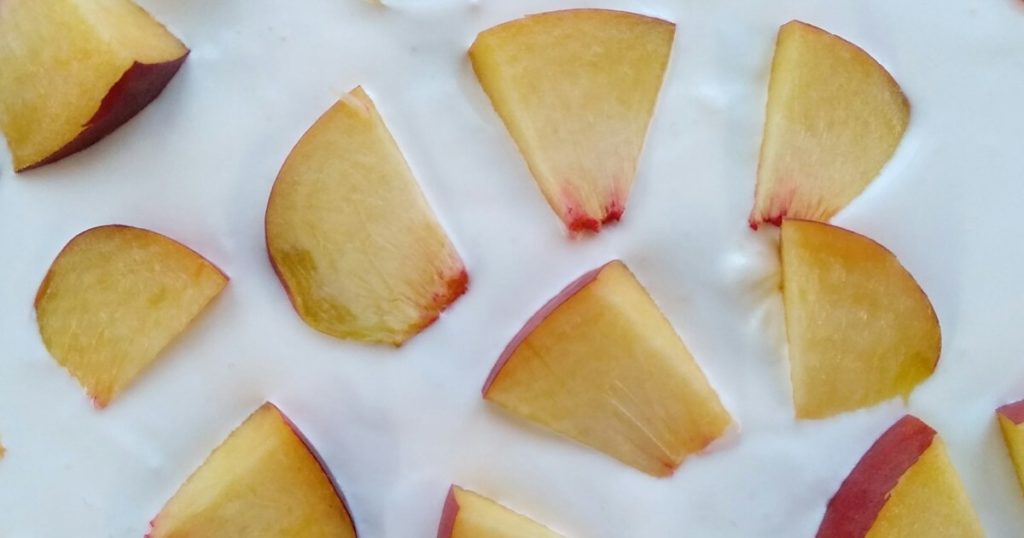
Thinly slice fallen apples (cores removed), lay the rings on dehydrator trays or a low-oven rack, and dry until crisp. These apple chips are irresistibly chewy and sweet—perfect for lunchboxes, trail mixes, or healthy snacks when you’re craving a crunch!
As an added perk, leftover peels can enrich your compost pile, returning nutrients to spring blossoms. I always save a few chips to sprinkle on granola; they capture that bright apple essence even months after harvest!
Compost Activator

Tossing chopped fallen apples directly into your compost heap speeds decomposition, thanks to their high moisture and sugar content. The microbes that break down fruit are magnetized to those bits of apple flesh, turning waste into rich humus more quickly!
Since apples aren’t invasive, you needn’t worry about volunteer seedlings popping up—simply cover the fruit scraps with a layer of browns (leaves or straw) to balance the pile. Your soil will thank you next spring with lush growth and stronger blooms!
Infused Ciders and Liqueurs
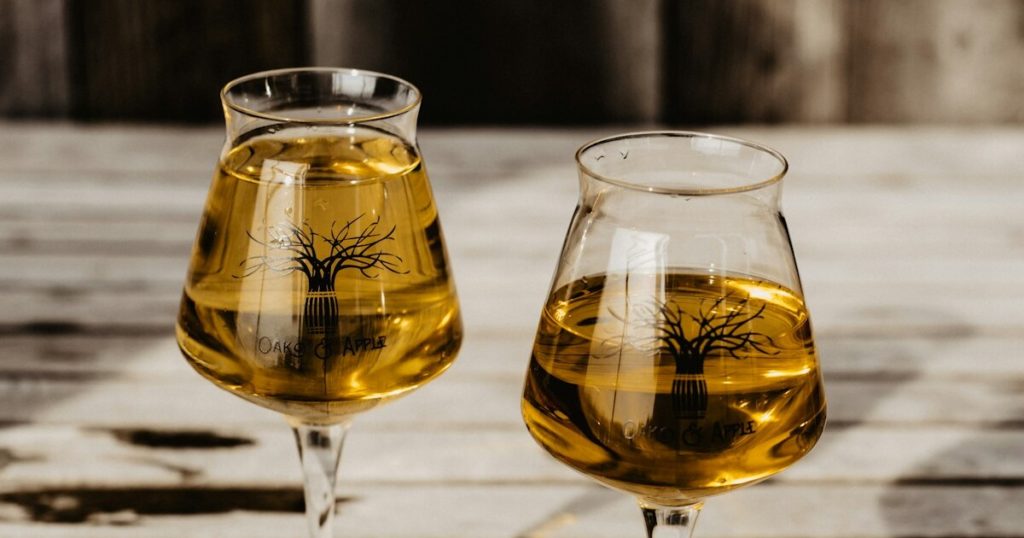
Macerate chopped fallen apples in brandy, rum, or your favorite spirit for several weeks, then strain to create fragrant, apple-flavored liqueurs. These make exceptional sipping drinks or cocktail bases, capturing the orchard’s essence in a bottle!
Add warming spices like cloves and allspice to deepen flavor, and gift small batches to friends. It’s such a joy to hand someone a homemade spirit that began as humble wind-fallen fruit in your backyard!
Homemade Pectin for Jams
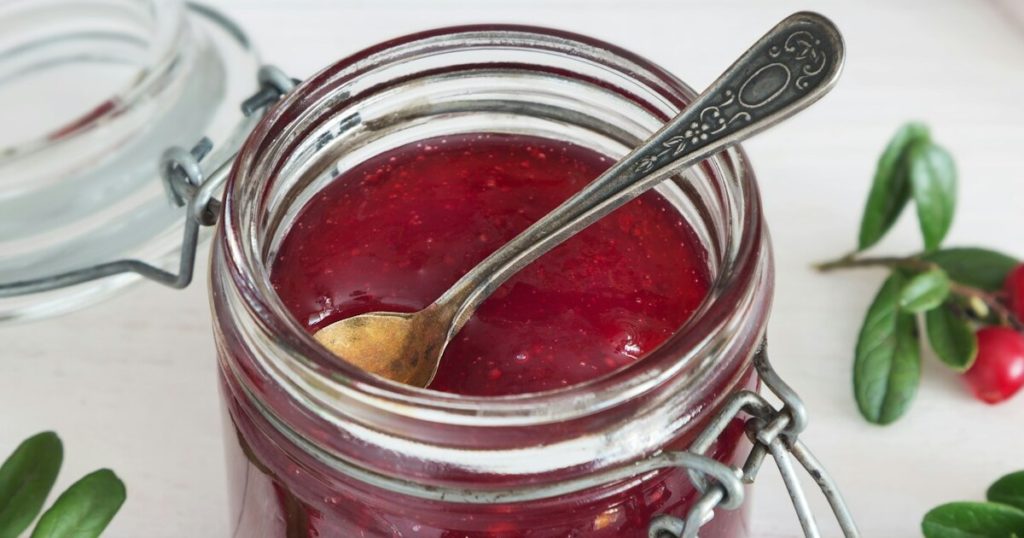
Boil apple cores and peels (which are rich in natural pectin) with a bit of water until the mixture gels when dropped on a chilled plate. Strain and use this homemade pectin as a setting agent for other fruit jams, reducing reliance on commercial powders!
This trick honors the apple’s native role as a binder among Central Asian wild fruits, and it prevents you from wasting peels and cores. I feel so resourceful turning scraps into the very ingredient that makes my preserves possible!
Mulch and Wildlife Shelter
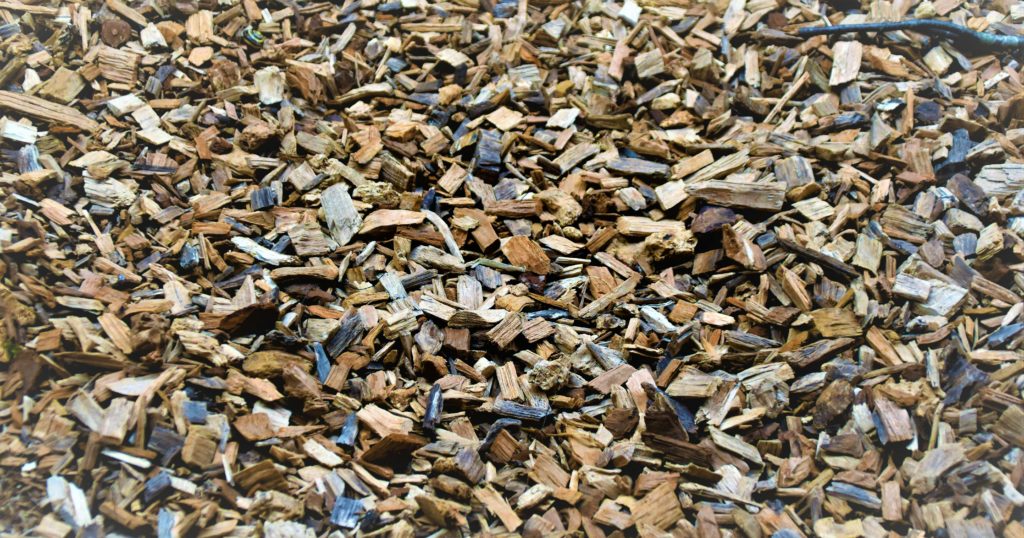
Chop fallen apples into large chunks and mix into your leaf-mold mulch around perennials and shrubs. The sugars attract beneficial soil organisms—earthworms, springtails, and fungi—that break down the fruit and improve soil structure!
Meanwhile, larger chunks left near logs or rock piles provide water and shelter for beneficial amphibians and insects. Watching a toad hide beneath a damp apple chunk is such a reminder of the intricate web of garden life you’re supporting!
Spiced Apple Brine for Pickles
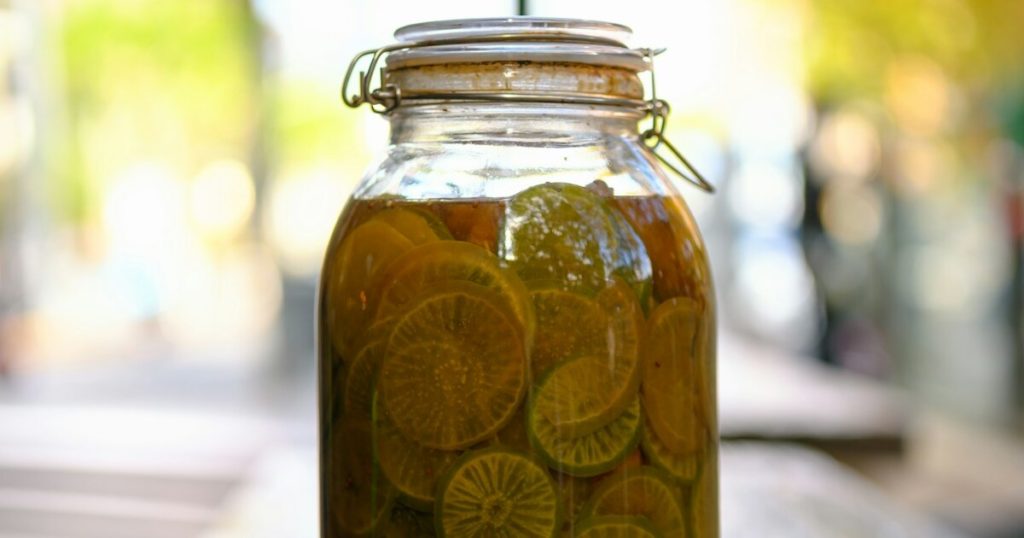
Simmer fallen apple slices with vinegar, water, salt, and spices like mustard seed and garlic for a quick brine. Submerge cucumbers, onions, or even carrots to create crisp, slightly sweet pickles that keep for weeks in the fridge!
This use bridges sweet and savory, leveraging the apple’s native acidity to balance spices. I love sneaking these pickles into sandwiches for a surprising crunch—proof that fallen apples can transform even the humblest snack!