

There’s nothing quite like the sight of towering sunflowers (Helianthus annuus) turning their golden heads toward the sun, bringing an instant smile to any passerby! I know how thrilling—and sometimes frustrating—it can be to plant a packet of seeds and watch only scraggly stems emerge. But with these ten insider tips, you’ll be nurturing giants that stand head and shoulders above the rest. Let’s make your garden the envy of every neighbor (and a haven for pollinators)!
Sunflowers are native to North America and, while they readily reseed themselves, they’re not considered invasive in home gardens. These hardy annuals thrive in full sun and well-drained soil, and they attract a parade of beneficial visitors—from solitary bees nesting in soil crevices to goldfinches perched on dried seedheads. Ready to unlock their full potential? Grab your trowel and let’s dive in!
Choose the Right Giant Variety

Not all sunflowers are created equal—if you want colossal blooms, start with mammoth or “giant” cultivars like ‘Russian Giant’ or ‘Titan.’ These varieties can easily reach 10–12 feet tall with flower heads up to a foot across!
When selecting seeds, look for reputable suppliers who specialize in large-flower types. Because these giants draw in pollinators like honeybees and bumblebees, you’ll also bolster local bee populations. Unlike some aggressive Helianthus species, annual sunflowers won’t overrun your beds—they simply reward you with spectacular size!
Prepare Deep, Loose Soil
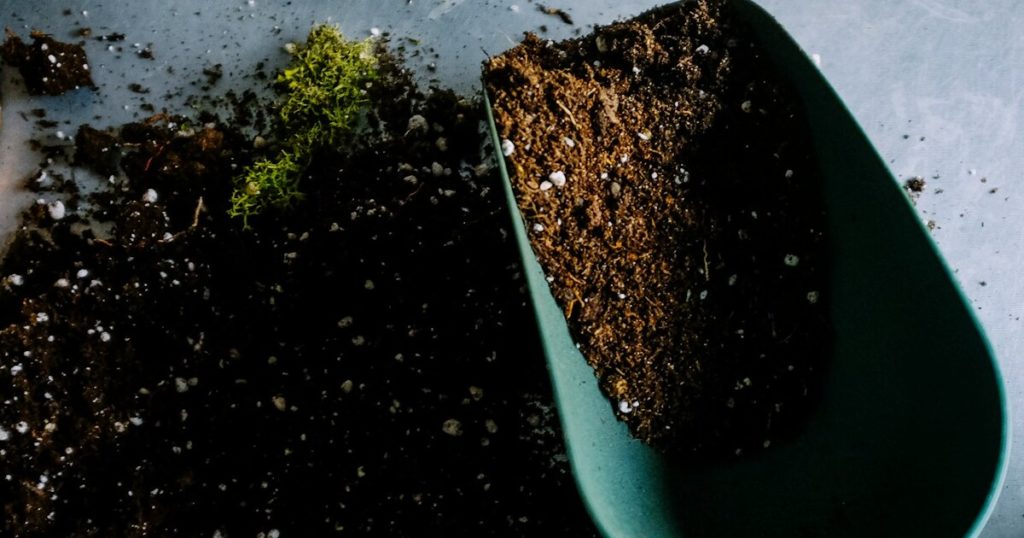
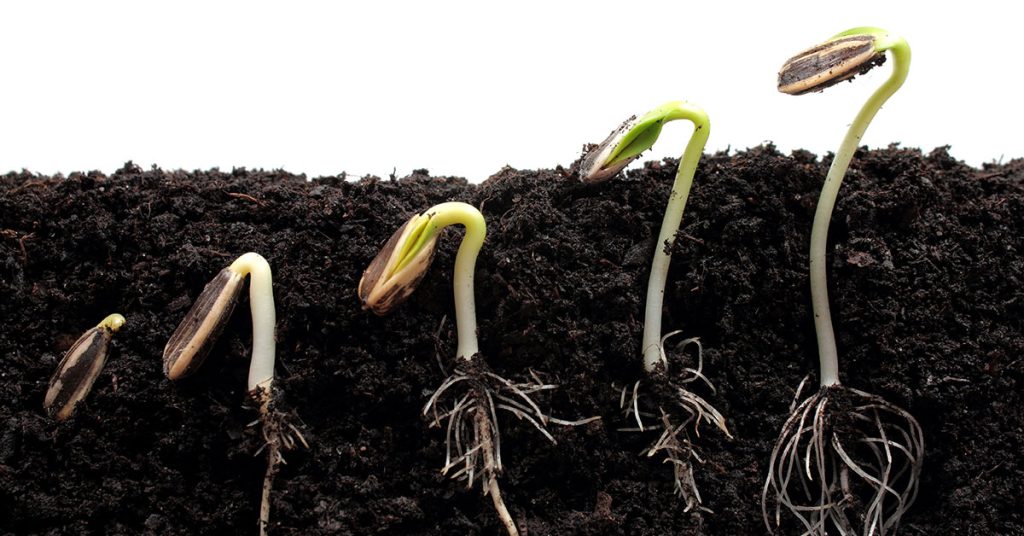
Sunflowers develop massive taproots that can go more than six feet deep, so working the soil thoroughly is essential. Loosen your bed to at least two feet and amend with generous amounts of compost or well-rotted manure for both nutrients and structure.
This deep, rich medium encourages robust root development, anchoring those tall stems against wind. It also invites earthworms—nature’s tillers—to aerate the soil further. I’ve found that the best tower-like sunflowers grow in beds that mimic their native prairie habitats!
Provide Full, Uninterrupted Sunlight

True to their name, sunflowers need at least six to eight hours of direct sun each day. Choose the brightest spot in your yard—avoid planting near tall fences or walls that cast afternoon shadows.
When your plants face uninterrupted sunlight, they photosynthesize efficiently and allocate more energy to stem and bloom growth. Plus, those sun-drenched sites are prime real estate for sun-loving pollinators, ensuring every flower head gets thoroughly visited and pollinated!
Space Plants Generously

Crowding sunflowers leads to competition for water and nutrients, resulting in slender stems and smaller blooms. Give each plant at least 2–3 feet of elbow room to develop a sturdy base.
Generous spacing also improves airflow, reducing fungal risks and giving ground-nesting bees space to burrow in the sunlit soil between plants. When you step back and see a neat row of giants, you’ll appreciate the extra elbow room they need!
Water Deeply, But Infrequently

Sunflowers prefer a deep weekly soak over daily surface watering. Once seedlings are established, aim for about an inch of water per week, applied slowly to allow moisture to penetrate the root zone.
This encourages taproots to grow deeper, making plants more drought-resilient as they climb skyward. I’ve watched my giants shrug off dry spells simply because their roots search out water far below the surface!
Fertilize for Flower Power
While sunflowers aren’t heavy feeders, a mid-season application of balanced fertilizer—especially one higher in phosphorus—can turbocharge bloom size. Mix in organic bone meal or bloom-boosting formulas when buds first appear.
This feeding signals your sunflowers to pour energy into big, vibrant heads. Those hefty blossoms then attract flocks of birds later in the season, nesting on sturdy stalks and feasting on developing seeds!
Stake or Support Tall Stems

Even the sturdiest sunflower can wobble in strong winds when bearing oversized heads. Use bamboo stakes or sturdy twine trellises to prop them upright before they wobble.
Securing stems early prevents breakage and encourages upright growth. I like to tie supports loosely with soft garden twine, allowing stems to sway slightly—this motion actually strengthens them, just like mild wind in the wild!
Deadhead to Redirect Energy
If your goal is height and not seeds, pinch off spent blooms as soon as petals wilt. This prevents the plant from diverting energy into seed production and pushes it to produce more blooms or thicker stems.
Deadheading also tidies your garden and extends the flowering season. For gardeners who want the best of both worlds—giant flowers and healthy seeds—allow a few heads to mature while deadheading the rest!
Watch for Pests and Disease

Aphids, caterpillars, and fungal spots can sap vigor and stunt growth. Inspect leaves and stems weekly; knock off aphid clusters with a strong water spray and remove any damaged foliage promptly.
Encouraging ladybugs and lacewings by planting companion flowers nearby keeps pests at bay naturally. Healthy, unblemished foliage lets every leaf maximize photosynthesis—fuel for those record-breaking stem and bloom sizes!
Succession Plant for Continuous Giants

Stagger sowing every two weeks early in the season to dodge late-summer heat stress and extend your display. This method also reduces competition among seedlings for prime conditions.
By the time your first giants start to fade, the next wave is ready to rise. This rolling succession keeps your neighborhood garden impressive from midsummer right through fall—delighting both you and every passerby!