

There’s nothing more satisfying than watching your plants unfurl and flourish—but one day you glance down to see a tangle of unwanted green crowding your treasures! It’s such a bummer when you’ve lovingly tended seedlings only to find crabgrass and dandelions elbowing their way in. I know how frustrating it is to try growing delicate lettuces or vibrant marigolds in a sea of weeds that seem to pop up overnight.
Let’s dive into eleven telltale signals that your garden is crying out for a weeding session. From weeds flowering and setting seed to deep taproots anchoring into the soil, we’ll explore each warning sign so you can tackle those intruders before they rob your crops of light, nutrients, and space. Grab your gloves—your garden’s health depends on it!
Weeds Flowering and Setting Seed
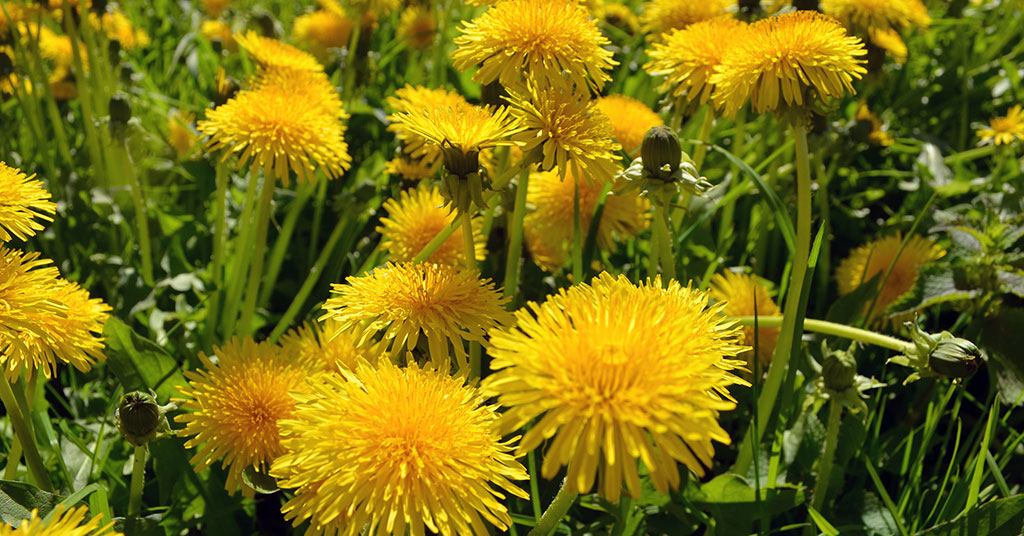
When you spot yellow dandelion heads (Taraxacum officinale, native to Eurasia and invasive in North America) transforming into cottony seed puffs, it’s past time to pull. Those fluffy parachutes carry seeds for miles, spreading new weeds throughout your beds!
Preventing seed set is crucial—once those seeds land in your soil, you’ll face a never-ending cycle of germination. Snapping off flower stalks before they form seed heads saves you future headaches and keeps your beds looking pristine!
Seedlings Sprouting Everywhere
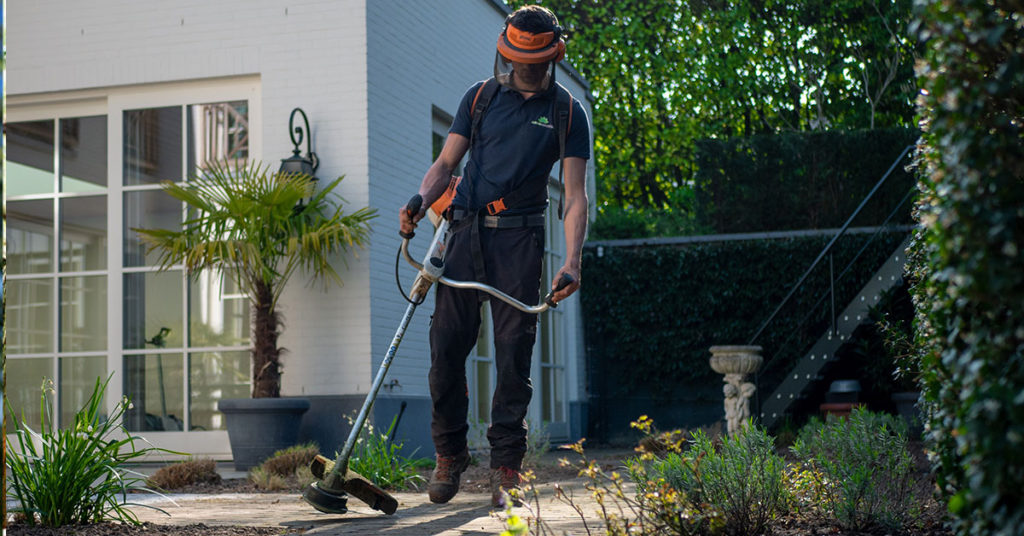
A carpet of tiny weed seedlings popping up among your veggies or flowers means competition for resources is already fierce. Those tender shoots steal moisture and nutrients before your desired plants can even get established!
I find that tackling these micro-weeds with a gentle hand-hoe or by hand as soon as they emerge saves hours of back-breaking work later. Removing seedlings when the soil is moist and they come out easily helps you stay ahead of the game!
Weeds Taller Than Your Crops
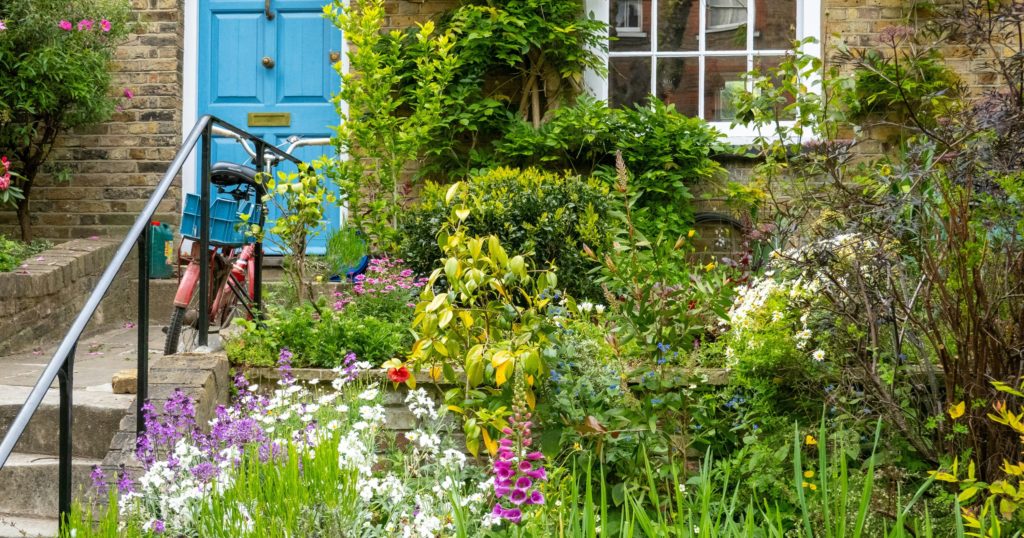
If you look out and see grasses or broadleaf weeds towering over your lettuces or young beans, it’s a clear SOS. Taller weeds shade out your slower-growing crops, reducing photosynthesis and stunting development.
I remember my first season mowing down a 3-foot-stalk of pigweed that had overtaken my baby tomatoes—it was such a relief to give my plants back their sunlight! Cutting weeds back to ground level restores light penetration immediately.
Weeds Crowding Seedlings
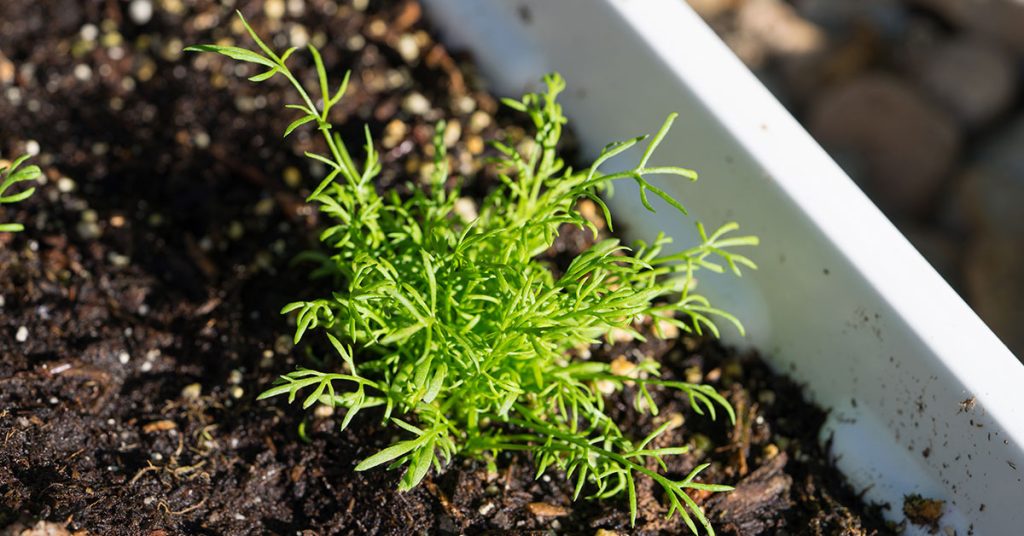
When seedlings are bunched together with weeds, they often fail to thrive. Roots get tangled, and fragile stems can be crushed under weed pressure. It’s especially tough on shallow-rooted plants like spinach or basil.
I always leave room around my seedlings—about 2–3 inches—so I can spot any parasitic vines or creeping groundcovers before they strangle my young plants. A quick tug early on prevents disastrous competition down the line!
Weeds Harboring Pests and Diseases

Certain weeds act as hideouts for aphids, slugs, and fungal spores. For instance, chickweed (Stellaria media, native to Europe and invasive worldwide) often shelters slugs in its thick mats, allowing them to feast on nearby seedlings.
Removing these pest magnets cuts pest pressure dramatically. It’s such a relief to prune out that chickweed and watch ladybugs finally find your roses instead of hiding beneath the invader’s leaves!
Weeds Forming Thick Mats

When you see a dense mat of foliage—like creeping buttercup or ground ivy—blocking soil airflow, root suffocation and waterlogging become real threats. Those mats also trap leaf debris and moisture, inviting fungal diseases like powdery mildew.
I counteract this by raking or lightly tilling the soil surface monthly, lifting that smothering carpet. Once the soil can breathe again, beneficial organisms repopulate, and your vegetables can access both air and water freely!
Weeds Interfering with Harvest

It’s maddening when you wade into your onion bed only to have weeds tangle around your ankles or hide bulbs beneath a mess of grass. When harvesting becomes a scavenger hunt, that’s your sign to weed!
Clearing paths not only speeds up picking but also prevents accidentally damaging bulbs or roots. A tidy bed means clean harvests and less time spent sorting through green intrusions!
Soil Erosion and Exposed Roots
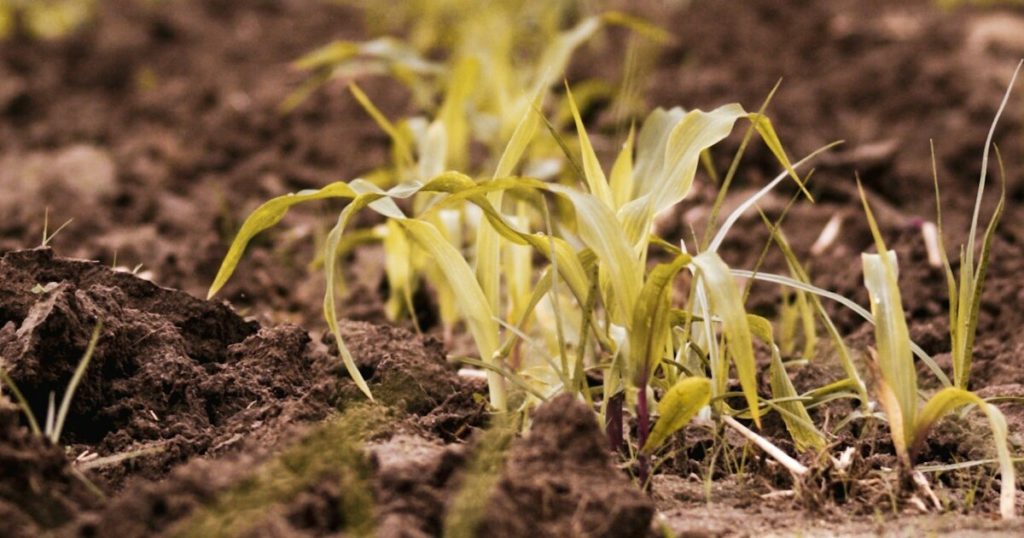
If rainwater runoff is washing topsoil away and leaving plant roots bare, those bare patches invite opportunistic weeds to move in. Bare soil warms faster, encouraging weed germination before your crops have a chance to sprout.
I remedy this by mulching exposed areas immediately, then weeding out any intruders. Mulch conserves soil moisture and shields the ground from erosion—plus, it blocks light that would otherwise awaken dormant weed seeds!
Weeds in Irrigation Lines

Noticing tiny green sprouts clogging drip-lines or emitter holes is a telltale indicator of poor filtration and rampant seed spread. These mini-weeds siphon water meant for your garden and can even burst emitter gaskets under pressure!
Flushing your irrigation system regularly and installing inline filters stops seeds at the source. When those lines run clean, you’re free to water your tomatoes—not unwanted grass—right at the root zone!
Deep Taproot Weeds Anchoring

Weeds like thistles or burdock send down taproots that cling tenaciously to the soil. If you pull the top growth and a stub stays behind, it quickly resprouts—sometimes stronger than before!
Using a specialized weeding fork or spade to pry out the entire taproot—sometimes over a foot deep—ensures they won’t come back. It’s such a satisfying victory to extract that hidden root in one piece!
Weeds Invading Containers and Planters

When potted herbs or ornamental planters show weeds poking through drainage holes, it means your soil mix is already contaminated. Those weeds compete with container plants, which have limited soil volume to share.
I refresh my container media annually and hand-pick any stray seedlings at the first sign. Knowing my basil or petunias aren’t battling crabgrass roots makes me beam with pride at my pot displays!