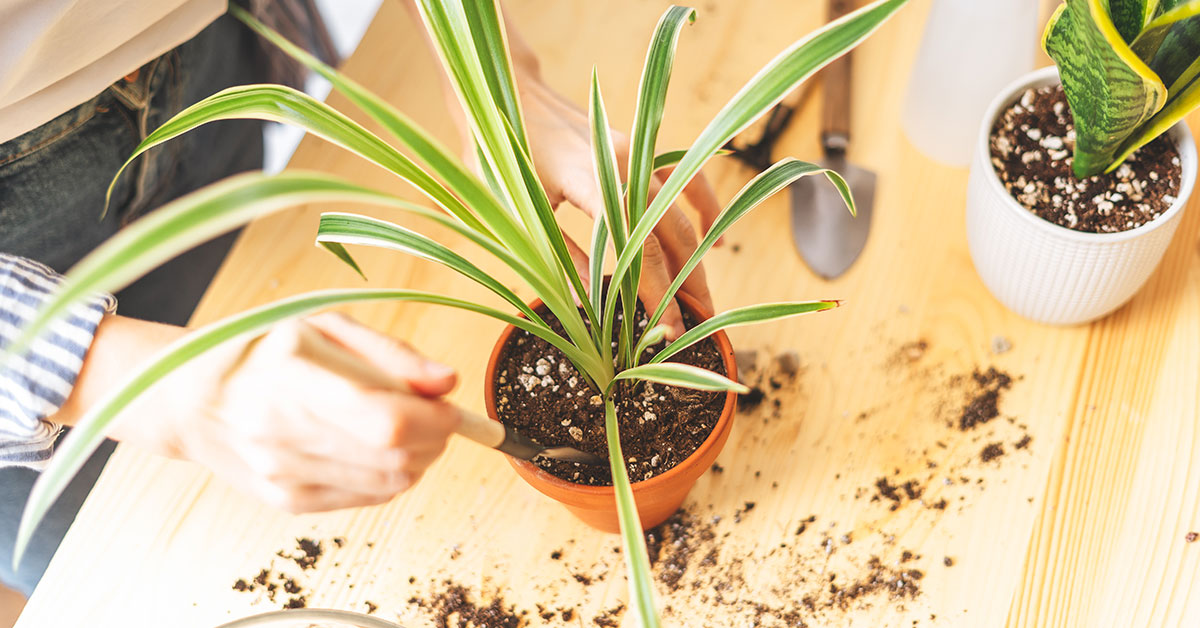

Bringing a bit of the outdoors inside is one of the simplest pleasures of home gardening, and there’s one superstar that makes it effortless: the spider plant! I know firsthand how discouraging it can be when a finicky houseplant withers away, but Chlorophytum comosum practically thrives on neglect. By June, when other greens start wilting in the summer heat, my spider plants are still pumping out lush, arching leaves. If you’ve ever felt frustrated watching a plant sulk in low light or after one missed watering, you’ll appreciate this resilient beauty!
Let me share eight compelling reasons why the spider plant deserves a spot on your windowsill or hanging basket. We’ll dive into everything from its native origins in tropical West Africa—even touching on whether it can escape and become invasive—to how its cascading baby plantlets delight children (and sometimes hoverflies!). I’m beyond excited to take you through the joys of growing this marvel. It’s such a comforting treat to spot those little “spiderettes” dangling down, promising new plants with zero effort!
Effortless Propagation
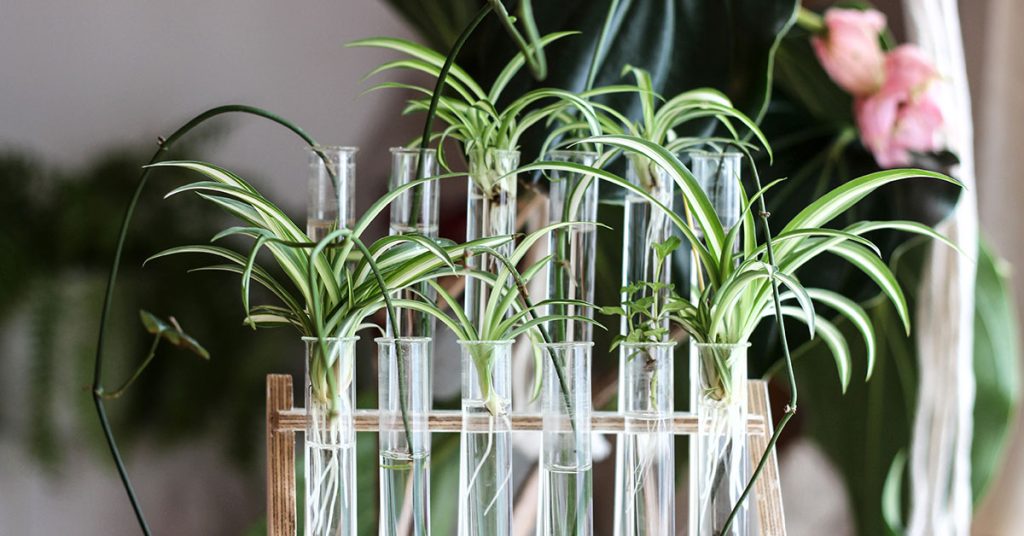
One of my favorite moments as a gardener is snipping off a tiny plantlet and watching it root itself in soil or water without any fuss. Spider plants produce abundant “babies” on long arching stems—so many that you can share them with friends or fill an entire shelf of pots. These offsets develop tiny roots before they ever touch the soil, making propagation nearly foolproof!
This behavior mimics their natural strategy in tropical West Africa, where new plants establish around the parent’s perimeter, expanding their clump. While they’re not considered invasive indoors, it’s thrilling to see how readily spider plants multiply. I love how a single mother plant can transform into a jungle of green with minimal effort!
Thrives in Low Light
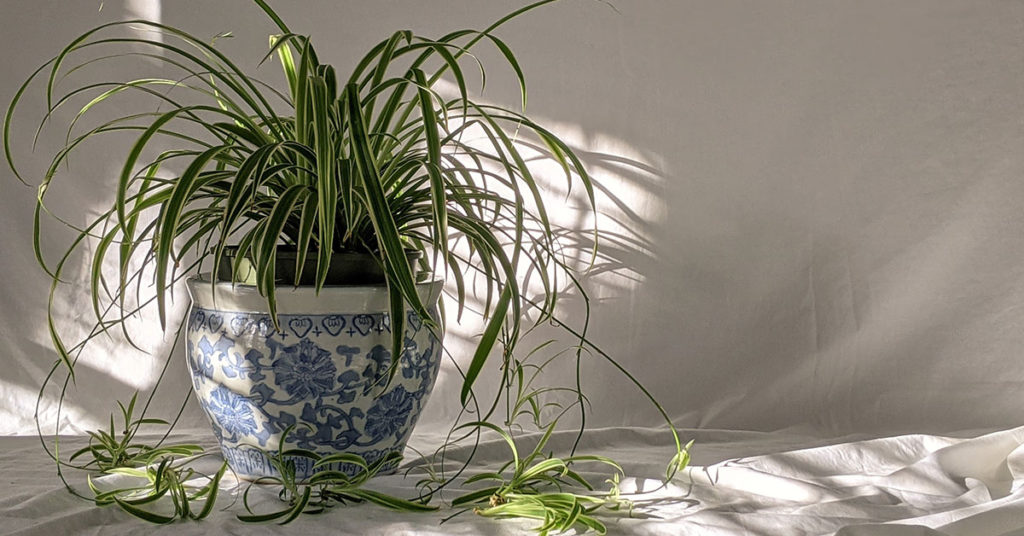
I know how frustrating it is trying to find the perfect spot for a houseplant; some demand bright, direct sun that only windowsills provide. Spider plants are far more forgiving—they flourish in bright, indirect light and even tolerate dim corners of your living room. You’ll still see lush growth without the burn marks or bleached spots that sun-loving plants develop!
In their native understorey habitats, these plants adapted to dappled light, so they never complain about less-than-ideal windows. The result? A green companion that perks up shady hallways and softly filtered rooms, giving you the freedom to decorate however you like!
Air-Purifying Powerhouse
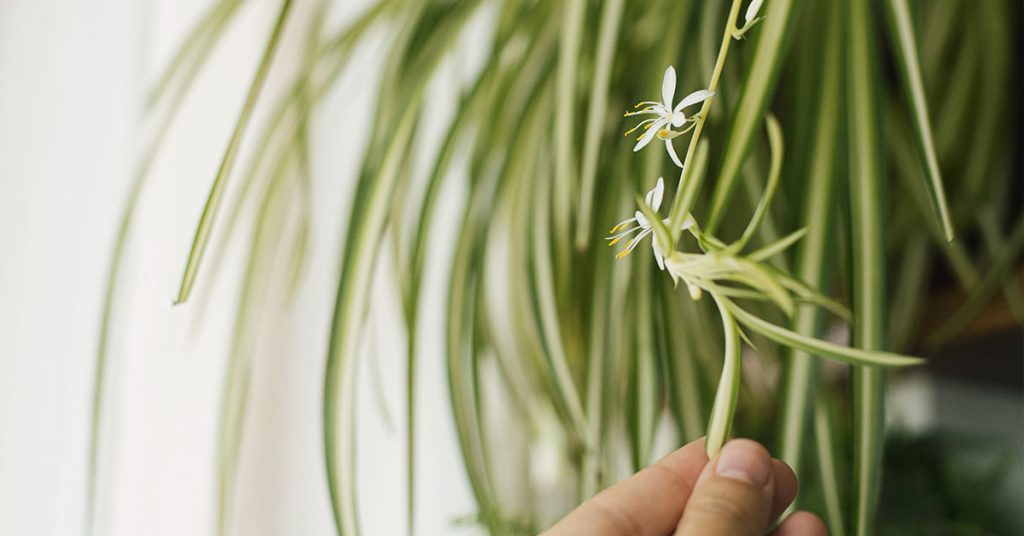
Spider plants have a knack for cleaning indoor air, making them a top pick for city apartments or homes with limited ventilation. NASA’s famous Clean Air Study even highlighted Chlorophytum comosum for its ability to remove formaldehyde, xylene, and other common toxins. Bringing one into your space can be like installing a tiny, green air filter!
I’m always amazed how this leafy friend helps improve my breathing at night, too. It quietly converts carbon dioxide to oxygen, so placing a spider plant near your bedroom window can feel like a gentle breath of fresh air every morning!
Drought Tolerance
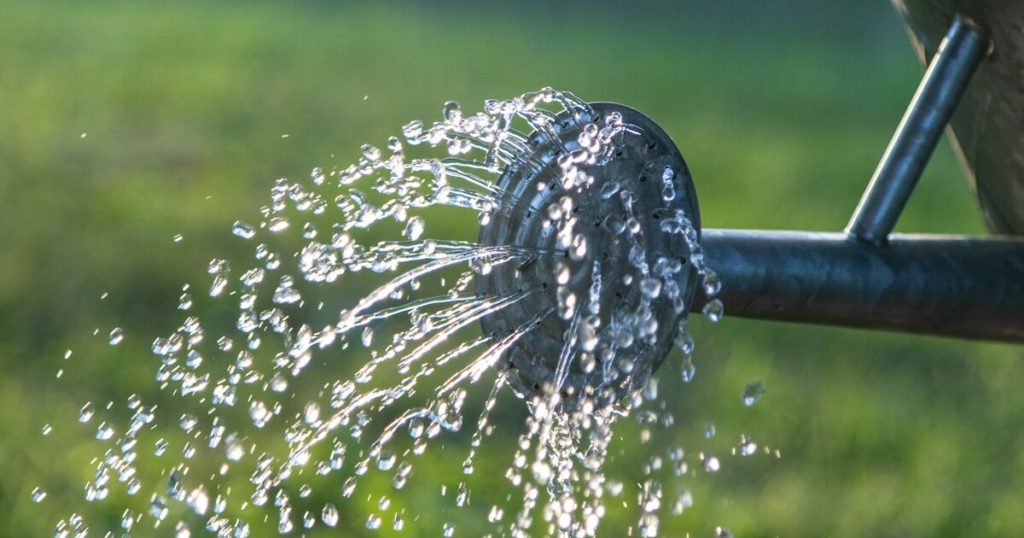
We’ve all been there—out of town for the weekend and panicking over wilting houseplants. Spider plants forgive missed waterings far better than most. Their thick, fleshy roots store moisture, letting them coast through a week or more without supplemental watering. When you return, you’ll find them standing tall rather than drooping in defeat!
Originating from regions with seasonal rain patterns, these plants adapted to dry spells by conserving water. This resilience means you can travel or simply enjoy a low-fuss routine, knowing your spider plants won’t sulk the moment you forget a watering session!
Pet-Safe Choice
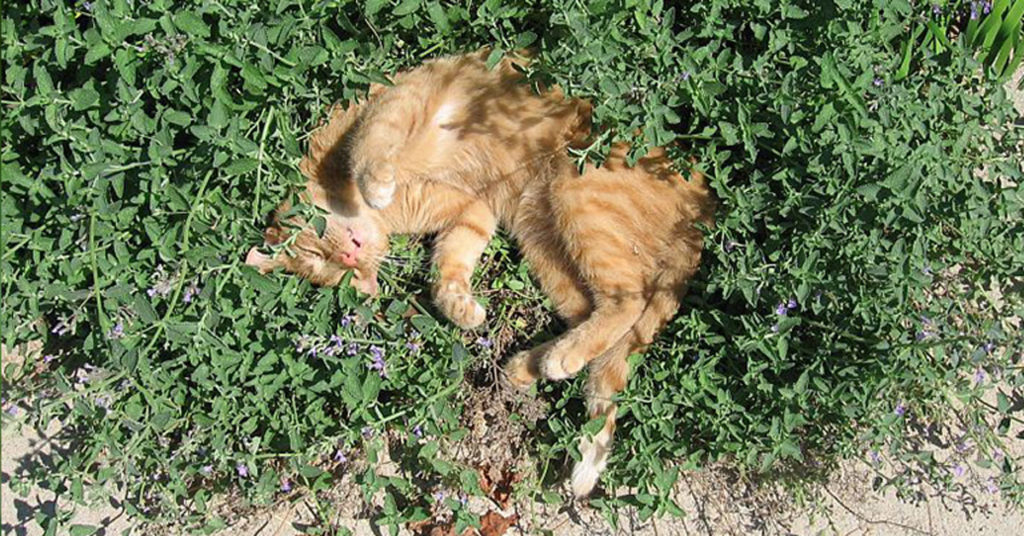
For households with curious cats or playful pups, knowing whether your plants are pet-friendly is crucial. The spider plant is non-toxic to dogs and cats, so you can rest easy if Fluffy decides to nibble a stray leaf. Their mild, grassy flavor even intrigues some pets, providing a safe nibbling option!
Despite being enjoyed as occasional “grass” by pets, spider plants don’t pose any real threat to your furry friends. It’s such a relief to have green décor without worrying about an emergency vet trip!
Adapts to a Range of Temperatures

Your thermostat settings needn’t restrict spider plants. They flourish between 55°F and 80°F (13°C–27°C), comfortably spanning most indoor conditions. Summer’s warmth encourages robust growth, while cooler autumn nights simply slow development without harm.
This adaptability stems from their tropical origins, where day-night temperature swings occur. I appreciate this versatility when I shift between seasons, knowing my spider plant won’t sulk as indoor climates change!
Helps Boost Humidity
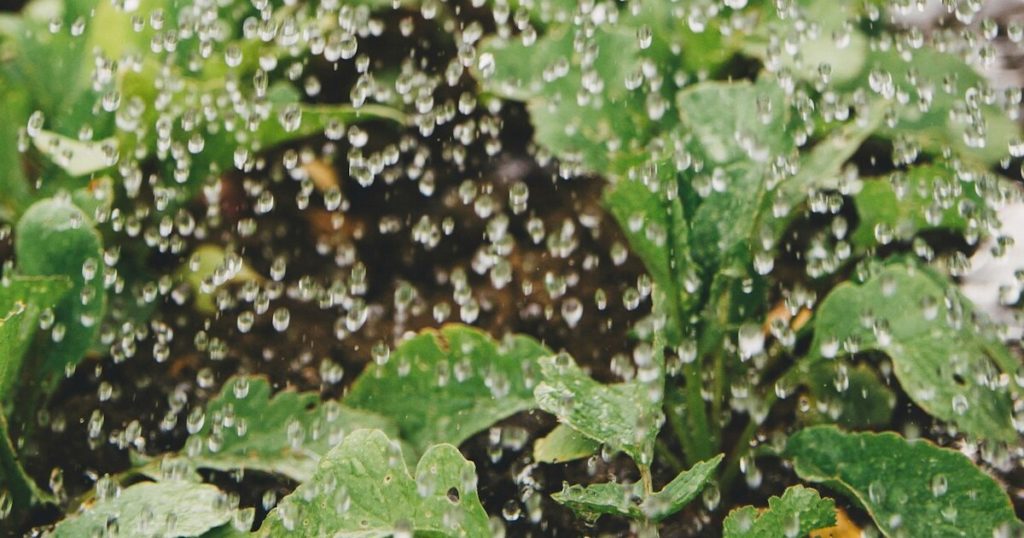
If you struggle with dry air—especially during winter when heaters sap moisture—spider plants quietly add humidity through transpiration. Their abundant leaves release water vapor, easing dry skin and reducing static in the air. It’s like having a built-in humidifier, but greener!
I often cluster several spider plants on a tray to amplify this effect. Watching moisture beads on my windowsills always reminds me how beneficial these unassuming leaves can be, especially during arid months!
Builds a Lush Green Aesthetic

Few houseplants offer the same cascading drama as a spider plant in a hanging basket. The elegant arch of its variegated or solid green leaves creates a living curtain, softening edges and bringing vertical interest to your décor. It’s a simple way to transform shelves, macramé hangers, or mounted planters into verdant focal points!
This lush growth habit echoes their groundcover role in the wild, where they sprawled across forest floors. Tucking one into a macramé hanger or tall planter gives you that delightful “jungle at home” vibe with minimal styling effort!