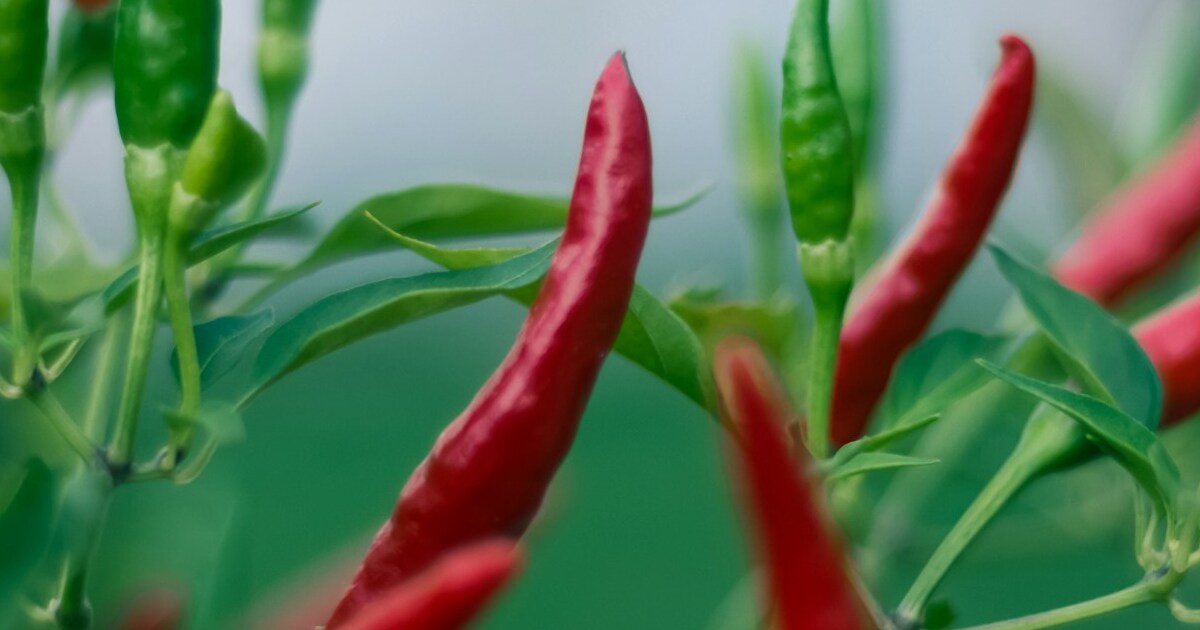

Dreaming of cascading rows of fiery red, orange, and green chili peppers that practically burst from their vines? It’s such a bummer when you plant all that promise only to end up with a handful of wimpy chilies! Growing a truly gigantic chili pepper garden takes more than tossing seeds in the dirt—you need the right mix of timing, nutrition, structure, and care to coax your Capsicum annuum (native to tropical regions of the Americas and generally non-invasive) into prodigious production.
I know how frustrating it is to water diligently and pinch bugs off your leaves, only to watch neighbor’s peppers outshine yours. Between controlling pests, ensuring ample sun, and keeping roots happy, there’s a lot to juggle. But with these nine strategies—from seed-starting to succession planting—you’ll transform your patch into a blazing hot bounty that attracts pollinators by day and shelters beneficial insects like ground bees and parasitic wasps by night!
Start Seeds Indoors Early

Beginning your chili pepper journey indoors gives seedlings a head start on the growing season. Sow seeds 8–10 weeks before the last expected frost, using seed trays filled with sterile, well-draining mix. Maintain bottom heat around 75–85°F to mimic their tropical origins, and watch for the first cotyledons popping through in about 7–14 days. Early indoor growth yields sturdier transplants that quickly outpace outdoor-sown rivals.
Once seedlings sport two true leaves, transplant them into individual containers rich in compost. Place them under grow lights or a bright windowsill to prevent leggy stems. As you pot up, you may notice tiny hoverflies or aphid-munching lady beetles nesting in soil crevices—signs of a healthy, living medium supporting your peppers’ future vigor!
Implement Companion Planting
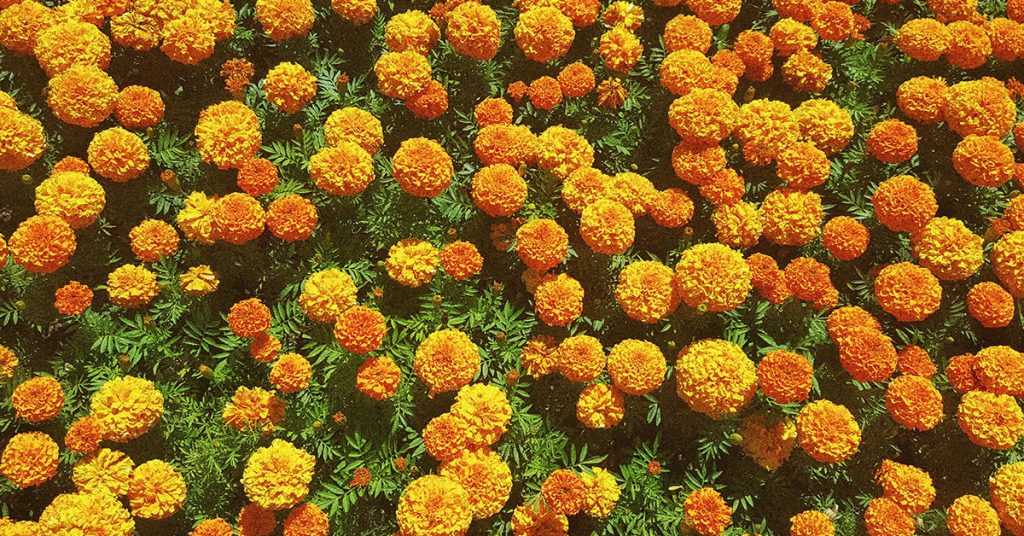
Companion planting not only maximizes space but also helps deter pests and attract pollinators. Interplant your chilies with basil (Ocimum basilicum, native to India) to confuse whiteflies, and marigolds (Tagetes spp., native to the Americas) to repel nematodes. Pollinator-friendly flowers like borage (Borago officinalis, Mediterranean native) provide nectar for solitary bees that nest in bare ground, boosting cross-pollination of your pepper flowers.
One of my favorite combos is peppers flanked by alyssum (Lobularia maritima, Mediterranean native), which lures lacewings that feast on aphids. Not only does this living mulch suppress weeds, but it also turns your garden into a bustling ecosystem where beneficial insects feel at home among the spicy foliage!
Prune and Pinch for Bushier Growth
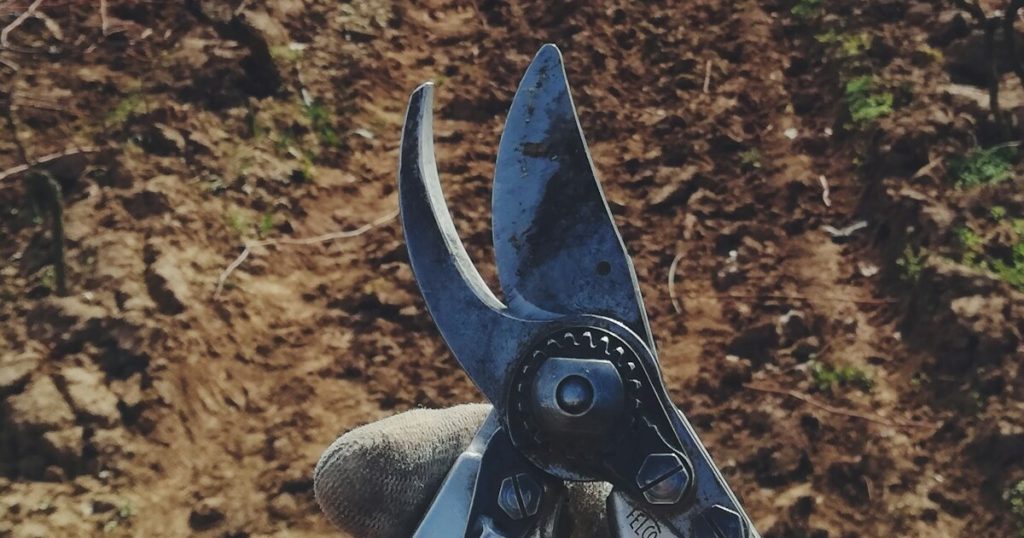
Pinching off the growing tips of young pepper plants encourages branching, leading to more flowering sites and, ultimately, more fruit. Once your seedlings reach 6–8 inches tall, snip just above the second set of true leaves. This signals the plant to produce two side shoots instead of a single central stem, creating a denser, more productive bush.
As your plants develop, remove any suckers sprouting at branch junctions to focus energy on main stems. I always marvel at how quickly a pruned chili plant fills out—soon, those trimmed spots become cozy hiding places for predatory wasps, which nest in hollow stems and patrol for hornworms that might otherwise devour your leaves!
Provide Support and Trellising
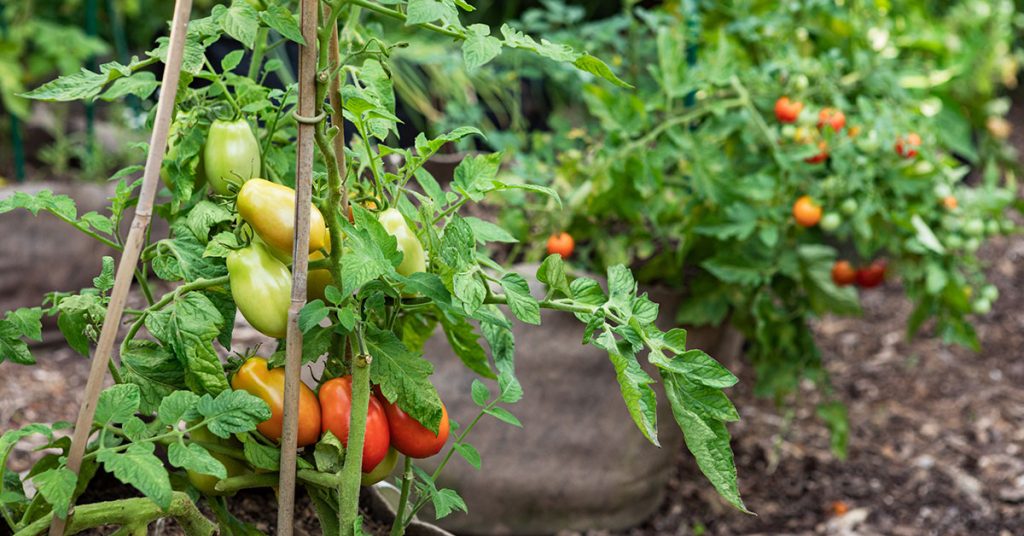
Heavy fruit loads can weigh down pepper branches, causing them to snap or bend to the ground. Install sturdy stakes or tomato cages at planting time, weaving stems gently through the supports as they grow. For larger varieties like ‘Jalapeño M’, spaced bamboo poles with horizontal twine create a pepper trellis that keeps plants upright and maximizes air circulation.
A well-supported canopy not only prevents breakage but also opens up spaces where ground-nesting bees can burrow. These solitary pollinators love the loose soil beneath pepper beds, and by giving them light-filled nesting spots, you’ll boost next season’s fruit set naturally!
Practice Succession Planting
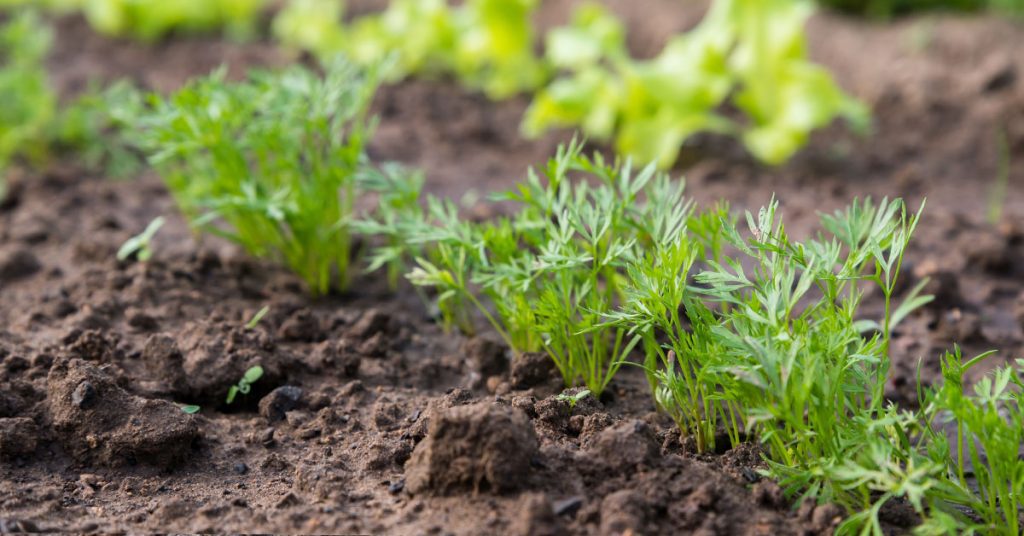
To maintain a torrent of chilies all season, sow a new batch of seeds every 3–4 weeks from early spring until midsummer. This staggered approach ensures that as early plants begin to slow, fresh transplants are ready to take the heat. Keep track of planting dates so you can harvest continually and avoid gaps in your pepper supply.
Succession planting also mitigates risk from late-season pests or weather stress—if one cohort falters, the next is ready to thrive. I often see predatory ground beetles patrolling between rows of different-aged plants, keeping slug and snail populations in check across the entire garden!
Build Nutrient-Rich, Well-Drained Soil

Chili peppers thrive in a loamy, slightly acidic to neutral soil (pH 6.0–7.0). Before planting, amend beds with generous amounts of aged compost, composted manure, and coarse sand or perlite to improve drainage. This replicates the light, fertile soils of their native tropical habitats, preventing root rot while supplying steady nutrients.
During the growing season, side-dress with a balanced organic fertilizer—rich in phosphorus and potassium—to support blossom and fruit development. Good soil structure also attracts earthworms, whose tunnels aerate roots and enrich the medium with castings, giving your pepper plants a natural growth boost!
Ensure Consistent Irrigation

Chili plants need evenly moist—but never waterlogged—soil to support vigorous fruiting. Install soaker hoses or drip irrigation beneath the mulch to deliver 1–2 inches of water per week. Deep, infrequent watering encourages roots to penetrate deeply, bolstering plants against heat stress and drought.
Avoid overhead sprinkling, which can promote fungal issues like powdery mildew. Instead, water mornings so foliage dries by evening, and mulch heavily with straw or shredded leaves to conserve moisture. As the soil stays balanced, beneficial predatory mites may nest in the mulch, helping to curb spider mite outbreaks when temperatures climb!
Provide Full Sun Exposure

Chili peppers love sun—aim for at least six to eight hours of direct light daily. Position your garden where morning sun hits early and afternoon shade is minimal. If you’re container-growing, rotate pots to ensure every side of the plant receives equal light, preventing lopsided growth.
Sun-baked foliage produces more capsaicin, intensifying heat in each pepper. I know how disappointing it is when peppers stay bland—basking your plants in bright sun is the easiest way to fire up their spice levels! The warmth also lures hummingbird moths at dusk, which may nest nearby and add an enchanting after-dark show.
Protect from Pests Naturally
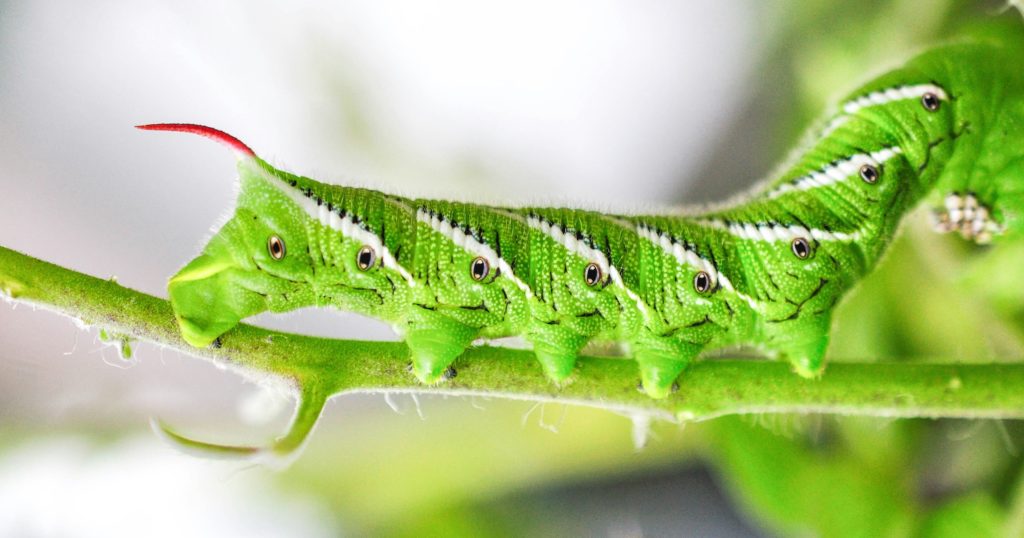
A vigorous chili garden is less attractive to pests, but you’ll still need to defend against aphids, flea beetles, and hornworms. Employ row covers early in the season to block egg-laying adults, then remove covers at flowering to allow pollinators access. Hand-pick visible caterpillars, and introduce beneficial nematodes to control soil-dwelling grubs.
I always keep neem oil on standby—spraying at first sight of infestation can stop outbreaks before they spread. While applying treatments, I often spot parasitic wasp cocoons on leaves—nature’s own pest control staking a claim in my pepper patch!