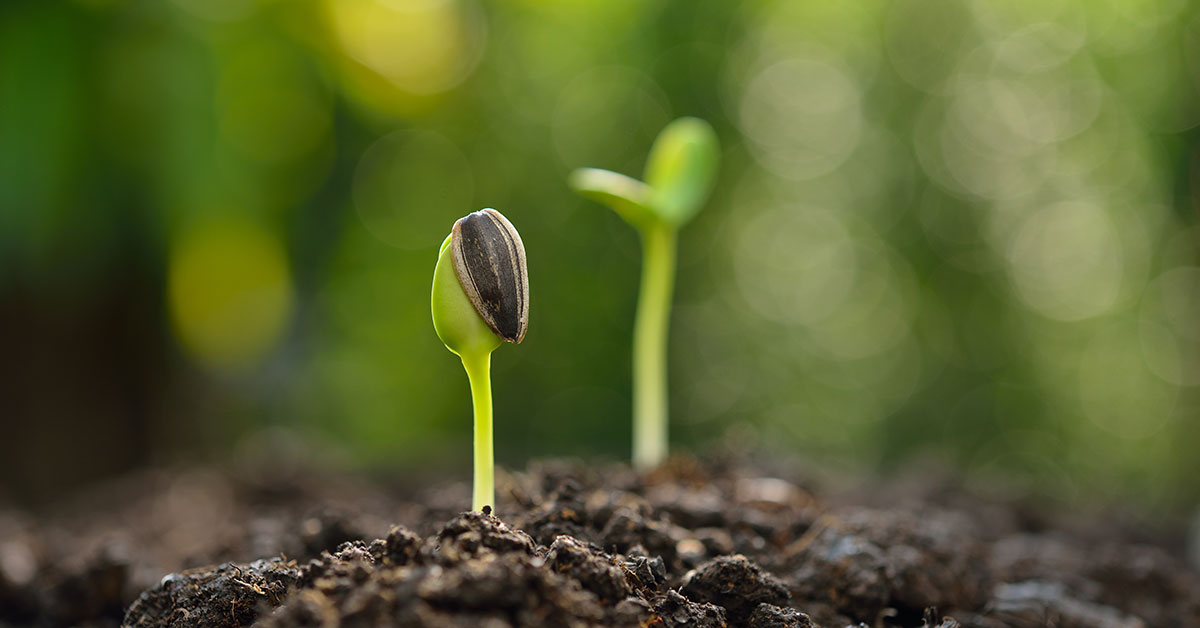

There’s nothing quite as satisfying as cracking open a homegrown sunflower head and spilling out a bounty of plump, glossy seeds. If you’ve ever felt that twinge of frustration when your sunflowers bloom beautifully but yield only a sparse handful of seeds, you’re not alone! With a few strategic tweaks—ranging from variety selection to pollinator-friendly strategies—you can turbocharge your sunflower harvest and fill jar after jar with nutritious treats.
Whether you’re growing sprawling giants or compact dwarfs, Helianthus annuus (native to North America and generally non-invasive, though volunteers can pop up in following seasons), these twelve tips will guide you through every stage: from seed choice and planting to feeding, protecting, and harvesting. Ready to transform your sunflower patch into a seed-producing powerhouse? Let’s dive in!
Hand-Pollinate for Extra Insurance
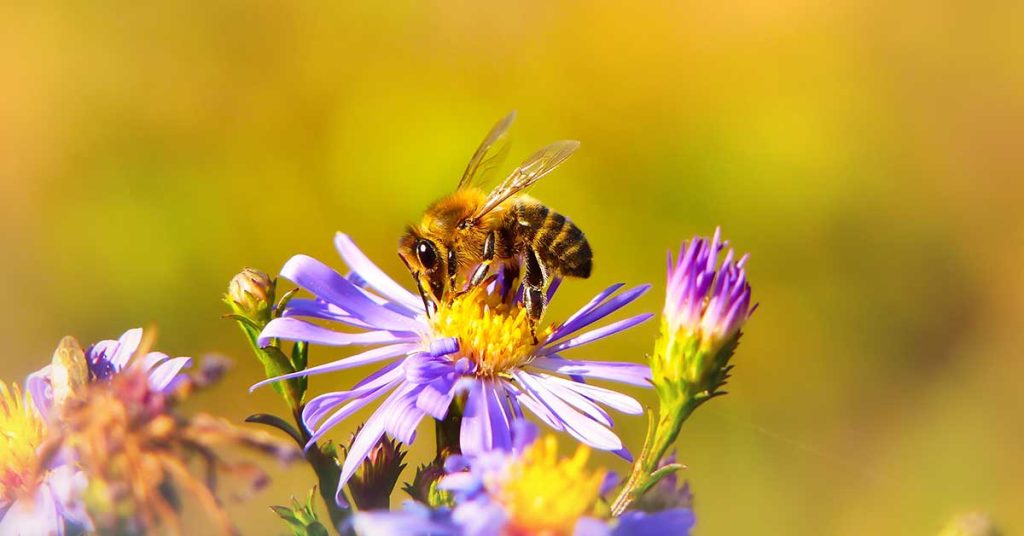
While honeybees and native bumblebees do most of the pollination work, a light touch from your fingers can boost seed set, especially on less-visited flowers. Gently brush a clean paintbrush or cotton swab across the center of each floret—mimicking insect visits—and transfer pollen from several flowers to each head. This hands-on approach ensures more florets develop into full seeds.
I love crouching beside my sunflowers in the golden hour, carefully dusting pollen as the light softens. It’s a peaceful ritual—and one of the most rewarding when you see those seed heads fill out more uniformly. Plus, as you pollinate, you might notice solitary ground bees nesting in sun-warmed soil nearby, drawn by the promise of nectar in your blooms!
Choose High-Yield Varieties
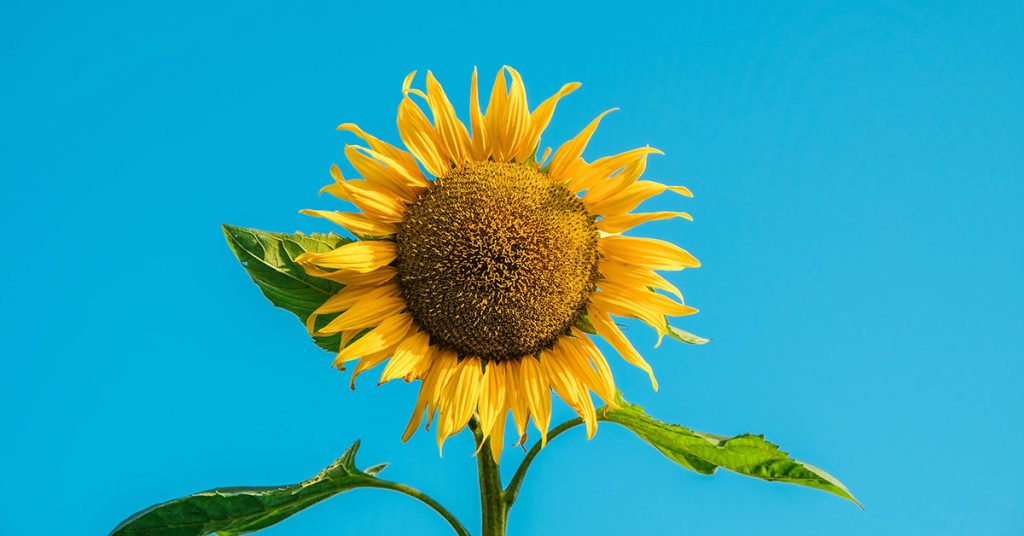
Not all sunflowers are created equal when it comes to seed production. Look for oilseed or confectionery types—such as ‘Mammoth Grey Stripe’ or ‘Russian Mammoth’—which are bred specifically for large, plump seeds. Dwarf and ornamental varieties often prioritize flower form over seed size, so if seeds are your goal, focus on those proven performers.
It’s such a bummer to grow a beautiful novelty sunflower only to find tiny seeds at harvest! By starting with varieties known for seed yield, you set yourself up for success from day one. And since Helianthus annuus is native to prairies, these robust types typically resist invasive tendencies while thriving in well-drained garden soils.
Plant at Proper Spacing

Crowded sunflowers compete for light, water, and nutrients, leading to smaller heads and fewer seeds. Follow seed-packet guidelines—typically 12 to 24 inches apart for large varieties—to give each plant room to stretch its roots and bask in full sun. Proper spacing also improves air circulation, reducing disease pressure and encouraging pollinator access.
I always picture a sunflower “neighborhood” with enough breathing room for each giant head to face the sun without bumping into its neighbor. That extra elbow room invites hoverflies and native wasps into the gaps, where they’ll nest in loose soil and keep pest populations in check, giving your sunflowers the healthiest backdrop for seed development.
Feed with Phosphorus and Potassium

After flowering, shift your feeding strategy from nitrogen-heavy formulas to a bloom-and-fruit mix rich in phosphorus (P) and potassium (K). These nutrients support robust seed development and starch formation. A balanced 5-10-10 granular fertilizer worked into the soil around the root zone can make a marked difference in seed fullness.
I remember one season when my heads were surprisingly sparse—then I applied a midseason P-K boost, and within weeks, the seed heads swelled noticeably! The extra carbs also sweeten the nectar, attracting more butterflies and native bees to linger around your garden.
Provide Strong Support

As seed heads mature, they become heavy—especially after rain—and can droop or snap off. Install sturdy stakes or trellises early in the season, and gently tie stems with soft twine as they grow. This prevents wind damage and keeps heads upright to dry evenly, reducing rot and mold on wet days.
It’s such a relief to see your largest ‘Mammoth Grey Stripe’ heads perched high and proud, rather than drooping into damp soil! Plus, elevated blooms become prime perches for seed-storing squirrels—which you’ll have to deter if you want the seeds all to yourself.
Attract and Protect Pollinators
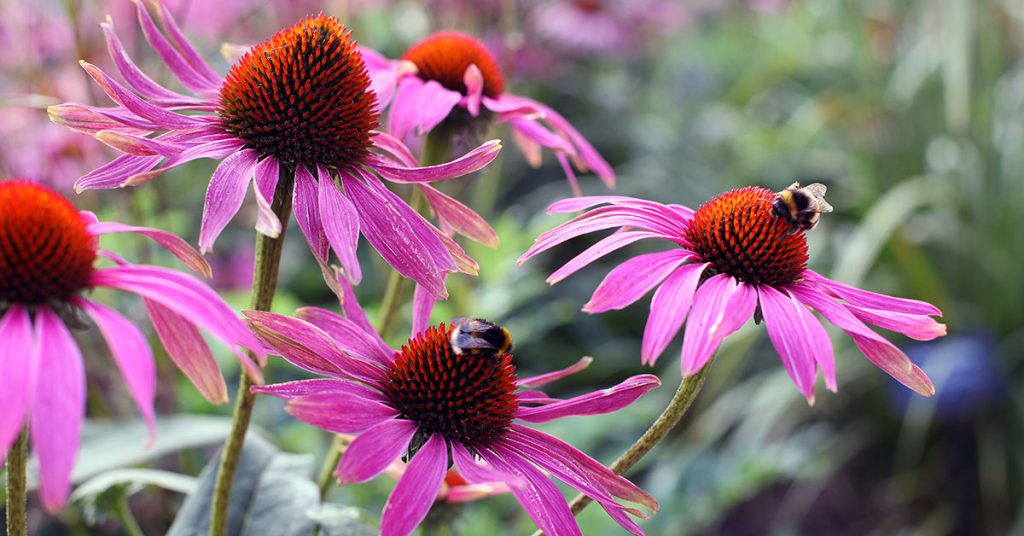
A thriving pollinator community directly translates to fuller seed heads. Plant companion flowers like purple coneflower (Echinacea purpurea) or native prairie grasses that offer nectar throughout the season. Provide shallow water dishes and avoid broad-spectrum insecticides to keep bees, hoverflies, and beneficial wasps safe and abundant.
One of my favorite sights is a cluster of honeybees and bumblebees swarming a sunflower at dawn. Their buzzing is music to a gardener’s ears—each visit fertilizes hundreds of florets, setting the stage for those plump seeds you’re counting on!
Thin Seedlings Early

Overzealous seed-sowing can result in crowded seed trays or garden rows. Once seedlings emerge, thin them to the recommended spacing while they’re small—an easy tug with scissors under the soil line preserves roots of neighboring plants. This early thinning minimizes transplant shock and guarantees each sunflower has optimal resources for head development.
I’ve learned the hard way that leaving every sprout in place often leads to spindly plants with undersized heads. By thinning early, I ensure each survivor becomes a potential seed superstar—plus, the extra room makes irrigation and weeding so much easier!
Harvest at the Perfect Moment

Timing is everything for seed-quality. Wait until the back of the sunflower head turns from green to yellow-brown, and the individual seeds appear plump with dark stripes. Gently rub your finger across the seeds—if they detach easily, it’s harvest time. Delaying longer risks birds or squirrels getting there first, or seeds falling to the ground.
It’s such a thrill to harvest just as the morning dew dries and before hungry finches swoop in! I often drape cheesecloth over the head a week before harvest to deter birds, ensuring the seeds you see are the seeds you’ll crack open later.
Protect from Birds and Critters

Birds, squirrels, and chipmunks adore sunflower seeds as much as we do. Install lightweight netting or bird-proof mesh over heads when seeds begin to fatten. Alternatively, tilt the head downward as it matures—squirrels find it harder to cling and peck at seeds when the face is inverted.
I chuckle remembering my ingenious “hat” of mesh I once fashioned for a giant sunflower—it looked silly, but it worked like a charm! Without that barrier, I’d have shared half my harvest with the local finch flock.
Rotate Heads with the Sun

Sunflowers famously track the sun (a behavior called heliotropism) during bud formation but eventually settle eastward once mature. You can coax fuller seed development by gently rotating heavy heads toward the morning sun each day. This maximizes solar exposure when temperatures are coolest and reduces afternoon heat stress.
I love this daily ritual—like guiding a solar panel to optimal angle! The result? More uniform seed maturation and a visually pleasing row of sunflowers all facing dawn, ready to greet you with rosy-gold smiles.
Ensure Even Watering
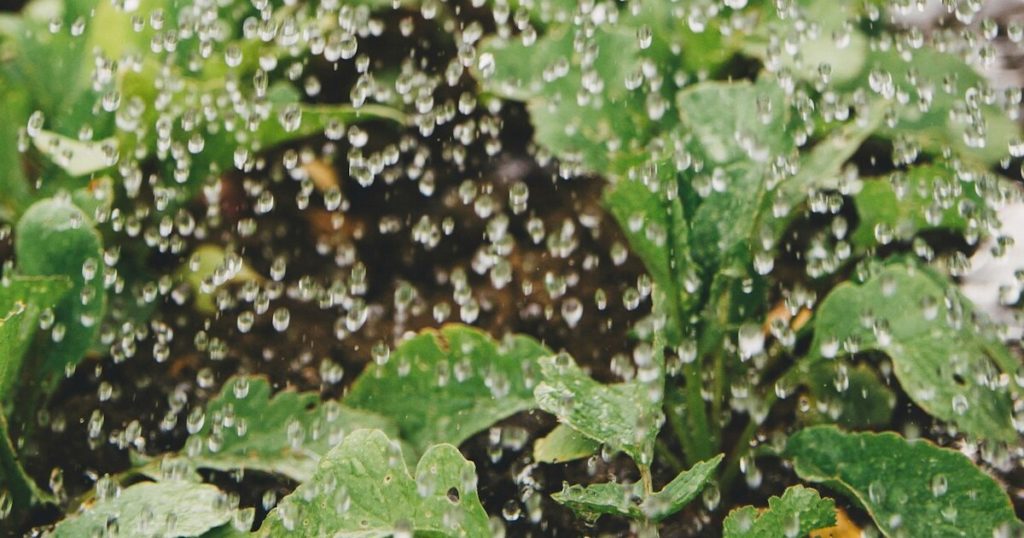
Inconsistent moisture leads to uneven seed fill—wet spells alternate with drought can halt seed development. Use soaker hoses or drip irrigation to deliver deep, slow waterings about once a week, depending on rainfall. Mulch around the base to conserve moisture and keep roots cool.
I know how tempting it is to rely on sporadic showers, but a little supplemental watering during dry spells makes a world of difference! When roots stay evenly moist, seed kernels develop evenly from the center to the edge of each head.
Dry and Store Properly

After cutting heads for harvest, hang them upside down in a warm, airy location—like a covered porch or barn loft—to finish drying. Place a tray or sheet beneath to catch falling seeds. Once thoroughly dried (seeds rattle in their shells), rub the heads gently to release seeds, then store in airtight containers in a cool, dark place.
It’s such a joy to run your fingers through a fully-dried head and watch seeds cascade out! Proper storage will keep those hard-earned seeds viable for planting or snacking well into the next season—truly the gift that keeps on giving.