

Weeds can be the bane of any gardener’s existence—nipping up through mulch, stealing nutrients, and forcing you into backbreaking tug-of-wars just to keep beds looking neat. I know how discouraging it is to spend hours weeding only to watch new invaders sprout overnight! Fast-growing ground covers are your secret weapon: they spread rapidly to form a living carpet that shades out weed seedlings, conserves moisture, and adds beauty to bare soil.
Beyond weed suppression, these low-growing champions bring ecological perks. Many offer flowers that attract pollinators, shelter ground-nesting bees, and provide habitat for beneficial insects like ladybugs or predatory beetles. From Mediterranean natives to hardy North American species, there’s a ground cover suited to every climate. Ready to transform your garden floor into a weed-free wonderland? Here are twelve stellar options to get you started!
Sedum spurium
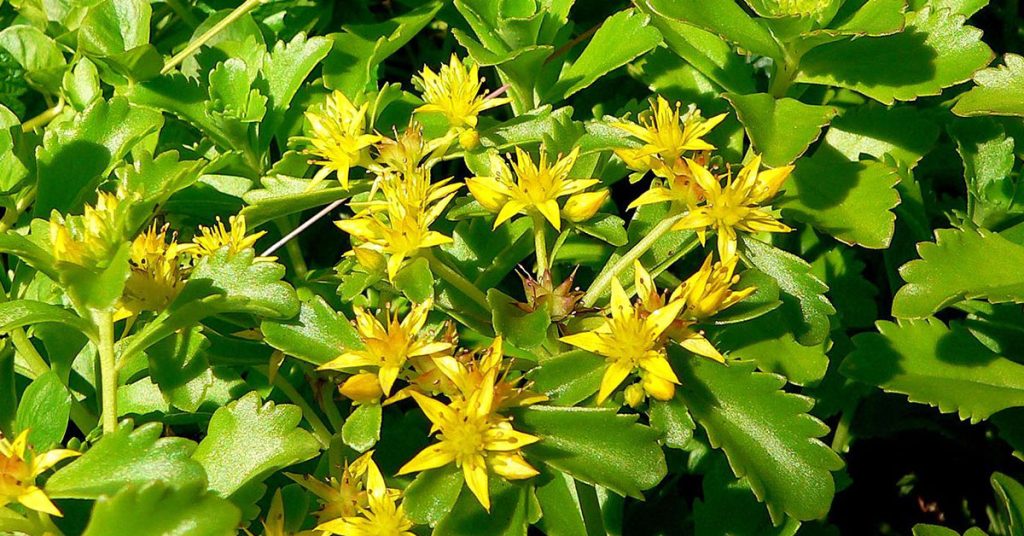
Stonecrop (Sedum spurium), native to the mountainous regions of Central Europe, is an ultra-resilient succulent ground cover. Its fleshy leaves store moisture, making it ideal for sunny, well-drained slopes or rock gardens. Spreading by stolons, it quickly forms a low, drought-proof blanket that outcompetes drought-intolerant weeds. I love how the pink-tinged foliage of certain cultivars lights up a dry patch, turning a problem area into a colorful carpet!
Apart from its ornamental appeal, Sedum spurium provides shelter for beneficial insects. Ladybird beetles and lacewings often nest in the crevices between its mats, patrolling for aphids and other soft-bodied pests. While non-invasive, it can spill beyond its designated area over time, so I edge mine with stone to keep a crisp border—and a weed-free zone!
Lamium galeobdolon
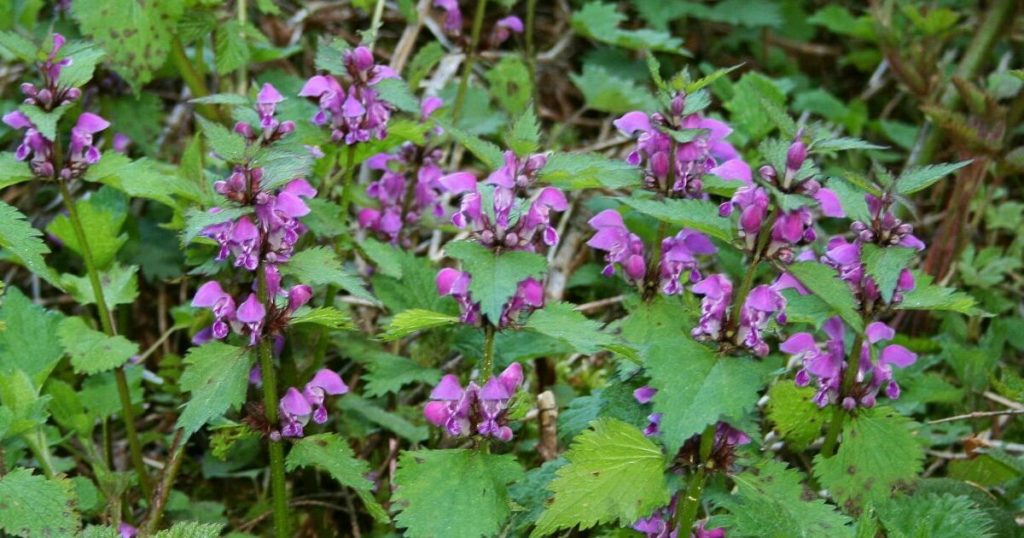
Yellow archangel is a European native prized for its variegated foliage and bright yellow spring flowers. It carpets shady ground quickly, outcompeting weeds like chickweed and violet. The nectar-rich blooms draw bumblebees and hoverflies, some of which nest in the leaf litter beneath the dense mat. It’s such a delight to see these pollinators busily flitting among the golden flowers!
Though highly effective at weed suppression, Lamium galeobdolon can become invasive in moist, fertile soils. I plant it in contained beds and periodically pull excess runners to keep it from escaping. The extra effort is worth it for its gorgeous leaves and the ecological bonus of attracting beneficial insects.
Vinca minor
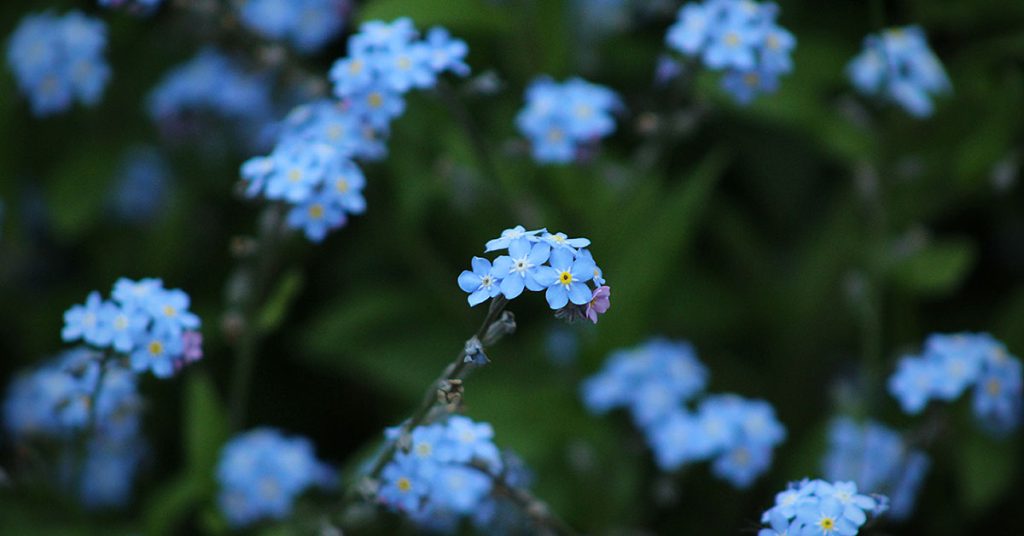
Periwinkle (Vinca minor) is native to Europe and western Asia but has naturalized in many regions as an aggressive spreader. Its glossy leaves and star-shaped blue flowers carpet shady spots, blocking out weeds like creeping buttercup. I’m always amazed at how quickly new runners root and expand, creating a uniform mat in a single growing season—perfect for under trees or along north-facing walls!
However, Vinca minor can escape into woodlands, displacing native flora. I contain mine within gravel beds or raised planters to harness its weed-smothering power without letting it slip into wild areas. The reward? A tidy, flowering ground cover that stays green year-round!
Pachysandra terminalis

Japanese spurge (Pachysandra terminalis) hails from the woodlands of Japan and eastern China. This evergreen ground cover forms dense colonies via creeping rhizomes, quickly blanketing shady areas where weeds struggle to gain a foothold. It’s particularly effective under trees or along fences where sun-loving weeds can’t compete. I love how its dark green, glossy leaves stay lush even in deep shade!
Beyond its visual appeal, Pachysandra attracts tiny ants and ground beetles that forage among its foliage. These critters often nest in the mulch beneath, creating a natural pest-control network. Just be cautious—while not aggressively invasive in most regions, it can crowd out more delicate native plants if not edged properly.
Thymus serpyllum

Wild creeping thyme is a sun-loving native of Europe that thrives in poor, well-drained soils. This aromatic ground cover spreads by runners, creating a fragrant, flowering carpet of pink or purple blooms in early summer. Those blossoms attract honeybees and native bumblebees, who sometimes nest in crevices between stones where thyme roots hold fast. I love treading gently across patches of Thymus serpyllum—each step releases a burst of citrusy scent!
Non-invasive and drought-tolerant, thyme pairs beautifully between stepping stones, outcompeting weeds that can’t withstand its low, sun-baked embrace. Over time, it even self-mulches with fallen leaves, further deterring hungry weed seedlings.
Galium odoratum
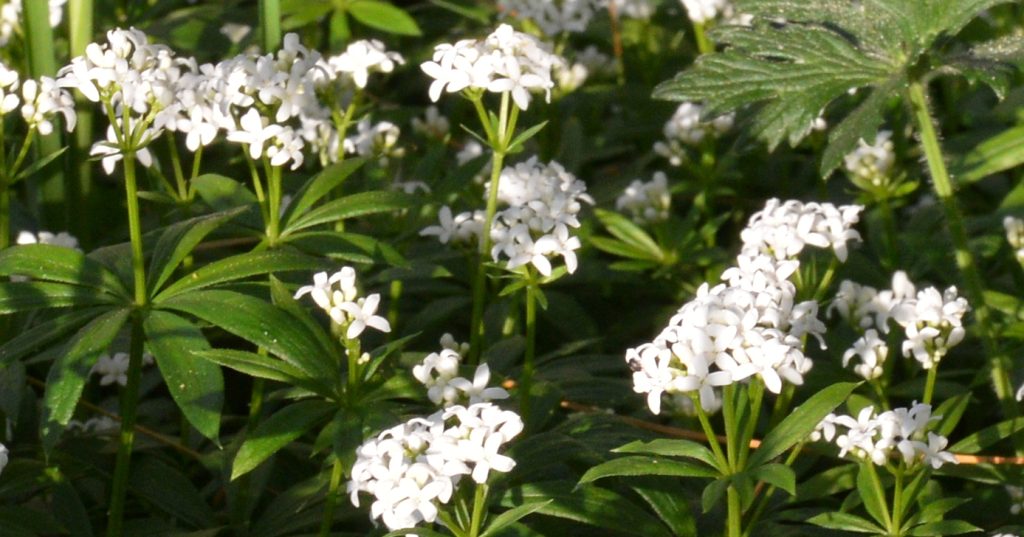
Sweet woodruff (Galium odoratum) is a woodland native of Europe and western Asia. It spreads via slender stolons to form a fragrant, spring-green carpet beneath deciduous trees. Its delicate white flower clusters attract tiny parasitic wasps that help control aphid populations, while providing nesting sites for ground bees. I always look forward to crushing its leaves for homemade potpourri—it smells like a walk in a European forest!
Though it can self-seed under ideal conditions, Galium odoratum rarely becomes invasive, making it a gentle yet effective weed suppressant in shaded garden corners. Its low stature means it won’t outgrow your beds, and its scent is a bonus treat on damp spring mornings.
Ajuga reptans
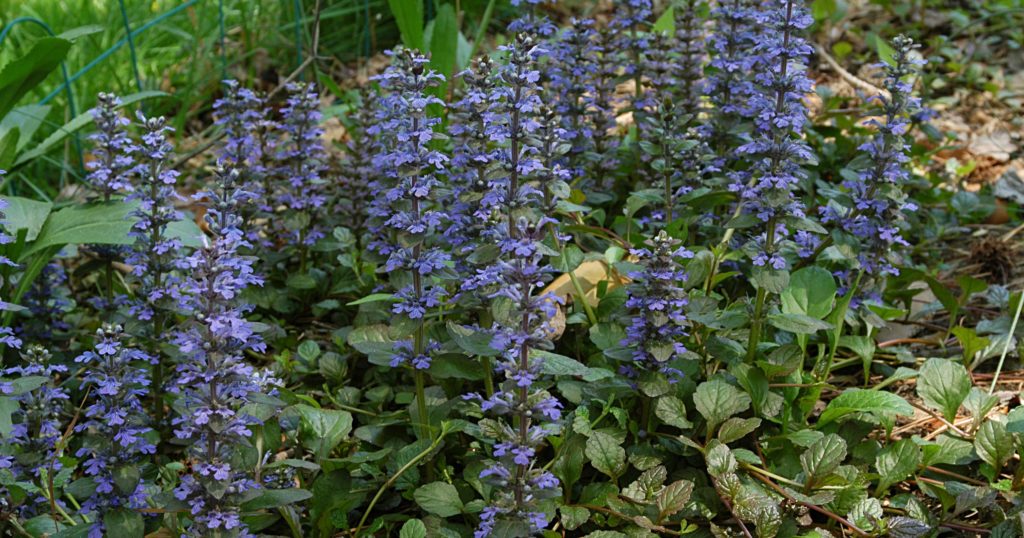
Bugleweed (Ajuga reptans) is native to Europe and parts of Asia, where it carpets forest floors with its bronze-tinged foliage. In spring, it sends up spikes of blue-violet flowers that beckon hoverflies and native bumblebees to nest in the loose soil among its runners. Within weeks of planting, you’ll have a tightly knit mat that chokes out seedlings of dandelions and chickweed.
I know how frustrating it is to weed between stepping stones—Ajuga races into those gaps and holds them lock-tight! Just be mindful: in warm, moist climates it can spread aggressively, so I often contain mine within stone borders to keep it from creeping into adjacent beds.
Lysimachia nummularia
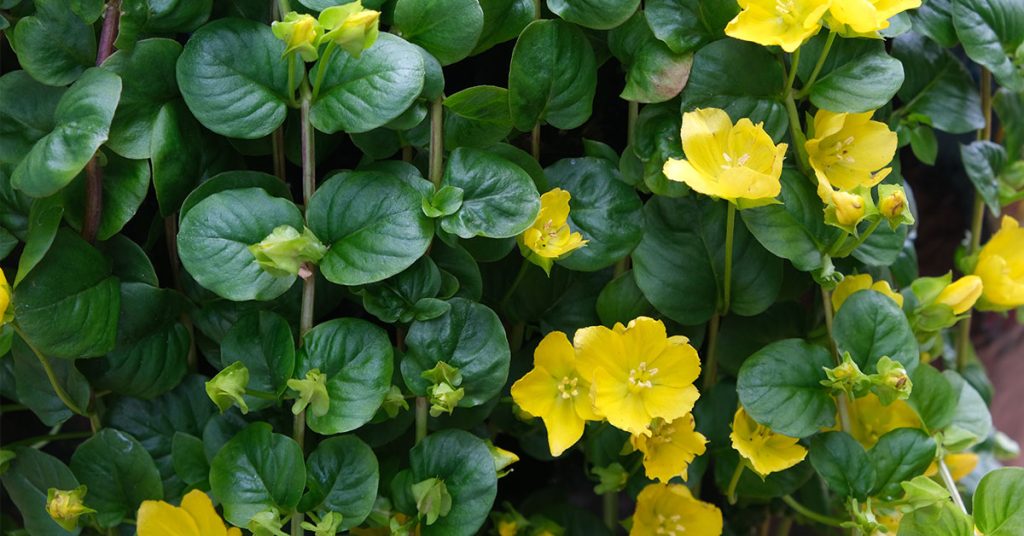
Creeping Jenny, native to Europe, boasts round chartreuse leaves that glow in both sun and part-shade. Its trailing stems root at each node, leading to rapid ground coverage that smothers weeds such as chickweed and henbit. In early summer, clusters of yellow cup-shaped flowers appear, attracting native solitary wasps and small bees that often nest in nearby soil crevices.
Beware—Lysimachia nummularia can overtake damp garden spots if left unchecked. I find trimming back after flowering and installing root barriers keep its spread in check while still harnessing its vibrant hue and weed-choking vigor.
Carpobrotus edulis
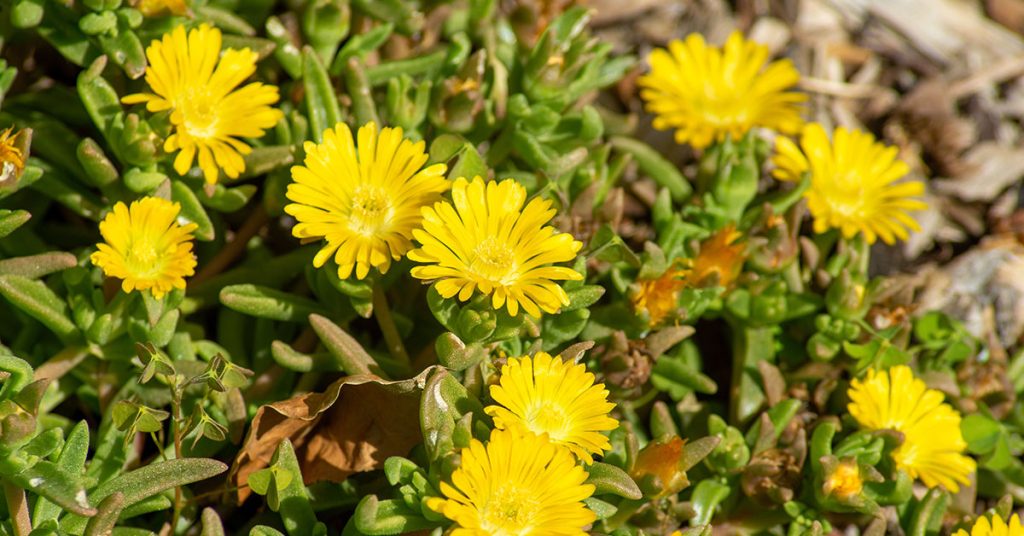
Also known as ice plant or Hottentot-fig, Carpobrotus edulis originates from South Africa’s coastal regions. This succulent creeper is a sun-lurker, thriving in hot, sandy soils where few weeds can survive. Its thick, fleshy leaves store water, and its bright magenta or yellow flowers attract solitary bees that nest in ground burrows. It’s an unbeatable weed-smotherer—but always check local regulations, as it’s invasive in many areas!
I love watching honeybees dive into its daisy-like blooms. To prevent unintended takeovers, I plant it in contained mounds and keep a close eye on its boundaries, enjoying its vibrant flowers without letting it escape.
Ophiopogon japonicus
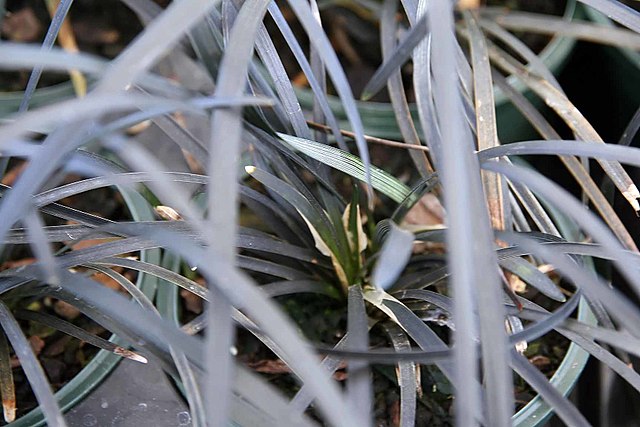
Mondo grass, originally from East Asia, forms tight clumps of grass-like foliage that slowly spread into a velvety lawn alternative. Its small, pale lavender flowers hidden among the leaves earn visits from tiny solitary bees seeking nesting sites in the surrounding mulch. Once established, it chokes out weeds by denying them light and space.
I appreciate how Ophiopogon japonicus tolerates both sun and shade, filling in under shrubs or along pathways where grass struggles. It’s non-invasive but spreads methodically, giving your garden floor a neat, evergreen look without frantic maintenance.
Dichondra repens

Dichondra repens, or kidneyweed, hails from Australia and New Zealand. This soft, lime-green ground cover features rounded leaves on wiry stems that root at the nodes, allowing it to spread rapidly across lawns or bed margins. It’s ideally planted in warm, semi-shade environments, and the dense mat deters common turf weeds like clover and shepherd’s-purse.
I often spot tiny carabid beetles nesting beneath its foliage, patrolling for pests. In cooler climates it can wane in winter, so I combine it with hardy sedges for year-round coverage, preventing bare patches where weeds might sneak in.
Phlox subulata
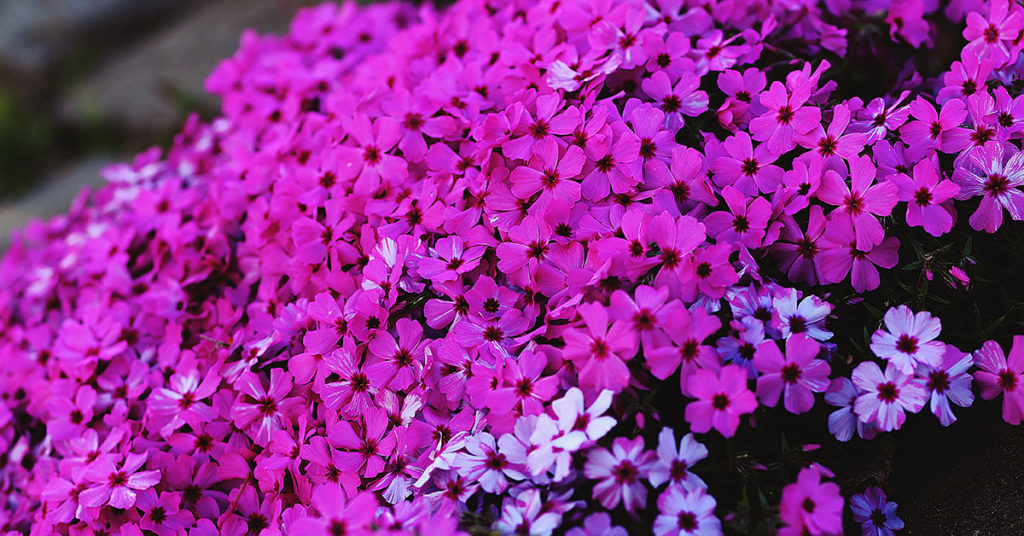
Creeping phlox, native to the eastern United States’ rocky slopes and woodlands, explodes into a sea of pinks, purples, and whites each spring. Its low, mounding habit spreads quickly by rooting stems, creating a lush blanket that weeds can’t penetrate. The fragrant blooms attract butterflies and solitary bees, many of which nest in nearby hollow stems or ground cavities.
I love planting Phlox subulata along rock walls—it cascades over edges like a floral waterfall! It’s non-invasive in its native range, but in off-site gardens, occasional trimming of sprawling runners keeps it well-behaved and stops it from smothering neighboring perennials.