

May your garden become a thriving haven for pollinators and pest predators this season! Planting the right flowers not only adds bursts of color but also invites a cast of beneficial insects—ladybugs, lacewings, solitary bees, hoverflies, parasitic wasps, and more—that work tirelessly to pollinate your blooms and keep pest populations in check. I know how dispiriting it can be to watch aphids overwhelm your seedlings or to see squash vines wilt for lack of pollination. By integrating flower choices that suit your climate and soil, you’ll create a balanced ecosystem where helpful insects flourish and your plants reap the rewards.
This list of sixteen top-performing flowers includes natives and noninvasives carefully selected for their attractiveness to beneficials, ease of care, and landscape value. Each entry covers its origins, potential for self-seeding or invasiveness, and the kinds of insects it draws—plus tips on providing nesting or shelter opportunities. As a gardener who’s delighted to spot a hoverfly larva feasting on aphids or a mason bee peeking from a hollow stem, I’m excited to share these picks. Let’s dive into a randomized lineup that will transform your garden into a buzzing, balanced paradise!
Cosmos (Cosmos bipinnatus)
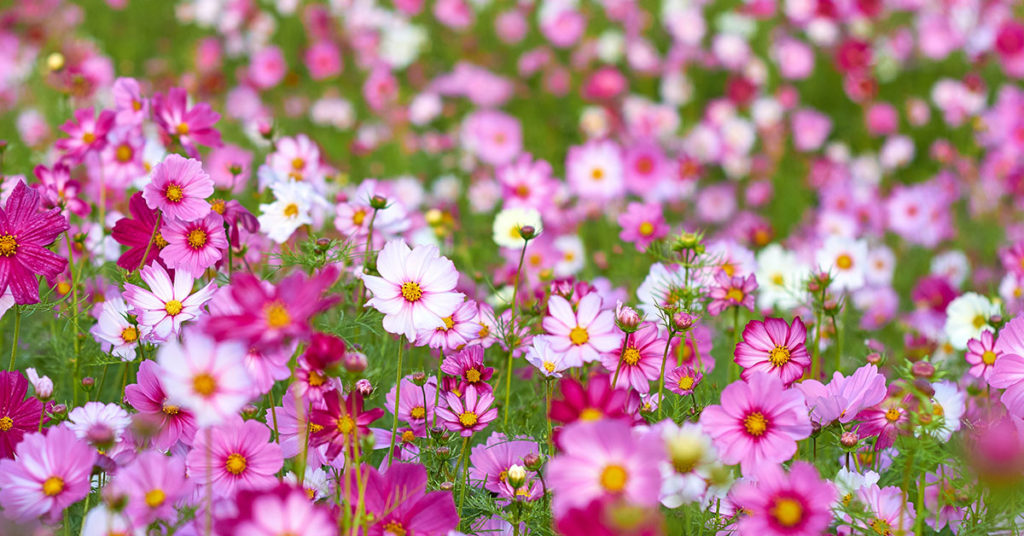
Cosmos, native to Mexico, brings airy, daisy-like blooms in shades of pink, white, and orange from early summer until frost. These easy-to-grow annuals self-seed sparingly but rarely become invasive, making them ideal for both wildflower meadows and ornamental borders. Their flat flower heads are perfect landing pads for a variety of pollinators—honeybees, bumblebees, and solitary bees all flock to the nectar-dense centers.
What really makes cosmos stand out is how they host beneficial hoverflies and lacewings. The adult hoverflies sip nectar, while their larvae patrol for aphids, and lacewing adults use the fine foliage as egg-laying sites. One of my favorite garden moments is spotting a lacewing egg sac tucked under a cosmos leaflet—nature’s own pest-control station!
Yarrow (Achillea millefolium)
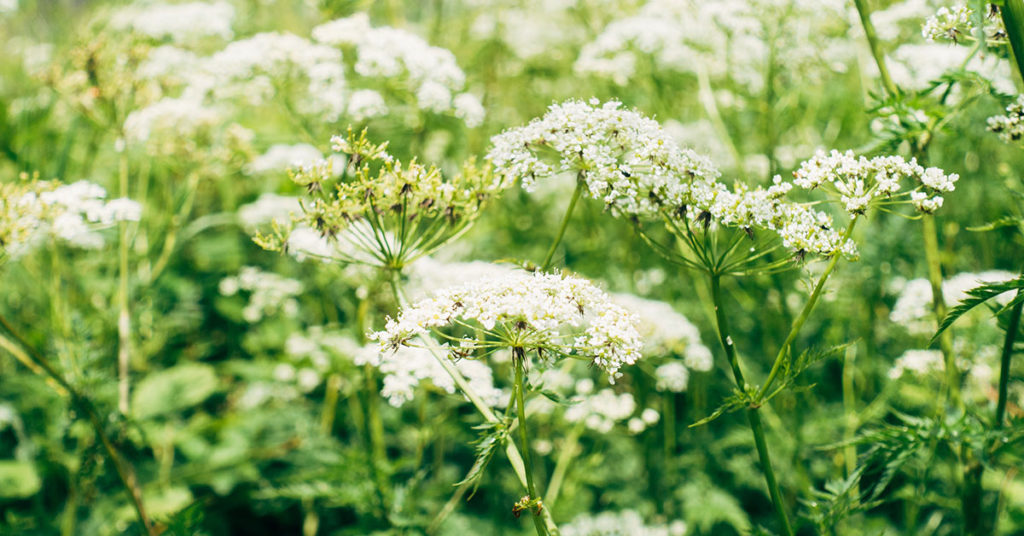
Yarrow, a hardy perennial native across temperate regions of the Northern Hemisphere, is revered for its flat clusters of white to pink flowers and feathery foliage. It spreads by rhizome but generally remains well-behaved, forming tidy clumps that withstand drought and poor soils. Beneficial wasps, ladybugs, and soldier beetles are drawn to its nectar, while parasitic wasps use yarrow patches as hunting grounds for pest caterpillars.
Beyond attracting predators, yarrow’s flat umbels provide ideal platforms for pollinators like digger bees to land and feed. The spent blossoms also offer shelter for small spiders and predatory mites through late fall, creating a multi-layered defense system. I love dividing yarrow in spring to expand this insectary without risking invasiveness!
Sunflower (Helianthus annuus)
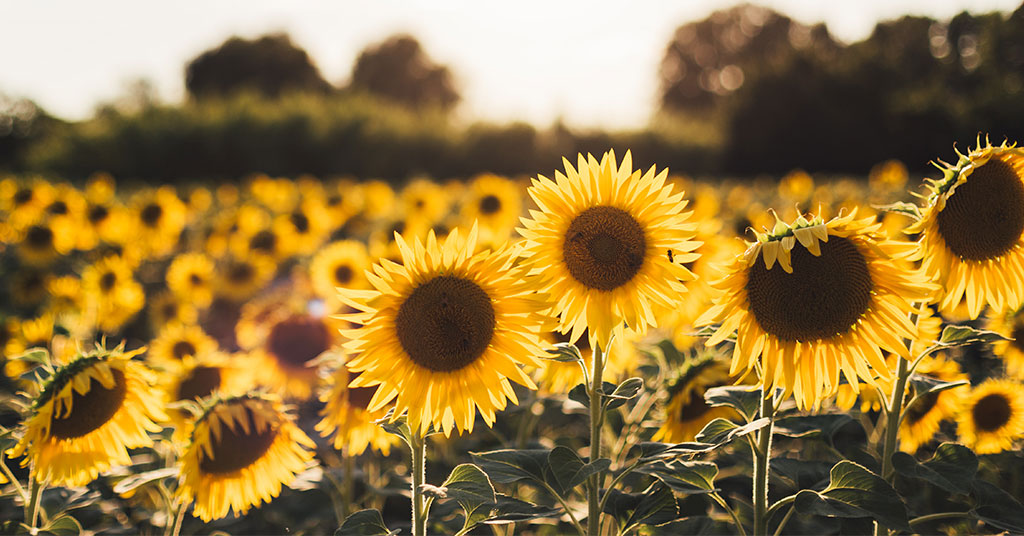
The iconic sunflower, native to North America, is more than a cheerful backdrop—its large, pollen-rich flower heads attract a spectrum of beneficial insects, from bumblebees and solitary bees to predatory ladybugs and lacewings. While some volunteer seedlings may pop up, most garden varieties aren’t considered invasive if you deadhead spent blooms. The tall stalks double as perches for predatory wasps, which hunt aphid colonies on surrounding plants.
After bloom, sunflower seed heads feed goldfinches and chickadees, further enhancing garden biodiversity. You can even leave dried stalks in place over winter to provide shelter for ground beetles and other overwintering beneficials. My garden wouldn’t feel complete without these towering, life-giving giants!
Dill (Anethum graveolens)
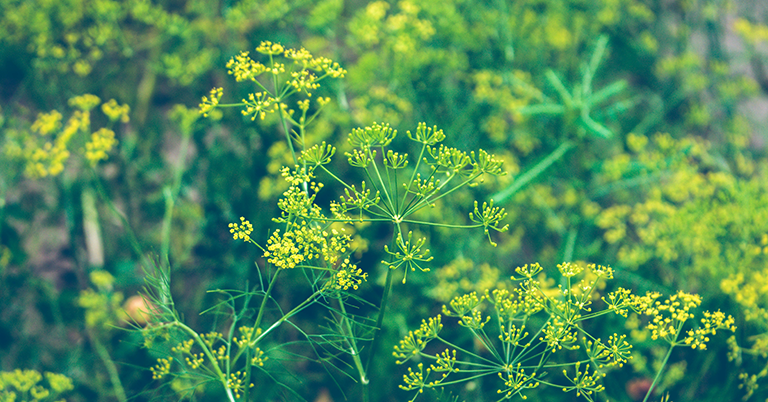
Dill, native to Southwest Asia, is a double-duty herb: its feathery foliage feeds beneficial lacewing larvae, while its umbrella-shaped yellow flowers draw in parasitic wasps and predatory hoverflies. Dill is an annual that self-seeds moderately—thin seedlings if you want to prevent overcrowding. The foliage also shelters small pollinators like miner bees, creating nesting microhabitats at ground level.
As the flower umbels age, they remain attractive to beneficial syrphid fly larvae, which consume aphids and thrips. I often tuck dill at the edges of vegetable beds where pests lurk; seeing parasitic wasps flit about is a clear sign that nature’s pest-control network is in full swing!
Aster (Symphyotrichum spp.)
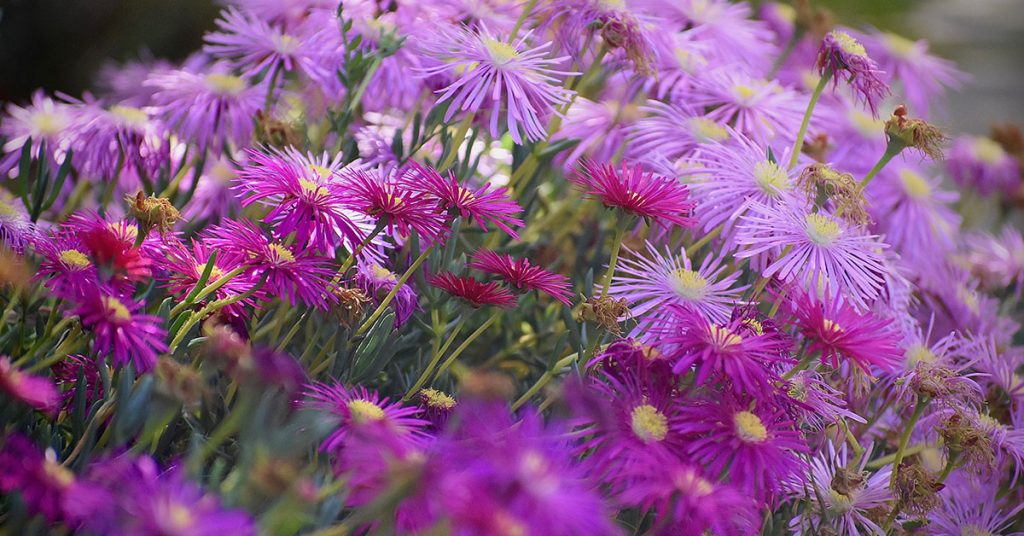
Asters, native to North America, burst into bloom in late summer and fall, providing crucial nectar and pollen when other flowers fade. Their daisy-like heads attract butterflies, native bees, and hoverflies, while the dense foliage offers shelter for predatory ground beetles. Most aster species are clumping perennials with minimal invasive tendencies, though it’s wise to divide crowded patches every few years.
I love how asters support queen bumblebees preparing for hibernation—they gorge on late-season blossoms to build fat reserves. Planting asters near woody shrubs gives solitary bees nesting sites in stems and encourages a diverse late-season pollinator assembly!
Lavender (Lavandula angustifolia)
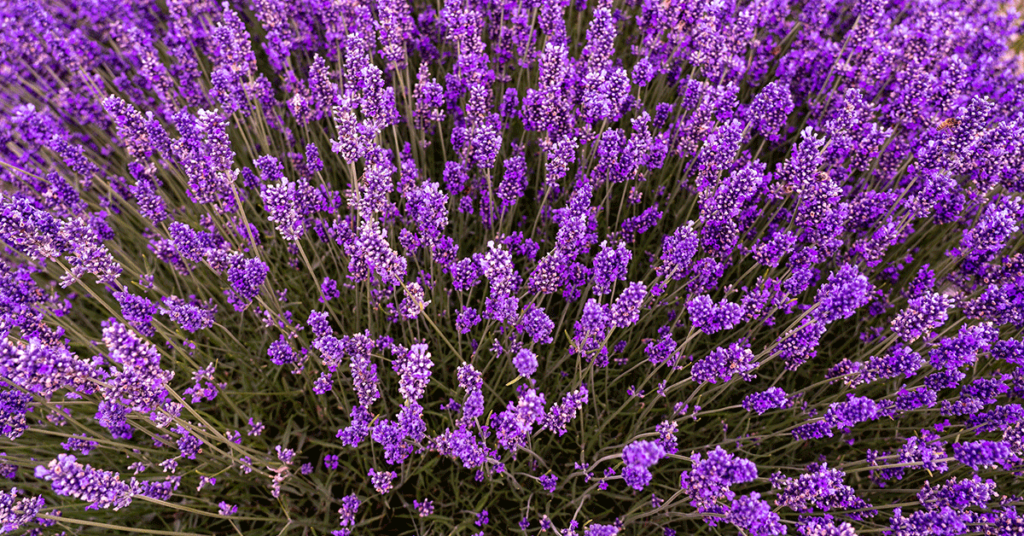
Mediterranean-native lavender is prized for its silvery foliage and fragrant purple spikes that thrive in well-drained, alkaline soils. Lavender isn’t invasive in most home gardens and forms neat mounds that require little division. Its nectar-rich flowers draw honeybees, bumblebees, and a variety of solitary bees, which often nest in nearby bare soil or hollow stems.
Beyond pollinators, lavender is a magnet for beneficial predatory wasps that help control caterpillar outbreaks. The long bloom period ensures steady support, and I always leave some spent flower heads in place for overwintering lacewings. The scent alone is worth it—plus, it means a bustling insectary!
Tithonia (Tithonia rotundifolia)

Mexican sunflower, native to Mexico and Central America, boasts fiery orange blooms that virtually glow in the garden. These vigorous annuals are not known to naturalize aggressively, but their annual habit and self-seeding can fill gaps effectively. Birds, bees, and butterflies flock to tithonia, while predatory wasps and crab spiders patrol the petals for unsuspecting pests.
What I find most thrilling is watching pollinator diversity build over the summer, from early solitary bees to late-season butterflies. The tall, branching habit also offers vertical perches for ladybugs and lacewings to survey the garden, turning tithonia stands into insect observation decks!
Goldenrod (Solidago spp.)
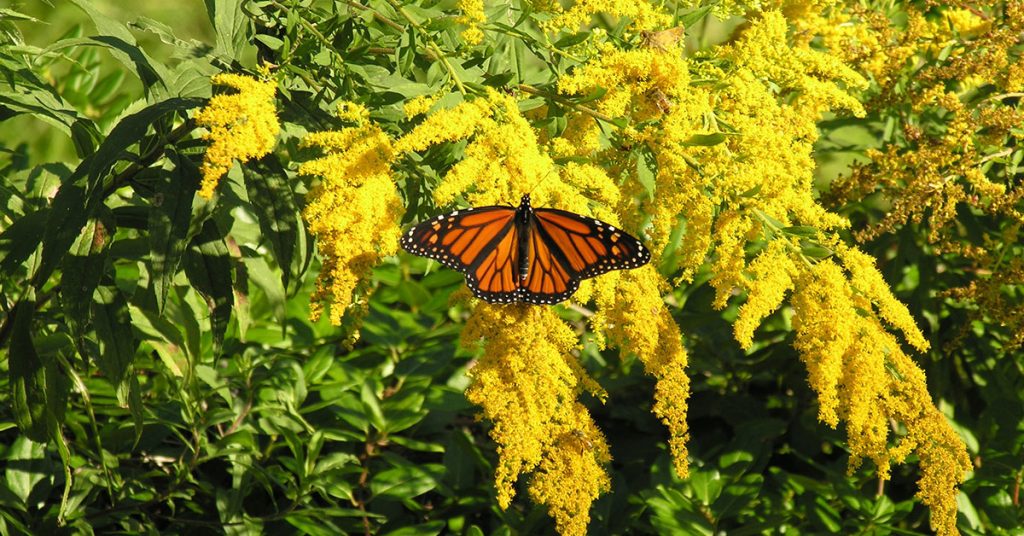
Goldenrod, native to North America, illuminates late summer with golden plumes that feed pollinators at a critical time. Far from causing allergies, goldenrod is a powerhouse for native bees, predatory wasps, and hoverflies—all feasting on its nectar and pollen. Most bunched species aren’t invasive, though some varieties spread via rhizomes; select cultivars labeled “clump-forming” for easier management.
These dense clusters also serve as brood sites for gall midges and small beetles that become food for larger predators, creating a mini food web. I always tuck goldenrod in game borders—its blooms signal a healthy, balanced habitat teeming with beneficial insect life!
Calendula (Calendula officinalis)

Pot marigold, native to Southern Europe, is an annual beloved for its bright orange and yellow daisy-like flowers. Calendula self-sows sparingly, making it a noninvasive choice for succession planting. Its blooms attract ladybugs and hoverflies, while ground-nesting bees nest in the bare soil beneath compact foliage.
Calendula petals also offer landing zones for syrphid flies, whose larvae consume aphids voraciously. I scatter calendula seeds in vegetable beds, and within weeks the cheerful blooms host a full spectrum of beneficials—nature’s own integrated pest management team!
Marigold (Tagetes spp.)
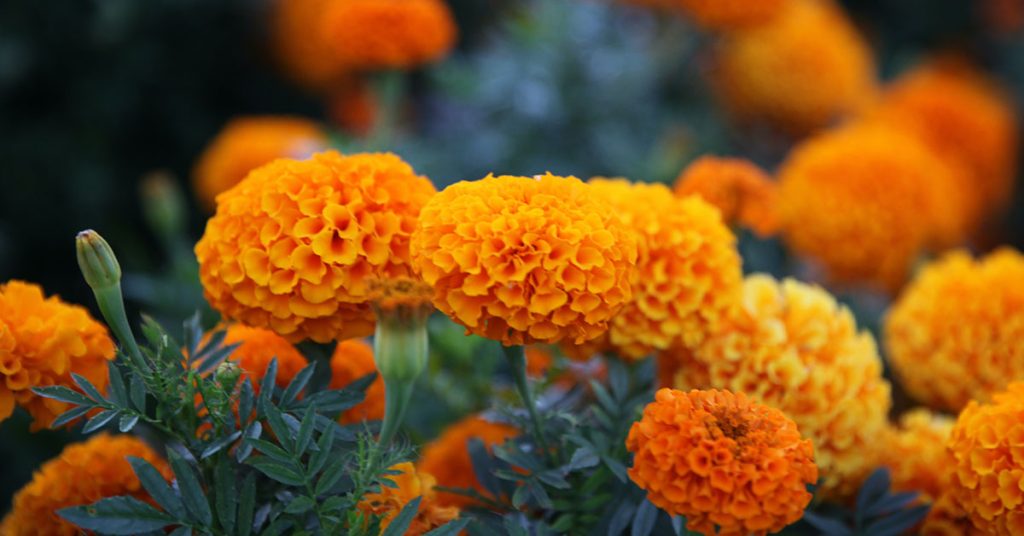
Native to Mexico, marigolds bring bold colors—golden yellows and fiery oranges—that attract pollinators and repel certain pests. French marigolds (Tagetes patula) remain compact and noninvasive, while African varieties can self-seed more freely. The compound eyes of parasitic wasps focus on marigold blooms to hunt caterpillar eggs, and lacewings visit for pollen.
Marigold roots exude thiophenes, which deter root-knot nematodes, giving your soil an added health boost. I always plant marigolds alongside tomatoes and peppers, where their dual action—pest attraction and nematode suppression—makes them indispensable!
Phacelia (Phacelia tanacetifolia)
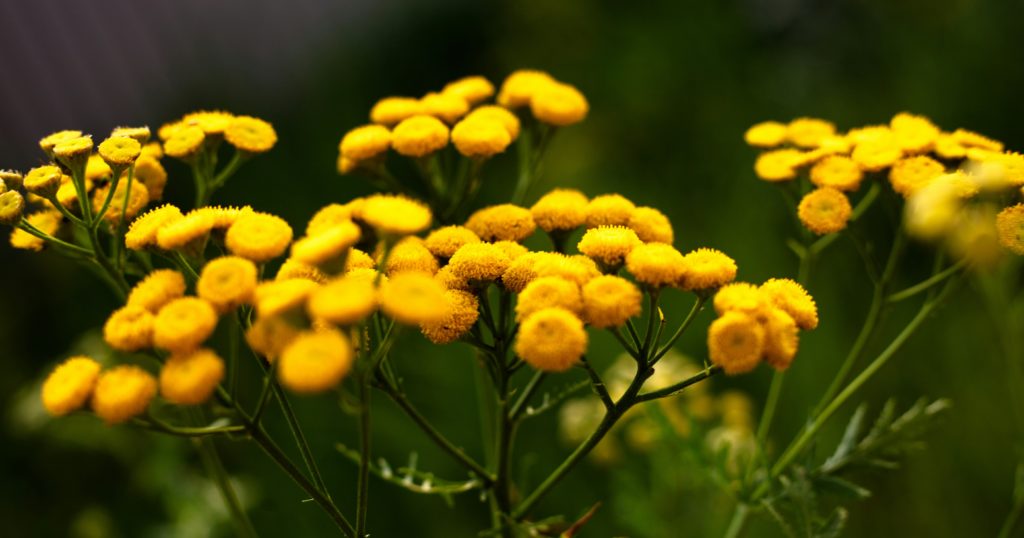
Also known as lacy phacelia or blue tansy, this annual is native to California and thrives in poor soils with minimal water. Its lavender-blue flower clusters are irresistible to honeybees, bumblebees, and digger bees, which often nest in nearby bare patches. Phacelia isn’t invasive; it dies back after frost, leaving no persistent runners.
Phacelia’s fringe-like petals also invite predatory wasps and tachinid flies that seek nectar before hunting pests. I love sowing it as a cover crop between main plantings—its quick bloom fills warm gaps and keeps beneficials well-fed year-round!
Fennel (Foeniculum vulgare)
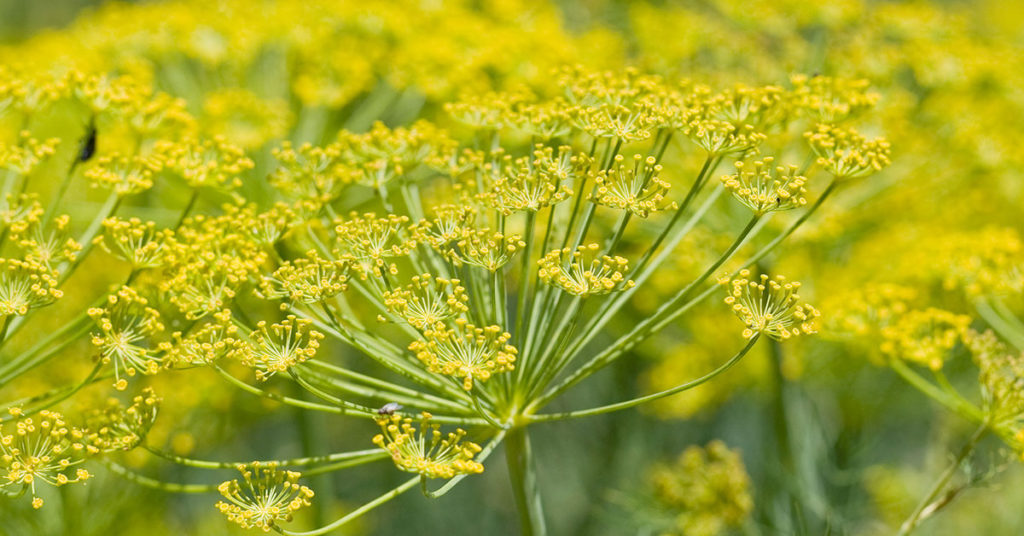
Native to the Mediterranean, fennel’s tall umbels of yellow flowers draw parasitic wasps, lacewings, and hoverflies. This herb can naturalize in some climates via rhizomes, so consider growing it in a contained bed or large pot. The hollow stalks offer nesting sites for mason and mining bees, while the flowers feed adult wasps hunting aphid-infested areas.
Watching a lacewing larva skitter across a fennel umbel is always a thrill—they’re nature’s pest assassins. I plant fennel at the edge of my vegetable patch; its dual role as culinary herb and insect magnet makes it a garden multitasker!
Cornflower (Centaurea cyanus)
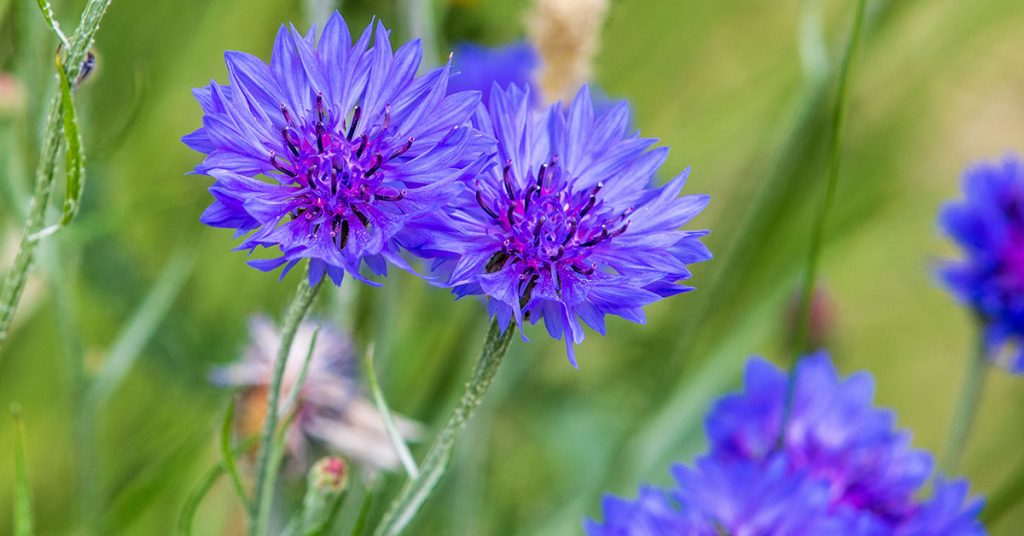
Cornflower, native to Europe but naturalized widely, is an annual with striking blue blooms that attract bumblebees, butterflies, and hoverflies. It self-seeds in well-drained soils but rarely becomes invasive if you deadhead occasional seed heads. The open flower heads also lure predatory wasps, which use the sturdy stems as hunting perches.
One of my favorite sights is a patch of cornflower hosting dozens of syrphid flies, their larvae patrolling the lower leaves for aphids. This dynamic scene reminds me that a handful of simple annuals can transform pest management organically!
Coneflower (Echinacea purpurea)

Purple coneflower, native to North American prairies, offers long-lasting blooms atop sturdy stems. As a clumping perennial, it’s well-behaved and noninvasive. Pollinators—particularly bumblebees and native solitary bees—are drawn to its nectar and pollen, while parasitic wasps and tachinid flies hunt the flower heads for hosts.
In fall, goldfinches feed on the seed heads, further enhancing garden biodiversity. I often leave a few spent coneflowers standing for overwintering ladybugs and ground beetles, turning my prairie patch into a year-round insectary!
Sweet Alyssum (Lobularia maritima)
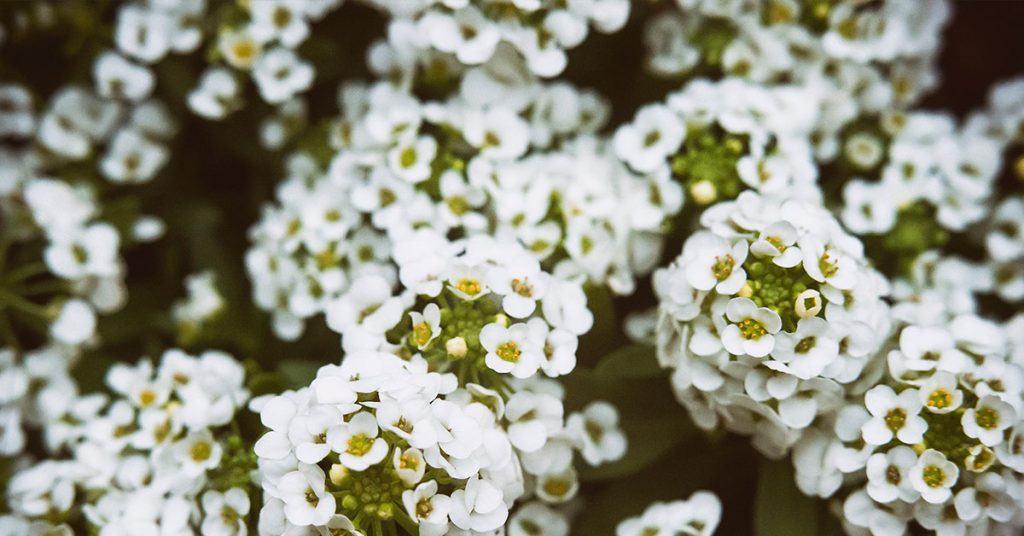
Sweet alyssum, native to the Mediterranean, is a low-growing annual that blankets the ground with tiny white, pink, or purple flowers. It self-seeds lightly but rarely takes over unless conditions are perfect. The nectar-rich blooms are irresistible to hoverflies and small native bees, and the dense mats provide shelter for beneficial predatory mites.
Planting sweet alyssum as a border or groundcover around vegetable beds keeps aphid-hunting hoverflies close at hand. I scatter alyssum between lettuce and brassicas, and within days my garden hums with hoverfly activity—nature’s delicate pest-control agents!
Joe-Pye Weed (Eutrochium purpureum)
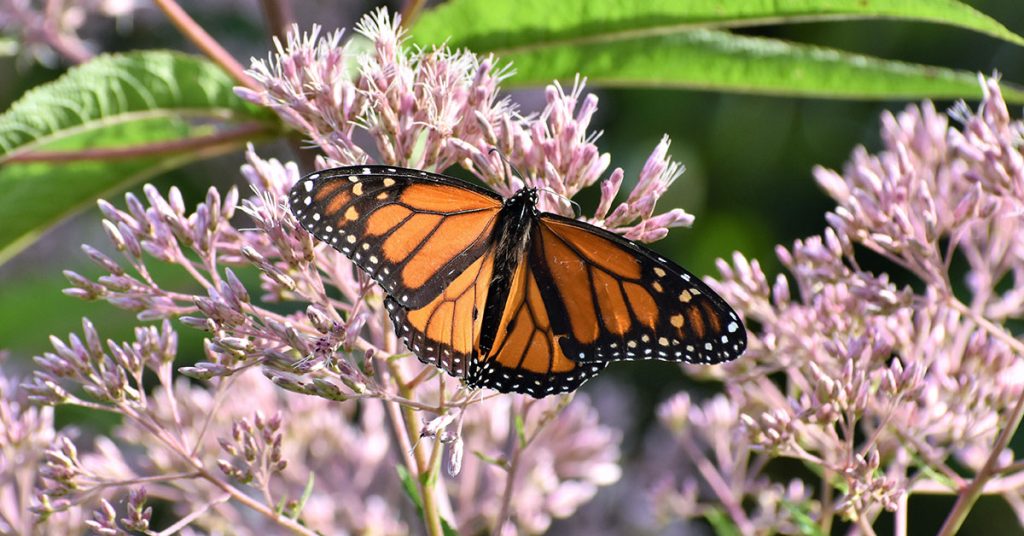
Joe-pye weed, a North American native perennial, boasts tall clusters of mauve-pink flowers that bloom in late summer. It’s not invasive—spreading slowly by rhizomes—and prefers moist soils. Its composite flower heads attract butterflies, bees, and predatory wasps, which use the sturdy stems to perch while scouting for caterpillars.
I appreciate Joe-Pye weed’s role in supporting parasitoid wasps that keep hornworm and swallowtail caterpillars in check. Planting it near tomato cages creates a dynamic corridor where pollinators and predators converge, ensuring healthy fruit set and balanced pest control!