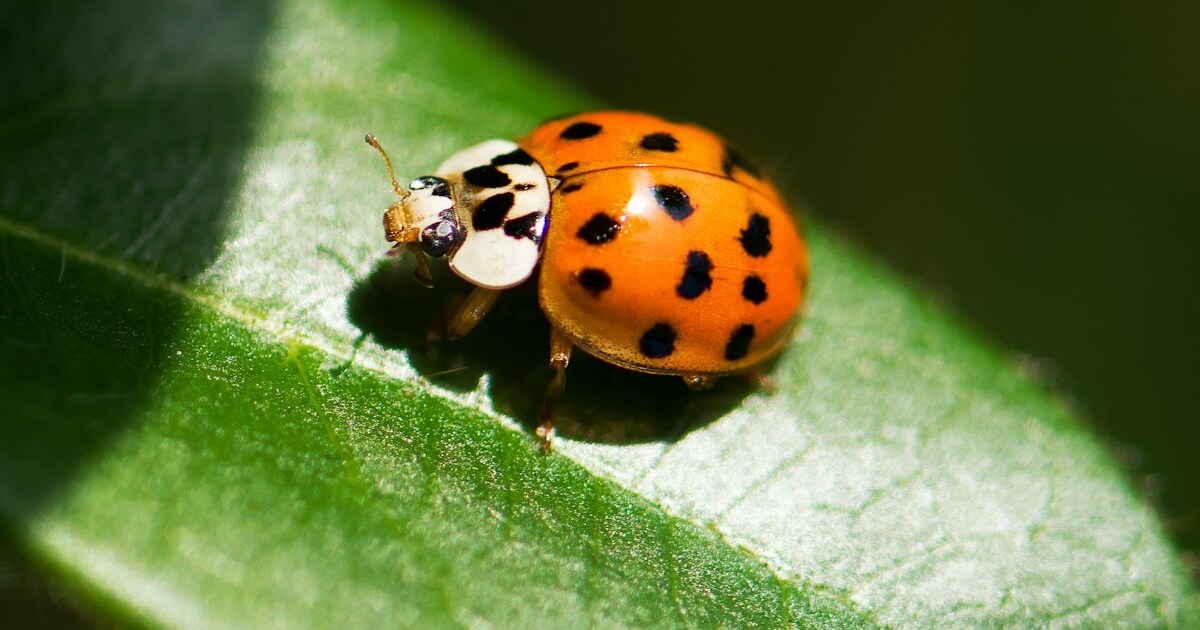

I’m absolutely delighted you’re considering inviting ladybugs into your garden—these charming little beetles are nature’s knights in shining armor when it comes to pest control! Native species like the Nine-Spotted Ladybug (Coccinella novemnotata) thrive in North America, and even introduced varieties such as the Seven-Spotted Ladybird (Coccinella septempunctata) have naturalized without becoming invasive if managed responsibly. I know how discouraging it is to find your tender seedlings smothered by aphids or scale insects, so having a brigade of ladybugs on patrol can turn your garden from a battleground into a flourishing oasis.
Beyond their pest-fighting prowess, ladybugs enrich your garden’s ecosystem in countless ways—from boosting soil health to delighting kids with their lifecycle metamorphoses! In the sections below, you’ll discover twelve compelling reasons to attract these spotted friends, complete with tips on encouraging egg-laying (those fuzzy ootheca egg cases!), supporting their overwintering habits, and fostering a balanced habitat that keeps them returning year after year. Let’s jump into a list of benefits that will have you eager to plant nectar-rich blooms and create plenty of cozy nooks for these helpful insects!
Early-Warning Indicator of Pest Pressure
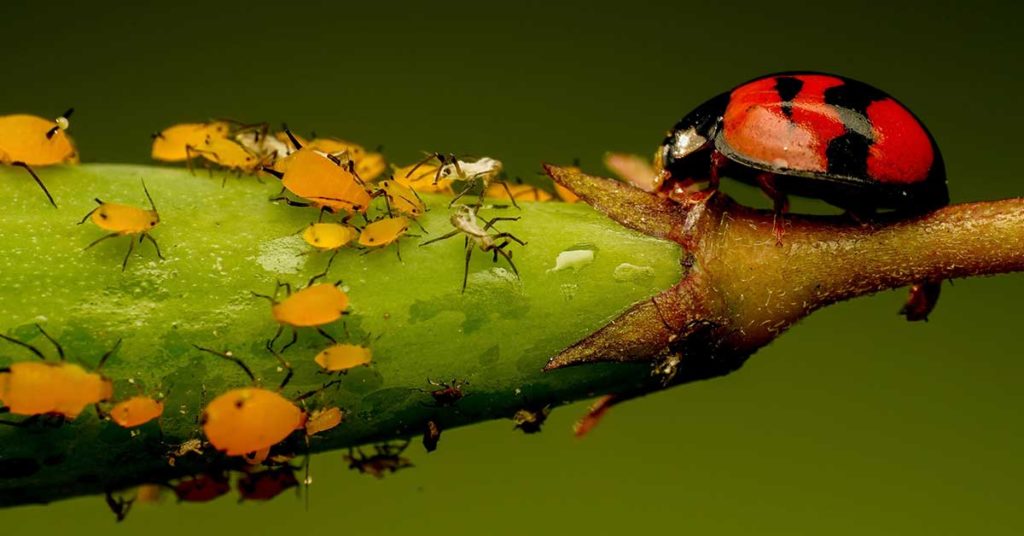
One of the most valuable roles ladybugs play is as a living “canary in the coal mine” for aphid and scale infestations. They hone in on pest pheromones, so spotting the first gentle waltz of a ladybug along your rose stems signals it’s time to scout for soft-bodied invaders. I remember my relief when a lone ladybug appeared on my zinnias—it led me straight to an emerald-green aphid cluster before it could explode.
By paying attention to where ladybugs congregate, you can take targeted action—pruning infested shoots, boosting plant health, or installing a temporary row cover—before pests damage your crops. In their native North American range, species like C. novemnotata have performed this role naturally for centuries, and they do so without threatening other beneficial insects or spreading invasively.
Rapid Reproduction Ensures Lasting Benefits
Ladybugs lay clusters of bright yellow ootheca (egg masses) on the undersides of leaves, often near aphid colonies. Each cluster can contain dozens of eggs, and the hungry larvae that hatch will decimate pests in just a few weeks! One of my favorite sights is seeing these miniature “alligator-like” larvae scurry across foliage, cleansing plants of aphids with voracious appetite.
Encouraging ootheca deposition is as simple as leaving small patches of undisturbed shrubs—like native serviceberry or elderberry—where females can glue their eggs. These native perennials provide sturdy platforms without invasive risk. With rapid reproduction each season, your ladybug population becomes a self-sustaining shield against recurring pest outbreaks!
Educational Delight for All Ages

Watching ladybugs progress through their life cycle—egg, larva, pupa, adult—is like having a mini nature documentary in your backyard. I love sharing this with neighborhood kids at our local community garden; their eyes light up when they see how larvae transform into vibrant red-and-black beetles. It’s a priceless lesson in insect ecology and metamorphosis!
Setting up a simple observation station—a clear jar with air holes and fresh aphid-infested leaves—turns your garden into an outdoor classroom. Just be sure to return the adults to the garden once they emerge, so they can continue working their pest-control magic. This hands-on approach fosters lifelong appreciation for biodiversity without introducing invasive species!
Natural, Chemical-Free Pest Control
Ladybugs are genuine garden superheroes, each adult consuming up to 50 aphids per day and even tackling scale insects and mealybugs. Their larvae are even more relentless—you’ll find them munching through pests that damage vulnerable young shoots. I know how disheartening it is to see wilting tomatoes dotted with sooty mold; ladybugs swoop in and clean up the culprits naturally!
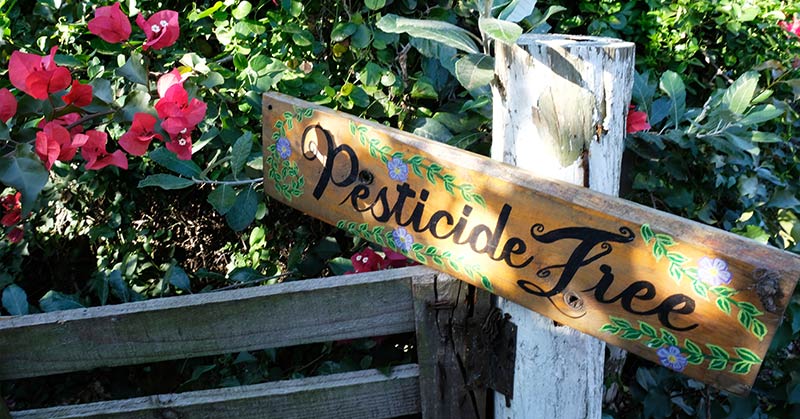
Unlike broad-spectrum insecticides, ladybugs target only soft-bodied pests, leaving pollinators and other beneficial insects unharmed. In regions where they’re native, ladybugs form a cornerstone of integrated pest management—providing a tried-and-true, chemical-free method to keep your plants healthy and thriving.
Boosting Garden Biodiversity
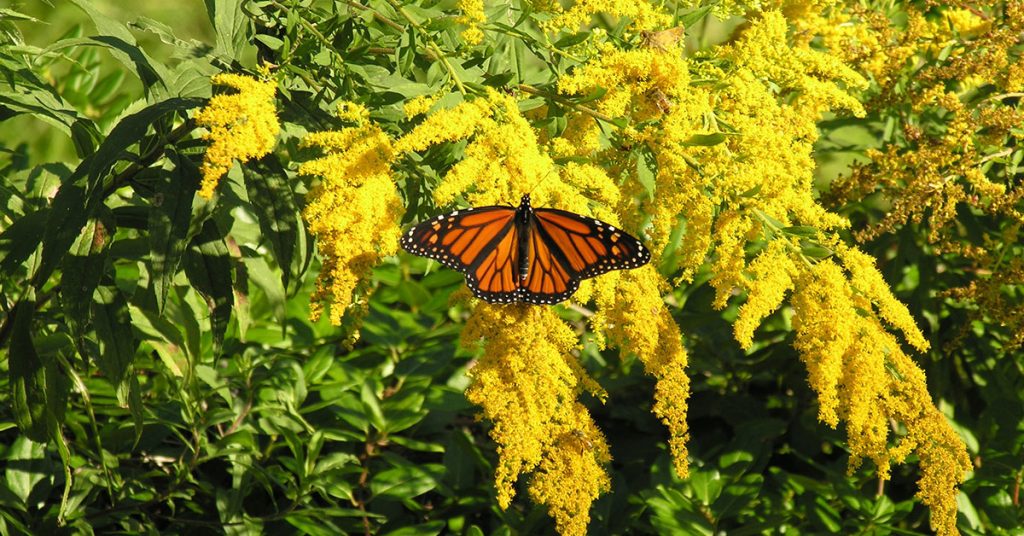
Inviting ladybugs into your landscape does more than control pests—it helps create a vibrant, balanced ecosystem. Their presence often correlates with healthy populations of hoverflies, lacewings, and predatory mites. I took note that after planting a swath of goldenrod and yarrow, ladybug numbers surged alongside an explosion of other natural predators.
This rich tapestry of insect life sets the stage for stronger plant resilience. In North America and Europe alike, ladybugs co-evolved with myriad organisms; by mimicking their habitats—leaving leaf litter, planting native wildflowers—you cultivate a microcosm where each species supports the others rather than competes destructively.
Encouraging Native Beneficial Insects
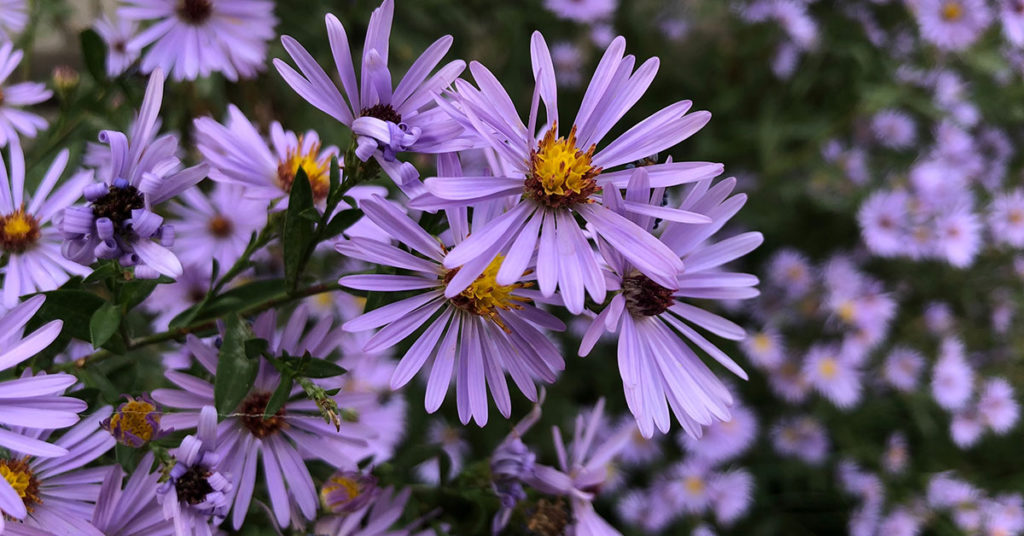
While some gardeners purchase exotic ladybug species, focusing on natives like Hippodamia convergence (Convergent Lady Beetle) maintains local ecological integrity. Planting nectar-rich perennials—such as coneflower (Echinacea purpurea) or New England aster (Symphyotrichum novae-angliae)—supports local ladybug populations without risking displacement of other native insects.
Providing overwintering shelters—brush piles, hollow stems, or dedicated insect hotels—gives native ladybugs the chance to hibernate and return in spring. This approach avoids introducing non-native strains and ensures that your garden benefits from species perfectly adapted to your specific region!
Supporting Pollinator Health Indirectly

Ladybugs diversify their diet with nectar and pollen when pest populations dip, often visiting spring-blooming herbs like thyme and dill. I’ve watched them nectaring alongside solitary bees on cilantro flowers, each playing complementary roles: ladybugs keep aphids at bay while pollinators fertilize fruit blossoms.
By interplanting herbs and flowers that serve both predators and pollinators, you create a multitasking habitat. This synergy means you’re nurturing a robust pollinator community—vital for vegetables and ornamentals alike—while sustaining your ladybug allies throughout the season.
Enhancing Soil and Plant Health

Ladybug larvae are ground-level hunters, gently disturbing the topsoil in their quest for prey. This activity aerates the soil surface, promoting water infiltration and nutrient cycling. Encouraging their hunting grounds by reducing soil compaction and adding organic mulch brings benefits across your garden, from stronger root systems to more worm-friendly conditions.
When your soil breathes and drains properly, plants grow more vigorously—and healthy foliage is less susceptible to pests and diseases in the first place. It’s all part of a harmonious cycle: ladybugs help condition the soil, and in return, your plants are more resilient!
Aesthetic Appeal and Joy
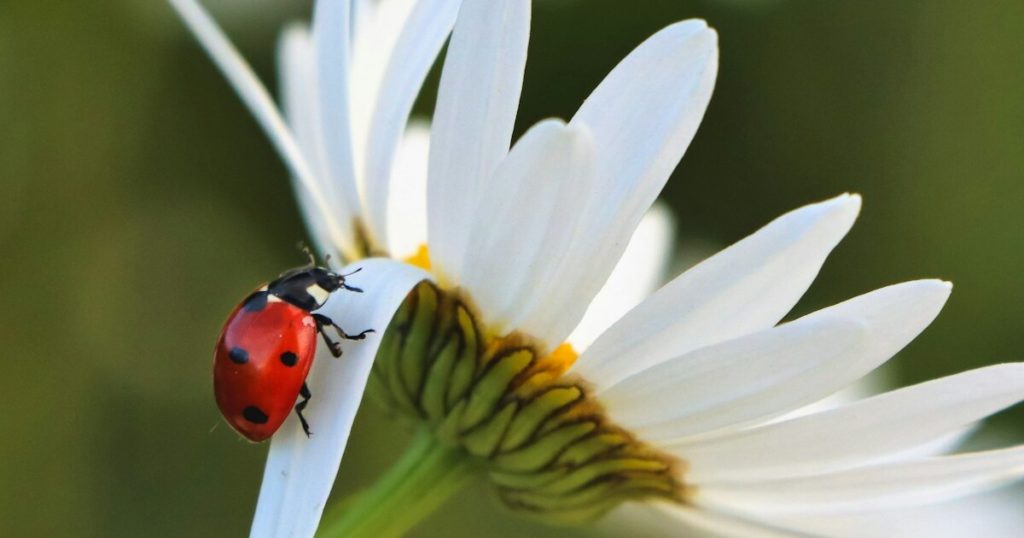
There’s an undeniable thrill in spotting a bright red ladybug with jet-black spots resting on a green leaf—like finding a tiny piece of living jewelry! I love stumbling upon clusters of overwintered adults warming on a sunlit fence post. Their cheerful hues add visual delight to every garden nook.
Beyond looks, knowing that these beetles are diligently protecting your plants offers a profound sense of partnership with nature. Each ladybug sighting is a reminder that your garden is alive, balanced, and working in concert with the web of life you’re nurturing!
Adaptive to Various Garden Styles

Whether you cultivate a sleek urban balcony or a sprawling cottage plot, ladybugs fit right in. In containers, tuck a pot of sweet alyssum or catmint; in large beds, plant drifts of native milkweed or blanket flower. Their flexibility makes them ideal allies for gardeners of all levels and spaces!
I’ve observed successful ladybug populations thriving on rooftop gardens and tiny window boxes alike. As long as you provide nectar, prey, and shelter, these adaptable beetles will feel right at home—no matter your garden’s style or scale.
Year-Round Garden Guardians

Adult ladybugs seek winter refuge under leaf litter, bark, or in insect hotels. By maintaining mulch layers and evergreen groundcovers like pachysandra or wintercreeper, you offer them cozy quarters to overwinter. One of my favorite strategies is leaving a patch of ornamental grass unclipped until late winter, giving them extra insulation!
Come spring, these resident beetles emerge hungry and ready to patrol new growth, eliminating the need to reintroduce them each year. A stable, overwintering population means your garden benefits from continuous, year-round pest suppression!
Indicator of Overall Garden Health

Finally, the abundance of ladybugs is a living barometer of your garden’s well-being. Numerous beetles mean you’ve created balanced habitats, with ample prey and minimal chemical disruption. Conversely, a sudden decline signals you may need to reassess your watering, feeding, or spray practices.
Ladybugs offer real-time feedback: see them clustering on healthy shoots and know you’re on the right track. Let them guide your cultural practices—mulching, companion planting, and habitat diversification—to cultivate seasons of lush, vibrant growth!