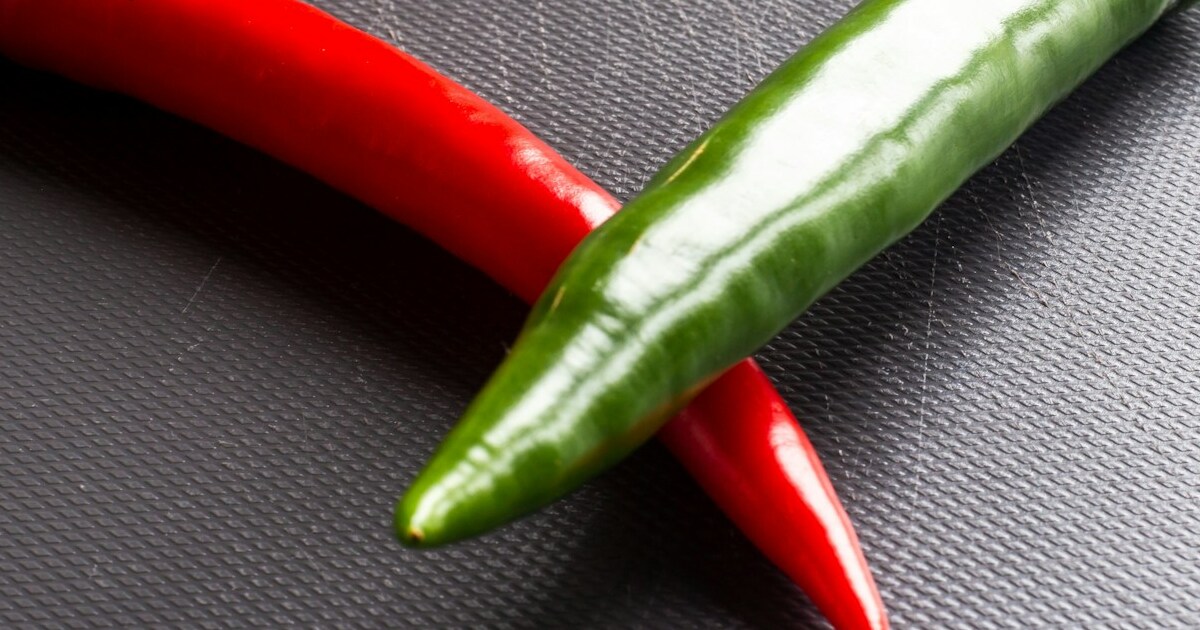

I’m thrilled you’re ready to spice up your garden with serrano peppers! Native to the mountainous regions of Mexico, these zesty plants have been cherished for centuries, adding bright heat to salsas and sauces. As a gardener, I know how exciting it is to envision a row of glossy, green pods turning fiery red—but it can also be disheartening when peppers struggle or pests invade. In this article, I’ll share ten in-depth tips to help your serranos thrive, from seed-starting secrets to harvest-time tricks, all with plenty of garden empathy and enthusiasm!
Whether you’re working with containers on a sunny balcony or planting a full bed in the yard, these strategies will demystify the process. Along the way, you’ll learn how serranos interact with helpful insects, whether they ever volunteer in your soil (they do, occasionally!), and how to balance lush foliage with bountiful fruit. Let’s dive into these tips—presented in a fresh, randomized order—so you can cultivate a knockout serrano harvest this season!
Monitor and Manage Pests Naturally

It’s such a bummer when aphids or spider mites swarm your pepper leaves, but early detection can save the day! Scout your plants at least twice a week, looking under leaves and at new growth. If you spot clusters of aphids, blast them off with a strong stream of water or introduce beneficials like lady beetles and lacewings. You can even tuck in small potted marigolds or alyssum to lure predatory hoverflies into your pepper patch!
In Mexico’s native habitat, serranos grow alongside a host of natural predators that keep pest populations in check. While they’re not invasive outside cultivation, an unchecked pest outbreak can mimic that same imbalance. By encouraging biodiversity—think ground covers that habitat ground-dwelling beetles or nooks for solitary bees—you build a mini-ecosystem that protects your serrano crop without harsh chemicals.
Start Seeds Indoors Early
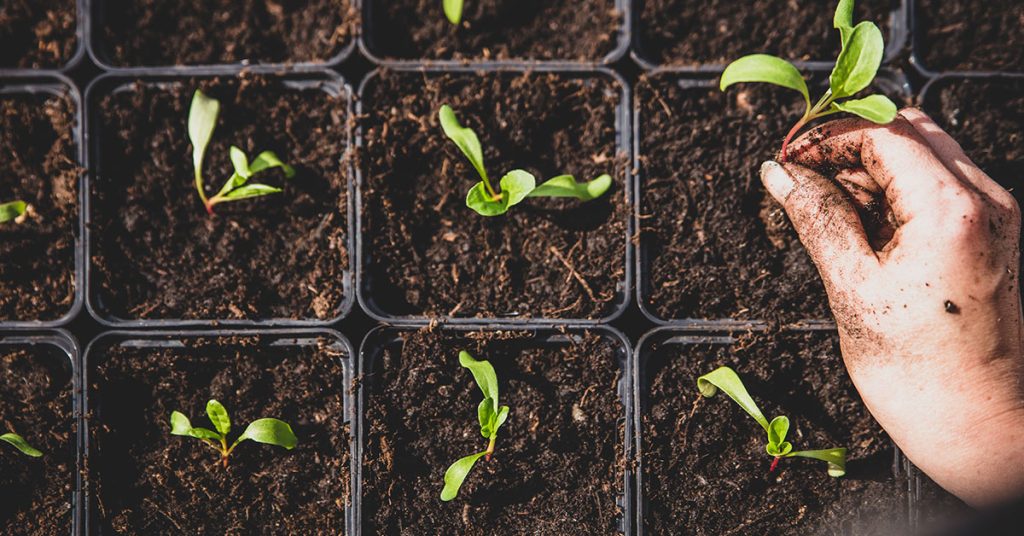
Giving your serrano seeds a warm, nurturing start indoors can mean the difference between leggy seedlings and robust transplants. Plant seeds 8–10 weeks before the last frost date in a light, well-draining seed mix. Maintain a soil temperature of around 80°F (27°C) with bottom heat if possible; once they sprout, provide 12–14 hours of bright light to prevent stretching. Strong, compact seedlings will establish more quickly when moved outdoors.
These young plants also attract tiny beneficial insects like predatory mites, which help control early pest incursions. In their native Mexican highlands, serrano seedlings emerge under canopies that host diverse microfauna. While pot-bound seed trays can sometimes lead to volunteer peppers if you leave them outside too long, that’s generally a welcome sight—just thin the strongest plants to prevent overcrowding.
Provide Strong Support Structures
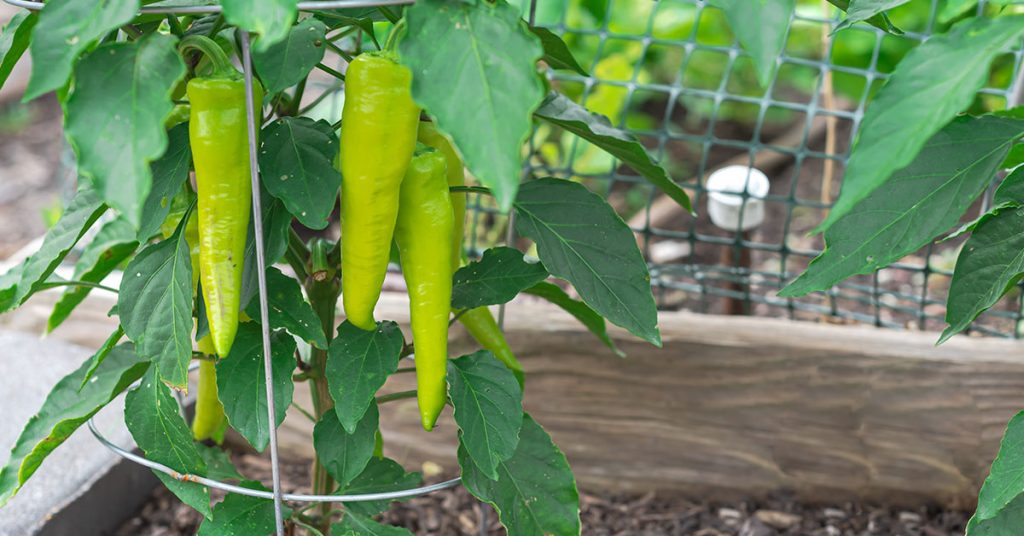
As your serrano plants set dozens of peppers, stems can bend or snap under the weight. Installing stakes or tomato cages at planting time ensures you’re ready before those pods get heavy. I like to use soft garden twine to loosely tie branches to stakes, allowing for natural movement and preventing girdling. Good support also maintains airflow, cutting down on humidity that leads to fungal diseases.
Interestingly, these cage frameworks become mini-habitats for beneficials. Solitary bees and lacewings often tuck into the leaf-stem intersections, hunting pests or seeking shelter. Serranos themselves aren’t invasive, but if fallen fruits decompose around the base, volunteers can pop up next season—just another way these peppers keep giving back to your garden community!
Harvest Regularly to Encourage Productivity
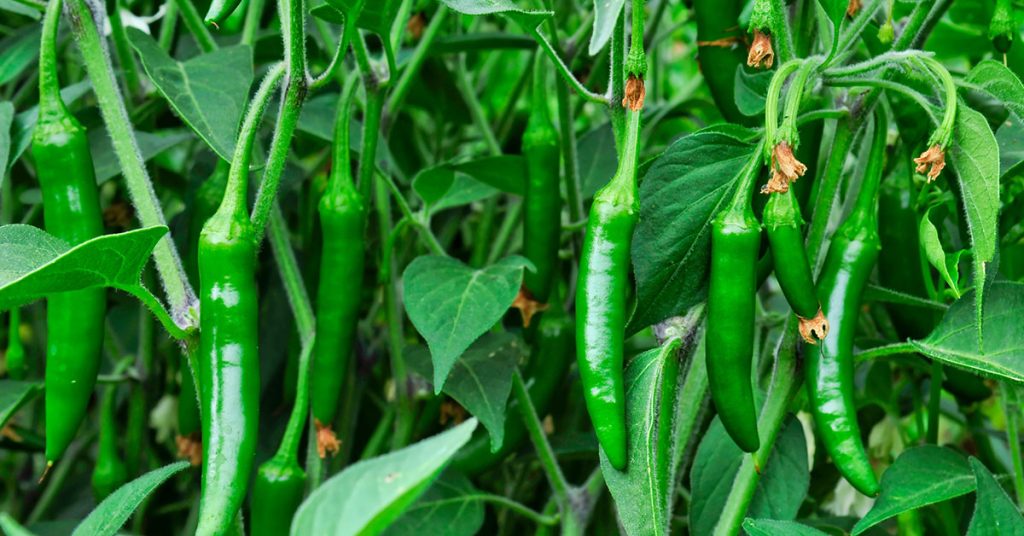
It’s tempting to let a few peppers ripen fully, but frequent harvesting actually stimulates more flowering and fruit set. Check your plants every couple of days once pods reach 2–3 inches long. Snip peppers off with clean pruners, leaving a short stem stub attached. This encourages the plant to channel energy into new blooms rather than maintaining old fruit.
In the wild, serranos rely on animals—birds especially—to eat and disperse their seeds. By mimicking that removal process, you’re telling your plant to keep producing more. Plus, regular picking helps prevent issues like fruit rot or sunscald on over-ripened pods, so you’ll enjoy a steady stream of crisp, spicy harvests all season long!
Feed with Balanced Fertilizer

While compost-rich soil lays the foundation for healthy serranos, mid-season feeding can give them a vital boost. Choose a balanced, water-soluble fertilizer (like a 10-10-10 NPK) every three to four weeks once the first fruits appear. Dilute to half strength to avoid leaf burn, and apply around the drip line, not at the stem base, to protect tender roots.
A steady nutrient supply supports strong flowers and peppers, but excess nitrogen can lead to lush foliage with few pods—something I’ve learned the hard way! These peppers aren’t invasive, but in endlessly fertile conditions, they’ll focus on leaves instead of fruit. Keep that balance right, and you’ll have both beautiful plants and a bountiful harvest.
Enrich and Drain Your Soil

Serranos prefer loose, loamy soil that drains well yet retains moisture. Before planting, work in generous amounts of compost or well-aged manure to boost organic content. If your soil is heavy clay, mix in coarse sand or perlite to prevent waterlogging—serranos dislike “wet feet” and will sulk or succumb to root rot.
Healthy, aerated soil also attracts earthworms, whose tunnels improve drainage and nutrient cycling. These wriggling allies are particularly fond of the crumbly, organic-rich soils serranos love. While the plants themselves won’t invade surrounding areas, any decomposing fallen peppers can sprout new volunteers—another testament to their prolific nature!
Keep Watering Consistent
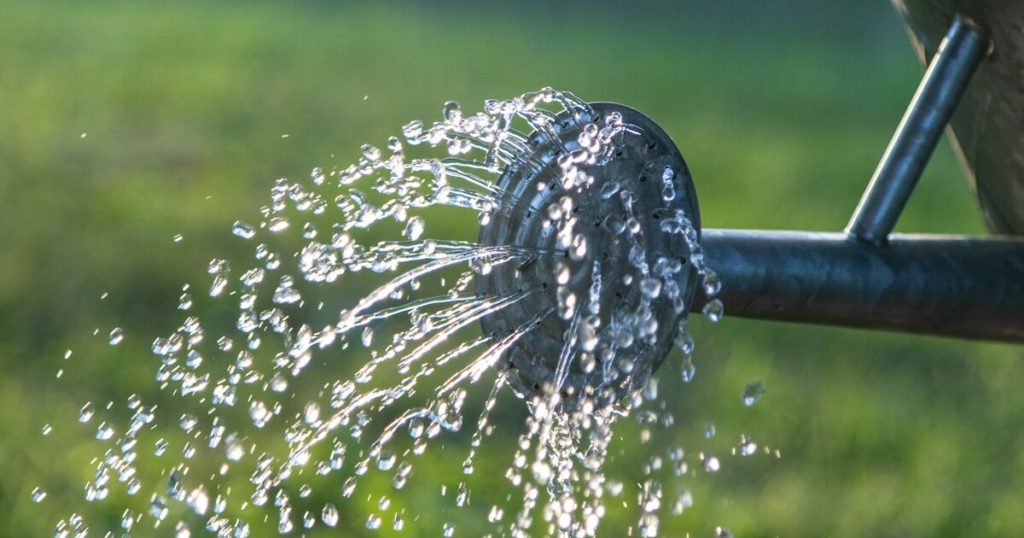
Inconsistent moisture is the fastest way to stress pepper plants. Aim for deep, even soakings rather than frequent shallow spritzes. Water at the soil level—using drip irrigation or soaker hoses—to keep foliage dry and reduce fungal risks. After watering, a 2–3-inch layer of straw or shredded leaf mulch helps stabilize soil moisture and temperature.
That mulch also invites beneficial decomposers like pillbugs and woodlice, which break down organic matter into nutrients and improve soil structure. Serranos hail from regions with distinct wet and dry seasons, so replicating that steady hydration with a dry-down interval will keep them happy without encouraging rot.
Ensure Full Sun Exposure

Serranos thrive in bright, direct sunlight—ideally six to eight hours daily. Position containers on a south- or west-facing patio, or choose the sunniest spot in your garden bed. If you live in a very hot climate, a bit of afternoon shade can prevent sunscald on developing pods, but don’t compromise on overall light levels!
Ample sun not only fuels flowering and fruit production but also warms the soil, mimicking those Mexican highland days. While serranos are not invasive, they will grow happily in any warm spot—just be sure they’re not shaded by taller neighbors. Strong light equals strong yields!
Harden Off Seedlings before Transplant

Rushing tender seedlings outdoors can lead to shock, wilting, or stunted growth. About ten days before planting, start hardening off: place your seedlings in a sheltered, semi-shaded area for a few hours, gradually increasing their sun and wind exposure. Bring them in overnight if temperatures dip below 50°F (10°C).
This acclimation process toughens up stems and cuticles, emulating the natural transition from protected understory in Mexico to open garden beds. Hardened-off seedlings adapt more quickly, suffer less transplant shock, and establish vigorous root systems—setting the stage for an abundant serrano season!
Prune for Airflow and Focused Energy
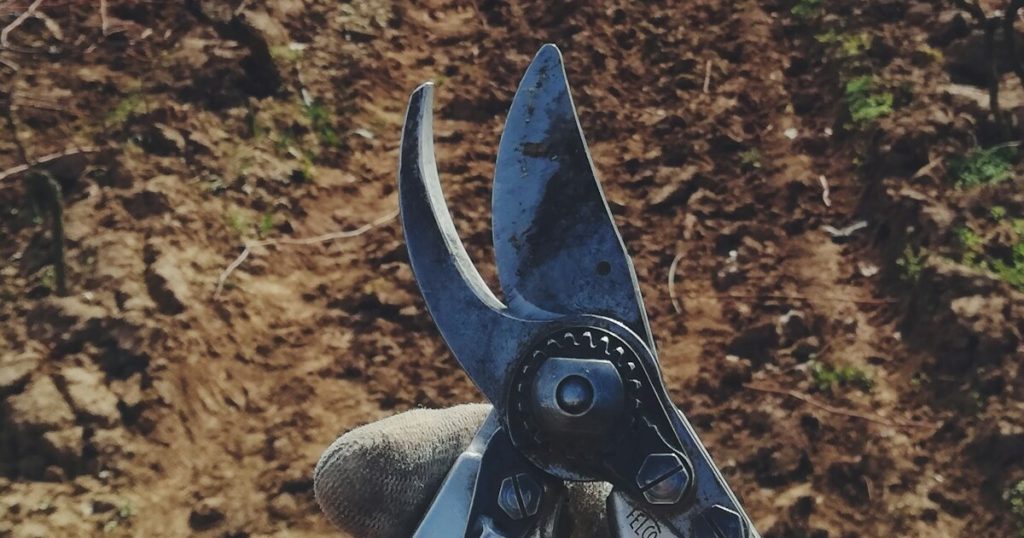
Light pruning can sharpen your pepper plants’ performance. Remove any yellowing or lower leaves that contact the soil to reduce disease risk, and trim out crowded interior branches to let sun and air reach every leaf. Pinching early flower buds helps the plant invest in roots and stems before fruiting heavy.
Those removed bits of foliage also serve as mulch or nesting material for small pollinators like solitary wasps and native bees. In its native habitat, serranos grow among diverse groundcover that decomposes into a natural litter layer. By pruning thoughtfully, you replicate that cycle—promoting plant health while supporting your garden’s beneficial insect community!