
It’s such a bummer when you spend a season coaxing blooms only to find your garden empty next spring—deadheading might look tidy, but for some annuals and biennials, leaving spent flowers to mature seed pods ensures they’ll return year after year. In this article, I’ll introduce you to fourteen resilient blooms that thrive by self-sowing, transforming your borders into self-perpetuating displays of color without extra planting effort. Whether you’re tired of re-seeding pansies or simply want a low-maintenance wildflower vibe, these plants will surprise you with their generosity and ease.
From European natives like foxglove and cornflower to Mediterranean beauties such as calendula and borage, each species brings its own flair, habitat preferences, and wildlife perks. I’ll detail where these flowers originate, note any invasive tendencies, and share how they attract pollinators and even provide nesting niches for beneficial insects. Grab your gardening gloves and skip the deadheading shears—let’s let nature do the heavy lifting!
Nigella (Nigella damascena)

Nigella, often called love-in-a-mist, hails from the Mediterranean region and parts of southwest Asia. This delicate annual produces lacy, fern-like foliage topped with ethereal blue, white, or pink blossoms. Though it self-seeds prolifically, nigella rarely escapes into wild areas unless conditions are perfectly dry and sunny, so it’s generally considered a well-behaved volunteer in home gardens.
Once blooms fade, papery seed pods form that rattle with tiny black seeds—nature’s own shaker toy! Leaving these pods in place not only creates architectural interest long after petals drop but also invites chickadees and goldfinches, which peck through pods for seeds. I love spotting tiny ground-nesting bees carving out tunnels beneath nigella clumps, using the open soil around mature plants as nesting real estate!
Marigolds (Tagetes spp.)
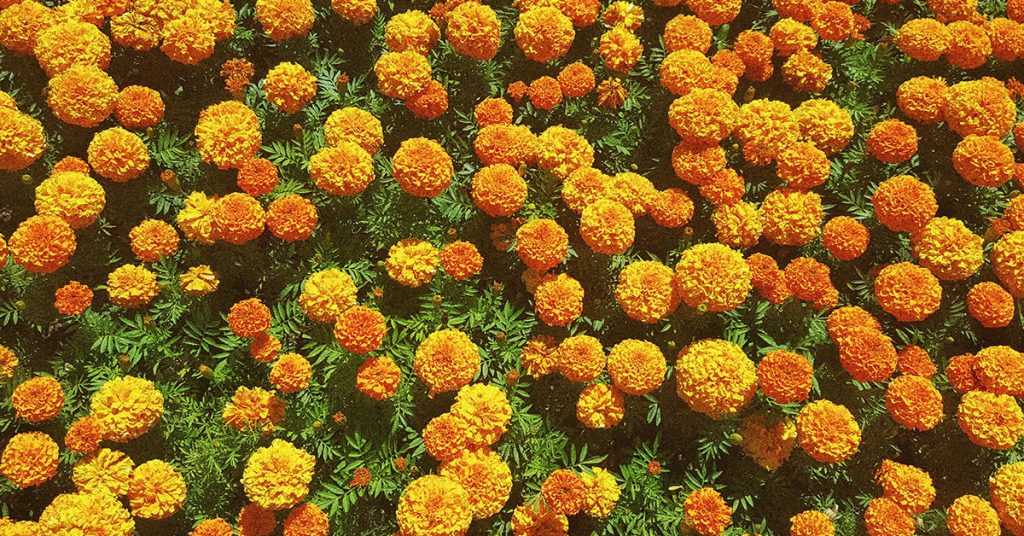
Marigolds, originally native to Mexico and Central America, enliven borders with golden and orange blossoms. French marigolds (Tagetes patula) and African marigolds (T. erecta) both self-seed readily in warm climates; in cooler regions, volunteers appear where conditions mimic native soils—well-drained and sunny. They’re not typically invasive but can naturalize heavily if you let spent blooms scatter.
Beyond their cheerful blooms, marigolds attract beneficial hoverflies and predatory wasps that feed on aphids and whiteflies. I often leave a few orange petals and seed heads in place, then watch ladybugs dart in to overwinter in the fallen foliage. Next spring, you’ll find fresh seedlings popping up around the old patch—proof that marigolds give back each year!
Borage (Borago officinalis)

Borage hails from the Mediterranean and is well known for its sky-blue star-shaped flowers. This hardy annual self-seeds enthusiastically but rarely becomes invasive outside its native range. Its hairy leaves hold morning dew, delighting both gardeners and thirsty insects on hot days.
When you skip deadheading, borage scatters seeds freely, ensuring a carpet of volunteers next season. I’ve witnessed honeybees carrying borage pollen to hives, then mason bees burrow into nearby bare soil to nest—borage acts as both a buffet and a nesting aid! Leaving seed heads intact also provides shelter for ground beetles and springtails, boosting soil health around your plants.
Foxglove (Digitalis purpurea)
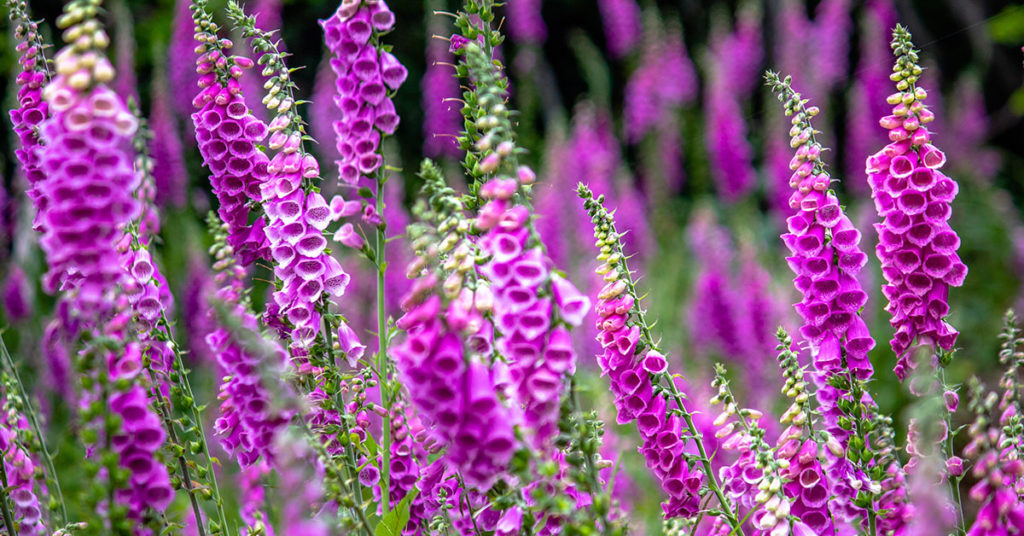
Native to woodlands of Western Europe, foxglove is a biennial that thrives in shaded to semi-shaded spots. Its towering spires of tubular flowers in pink, white, or purple attract long-tongued bees like bumblebees, which probe deep into the blooms. Though it can self-seed vigorously, Digitalis purpurea seldom becomes invasive in shaded garden beds.
After flowering, foxglove produces slender seed pods that explode open when mature, dispersing tiny seeds on the breeze. I leave these pods standing through winter so that tiny spiders and lady beetles can shelter inside. By spring, dozens of new foxglove seedlings emerge—turning a single biennial planting into a multi-year tapestry of lantern-shaped blossoms!
Cornflower (Centaurea cyanus)
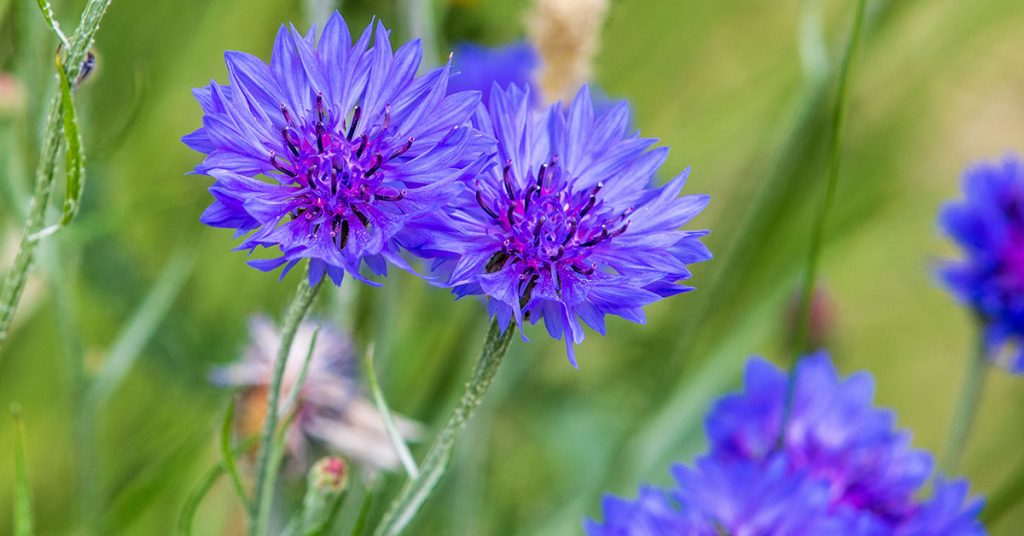
Cornflower, or bachelor’s button, is native to Europe’s grain fields and now a staple of wildflower mixes. Its vivid cobalt-blue (and pink, white, purple) blooms are not invasive but naturalize readily in open soil. Cornflower’s compact habit makes it perfect for borders, and it tolerates a range of soils from sandy to loamy.
Letting spent cornflower blooms dry in place allows seeds to drop among the foliage, creating a dense volunteer layer. Pollinators—especially solitary bees and flower flies—nest in bare earth between the plants, using the shelter of stout stems. Come next spring, you’ll find new cornflower shoots popping up where you need them most, requiring zero replanting!
Evening Primrose (Oenothera biennis)
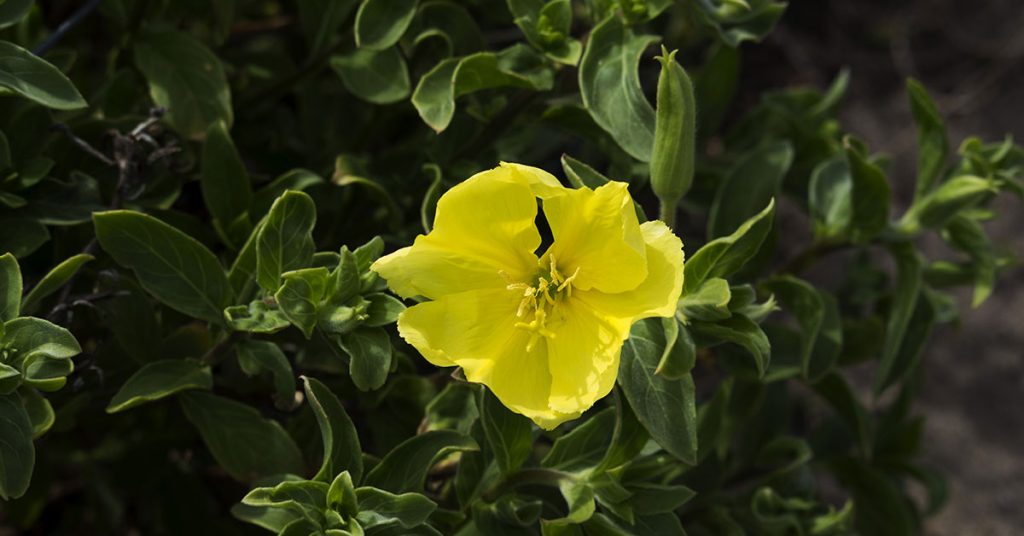
Evening primrose, a North American native, lights up late summer with pale yellow blooms that open at dusk to attract moths. As a biennial, it forms a basal rosette in year one, then sends up tall flowering spikes in year two. While not invasive in most home settings, primrose can spread by rhizomes in moist soils—so monitor patches if you’re in a warm, wet zone.
After flowers fade, elongated seed pods develop that split open to release winged seeds. I enjoy seeing hawk moths hover at twilight, sipping nectar, while the dried stalks provide perches for sparrows. By leaving the seed heads undisturbed, you ensure vigorous self-sowing and a fresh flush of primrose every few years, creating an elegant nocturnal display!
Calendula (Calendula officinalis)

Calendula, or pot marigold, originates from southern Europe and is prized for its sunny orange and yellow daisy-like flowers. This non-invasive annual self-seeds generously in well-drained soils, especially where thin mulch allows seeds to contact the soil. Calendula’s long-blooming habit makes it a garden workhorse from spring through frost.
I often let spent calendula heads mature, then watch goldfinches glean the seed clusters for their protein-packed kernels. Meanwhile, beneficial insects like ladybugs over-winter among calendula foliage, emerging when warm spells return. Next year, you’ll find fresh calendula seedlings sprouting among last season’s leaf litter—no sowing required!
Snapdragons (Antirrhinum majus)
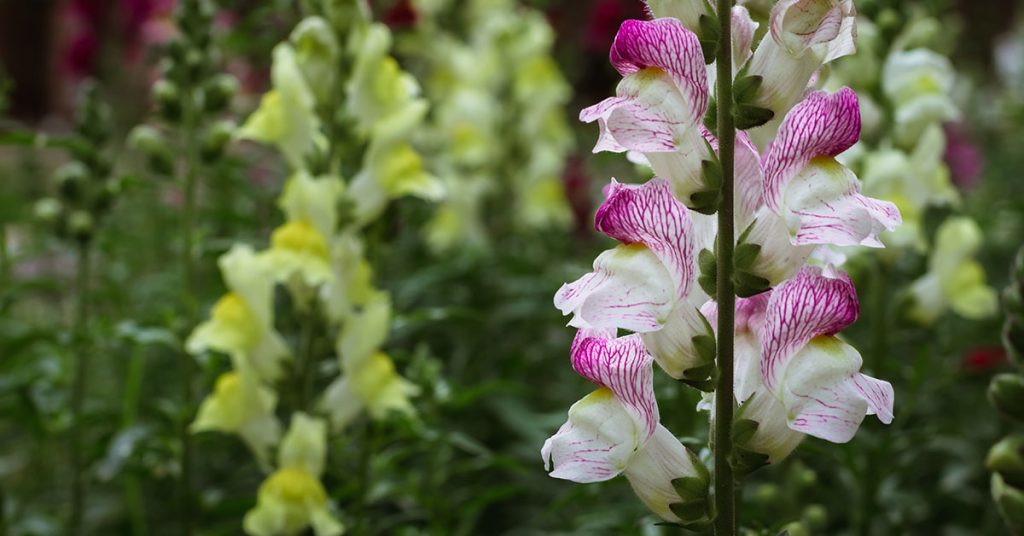
Snapdragons originate from Mediterranean regions and thrive in cool coastal climates. Their tubular flowers in a rainbow of hues attract hummingbird moths, bumblebees, and hummingbirds where allowed. While Antirrhinum majus can naturalize in mild zones, it rarely becomes a pervasive weed.
After blooms fade, seed pods form that dry and split to disperse tiny seeds—imagine confetti raining down across your beds. I leave the stalks standing, creating winter interest and habitat for lacewings and parasitic wasps. Come early spring, young snapdragons emerge in clusters where last year’s stems stood, creating an effortless, riotous color show!
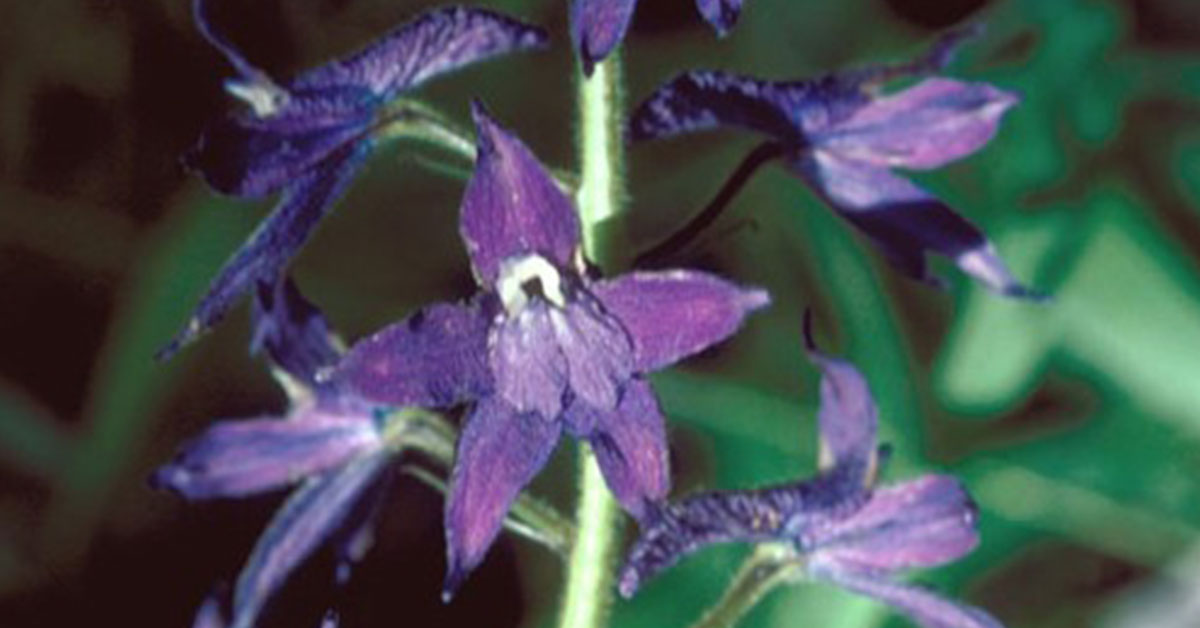
Larkspur (Consolida ajacis)
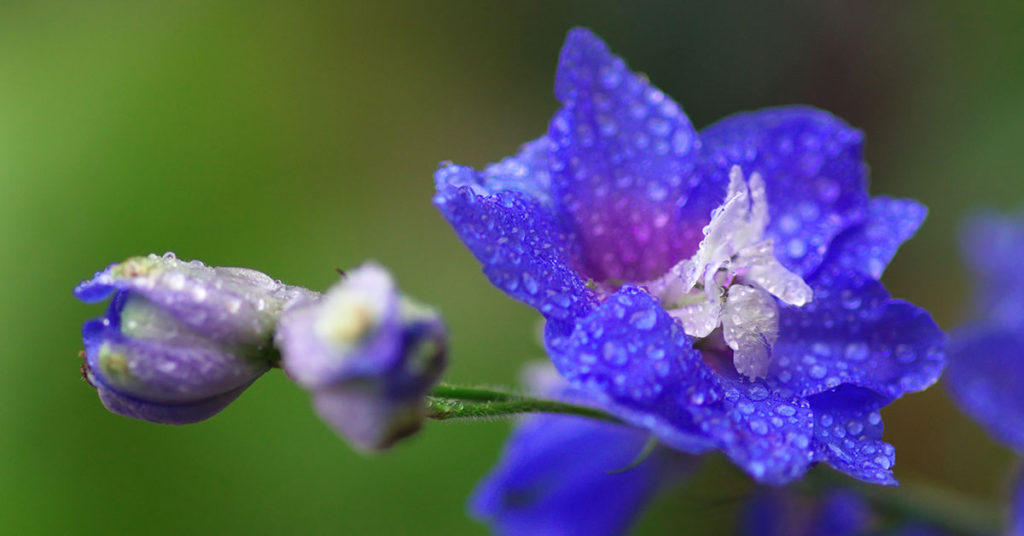
Larkspur, native to the Mediterranean and Southwest Asia, puts on a dazzling display of spurred flowers in pinks, blues, and whites. It self-seeds readily in sunny, well-drained sites but seldom escapes into surrounding landscapes. As an annual, Consolida ajacis fills in gaps year after year when you let seed heads mature.
Bees of many sizes visit larkspur for nectar, while small solitary wasps nest in the bare soil around aged clumps. I like to leave dried seed stalks standing through winter, offering perches for robins and sparrows. By spring, dozens of seedlings appear—transforming once-sparse sections into a painter’s palette of spurred blossoms!
Sweet Alyssum (Lobularia maritima)
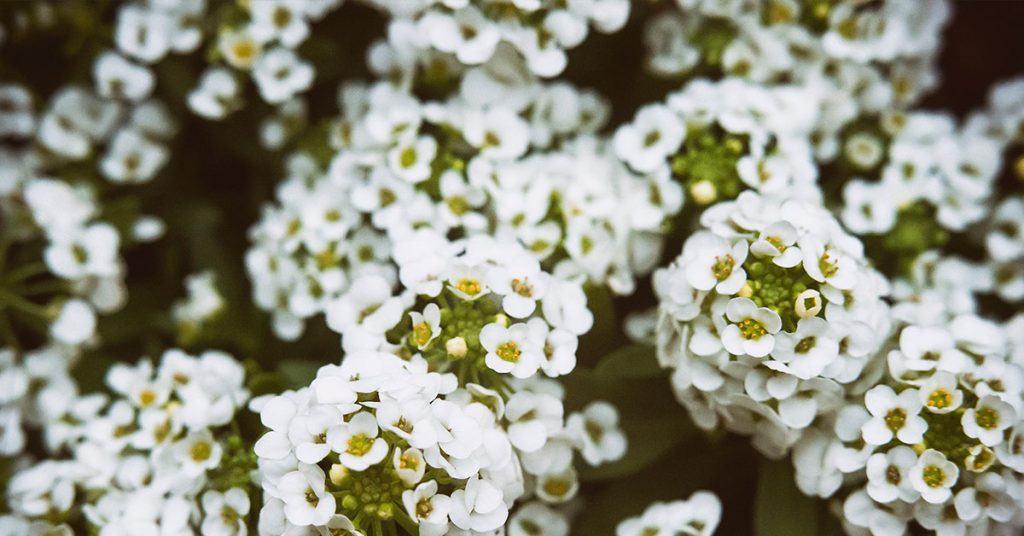
Sweet alyssum hails from the Mediterranean and is a favorite for edging and containers. Its tiny, honey-scented flowers in white, pink, and purple attract hoverflies, bees, and beneficial ground beetles. Sweet alyssum self-seeds in cracks and crevices but rarely overruns beds, making it an ideal low-growing filler.
When you skip deadheading, alyssum seeds drop among its mat, resulting in a continuous bloom cycle. The dense carpet also provides nesting sites for rattling ground bees and shelter for protective lacewing larvae. Each spring, baby alyssum plants appear like clockwork—extending the season with minimal effort!
Cosmos (Cosmos bipinnatus)
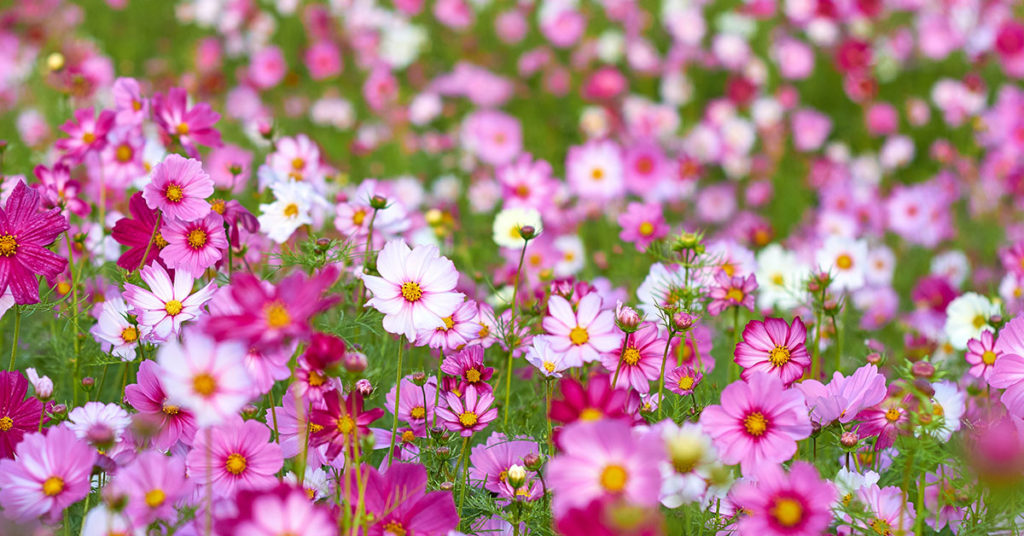
Cosmos, native to Mexico and Central America, creates billowing clouds of daisy-like flowers in pink, white, and crimson. These tall annuals self-seed prolifically, especially in well-drained soils and full sun, yet they aren’t considered invasive outside tropical regions. Cosmos’s airy foliage adds texture to beds even when flowers aren’t in bloom.
Leaving spent cosmos heads intact results in wind-dispersed seeds fluttering into new spots, giving your garden a carefree, meadow-like quality. Butterflies and tiny parasitic wasps flock to the nectar-rich blooms, while bees nest in the bare ground beneath the stems. By next season, cosmos volunteers appear in generous drifts, creating a dynamic, ever-changing tapestry!
Nasturtium (Tropaeolum majus)

Nasturtium, a South American native, brightens cool-season gardens with vivid red, orange, and yellow trumpet-shaped flowers. Known for edible blooms and peppery leaves, it self-seeds readily in well-drained soils. While Tropaeolum majus can naturalize in mild climates, it typically remains confined to cultivated beds.
When you leave seed pods intact, they eventually crack open, scattering smooth black seeds across a two- to three-foot radius! I delight in seeing native mason bees shelter in the large, rounded leaves, while hummingbird moths hover to sip nectar. By foregoing deadheading, Nasturtium rewards you with fresh plants each year—no sowing required!
Sunflower (Helianthus annuus)
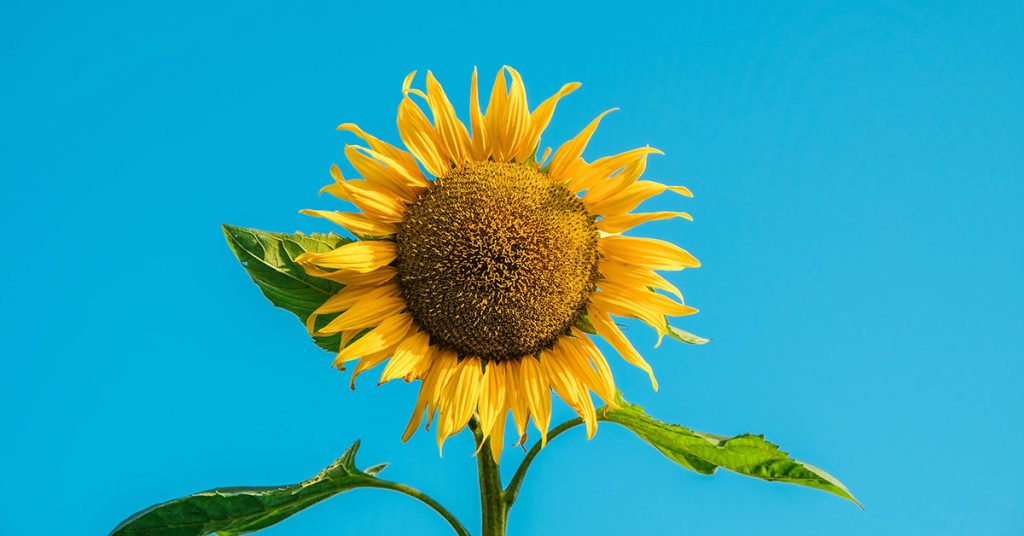
Sunflower, native to North America’s prairies, is cherished for its towering form and huge, honeybee-magnet blooms. While annual Helianthus annuus rarely becomes invasive, volunteers can appear in loosening soil if you leave spent heads to dry. Its capacity to self-seed depends on local climate and seed removal habits.
When sunflower heads with ripened seeds are left standing, goldfinches and jays flock to harvest them, unknowingly dropping stray seeds nearby. I love how the next spring delivers sunflowers in unexpected spots—often along fence lines or garden edges. The tall stalks also create perching and nesting opportunities for swallows and sparrows, turning your garden into a vibrant wildlife hub!
Campanula medium (Canterbury Bells)

Canterbury bells, native to Southern Europe, is a biennial that produces bell-shaped flowers in pastel blues, purples, and whites. It self-seeds sparingly in well-tended beds and rarely becomes invasive, making it a graceful addition for cottage-style borders. In year two, dramatic flower spikes rise above foliage clusters, attracting bees and hummingbird moths.
After the blooms fade, seed pods form that shatter with the slightest touch, scattering slender seeds across the bed. I often let volunteers populate once-empty corners, creating new waves of bells without lifting a finger! Meanwhile, ground-nesting bees burrow among the bare soil pockets around the plants, using the leaf litter for nest insulation over winter.