

As someone who’s celebrated countless bumper crops of zucchini and pattypan squash, I know it’s such a bummer when your tender plants flop or fail to produce despite your best intentions! Squash can be wonderfully prolific, but only if you meet a dozen critical needs—from the soil beneath their roots to the pollinators that visit their bright blossoms. Overlooking even one requirement can turn your garden into a patch of disappointed vines rather than a harvest of golden gourds.
In this article, we’ll uncover eleven essential elements that every squash garden demands. I’ll share where squash varieties originated (spoiler: most hail from the Americas!), note that they rarely become invasive, and celebrate the myriad wildlife interactions—like bees nesting in hollow stems or frogs resting beneath broad leaves—that make growing squash such a joy when conditions are just right. Let’s dig in and ensure your squash patch thrives this season!
Adequate Fertilization
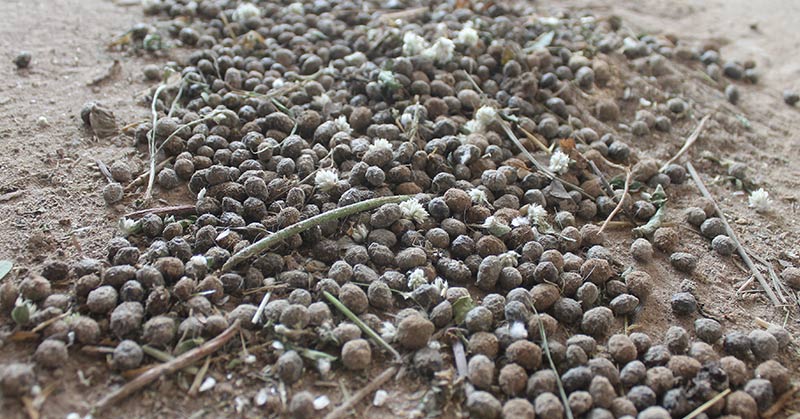
Squash are heavy feeders, craving robust nutrients to fuel their rapid vine growth and generous fruit sets. A balanced fertilizer high in phosphorus and potassium—think a 5-10-10 blend—encourages strong root development and abundant blossoms. I recall a season where switching to a bloom-booster mid-June transformed my yields overnight!
Don’t forget secondary nutrients like calcium and magnesium. Blossom end rot on your zucchini can often signal a calcium deficiency, easily remedied with crushed eggshells or gypsum worked into the soil. Squash hail from the Americas and aren’t invasive, but they will quickly deplete your bed if you don’t replenish essential minerals!
Space and Proper Spacing
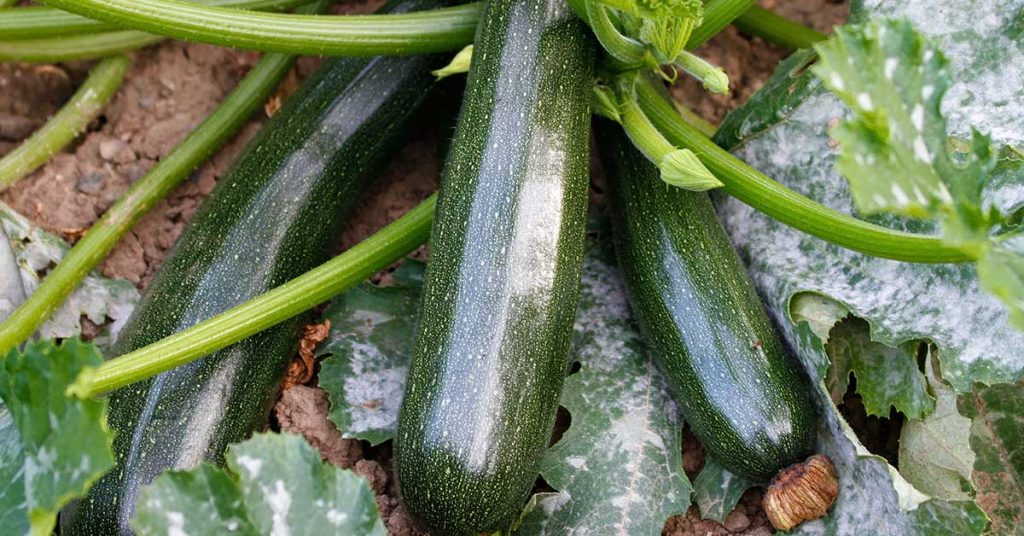
Squash vines need room to stretch their legs—cramming them in will lead to poor air circulation, tangled foliage, and increased disease. Standard bush types require at least 2 to 3 feet between plants, while vining varieties can sprawl 4 to 6 feet or more. One of my favorite garden layouts features curving rows that follow the sun’s path, ensuring each plant has its own sunlit gateway!
If you’ve ever been frustrated by yellow leaves or mildew outbreaks, cramped plants are often to blame. By respecting recommended spacing, you not only reduce disease risk but also create little microhabitats: ground-nesting bees love the bare soil patches between vines for building nests, often emerging just when squash flowers open!
Consistent Moisture
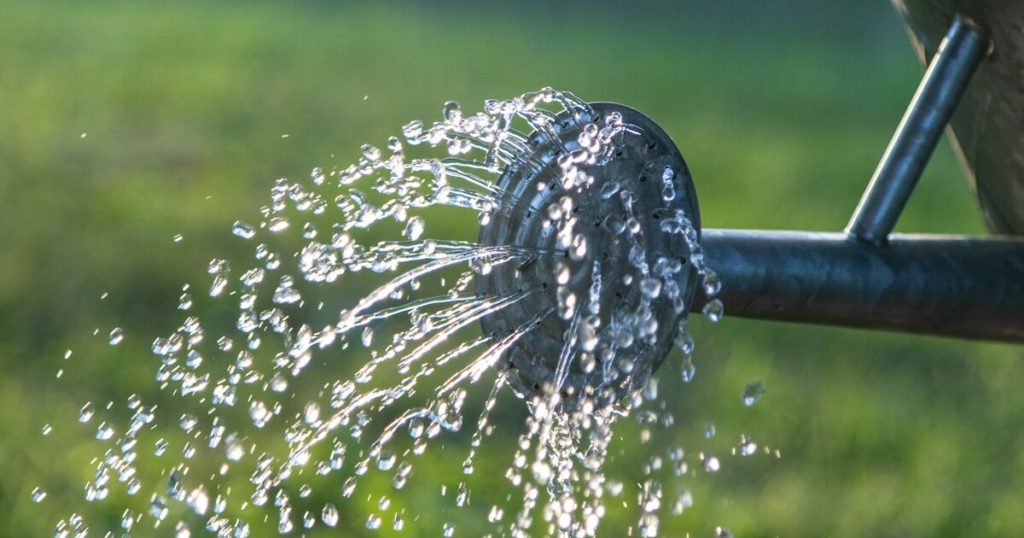
Squash roots thirst for steady moisture—let them dry out and you risk blossom drop, poor fruit set, and stress-susceptible vines. A deep soaking once or twice a week is far more effective than daily shallow sprinkles, encouraging roots to dive deep. I’ve found that soaker hoses under a layer of mulch can keep the soil evenly damp without wetting foliage, cutting mildew risk!
When water is scarce, blossoms can wither before bees arrive, leaving you with empty stems. Speaking of bees, I love watching bumblebees trundle across damp morning flowers, gathering nectar and pollen to support their underground nests. Keeping the ground moist helps those nests stay cozy through hot spells!
Well-Draining, Nutrient-Rich Soil

Squash favor loamy soil rich in organic matter—compost, aged manure, or finely shredded leaves work wonders. These amendments improve drainage so roots don’t rot in soggy ground, while slowly releasing nutrients. One of my earliest gardening lessons was when clay-heavy soil nearly drowned my squash; adding compost transformed the bed into a thriving oasis!
Healthy soil also teems with earthworms and beneficial microbes that break down organic matter into plant-available nutrients. I often spot fat worms weaving through squash beds—nature’s own aerators! Since squash originate in the Americas, they flourish in soils that mimic those ancient habitats: warm, loose, and alive with microbial activity.
Sunlight Requirements

Squash plants are sun worshippers, demanding at least six to eight hours of direct sunlight daily. Position your beds in the brightest spot you have—if you’ve ever wrestled spaghetti-like vines growing leggy toward a window, you know how vital full sun really is! Morning sun helps dry dew on leaves, reducing fungal threats.
Along with light, open skies invite pollinators. Honeybees and squash bees especially love basking on warm morning flowers, often nesting in nearby bare soil patches. When your vines bask in ample sun, you’ll notice those golden blooms opening earlier and staying perky, ready for eager pollinators to arrive!
Pollinator Presence
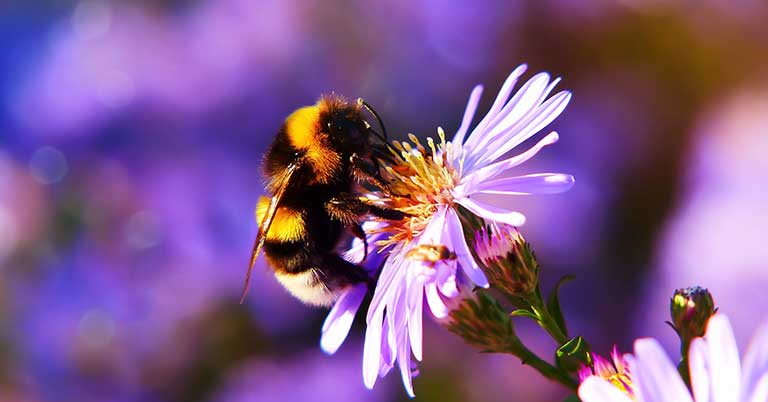
Squash rely on bees—particularly squash bees (Peponapis pruinosa)—for pollination; without them, female flowers won’t produce fruit. Leaving small patches of bare, undisturbed soil encourages ground-nesting squash bees to set up home right in your garden! I’ve been thrilled to see dozens of these fuzzy natives emerge each spring.
Planting companion flowers like borage or cosmos nearby extends the pollen buffet, attracting honeybees and bumblebees that also visit squash blossoms. It’s such a joy to witness multiple bee species buzzing through the midday corbiculum, all collaborating to fertilize your squash!
Mulching for Moisture and Weed Control
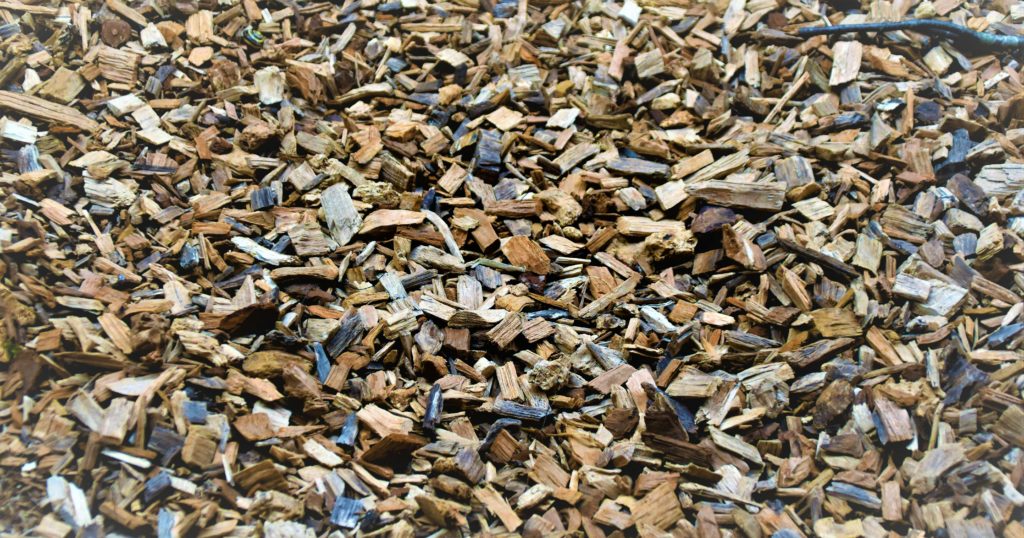
A generous layer of organic mulch—straw, grass clippings, or shredded leaves—wraps your squash roots in a protective blanket, preserving moisture and suppressing weed competition. I once watched wild chickadees forage through my mulch, gathering insect larvae for their nests; it’s a tidy way to foster biodiversity!
Mulch also moderates soil temperature, keeping roots cooler during scorching afternoons and warmer on chilly nights. Since squash plants don’t tolerate temperature swings well, this thermal buffering can mean the difference between steady growth and transplant shock, especially for tender seedlings!
Trellising and Support for Vines

While bush squash are content on the ground, vining types like cucuzzi or tromboncino benefit from vertical support. Training vines up sturdy trellises or A-frames frees ground space and improves airflow, dramatically reducing powdery mildew issues. Plus, fruit hang off the support, making harvest easier and less prone to rot.
Watching wrens weave nests within trellis supports is one of my garden’s sweetest spectacles—they help control squash vine borers by eating pupae and larvae! If you’ve struggled with that pest, elevating vines could indirectly enlist birds as sentinels, keeping your patch healthier year after year.
Pest Monitoring and Beneficial Insects
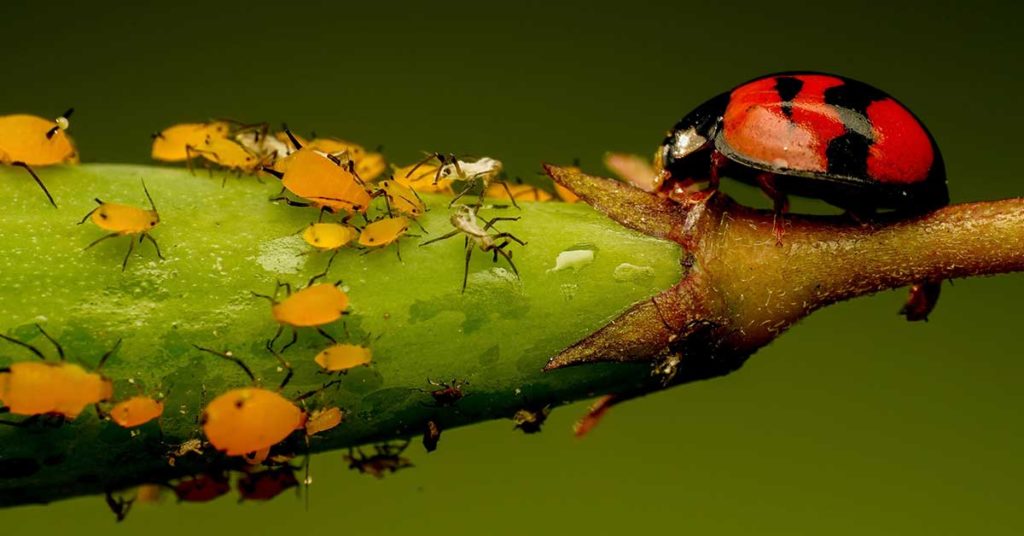
Squash vine borers and striped cucumber beetles are infamous troublemakers. I inspect stems weekly for entry holes or frass (“sawdust” from borers) and pluck off any beetles I spot munching blooms. Floating row covers early in the season prevent beetle establishment until flowers open—an effective barrier without resorting to chemicals.
On the bright side, predators love squash beds: lacewings, ladybugs, and parasitic wasps lay eggs among vines, often nesting in nearby ground cover. I sometimes leave small bundles of dried grasses as insect “rifugi” (little inns), and every season the beneficials move in—nature’s army arriving just when you need them most!
Disease Prevention through Airflow
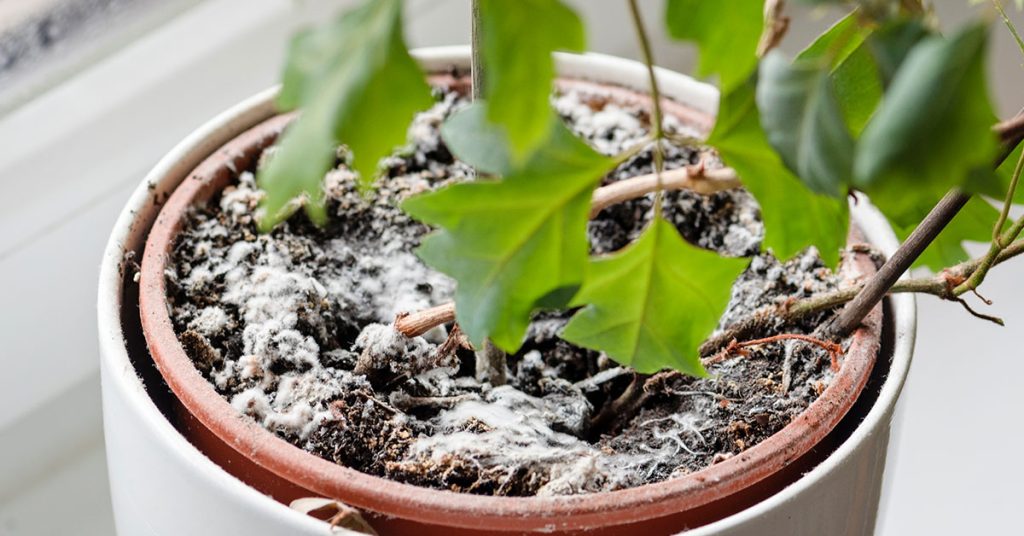
Powdery mildew and downy mildew thrive in stagnant, humid conditions. By spacing your plants properly and training vines vertically, you’ll boost airflow and limit fungal spread. I always prune a few lower leaves once the first fruit sets, allowing soil moisture to escape as vapor rather than lingering on leaves.
Disease-resistant varieties, such as ‘Butternut Waltham’ or ‘Early Prolific Straightneck,’ offer an extra layer of defense. Though most squash are native to North America and not invasive, selecting resistant cultivars adds resilience, ensuring that even when weather turns damp, your harvest remains bountiful!
Crop Rotation and Soil Rest

Growing squash in the same patch year after year invites soil-borne diseases and depletes nutrients. Rotate your Cucurbita family plants every two to three seasons—move them to a new bed or follow them with deep-rooted perennials like asparagus. This practice mimics natural succession in wild American meadows where squash ancestors once thrived.
Meanwhile, planting cover crops such as clover or oats in vacated beds rebuilds fertility and prevents erosion. I relish the sight of crimson clover sprouting over winter—by spring you’ll have a green manure ready to be cut and worked back into the soil, setting the stage for another stellar squash season!