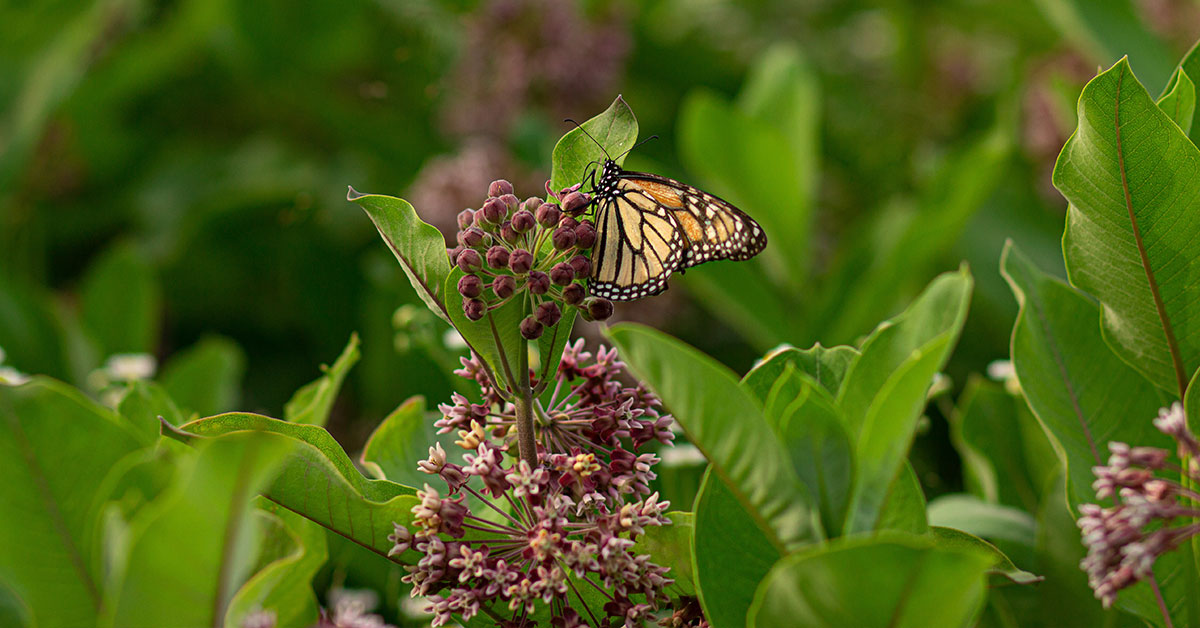

As a gardener who’s passionate about creating a thriving, wildlife-friendly oasis, I can’t recommend milkweed highly enough! It’s such a bummer when your garden feels empty of the fluttering life you envisioned—but planting milkweed can turn that around in a season. These unassuming yet vital plants do far more than simply brighten your borders; they’re the cornerstone of a delicate ecological web that supports butterflies, bees, and so many other beneficial creatures.
Over the next ten reasons, we’ll explore why milkweed deserves a spot in every garden—from its ease of propagation to its stunning seed pods and critical role in monarch conservation. I’ll share each plant’s native range, note any invasive tendencies outside that zone, and celebrate the incredible wildlife behaviors—from pollinators nesting in hollow stems to caterpillars munching on tender leaves—that make growing milkweed such a fulfilling adventure!
Aesthetic and Native Plant Appeal

Milkweed’s clusters of pink, orange, or creamy-white blossoms add an unexpected pop of color that rivals many ornamental perennials. One of my favorite moments is catching the sunlight glinting off those delicate petals in the early morning dew—it feels like a secret gift from the garden! Whether you choose Asclepias tuberosa’s fiery blooms or the soft-pink clusters of Asclepias incarnata, milkweed brings both texture and vibrancy to borders, meadows, or even mixed containers.
Native to various regions—common milkweed (Asclepias syriaca) inhabits much of eastern North America, while swamp milkweed (A. incarnata) thrives in wetter soils—it’s rarely invasive within its home range. However, if you live outside North America and plant non-native species, be sure to monitor for volunteer seedlings, as some milkweeds can naturalize aggressively in Europe. Either way, these native beauties foster a sense of place in your garden, celebrating local ecology while delighting the eye!
Crucial Monarch Butterfly Habitat

If you’ve ever watched a monarch butterfly wriggle from its chrysalis, you know there’s nothing quite like it! Milkweed is the exclusive host plant for monarch caterpillars—without it, their populations struggle to complete a single generation. By planting milkweed, you’re providing the very lifeline these iconic pollinators need to feed their young and continue their epic migration.
Different milkweed species support monarchs in diverse habitats: A. syriaca is perfect for sun-drenched fields, while A. tuberosa flourishes in dry, well-drained beds. Monarchs will lay eggs on the underside of leaves, and you’ll delight in seeing tiny larvae tuck into tender shoots—an unforgettable wildlife spectacle right in your backyard!
Easy to Propagate

One of the most rewarding aspects of milkweed is how effortlessly it reproduces. Whether you start from seed or split existing clumps, these plants take off quickly under the right conditions. I remember my first attempt: I scattered seed pod fluff across a bare patch in early spring, and by summer those tiny seedlings were a dense carpet of green!
Milkweed seeds often require a cold stratification period—nature’s way of ensuring they germinate in spring—so you can mimic this by chilling seeds in the fridge for a few weeks. Once they sprout, regular watering helps them establish strong roots, after which they’re remarkably drought-tolerant. Just be prepared: if you love sharing, you’ll soon have more volunteers than you know what to do with!
Drought Tolerance
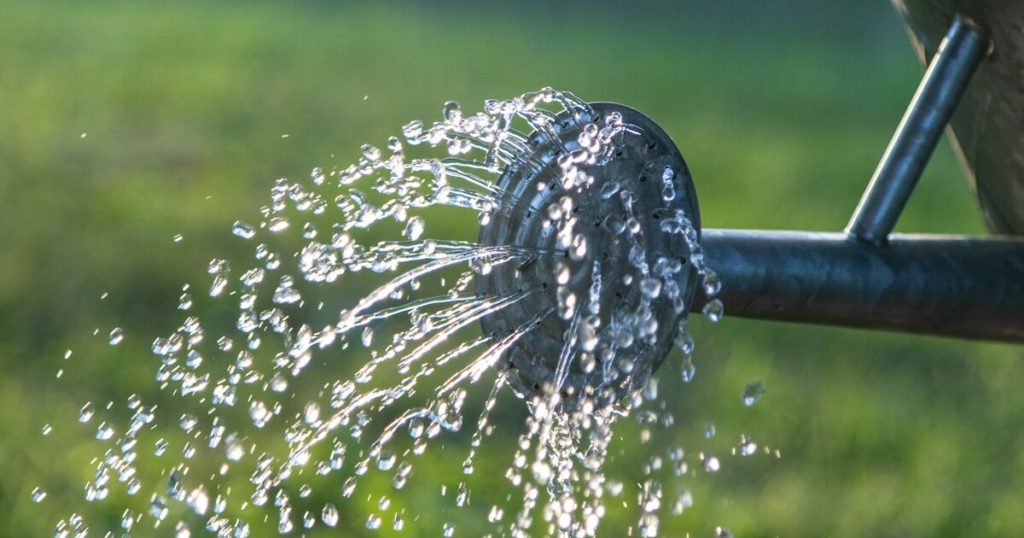
Living in a region where summer rain can be hit or miss, I’ve learned to cherish plants that shrug off dry spells—and milkweed is at the top of that list. Species like A. tuberosa and A. verticillata thrive in sandy, well-drained soils and require little supplemental irrigation once established. It’s such a relief not having to baby-sit every thirsty host in the heat of July!
While swamp milkweed (A. incarnata) prefers consistent moisture, most common and butterfly milkweeds handle our hottest afternoons with ease. Their deep taproots tap into subsurface water, meaning you’ll see lush foliage and blooms even during drought conditions. For gardeners seeking resilience without sacrificing beauty, milkweed is a true superstar!
Eco-friendly Garden Maintenance
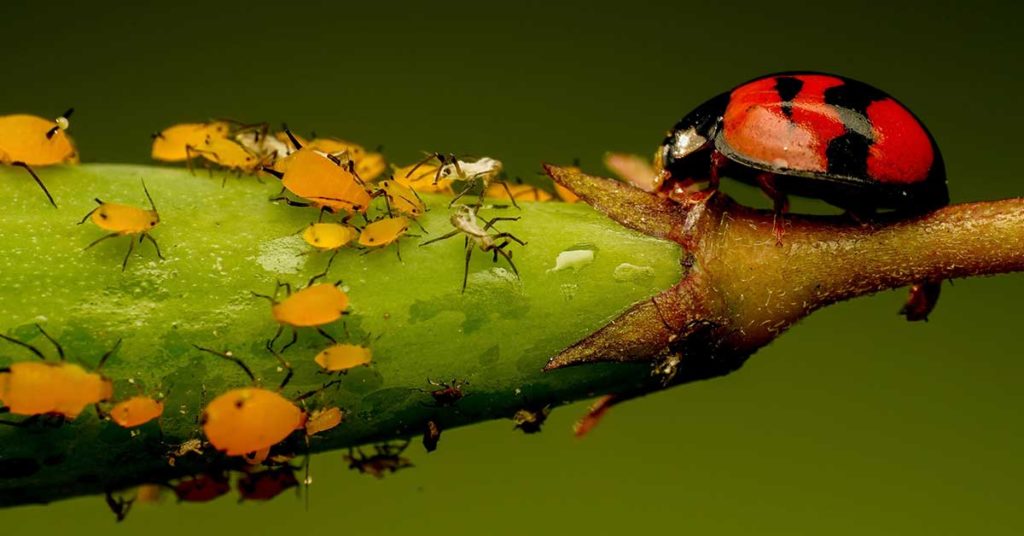
Let’s face it: chemical herbicides and pesticides can undermine the very biodiversity we’re trying to support. Milkweed offers a natural alternative by attracting beneficial insects—lacewings, ladybugs, and predatory wasps—that help keep aphids, caterpillar pests, and other nuisances in check. I love seeing these guardians patrol the leaves, often establishing nesting sites within hollow stems to overwinter!
Because milkweed deters many generalist pests with its bitter sap, you’ll spend less time reaching for spray bottles and more time savoring visits from pollinators. It’s truly empowering to rely on ecological balance rather than synthetic fixes—your garden evolves into a self-regulating ecosystem that benefits you, the wildlife, and the planet!
Beautiful Seed Pods and Flowers
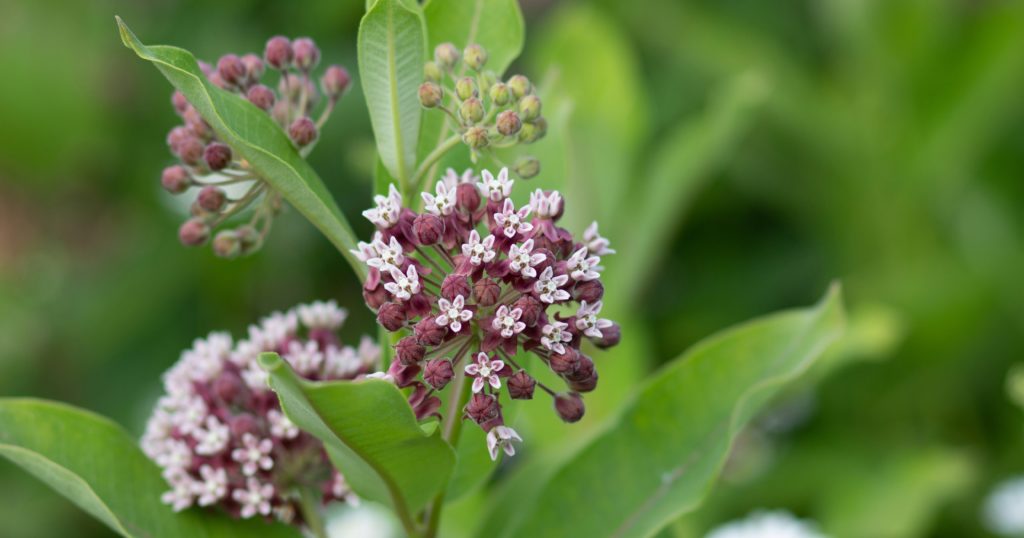
Even after bloom time fades, milkweed continues to enchant with its sculptural seed pods. As they swell and split open, silky floss spills out, ready to drift on the breeze—what a magical sight! I find myself wandering the garden on windy days just to watch those tufts carry seeds to new territories, a reminder of nature’s own dispersal artistry.
Inside each pod, the seeds are arranged like treasures, each attached to floss that can be collected for craft projects or composted once the seeds are removed. If you’re drawn to botanical art or wish to cultivate new generations, harvesting and sowing these pods is both practical and poetic—a living link between seasons!
Educational and Fun for Families

Inviting children into the garden can be challenging, but milkweed provides an instant curriculum in life cycles and ecology. Watching caterpillars munch leaves, spinning chrysalises, and transforming into butterflies captivates all ages—one of my fondest memories is hosting a backyard butterfly festival with neighborhood kids!
You can turn seed-gathering into an art lesson or challenge young naturalists to identify different Asclepias species. If you’ve felt the frustration of screens replacing outdoor exploration, milkweed is your secret weapon: it sparks curiosity and hands-on learning that’s both entertaining and deeply meaningful.
Pollinator Magnet
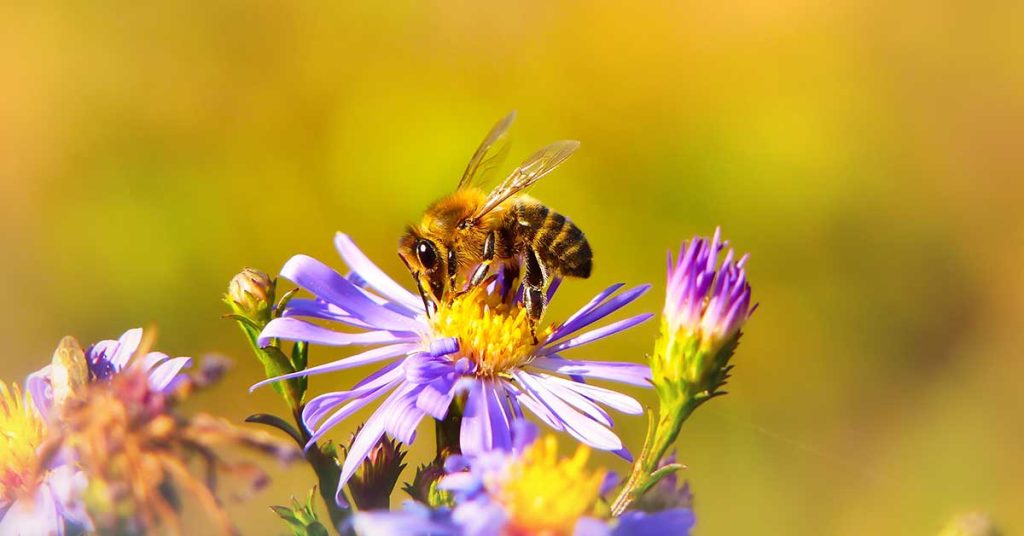
Milkweed’s nectar-rich flowers lure an astonishing array of pollinators beyond just monarchs—honeybees, native bumblebees, hoverflies, and even hummingbird moths visit the clusters enthusiastically. I notice bumblebees burying themselves in the blooms on cool mornings, finding the warmth and sugar they need to start their day. It’s such a treat to see these industrious insects at work!
With blooms lasting several weeks, milkweed serves as a reliable food source during the midsummer dearth when many other flowers have finished. Pair it with other native wildflowers for a continuous buffet that supports pollinators through all phases of their life cycles. Trust me, your garden will buzz with excitement!
Soil Improvement and Erosion Control
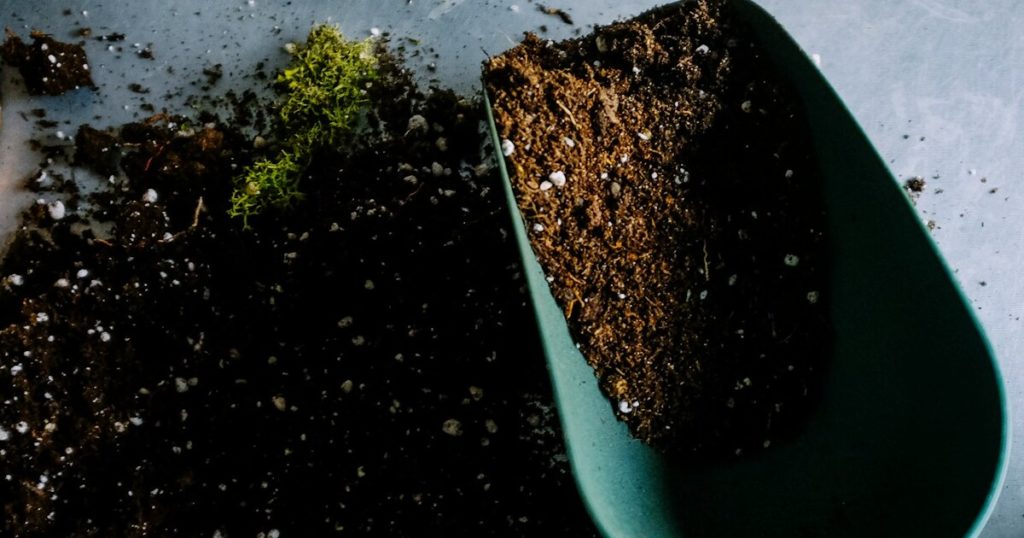
Thanks to their deep taproots, milkweeds are superb at breaking up compacted soil and drawing nutrients from lower layers. Over time, these roots decay and enrich the topsoil with organic matter—your vegetable beds will thank you! I’ve even noticed improved drainage in areas where milkweed has naturalized for a couple of seasons.
On slopes or wash-out zones, planting swamp milkweed (A. incarnata) can help stabilize soil with both its fibrous roots and spreading habit. If you’ve battled erosion or poor soil structure, integrating milkweed into your planting scheme is a low-tech solution that yields long-term benefits. It’s like having a natural workhorse in your groundcover lineup!
Low Maintenance Perennial
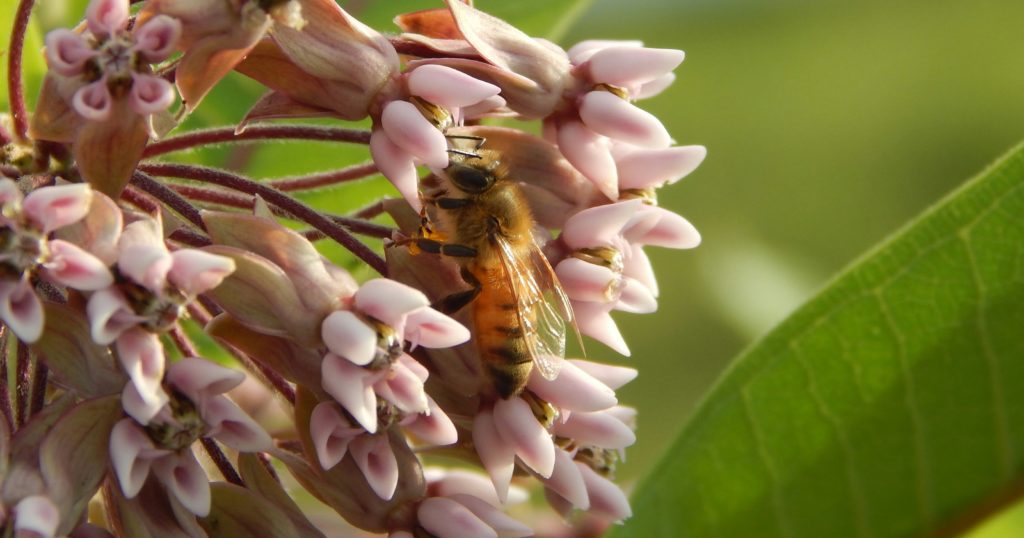
Once established, most milkweeds require little care beyond an annual cut-back in late winter. They’re remarkably resilient to deer browsing—something I appreciate after countless evenings hauling repellents—since the milky sap deters most large herbivores. I’ll admit, it’s a relief not having to fence off young shoots!
In zones 3 through 9 (depending on species), milkweed will return reliably year after year, rewarding you with more blooms and greater wildlife activity each season. If you’ve ever felt the frustration of annuals that demand constant replanting, switching a corner of your garden to these perennials is like setting it on “autopilot” delight—yet it never feels routine!