

As a gardener who believes that every green shoot holds a whisper of the divine, I’m overjoyed to share 13 plants whose histories are steeped in ritual, symbolism, and spiritual practices. It’s such a bummer when you sense a plant should uplift your spirit—but it struggles to take root! In this guide, we’ll explore species that not only beautify your garden but also invite reflection, purification, and connection to ancient traditions.
Throughout, I’ll reveal each plant’s native home, note if it can sneak out of its borders and become invasive, and celebrate the wildlife it draws—whether bees nesting in fragrant blossoms or birds roosting in sturdy branches. Let’s cultivate a sanctuary that nourishes both our souls and the vibrant community of creatures we cherish!
Lotus

The Lotus (Nelumbo nucifera) emerges pristine from murky waters, embodying purity and spiritual awakening in Buddhism and Hinduism. Native to much of Asia—particularly India, China, and Southeast Asia—this aquatic perennial anchors in pond bottoms without typically escaping its watery realm, so invasiveness is rarely a concern.
One of my favorite moments is seeing dragonflies flit around the bowl-shaped blooms! The broad leaves even repel dirt, a natural marvel. I know how intimidating water gardening can feel, but once your lotus is established, fish use the tangled stems for shelter and pollinators flock to its delicate flowers—truly a living altar in your backyard pond!
Mugwort
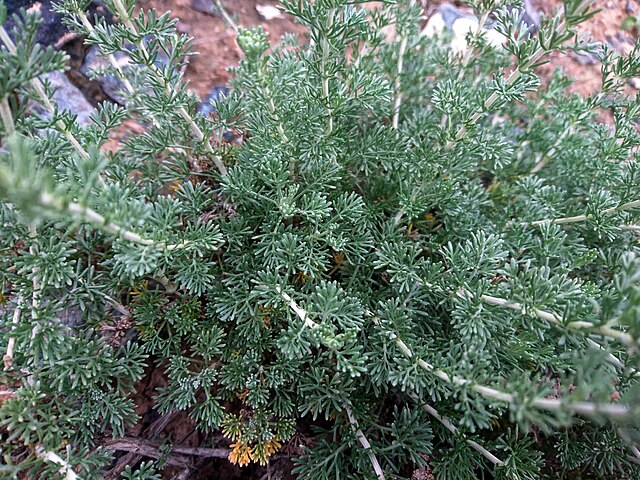
Mugwort (Artemisia vulgaris) is renowned in European and Asian folk traditions for its protective and prophetic qualities, often burned as incense to ward off nightmares. Native across temperate Europe and Asia, this hardy herb can spread vigorously by rhizomes, so I always plant it in a contained bed or large pot to avoid an overrun!
Apart from its mystical smoke, mugwort’s lacy foliage attracts beneficial insects like ladybugs and lacewings, which help control aphids in the garden. If you’ve ever struggled with garden pests, welcoming mugwort can feel like inviting a team of tiny guardians to patrol your borders!
Cedar

Cedar trees (Cedrus spp.) carry centuries of sacred usage in Middle Eastern and Indigenous North American ceremonies, symbolizing strength, purification, and protection. True cedars hail from the mountains of the Mediterranean and Himalayas; while slow to colonize, they can naturalize in similar climates but seldom become invasive.
These majestic evergreens provide year-round shelter—birds often nest within their sturdy branches! I know it can be frustrating when evergreens don’t offer wildlife value, so watching chickadees flit in and out of cedar boughs always warms my heart. Plus, the aromatic wood repels moths and other pests in stored garments—a divine gift for home and habitat alike!
White Sage
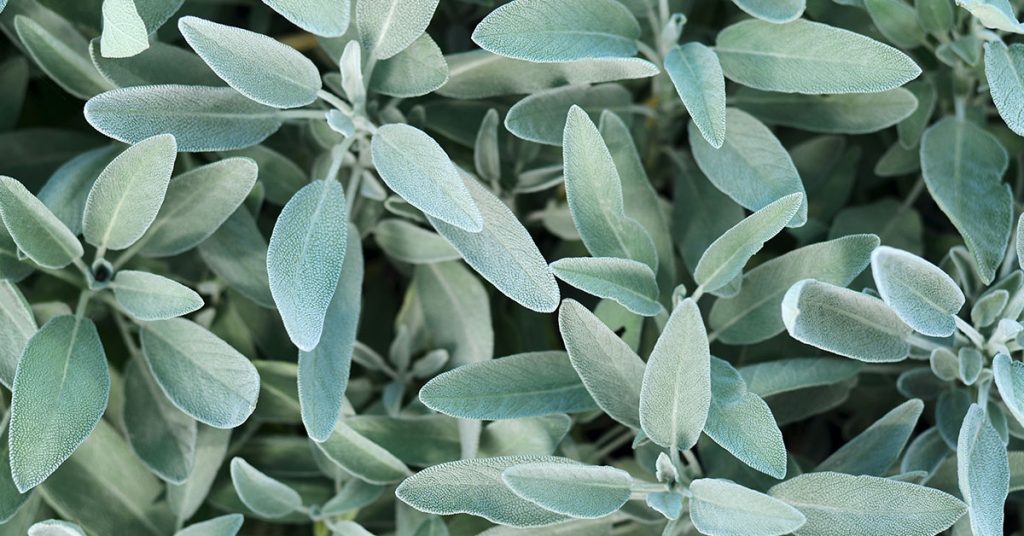
White Sage (Salvia apiana) is celebrated for its purifying smudge rituals among Indigenous peoples of North America. Thriving on the rocky slopes of California and Baja California, it prefers gritty, well-drained soils and full sun. While it can reseed locally, it’s not notoriously invasive—just be mindful if you garden in Mediterranean-like areas.
Allow some flower stalks to bloom, and you’ll see butterflies and native bees arrive in droves! If you’ve ever felt stuck in a garden lacking pollinator visitors, white sage can revitalize the scene. Burning a little bundle indoors clears stale energy, and the dried leaves retain fragrance for months—a small luxury with deep roots!
Jasmine

Jasmine (Jasminum spp.) symbolizes love, purity, and divine hope across South Asian and Middle Eastern cultures. Most ornamental jasmines, like Jasminum sambac, are native to tropical Asia and remain contained in garden trellises; they seldom escape into wild landscapes unless conditions are perfectly tropical.
One of my favorite afternoon rituals is inhaling jasmine’s intoxicating scent as the sun lowers! Hummingbird moths and honeybees adore the star-shaped flowers, and I’ve seen solitary bees nest in the warm crevices of nearby brickwork. If you’ve struggled to bring fragrance into your yard, jasmine will make every evening feel like a sacred ceremony!
Bamboo
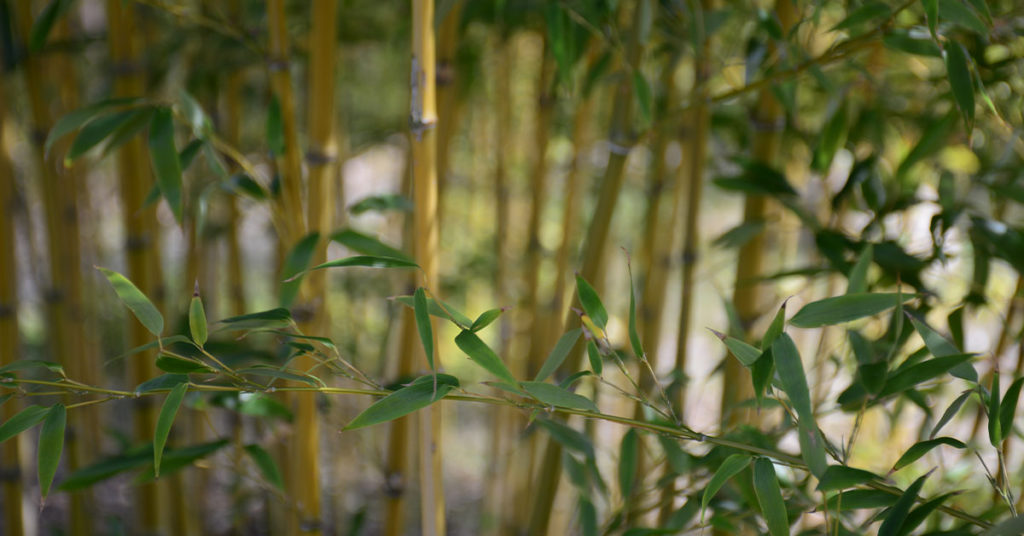
Bamboo (various species of Bambusa and Phyllostachys) stands for resilience, flexibility, and longevity in Japanese and Chinese traditions. While many bamboos hail from East Asia’s forests, certain running varieties can become aggressive invaders if rhizome barriers aren’t installed—so containment is key to a harmonious grove!
These tall canes offer nesting sites for birds like wrens and warblers, and the dense foliage shelters beneficial predatory insects that patrol for pests. If you’ve wrestled with unproductive hedges, a controlled bamboo grove can bring both privacy and a living reminder that strength lies in gentle persistence!
Chamomile
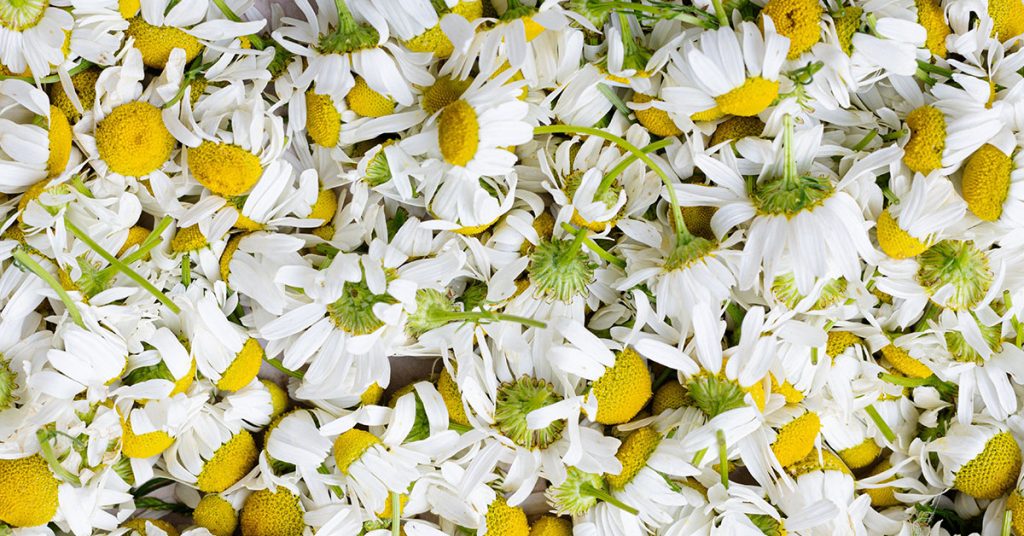
Chamomile (Matricaria chamomilla) has soothed souls for millennia, hailed in ancient Egypt and Europe as a cure-all and symbol of peace. Native to Western Europe and temperate Asia, it self-seeds readily but rarely overtakes a well-tended herb garden—simply deadhead spent blooms if volunteers become too plentiful.
One of the most charming sights is watching hoverflies alight on chamomile’s daisy-like flowers, hunting aphids! If you’ve ever felt overwhelmed by garden pests, chamomile’s natural pest deterrent can help, and steeping fresh tips creates a calming tea ritual that truly nourishes body and spirit. What could be more nurturing?
Oak
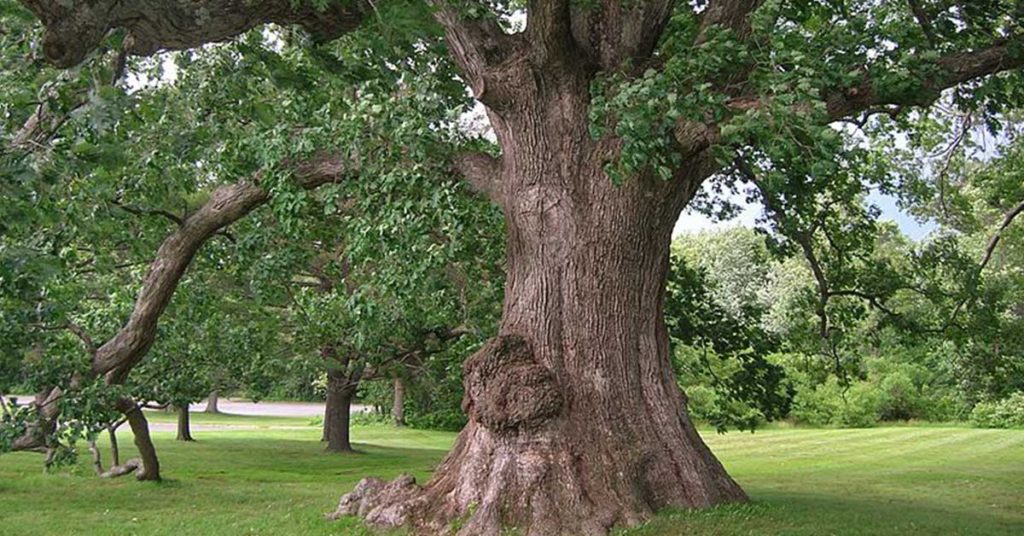
The mighty Oak (Quercus spp.) is sacred to Celtic, Norse, and many Indigenous cultures, symbolizing strength, wisdom, and longevity. Native oak species span the Northern Hemisphere; while they produce abundant acorns, they rarely spread beyond where their seedlings are intentionally planted, so invasiveness is minimal.
I love seeing squirrels stashing acorns at the forest edge of my property—nature’s own acrobats at work! Oaks also support hundreds of caterpillar species, which in turn feed songbirds. If you’ve struggled to bring life to an empty yard, planting an oak feels like making a pledge: I’m here for the long haul, and so is nature!
Lavender

Lavender (Lavandula angustifolia) embodies calm, healing, and spiritual clarity in European folklore. Native to the Mediterranean, this compact shrub favors sunny, well-drained soils and rarely escapes its designated garden space, making it a low-maintenance ally for many gardeners.
One of my most joyful moments is noticing solitary bees burrow into the sandy ground beneath lavender clumps to nest! If you’ve ever battled indoor stress, hanging dried lavender bundles in your home brings both fragrance and the promise of restful sleep. Plus, the strong scent deters moths—truly a plant that cares for you!
Tulsi (Holy Basil)
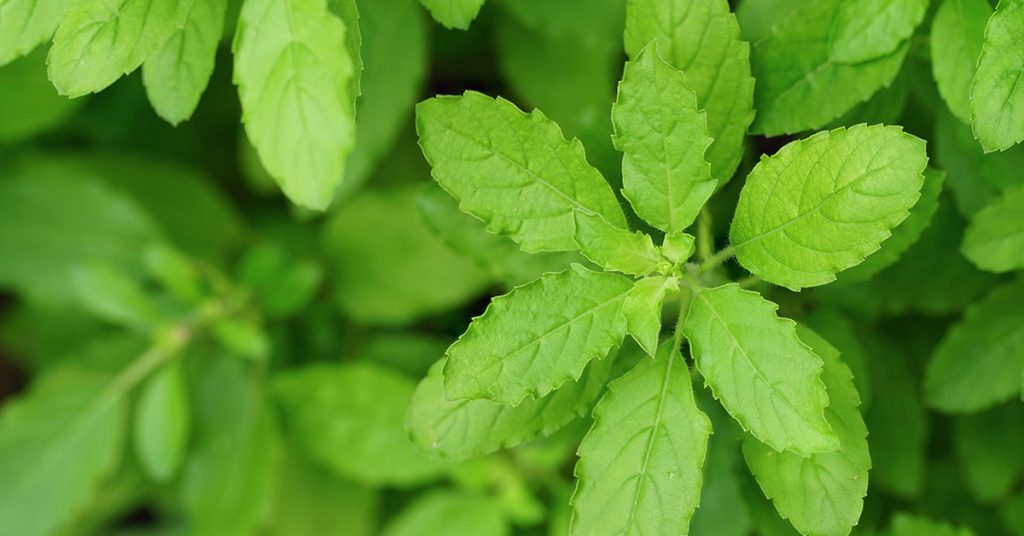
Tulsi (Ocimum tenuiflorum) is revered in Hinduism as the “queen of herbs,” symbolizing devotion and protection. Native to the Indian subcontinent, it thrives in warm climates and can reseed vigorously in tropical areas, so I sow it in pots or raised beds outside its native zone to keep it in check.
Watching bees swirl around tulsi’s tiny blossoms is one of my favorite garden spectacles! I know how discouraging it can be when basil fails to flower, but tulsi produces blooms that support pollinators late into the season. Brewing fresh tulsi tea is a daily ritual that feels like an offering to your own well-being—a small but powerful act!
Yarrow

Yarrow (Achillea millefolium) carries legends of healing and protection dating back to ancient Greece, where Achilles used it on battlefield wounds. Native across temperate Europe and Asia, it can naturalize in meadows but seldom becomes invasive if regularly harvested or deadheaded.
The flat clusters of yarrow’s blooms attract lacewings and ladybugs—natural allies against aphids! If your garden lacks biological control, introducing yarrow feels like empowering your own ecosystem’s defense. Plus, picking yarrow sprays for drying helps channel its soothing energy into your home décor or altar space—what a treat!
Olive Tree
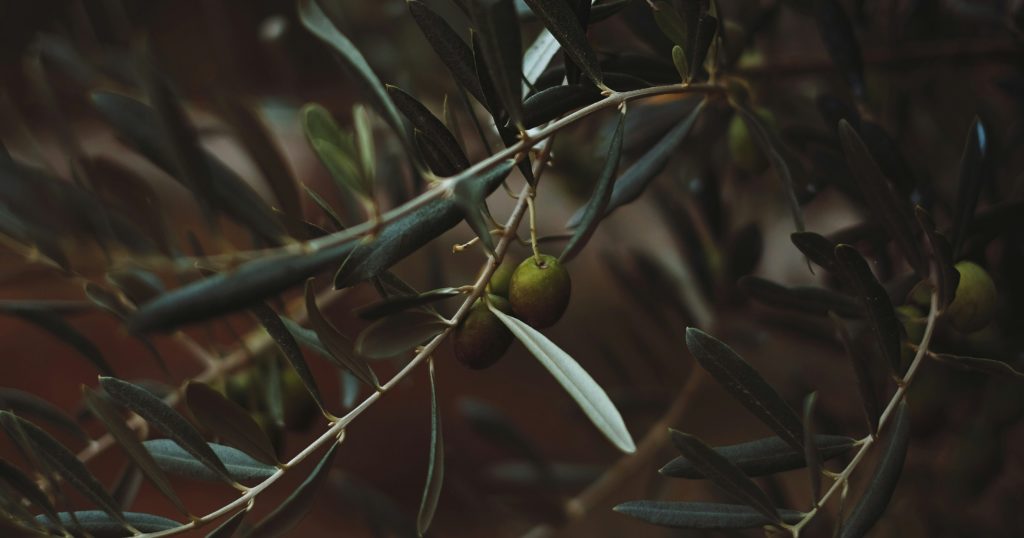
The Olive Tree (Olea europaea) has symbolized peace, victory, and divine blessing since ancient Greek and Judeo-Christian times. Native to the Mediterranean basin, it’s not invasive but can naturalize in regions with similar climates, so monitor seedlings if you live in a mild coastal area.
Birds often use olive branches for nest-building, and the gnarled trunks host insects that feed on decaying wood—creating a balanced microhabitat. I know how disappointing it is when trees don’t deliver ecosystem benefits, so planting an olive feels like inviting centuries of history and wildlife into your yard!
Rosemary
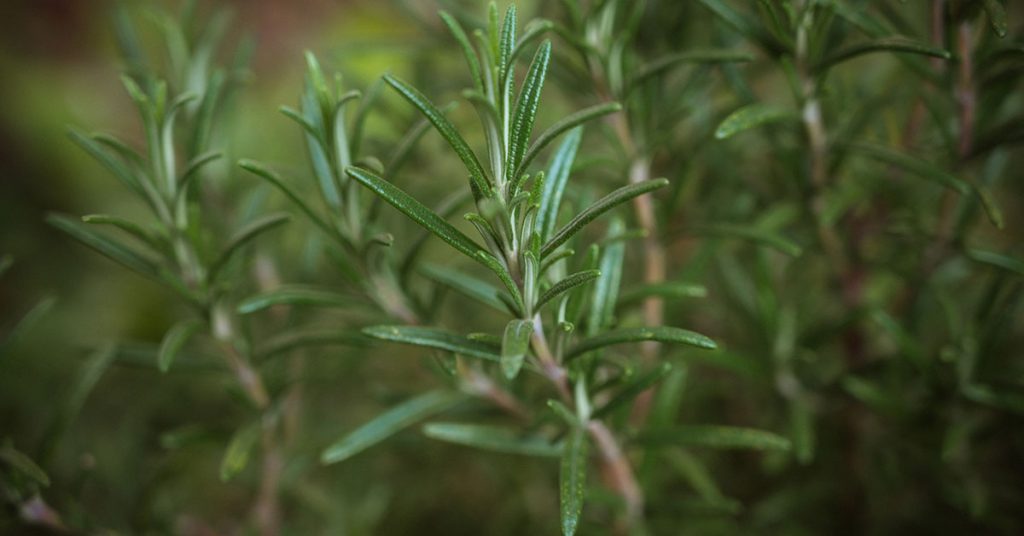
Rosemary (Salvia rosmarinus) stands for remembrance and fidelity in weddings and memorials across Europe. Native to Mediterranean coasts, it self-sows lightly but rarely invades when pruned regularly and contained to garden beds.
Watching bees flock to rosemary’s pale blue blossoms thrills me every spring! If you’ve ever struggled to attract pollinators, rosemary’s aromatic flowers change the game. Plus, its fragrant foliage repels many common garden pests—offering both practical protection and timeless symbolism in one resilient shrub!