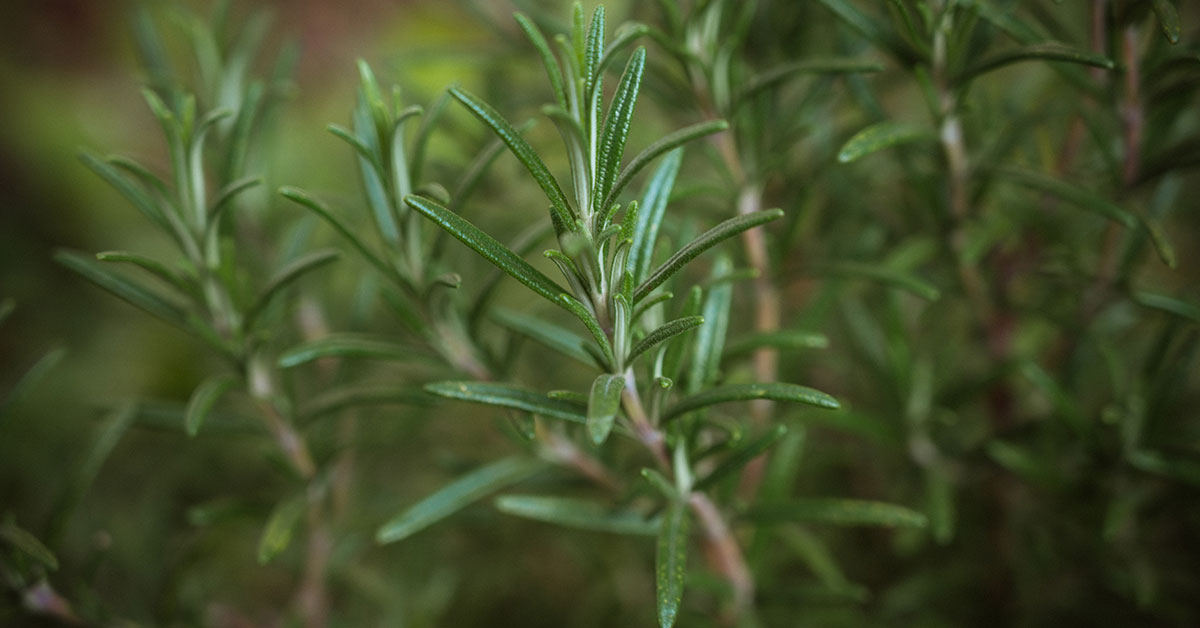

Growing a lush rosemary garden feels like summoning a piece of the sun-drenched Mediterranean right into your backyard. Yet it’s such a bummer when your rosemary bushes turn leggy, struggle in soggy soil, or get browned at the tips by unexpected cold snaps! I know how frustrating it is to care for these fragrant evergreens—planting them with hope, only to watch them sulk instead of thrive.
Rosemary ( Salvia rosmarinus ) hails from the rocky slopes of Southern Europe, where it evolved to flourish in lean, well-drained soils under blazing sun. It isn’t invasive in most temperate gardens, making it a friendly choice for beds, borders, or even pots on your patio. Below are ten randomized, in-depth tips—from soil prep to companion planting—that I’ve tested season after season. Each one dives into rosemary’s needs, how to encourage beneficial insect allies that nest in the ground or foliage, and ways to turn every challenge into a flourishing herb haven!
Propagate by Cuttings for Expansion
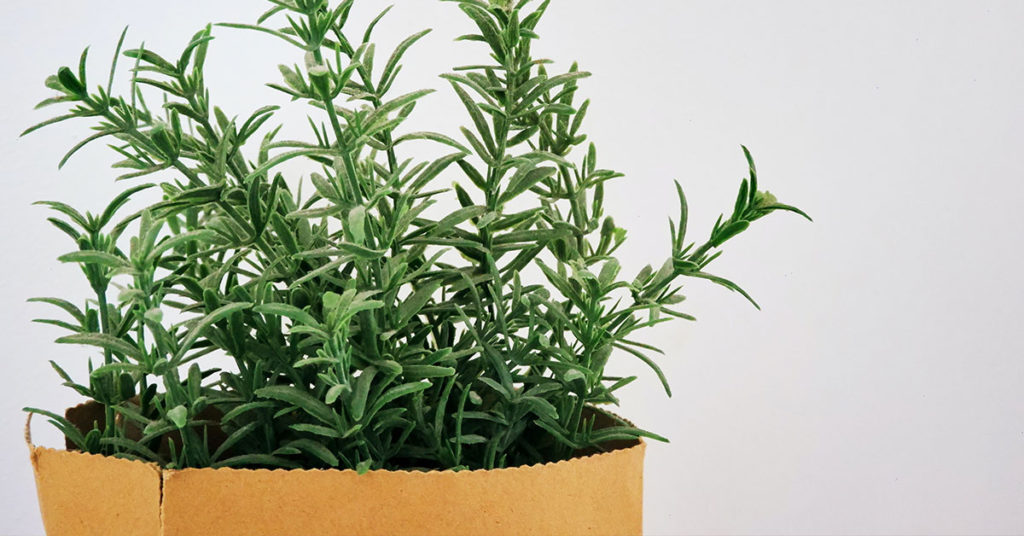
Taking cuttings is one of my favorite ways to multiply rosemary without waiting for seeds or risking patchy germination. Snip 4–6-inch terminal stems, strip the lower leaves, and dip the cut ends in rooting hormone before planting in a sandy potting mix. Within weeks, roots will form, giving you vigorous new bushes to fill in gaps!
These cuttings mimic how wild rosemary spreads along Mediterranean cliffs—layering naturally when branches touch the ground. Since rosemary isn’t invasive, you can expand freely without worrying about runaway growth. Plus, as these young plants establish, ground-nesting bees will tunnel among their roots, drawn by early blooms that provide essential nectar.
Fertilize Lightly with Organic Matter

Rosemary thrives on lean soils, so heavy fertilization can lead to soft, floppy growth that’s prone to mildew. Instead, apply a thin layer of well-rotted compost or worm castings around the drip line in early spring. This gentle boost delivers micronutrients without overwhelming the plants’ hardiness!
In its native habitat, rosemary benefited from decomposed leaf litter and slow-releasing minerals from rocky outcrops. The light feeding encourages sturdy stems and dense foliage, which supports hoverflies and lacewings nesting among the lower branches—nature’s frontline defense against aphids.
Use Mulch to Regulate Soil Temperature

A 1–2 inch layer of coarse gravel or shredded bark around your rosemary beds helps keep soils warm in winter and cool in summer. This mineral mulch replicates the rocky slopes where rosemary evolved, while preventing surface weeds from competing for moisture and nutrients!
Mulch also provides habitat for beneficial ground beetles and solitary bees that tunnel beneath the surface. These insects help control pests like slugs or earwigs that might nibble tender new shoots—turning your mulch into both a caretaker and a natural pest barrier.
Ensure Full Sun Exposure

Rosemary demands at least six to eight hours of direct sunlight daily to produce those fragrant oils and sturdy growth. I always plant my rosemary on south- or west-facing slopes, pruning back any overhanging branches that cast afternoon shade. The result? Bushes bursting with aromatic, blue-lavender flowers!
In low-light spots, rosemary can get lanky and fail to bloom, which also reduces forage for pollinators. By giving them prime sun real estate—much like their Mediterranean ancestors enjoyed—you ensure a riot of nectar that attracts bees and butterflies nesting nearby.
Grow in Containers for Control

If your garden soil is heavy clay or prone to winter sogginess, try growing rosemary in raised beds or containers filled with a free-draining potting mix. Choose wide, shallow pots to accommodate rosemary’s spreading roots, and ensure each has drainage holes to prevent waterlogging.
Container gardening also offers mobility: I wheel my potted rosemary into a sunny nook in spring and roll it under shelter during harsh winters. This flexibility protects plants from root rot and freeze-thaw damage, while the confined space discourages any potential—but unlikely—spread beyond the pot’s rim.
Protect in Cold Climates

Rosemary is evergreen but can suffer tip burn or dieback when temperatures dip below 20°F. In zones 6–7, I cover mature plants with breathable frost cloth or lightly mound soil at the base to insulate the root zone. Removing the cover at first light prevents moisture buildup and fungal issues!
These measures echo how wild rosemary survives in sheltered Mediterranean ravines. Though not invasive, your garden’s microclimate can be less forgiving. A bit of winter protection ensures that next spring you’ll be greeted by lush, intact foliage rather than bare, brown canes.
Provide Well-Draining Soil

Rosemary hates “wet feet.” Before planting, I blend at least 30% coarse sand or pea gravel into native soil to recreate the gritty, calcareous mix of its homeland. Good drainage prevents root rot and keeps stems perky, even when summer rains arrive!
This soil prep attracts earthworms and predatory mites that nest in the drier, oxygen-rich pockets—forming a dynamic soil food web. Those critters improve aeration and nutrient cycling, meaning your rosemary gets top-notch growing conditions all season long.
Prune Regularly for Bushy Growth
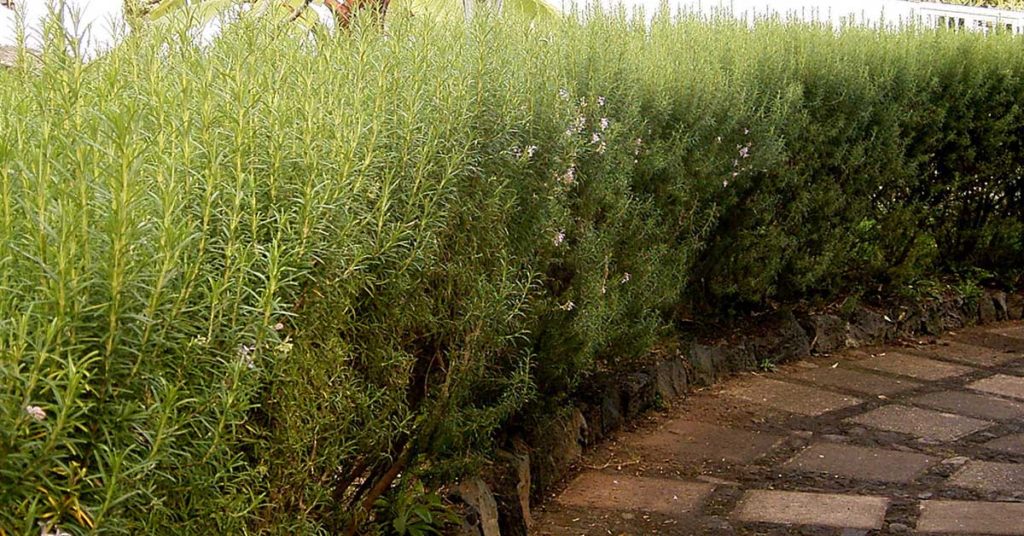
To prevent woody, unproductive interiors, I prune rosemary in early spring, trimming back about a third of each branch just above a pair of leaf nodes. This practice encourages side branching and a denser canopy—a technique I learned from Mediterranean gardeners who shaped their herbs into formal hedges!
Regular pruning also opens the plant’s center to air and light, reducing fungal threats. The trimmed stems make fantastic midseason cuttings for propagation, and the resulting bushy plants host nesting hoverflies amid their woody stems, boosting your garden’s biological pest control.
Water Sparingly but Deeply

Once established, rosemary prefers infrequent watering. I give each plant a deep soak—wetting the soil to about 6 inches—then allow the top two inches to dry before the next irrigation. This regimen encourages roots to delve deeper for moisture, enhancing drought resilience!
In its native Mediterranean climates, rosemary thrived on seasonal drizzles followed by dry spells. By mimicking that pattern, you prevent the shallow root systems that invite rot and reduce stress, leading to healthier bushes with more blooms that serve as magnets for bees and butterflies.
Harvest Correctly for Continued Growth

Frequent harvesting keeps your rosemary in active growth. I snip sprigs from the top third of each plant—never cutting into old, woody wood—and use fresh tips for cooking or drying. This selective harvest encourages new lateral shoots, giving you a constant supply of aromatic stems!
Harvesting also prevents the plant from shifting into reproductive mode too early, maximizing leaf production throughout the season. The trimmed areas become perfect nesting sites for tiny parasitic wasps, which take up residence and help control nearby herbivore pests without disturbing your herb patch.