

Creating a dazzling rose garden is every gardener’s dream—picture lush foliage, striking blooms in every hue, and an intoxicating fragrance drifting on the breeze. Yet it’s such a bummer when black spot invades your rosebushes, or your favorite varieties sulk and refuse to flower! Growing a vibrant rose haven takes more than planting pretty blooms; it demands attention to soil, pruning, pests, and even companion planting to support the entire ecosystem.
In this guide, I’m sharing twelve in-depth strategies—from selecting the right varieties to providing winter protection—each packed with details on rose origins, their interactions with pollinators and beneficial insects, and whether certain species can overstep their bounds. Written from the perspective of a rose-obsessed gardener, these tips will help you transform any patch into a riot of color and life!
Feed and Fertilize Seasonally
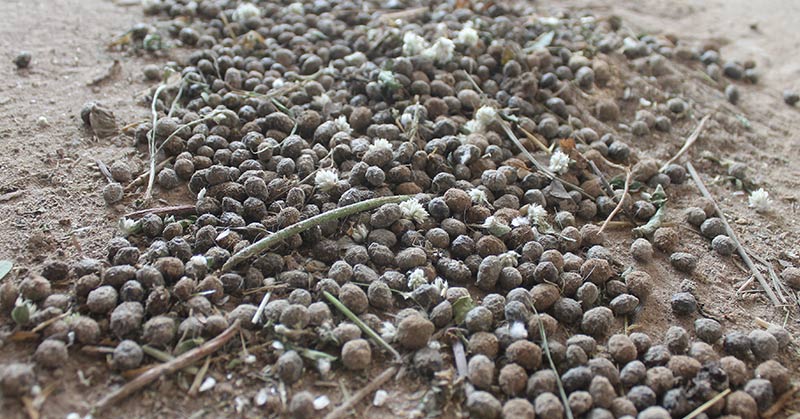
Roses are heavy feeders that reward you with flush after flush of blooms when given balanced nutrition. I apply a granular rose fertilizer in early spring as buds swell, then again after the first bloom cycle, and finish with a light feed in mid-summer to support repeat flowering. Organic options—like composted chicken manure or kelp meal—provide micronutrients and improve soil structure over time!
Native to Asia, Europe, and North America, roses evolved in soils enriched by leaf litter and decaying wood. A seasonal feeding regimen mimics those natural nutrient pulses without overloading the plants. Plus, healthy, well-nourished roses develop tougher foliage that resists pests and diseases, meaning fewer chemical interventions and more pollinators nesting in the leaf litter beneath your bushes.
Provide Winter Protection for Tender Varieties
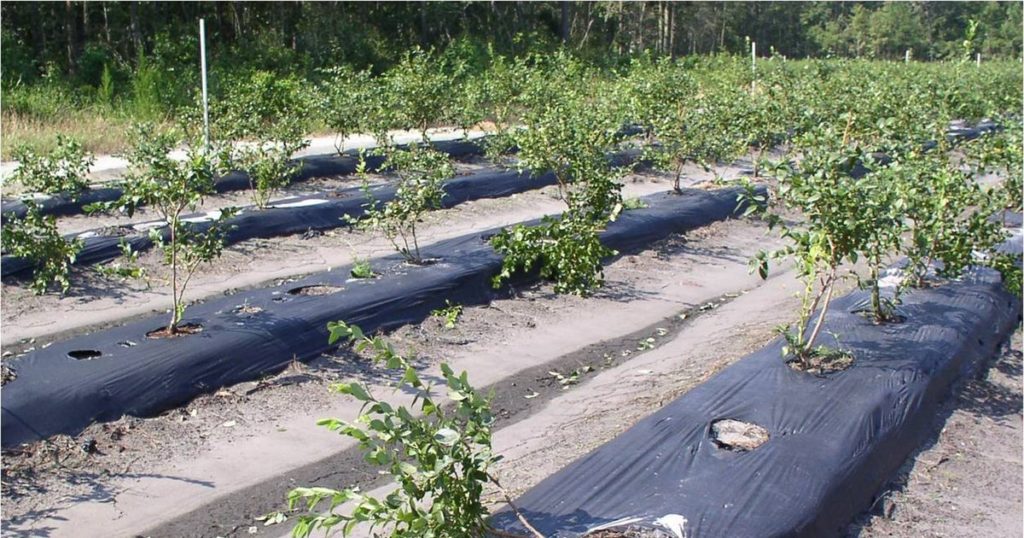
In colder climates, even hardy Rosa species can suffer crown damage from frost heave or desiccation. I mound loose soil or compost around the graft union in late fall, then wrap stems with breathable burlap against windburn. This barrier preserves root temperature and prevents freeze–thaw cycles from heaving plants out of the ground!
Some modern hybrid teas and floribundas originate from warmer Mediterranean regions and lack deep cold tolerance. Though roses aren’t generally invasive, frost damage weakens plants and opens them up to opportunistic diseases. By giving your roses a cozy winter coat, you ensure vigorous spring growth and protect your investment in those exquisite blossoms.
Use Companion Planting to Attract Beneficial Insects

Interplanting herbs like lavender, thyme, and catmint around your roses creates an insectary that draws lacewings, ladybugs, and parasitic wasps. These beneficial predators hunt aphids and thrips among the blooms, often nesting in the mulch beneath the foliage. I leave patches of bare soil for ground-nesting bees, too, so pollinators stick around until the last rose petal!
Roses originated in diverse temperate woodlands where they coexisted with many insect allies. While some species—like the aggressive multiflora rose—are invasive in parts of North America, most garden cultivars stay put when well-maintained. Companion plants not only bolster pest control but add texture and scent to the rose border—a feast for both eyes and pollinators.
Deadhead and Prune for Continuous Blooms

Removing spent blooms at the first sign of petal drop encourages roses to set new flower buds instead of developing hips. I use clean, sharp pruners to cut just above an outward-facing leaf node, angling the cut to shed water and reduce disease risk. This simple ritual keeps each plant busy producing fresh flowers all season!
Regular pruning also improves air circulation, reducing fungal issues like powdery mildew. Many wild roses (such as Rosa rugosa) form dense thickets if left unpruned—but garden roses are bred for controlled growth. By shaping your bushes annually, you maintain an open form that’s both beautiful and healthy, providing nesting space for beneficial insects in the lower limbs.
Select Disease-Resistant Rose Varieties
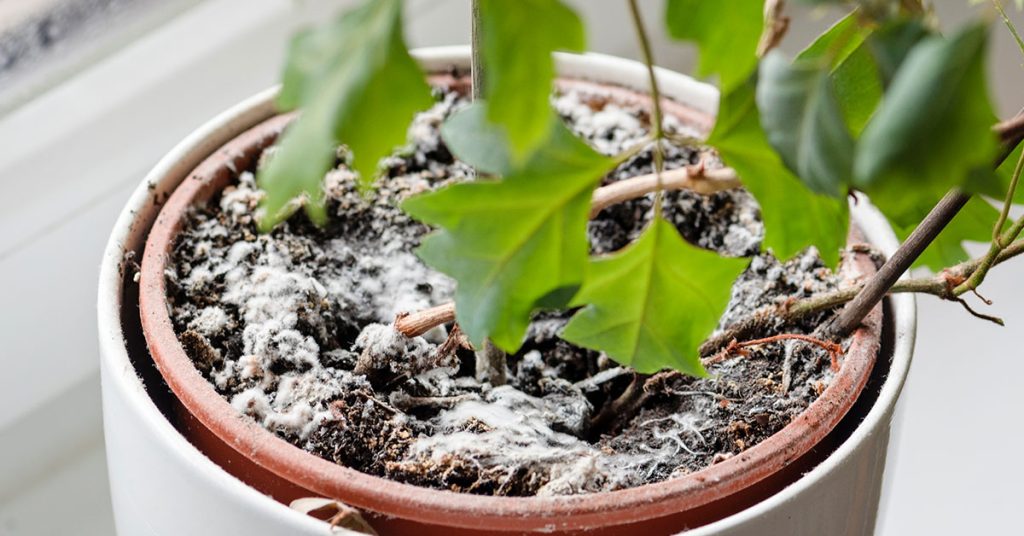
One of my favorite garden experiments has been trialing roses specifically bred for black-spot and powdery mildew resistance. Shrub roses like ‘Knock Out’ or landscape-worthy roses such as ‘Carefree Delight’ combine vibrant blooms with tough foliage. Choosing these varieties cuts down on spray routines and delivers more reliable color throughout summer!
Most cultivated roses trace back to wild species from Asia and Europe, where constant rainfall and humidity favored natural disease resistance. While Rosa multiflora can run rampant in some regions, the vast majority of modern hybrids stay neatly in their beds. By prioritizing resistant types, you free up time to enjoy the flowers rather than treat infections.
Mulch and Control Weeds
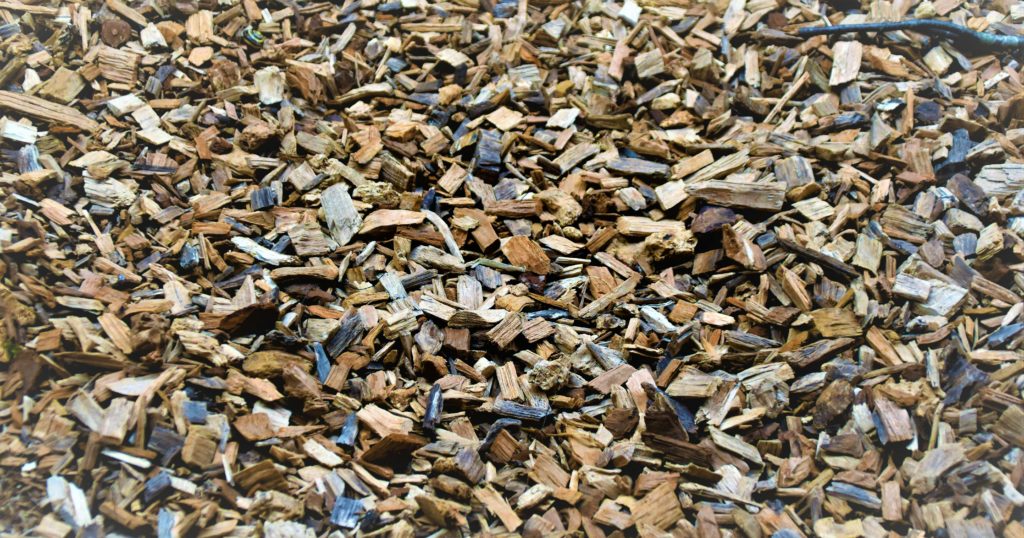
A 2–3-inch layer of organic mulch—aged bark, wood chips, or shredded leaves—around your rose beds conserves moisture, suppresses weeds, and moderates soil temperature. I refresh mulch each spring, careful to keep it a few inches away from the stems to prevent rot. Underneath those layers, spiders and ground beetles nest, helping keep slugs and chewing pests at bay!
Weeds compete fiercely for nutrients and water, and many harbor pests that leap onto nearby roses. Mulch-based weed control not only improves soil health over time but reduces daily maintenance. Plus, as it breaks down, the mulch feeds earthworms that burrow and aerate the soil—giving roses the loose, well‐draining conditions they adore.
Incorporate Structural Elements and Supports

Whether you’re growing climbers against a trellis or creating a classic rose arch, adding vertical structure extends the visual impact of your garden. I train long canes of Rosa ‘New Dawn’ and Rosa ‘Eden’ along sturdy supports, weaving them through crossbars to distribute weight. Trained properly, these roses attract hummingbird hawk-moths that nestle among the blossoms at dusk—an enchanting sight!
In their native range, climbing roses once scrambled over trees and rocks, finding natural support. While no major rose species is aggressively invasive when tied in place, unrestrained climbers can crowd other plants. By guiding and securing canes, you create living architecture that enhances your garden’s depth and invites pollinators up into new forage zones.
Ensure Proper Sunlight Exposure

Roses require at least six hours of direct sun daily—eight or more for repeat bloomers—to develop rich color and fragrance. I site my beds on south- or west-facing slopes whenever possible, pruning nearby trees to avoid afternoon shade. In shadier spots, I stick to single-flowered roses, which bloom more reliably with less light.
Most wild roses evolved in open meadows or woodland edges; they’re not invasive in sunlit gardens but struggle in deep shade. With full sun, roses channel energy into prolific flowering and strong stem growth, creating rigid frameworks that resist wind and support beneficial insects like predatory wasps that patrol the blooms.
Stagger Planting Times for an Extended Season

By mixing early-flowering species roses (like Rosa pimpinellifolia) with mid-season hybrids (such as hybrid teas) and remontant shrub roses (for example, floribundas), you can enjoy color from late spring well into fall. I map out a planting calendar to ensure bloom continuity, coordinating different varieties so there’s always something budding or bursting open!
This approach mimics wild rose populations in temperate regions, where varied species bloom sequentially. None of these cultivated types spread invasively—they flower, set hips, and retreat. A staggered garden also sustains foraging pollinators by providing nectar sources over many months, encouraging them to nest close by.
Provide Optimal Soil and Drainage
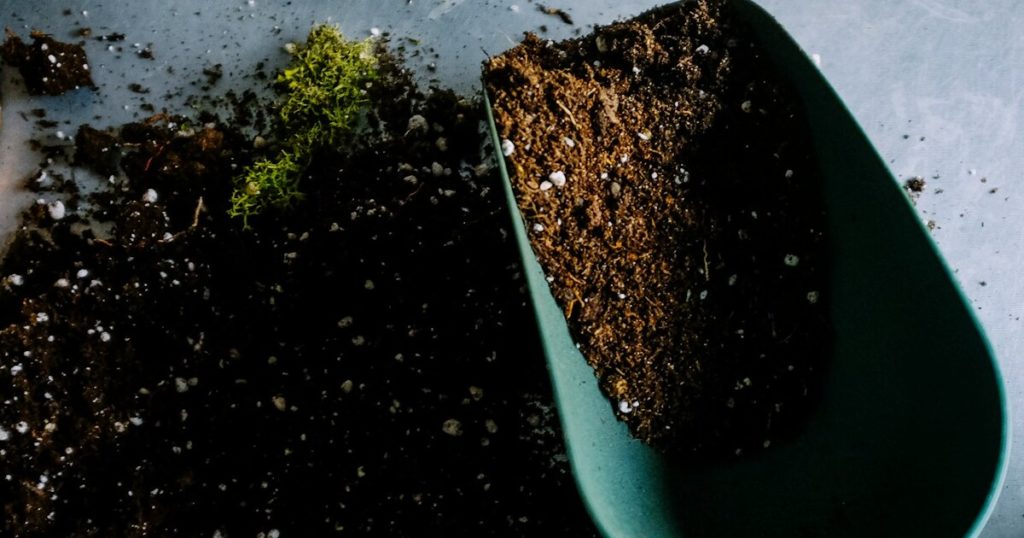
Roses thrive in deep, loamy soil with a slightly acidic pH (around 6.0–6.5). Before planting, I dig beds to 12–18 inches, incorporating generous amounts of compost and aged manure, then shape beds with gentle mounds to shed excess water. Good drainage prevents root rot and keeps foliage dry—key to preventing fungal diseases!
These conditions replicate the rich, well-drained soils of rose’s native steppes and forest margins in Asia and Europe. While Rosa multiflora can naturalize in damp woods, most garden roses prefer free-draining ground. Optimal soil structure promotes deep root systems that support big crowns of blooms and sustain nesting sites for beneficial beetles and ground bees.
Water Deeply and Consistently

Rather than quick surface watering, I give my roses a deep soak about once a week—more often in peak heat—and let the top two inches of soil dry between sessions. This encourages roots to reach downward for moisture, resulting in sturdier bushes that withstand drought and stress!
Wild roses evolved with intermittent rainfall in temperate climates, so overwatering can lead to shallow roots and waterlogged crowns. Deep, infrequent watering strengthens your roses and reduces leaf wetness, decreasing fungal issues. Plus, well-hydrated plants produce more vigorous blooms that better attract pollinators to nest among the shaded soil below.
Implement Integrated Pest Management Naturally
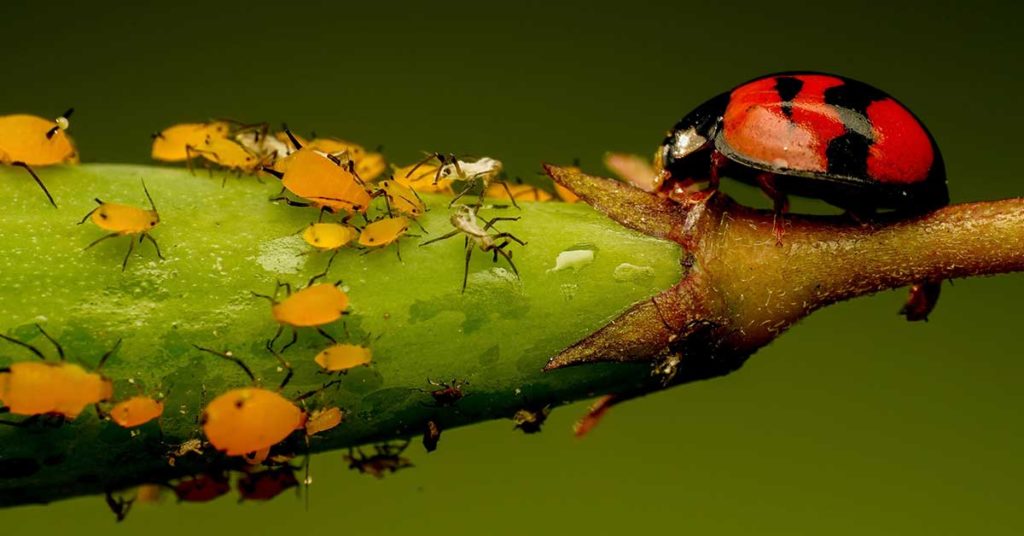
Rather than reaching for broad-spectrum sprays, I start with manual removal of pests—like knocking off aphid colonies with a strong spray of water—then introduce beneficials. Early-season applications of insecticidal soap target soft-bodied insects, while encouraging lacewings and ladybugs ensures a long-term balance. I even set up small bee hotels nearby to boost natural control!
Roses’ fragrant blooms and tender new growth can lure pests, but in their native habitats, a web of natural predators keeps populations in check. While garden roses aren’t invasive, heavy pesticide use can wipe out those allies. An integrated approach—combining cultural care, companion planting, and minimal, targeted treatments—maintains both plant health and a thriving insect community.