

It’s such a bummer when an otherwise lovely spring garden is overtaken by an uninvited guest! Each May, the innocuous white blossoms of garlic mustard (Alliaria petiolata) pop up along woodland edges, paths, and neglected beds—and before you know it, this European import is crowding out your favorite natives. As a gardener, there’s nothing more frustrating than watching your tender wildflowers and spring ephemerals get choked out by a carpet of this persistent biennial. I’ve wrestled with garlic mustard in my own beds, and trust me, early action is key!
In this article, I’m sharing ten deep-dive sections—presented in a surprise order—to help you recognize, understand, and eradicate garlic mustard before it sets a single seed. We’ll talk about its origins, how it spreads (often hitching rides via birds and water), and the precise timing and techniques—both mechanical and chemical—you can use to stomp it out. From preventive monitoring to restoring areas after removal, you’ll have every tool you need to reclaim your garden!
Mechanical Removal Techniques
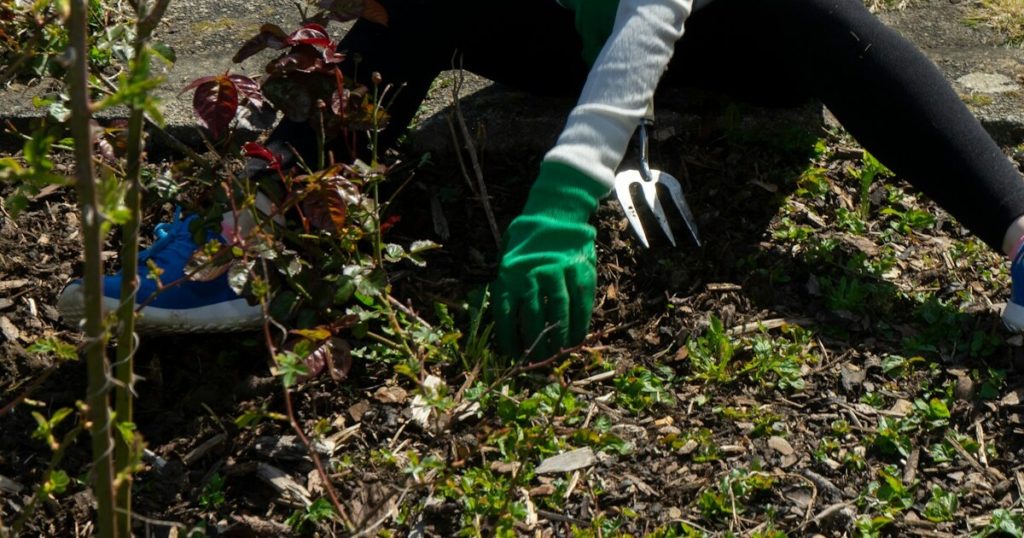
Pulling garlic mustard by hand is one of the most effective ways to prevent it from seeding. Grasp the plant at the base, ensuring you remove the entire taproot to stop any chance of regrowth. In my garden, I find it’s easiest when the soil is moist—as the roots come out cleaner—so I plan removal days right after gentle rains!
Once uprooted, bag the entire plant immediately—flowers, leaves, and all—to prevent those attractive white blooms from falling and setting seed. I’ve seen birds nest amid piles of leaf litter, accidentally transporting seeds to fresh spots, so disposal is crucial. Burn or landfill the material rather than composting, since garlic mustard seeds tolerate typical compost heat.
Preventative Measures and Monitoring

Keep a vigilant eye on any open or disturbed ground, especially near wooded borders. I like to walk my garden once a week in April and May, scouting for the first rosettes of garlic mustard. Early detection—when the plants are still compact and low—is the secret to preventing explosive spread!
Setting up shade-tolerant groundcovers, such as native ferns or wild ginger, creates a living mulch that competes with garlic mustard seedlings. These dense plantings block light and reduce the bare patches where seeds prefer to germinate. Plus, the cover plants attract beneficial insects that nest in the humus layer, adding another line of defense!
Ecological Impact on Native Flora
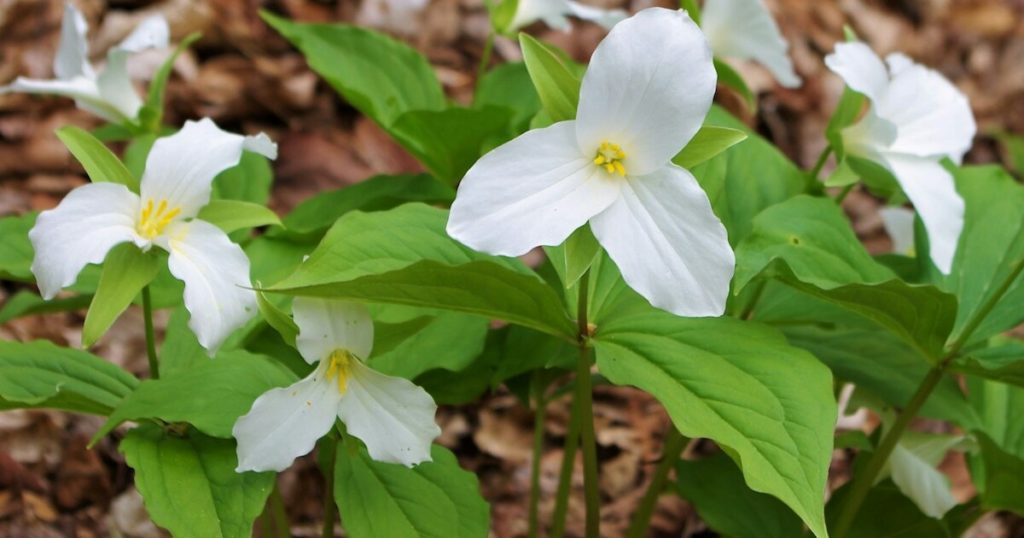
When garlic mustard invades, it secretes allelopathic chemicals into the soil, disrupting the delicate relationship between native wildflowers and mycorrhizal fungi. This means cherished spring ephemerals—trilliums, bloodroots, and Dutchman’s breeches—struggle to access nutrients and often fade away within a season!
I’ve watched with dismay as a backyard trillium colony dwindles under a blanket of garlic mustard rosettes. Even more alarming, the dense mats hinder ground-nesting bees and certain butterfly species from laying eggs. Though the little white flowers do attract generalist pollinators like honeybees, the ecological cost to specialists is steep.
Origin and Invasiveness
Garlic mustard hails from Europe and western Asia, where it evolved without the checks and balances of American ecosystems. Introduced in the 1860s as a culinary herb and medicinal plant, it quickly escaped cultivation and established itself across forests and fields from coast to coast. It’s now listed as invasive in over 30 U.S. states!
In its native habitat, natural predators and soil microbes keep it in check. Here, however, it thrives on moist, shaded soils and readily colonizes roadsides, floodplains, and garden edges. Because it’s not considered invasive in Europe—only here—it’s free to spread aggressively, producing tens of thousands of seeds per plant when left unchecked.
Seed Dispersal Mechanisms
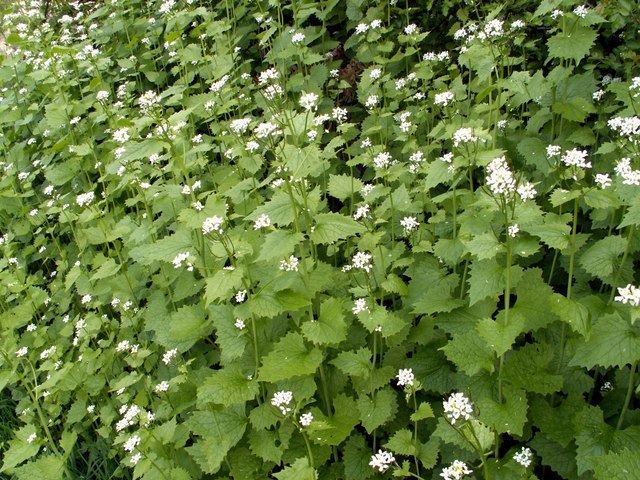
Each garlic mustard plant can produce up to 8,000 slender, pod-like siliques containing tiny seeds. When ripe, these pods spring open, flinging seeds several feet away! Left unattended, a single plant can carpet an entire understory in a matter of weeks.
But birds often eat the pods and carry seeds even farther, nesting in shrubs and tree cavities with garlic mustard litter on their feet. Floodwaters can also transport seeds downstream, establishing new infestations in remote areas. Understanding these behaviors underscores why containment is critical at the earliest stage!
Identification in May
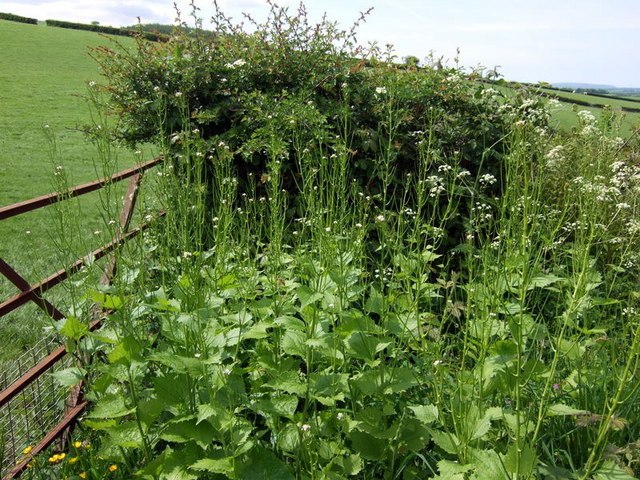
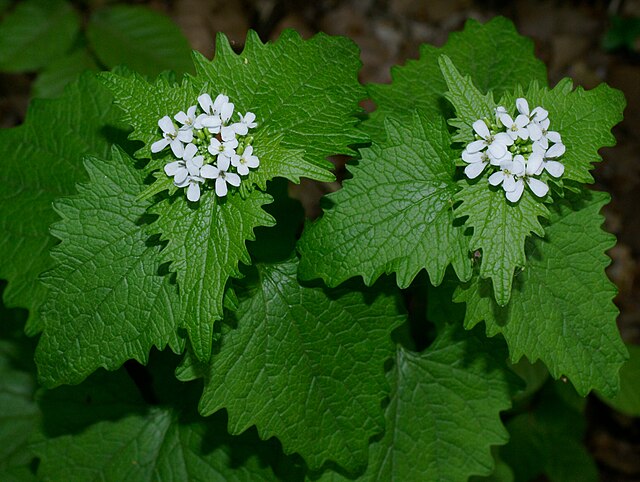
In May, garlic mustard stands out with its clusters of four-petaled white flowers rising above a rosette of scalloped leaves. You might mistake it for native mustard relatives, but the key giveaway is its garlicky scent when you crush a leaf—a trait echoed in its common name!
Early on, look for the basal rosette: round, deeply lobed leaves radiating from a central crown. These young plants hug the ground in late winter and spring, making them easy to miss. I always wear gloves and carry a magnifier in shady corners to spot any low-lying invaders before they bolt!
Chemical Control Options

For stubborn, large infestations, selective herbicides containing glyphosate can be applied in early spring when garlic mustard is actively growing but before desirable plants leaf out. A carefully targeted application ensures minimal collateral damage to natives. I recommend a backpack sprayer with a fine nozzle for precision!
Spot treatment is your friend—avoid broadcast spraying. After application, monitor treated areas weekly, as seedlings often germinate from leftover seeds. If you see tiny rosettes reappearing, a light foliar spray or repeat hand-pulling session will keep the population suppressed.
Timing for Optimal Eradication
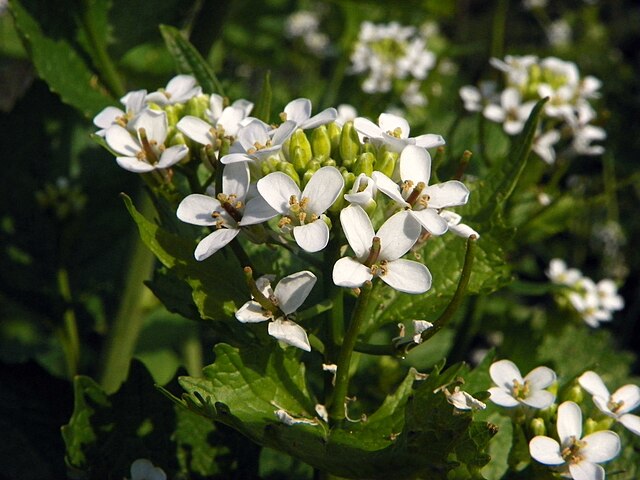
The sweet spot for removal is just before flowering—in late April to early May—when plants have expended energy on rosette growth but haven’t yet channeled nutrients into seed production. Uprooting at this stage starves the plant of resources, reducing the seed bank!
I set calendar reminders each year: “Check for garlic mustard bolting!” around mid-April. Doing so saves hours of work later, because once seeds are visible, even the gentlest pull risks scattering them. Trust me, patience here pays off in a cleaner, long-term solution.
Restoring Affected Areas

After clearing garlic mustard, reseed with robust native groundcovers—wild ginger, foamflower, or woodland phlox—to fill the vacancy and deny returning weeds bare soil. I’ve found that planting in early fall gives natives a chance to establish before garlic mustard’s peak germination window.
Continue mulching with shredded hardwood or leaf mold to suppress any lingering seedlings. Over time, the rich organic layer supports beneficial microorganisms and earthworms that improve soil structure. It’s such a joy to see native plants reclaim their space—and to know you’ve outsmarted this tenacious invader!
Lifecycle and Flowering Patterns
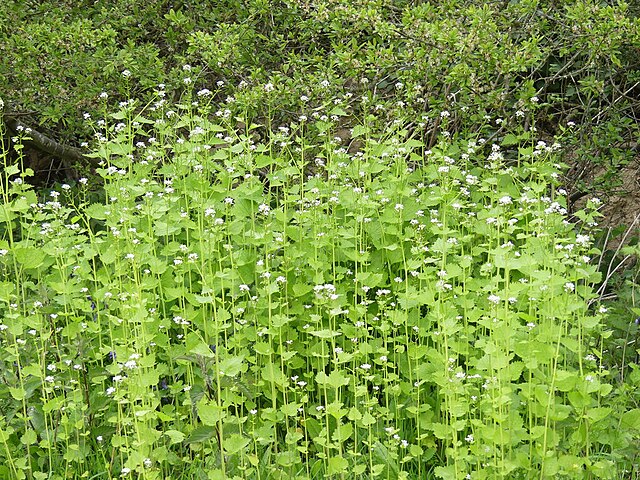
Garlic mustard is a biennial: its first year devoted to rosette growth, the second to flowering and seed set. After bloom—in late May to June—the plant dies, leaving behind slender seed pods that mature quickly. Understanding this two-year cycle is crucial for timing your control efforts.
I always advise gardeners to track rosettes through the winter: cover them with row cloth during mid-winter snows to make sure they don’t survive to bolt in spring. Even a few surviving rosettes can launch the next season’s invasion, so a vigilant, year-round approach keeps your garden garlic mustard–free!