

I absolutely get the thrill of brushing past a lush, aromatic oregano patch—its fresh, earthy scent is one of life’s simple delights! Yet it’s such a bummer when your little herb starter barely spreads, leaving bare patches instead of a verdant carpet. Oregano, native to the Mediterranean and parts of western Eurasia, naturally thrives in sun-baked soils and can aggressively colonize favorable spots. By harnessing its vigor the right way, you’ll soon have clusters of fragrant foliage everywhere you look!
In the ten tips below—presented in a fun, randomized order—I’ll share everything I’ve learned about helping oregano reach its wildest potential without letting it run completely amok. We’ll cover soil prep, sun exposure, pruning tricks, and even how to invite bees and beneficial insects to nest among your oregano stems. Ready to turn your garden into an oregano wonderland? Let’s dig in!
Pinch and Prune for a Denser Mat

One of my favorite tricks to thicken oregano is to pinch back each stem tip once it’s grown four or five leaf pairs. This simple snip redirects energy from vertical growth into lateral branching, encouraging a fuller, more carpet-like appearance. Native to rocky hillsides, oregano naturally sprawls, but pinching accelerates that process dramatically!
Don’t shy away from a mid-season prune, too. I usually shear my patch by a third in early summer—this not only keeps things tidy but also allows air to circulate among the leaves, reducing mildew risk. Bonus: tiny parasitic wasps often take shelter among the trimmed stems, nesting in nooks and crannies to keep aphids in check!
Enrich Soil With Organic Matter

Although oregano tolerates lean soils, giving it a head start with rich, well-rotted compost sets the stage for wild growth. Adding a couple of inches of compost before planting improves moisture retention, feeds soil microbes, and encourages deep, vigorous roots. I mix in aged leaf mold or worm castings to mimic the Mediterranean’s crumbly, organic-rich topsoil where oregano evolved!
Healthy soil also supports ground-nesting bees—tiny mining bees often burrow in the loose earth at the herb’s edge, emerging in spring to pollinate not only oregano but nearby veggies and flowers. By fostering that crumbly, life-filled soil, you’re creating a micro-habitat that benefits the entire garden ecosystem.
Allow Flowering to Lure Pollinators

It’s tempting to mow down every blossom to prolong foliage, but oregano’s delicate white or pink flower spikes are magnets for bees, butterflies, and hoverflies. Letting your oregano bloom for even a couple of weeks invites these pollinators to visit—and some solitary bees will nest right in the hollow stems or adjacent soil!
I always reserve a small section unpruned so pollinators can feast on nectar. Watching golden-tailed bumblebees tuck into the flowers while ladybugs patrol for aphids is pure garden magic. After the bloom, you can lightly shear off seed stalks to encourage another flush of leaves.
Provide Full Sun Exposure

Oregano hails from sun-drenched Mediterranean slopes, so it demands at least six to eight hours of direct sunlight daily to truly flourish. In shadier spots, the plants grow leggy and weak, leaving gaps in your wild oregano carpet. I once tucked oregano under a maple tree—I regretted it when the patch thinned to mere sprigs!
Relocating that shady section to a sunnier border transformed it overnight. The foliage darkened, branches became robust, and new runners shot out eagerly. Sun-soaked leaves also concentrate the plant’s essential oils, making your fresh and dried oregano more flavorful—a two-for-one win!
Apply Organic Fertilizer and Compost Tea

While oregano isn’t a heavy feeder, a mid-season boost of liquid compost tea or a sprinkle of balanced organic fertilizer can supercharge growth. Feeding once in late spring, just as new shoots appear, pushes your plants to produce abundant foliage rather than plateauing. I whisk together a simple tea from my compost bin every few weeks—it’s like a spa treatment for my oregano!
The gentle feeding also invigorates soil life, encouraging earthworms to tunnel beneath the patch and improve drainage. Those worm tunnels create homey hideaways for small spiders and beetles that prey on pest insects, so your oregano thrives without chemical help.
Successional Sowing for Continuous Spread
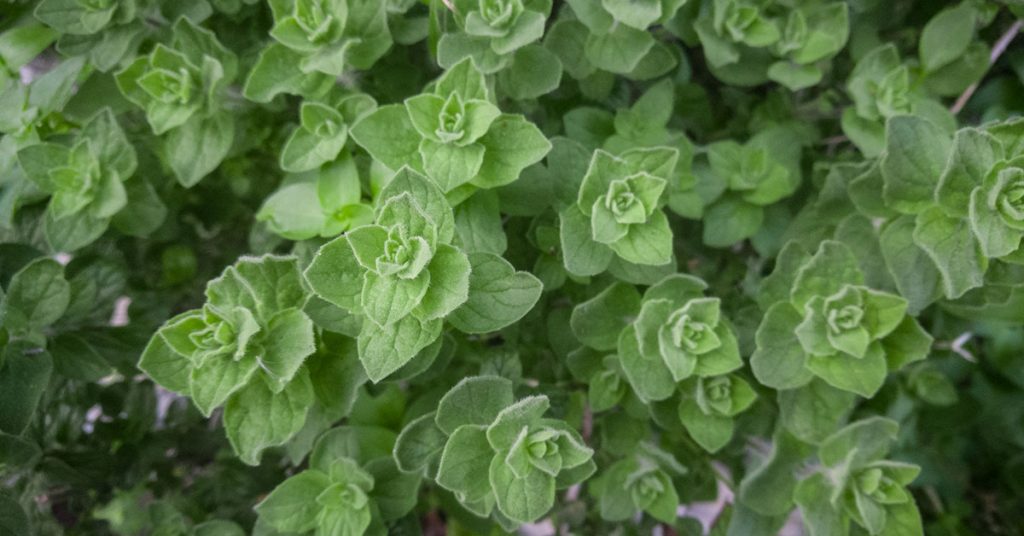
Starting new oregano seedlings every few weeks can fill in bare patches and maintain vigorous growth. Sow seeds thinly in early spring, then again in midsummer for a second wave of babies. Because oregano seeds germinate best in warm soil, I sometimes cover seed rows with clear plastic until they sprout—instant mini-greenhouse magic!
Young transplants also help crowd out competing weeds. As the established oregano mat spreads, the newest seedlings latch onto open soil, creating an ever-denser carpet. I love watching the patch thicken in waves, like a green tide rolling across my garden beds!
Divide and Replant Crowded Clumps

If oregano clumps get too dense in the center, you’ll notice yellowing leaves and slowed spread. Every two to three years, lift your patch, tease apart sections of root and shoot, and replant the healthiest divisions. This rejuvenates older clumps and gives you extra starts to colonize new areas!
Division also combats hidden rot: sometimes the middle of the mat gets damp and grey with fungal growth. By replanting only the firm, healthy outer sections, you’ll keep your oregano vigorous and free of disease. I invariably end up gifting neighbors with the extra divisions—sharing is caring!
Ensure Excellent Drainage

Despite its love of moisture, oregano hates sitting in waterlogged soil. Native to rocky, well-drained slopes, it won’t forgive poor drainage. If your patch pools after rain, amend the bed with grit or coarse sand and organic matter to improve percolation, or plant in a raised bed that sheds excess water swiftly.
Great drainage also promotes burrowing by ground-nesting bees, which need friable soil to excavate brood cells. By correcting soggy spots, you’ll see both your oregano and its insect allies flourish—watch for tiny earwigs and ground beetles riffing through the loosened earth!
Use Containers or Trenches to Contain Spread

Oregano’s underground runners can creep into every nook of your garden if left unchecked. To keep it wild yet contained, plant in large containers sunk into the ground or dig shallow trenches lined with landscape fabric around patches. This encourages horizontal spread within a set boundary.
Containers also double as mini pollinator sanctuaries: the rim offers perching spots for butterflies, and aerated potting mix attracts tunneling bees. I find my container-grown oregano is often the first to bloom, likely because the plants feel snug yet unrestricted.
Mulch Lightly to Regulate Soil Temperature

A thin layer of shredded leaf mulch or compost helps oregano maintain consistent soil warmth and moisture, emulating its Mediterranean heritage. Keep mulch no deeper than an inch to avoid smothering emerging shoots or blocking runners from spreading. I rake mine back around new growth to let fresh stems push through easily!
Mulch also supplies hiding spots for beneficial lacewings and hoverfly larvae, which feast on aphids before they become a problem. By choosing a light, breathable mulch, you’re nurturing a balanced ecosystem that keeps your oregano patch robust and pest-free.