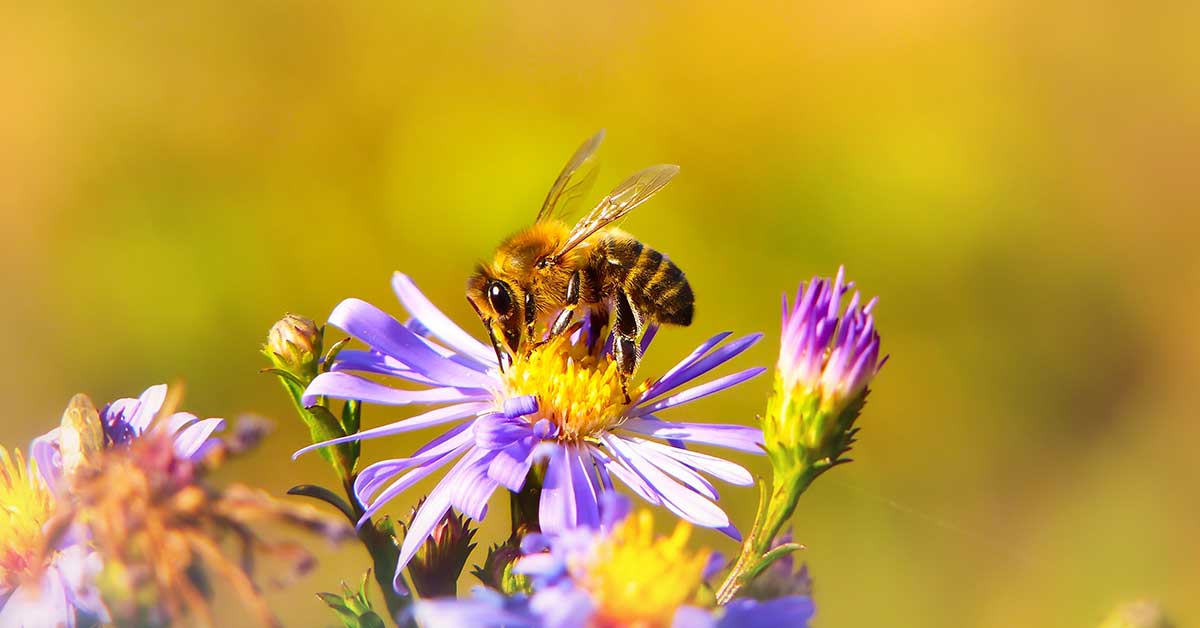

It breaks my heart when I spot a lone bee buzzing aimlessly around bare soil or a flutter of butterfly wings searching in vain for nectar! As gardeners, we pour our hearts into nurturing vibrant blooms, yet a few innocent-seeming missteps can unintentionally starve, displace, or even poison our precious pollinators. I know how frustrating it is to work so hard on your garden only to see fewer bees and butterflies each season.
In this article, I’ll share 10 all-too-common gardening mistakes—randomized in no particular order—that may be undermining the very wildlife you hope to support. For each, I’ll explain how it harms bees’ nesting habits or butterflies’ life cycles, offer tips to avoid the pitfalls, and help you create a truly pollinator-friendly haven. Let’s turn things around and make your garden a buzzing, fluttering paradise!
Removing Fall Debris Too Thoroughly

Tossing every last leaf, stem, and seed head into the compost or burn pile may look tidy, but you’ve just destroyed vital overwintering habitat for many solitary bees and butterflies. Leaf litter and hollow stems provide insulated tunnels where larvae pupate or adult bees snooze through chilly months—wipe that away, and you leave them homeless!
I once learned this the hard way after uncovering dozens of mason bee cocoons under a brush pile I’d cleared. Now I leave a corner of the garden undisturbed all winter, and come spring, I’m rewarded with an explosion of bee activity. It’s such a simple way to give back to these hardworking helpers!
Overusing Pesticides and Chemical Fertilizers
Spraying broad-spectrum insecticides or drenching soil with synthetic fertilizers might keep pests at bay and boost bloom size, but the chemicals don’t discriminate. Bees and butterflies ingest toxic residues on pollen and nectar—or absorb them through the soil—and suffer weakened immunity, impaired navigation, or outright mortality!
I know the urge to zap aphids with a quick aerosol, but every application risks wiping out entire hives or caterpillar broods. Instead, I scout plants regularly, introduce predatory insects, and use organic, pollinator-safe treatments only as a last resort. Trust me, your garden will thrive with a balanced ecosystem!
Planting Invasive Ornamentals

Those exotic blooms may dazzle, but many aren’t native to your region and provide little to no value for local pollinators. Even worse, invasive plants can spread relentlessly, outcompeting native wildflowers that butterflies and bees evolved to feed on and nest in!
I once fell in love with a non-native groundcover, only to watch it choke out goldenrod and milkweed—key food sources for migrating monarchs. Now, I prioritize truly native plants, ensuring every bloom I install serves as both food and habitat for our local winged friends.
Deadheading Every Single Blossom
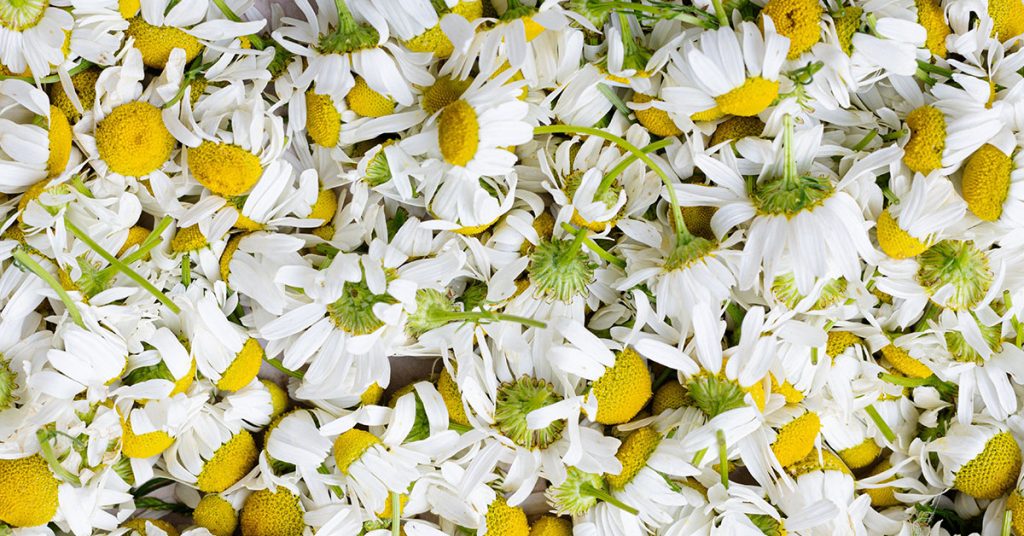
While deadheading can extend bloom time for many perennials, clipping off every spent flower removes crucial late-season nectar sources and seed pods that sustain butterflies preparing for migration and bees stocking up for winter. Overzealous grooming can leave a nectar desert!
To strike a balance, I selectively deadhead early bloomers but leave a portion of spent flowers on plants like coneflowers and asters. The dried seedheads feed goldfinches, and the remaining blooms keep pollinators coming back when few other flowers are available.
Excessive Lawn Care and Weed Removal
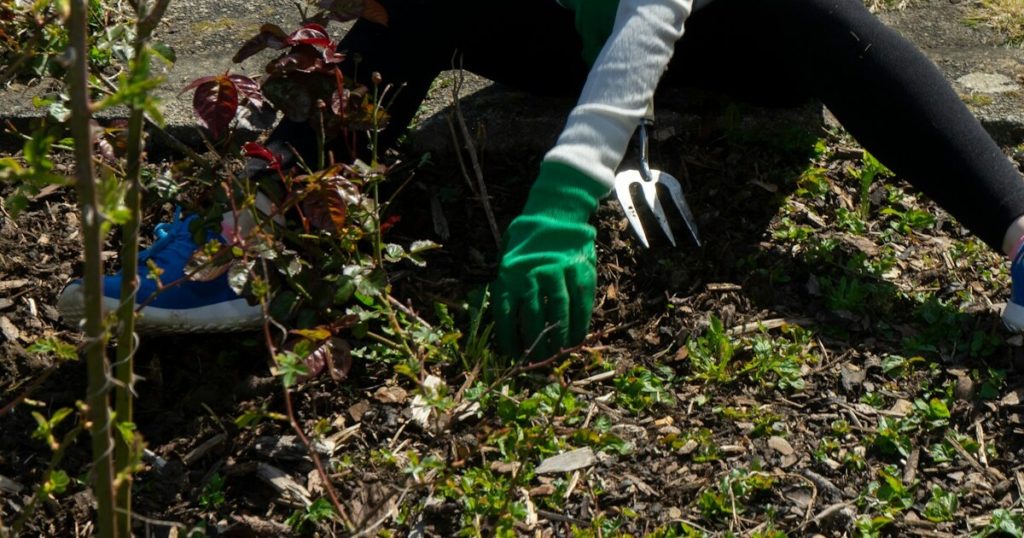
A pristine, weed-free lawn might please the eye, but it also eliminates clover, dandelions, and other “weeds” that are lifelines for emerging bees in spring. Grubs, lawn beetles, and other beetle larvae also serve as food for butterfly caterpillars—eradicating them can starve the next generation!
I’ve learned to tolerate small pockets of clover and dandelions, marking them as “perennial meadows” in my mind. When I mow, I raise the blade height to protect blooms and let a few wildflowers flourish—my garden never looked better, and the pollinator buzz is back in full force!
Compacting Soil With Heavy Traffic
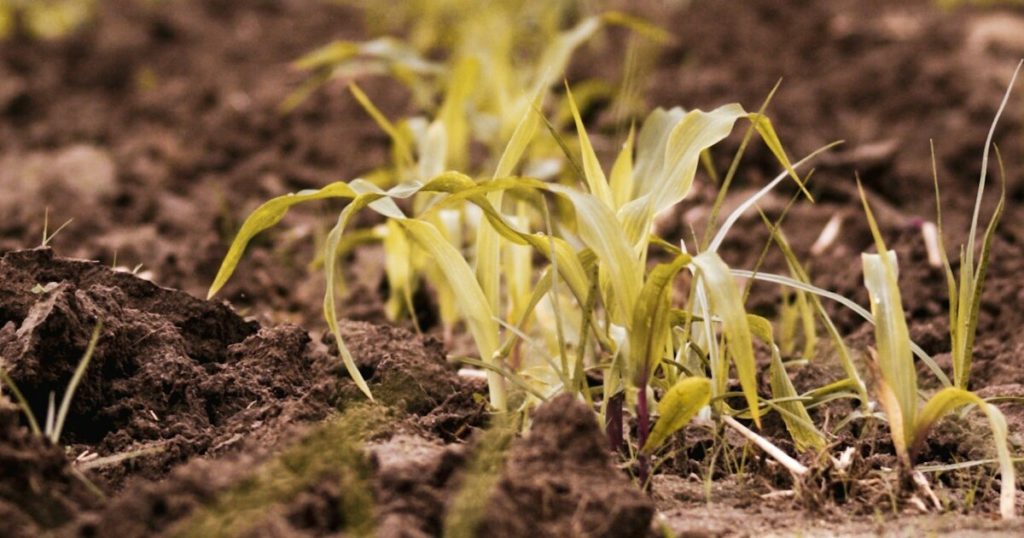
Treading the same path daily may save a step, but it squashes vital soil pores where ground-nesting bees excavate tunnels. Hard, compacted earth also hinders butterfly larvae that burrow shallowly to pupate in the crumbly topsoil. Crushing this habitat is a recipe for pollinator decline!
I now install stepping stones and designate firm walkways, keeping foot traffic off softer beds. Regularly aerating garden paths helps maintain loose, friable soil that invites nesting and pupation. The happy hum of bees weaving in and out tells me it’s worth the extra care!
Applying Too Much Mulch
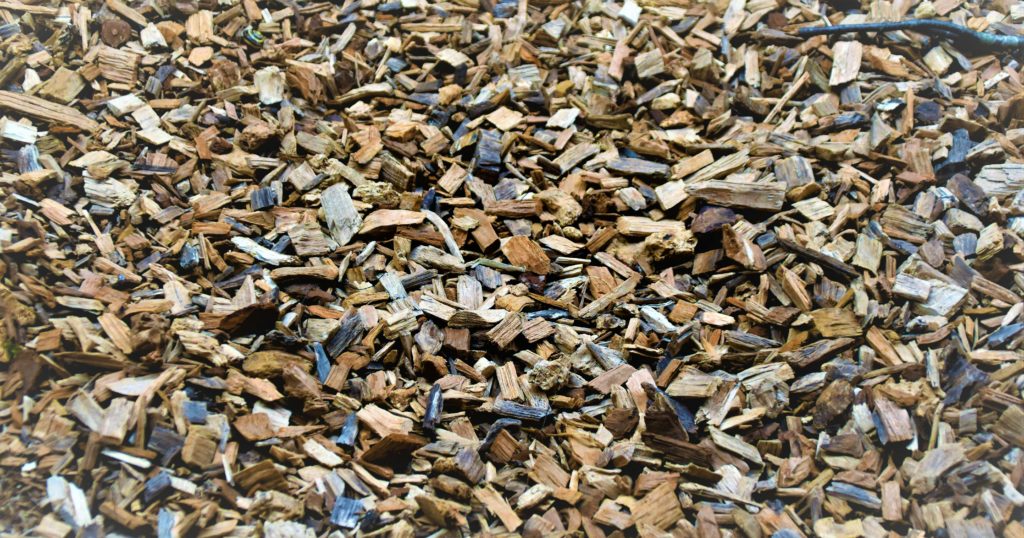
A thin layer of organic mulch suppresses weeds and retains moisture—but piles of it can smother low-growing wildflowers and ground-nesting bee burrows. Thick mulch acts like an impermeable blanket, preventing emerging bees and butterfly chrysalises from reaching daylight!
I aim for no more than a 1–2 inch layer of shredded bark or leaf mulch, carefully pulling it back from plant crowns and known bee nesting sites. This way, I keep weeds in check without sealing off the habitats I’m trying to support.
Mowing the Garden Too Frequently

Regularly mowing or pruning down flowering groundcovers and ornamental grasses interrupts the blooming cycle and leaves hungry pollinators with nowhere to feed. Early-season blooms are especially critical for overwintered bees seeking nectar to fuel spring nesting!
I’ve adjusted my maintenance schedule to mow less often—just once every few weeks—allowing plants like creeping thyme and prairie violets to flower fully. The result? A garden alive with foraging bees and fluttering butterflies every time I step outside!
Crowding Plants Too Tightly
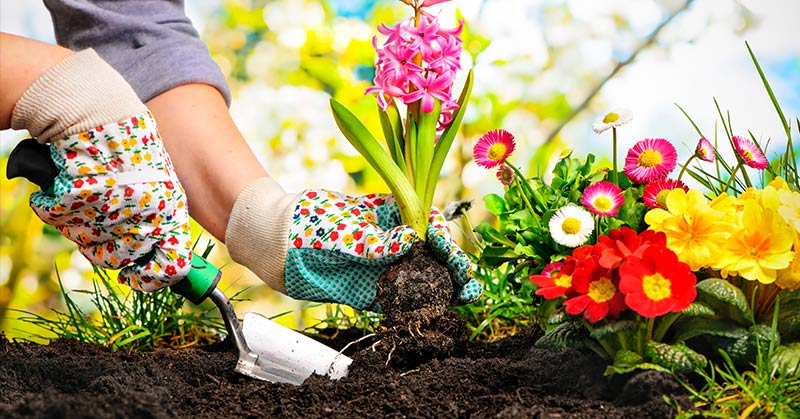
Overzealous spacing might prevent weeds, but when perennials are jammed together, butterflies struggle to maneuver between blooms, and bees can’t land safely. Dense masses also trap moisture, inviting fungal diseases that force you to prune and potentially expose pollinators to harmful sprays!
Instead, I give each plant breathing room—usually at least half of its mature canopy width. Wider spacing improves air circulation, reduces disease pressure, and creates clear pathways where bees can alight and butterflies can rest their delicate wings.
Failing to Provide Water and Shelter
A garden rich in flowers but devoid of shallow water sources or sheltered resting spots still starves pollinators. Bees need little mud puddles to “drink” and hydrate, and butterflies seek wind-protected nooks where they can perch and bask in the sun before foraging!
I’ve added a birdbath with pebbles for shallow wading, a small sand patch for mason bees, and a cluster of flat stones where butterflies can warm their wings. Watching red admirals and bumbles pause for a sip or a sunbath is one of my greatest gardening joys!