
There’s nothing quite as satisfying as watching a tiny cutting transform into a flourishing new plant! Propagation not only lets you multiply your favorites for free, but it also deepens your understanding of each species’ growth habits. Whether you’re rescuing a leggy stem, sharing greenery with a friend, or simply experimenting, easy-to-propagate houseplants make every gardener feel like a true plant whisperer. I know how disheartening it can be when a beloved plant slows down or seems to vanish—propagating offers a second chance and prevents loss!
In this article, we’ll explore 16 houseplants that practically beg to be multiplied. From water-root superstars to stem-cutting sensations, each section covers native origins, potential invasiveness outdoors, and the quirks that make propagation a breeze. You’ll learn to coax new life from leaf nodes, rhizomes, pups, and more—all presented in a friendly, gardener-to-gardener style. So grab your pruning shears, and let’s dive into these propagation powerhouses!
Spider Plant (Chlorophytum comosum)
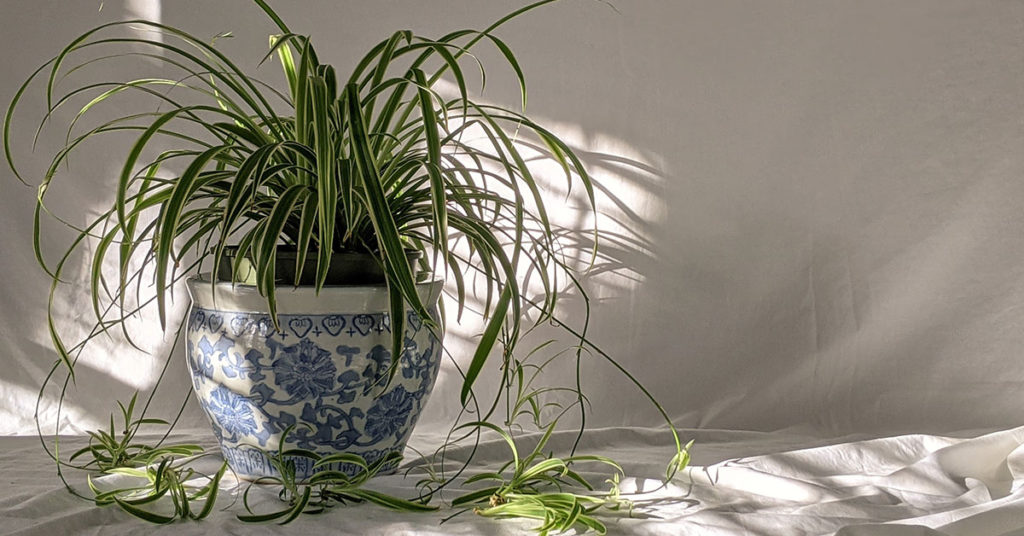
Spider Plants, native to tropical and southern Africa, are famous for their cascading spiderettes—little plantlets that dangle from long stems. These baby offshoots root effortlessly in a glass of water or directly in soil, letting you create instant new plants! In their wild habitat, Spider Plants spread via creeping rhizomes, forming dense mats, but indoors you control their spread by snipping off spiderettes and popping them into pots.
Beyond propagation ease, these plants attract beneficial microfauna like springtails, which feed on decomposing matter in the soil—an ecosystem service in miniature! Spider Plants prefer bright, indirect light and regular moisture; if you spot brown tips, I know it’s tempting to panic, but simply trimming and adjusting humidity usually revives them in no time.
Pothos (Epipremnum aureum)
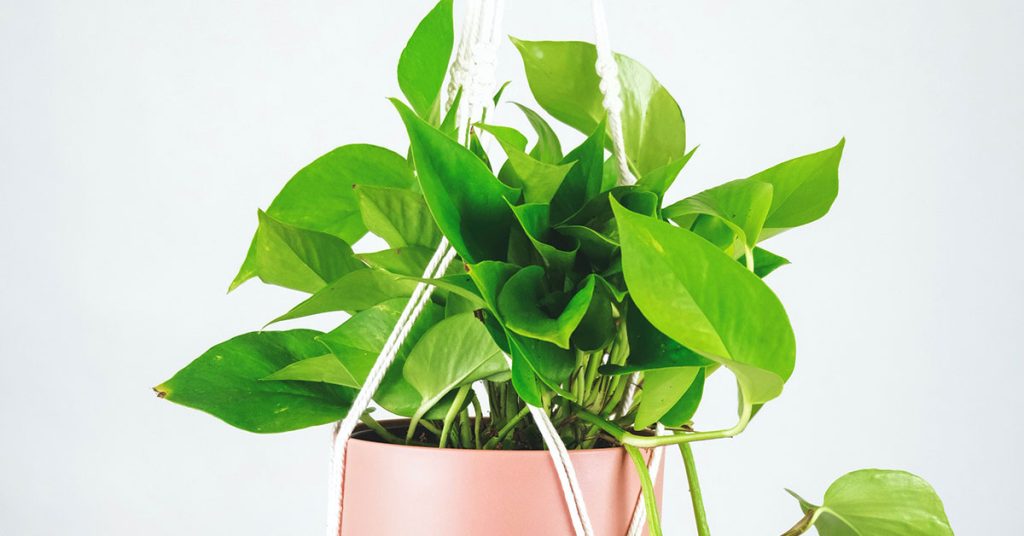
One of the most resilient vines around, Pothos hails from the Solomon Islands and has naturalized as an invasive groundcover in many tropical locales. Indoors, it thrives in low to bright indirect light and roots readily from stem cuttings—just snip below a node, pop it into water, and watch roots sprout within days! This prolific behavior makes Pothos ideal for trailing baskets or training up a moss pole.
I still remember the joy of rescuing a leggy vine and watching new leaves unfurl after submerging the cutting—the process feels almost magical! Though pothos can crowd out native plants if planted outdoors in frost-free climates, inside your home its growth is easy to manage with routine pruning and propagation.
Chinese Money Plant (Pilea peperomioides)

Native to the Yunnan province of China, the charming Pilea gives rise to dozens of pups at its soil line—perfect for sharing. These little plantlets emerge naturally, and with a gentle tug or a clean cut, you can replant them in fresh substrate where they root quickly. It’s such a confidence boost when your first pup breaks free and thrives as a separate plant!
Pilea isn’t known to be invasive, even if you tucked it outdoors in mild climates. Its half-moon leaves attract hummingbirds and pollinators if you let it bloom, though primarily we enjoy its architectural foliage indoors. I empathize with anyone who’s struggled with finicky seedlings—Pilea is a forgiving friend, forgiving gaps in watering or light fluctuations with surprising resilience.
ZZ Plant (Zamioculcas zamiifolia)
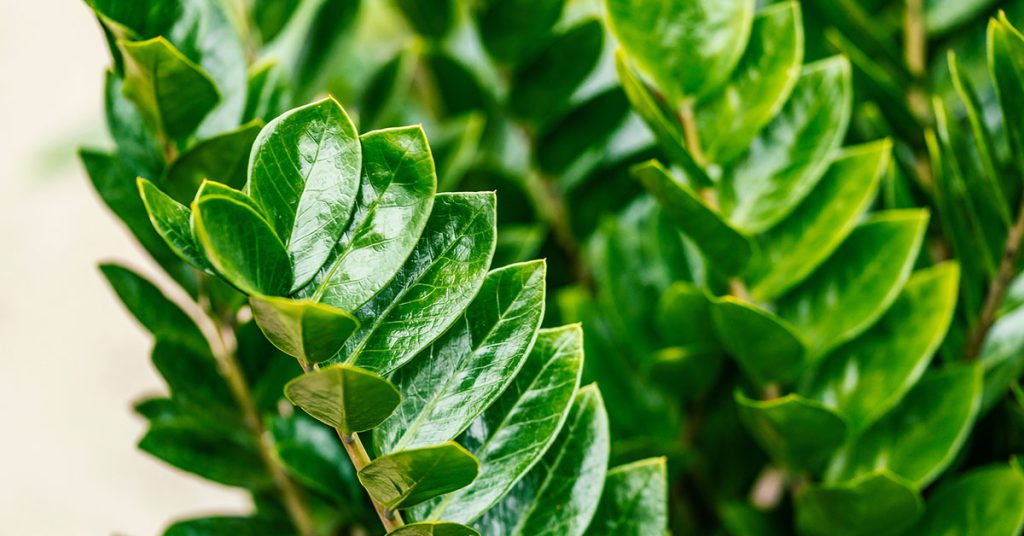
The ZZ Plant comes from East Africa’s dry plains, storing water in thick underground rhizomes—making it near-indestructible. Propagating via leaf or stem cuttings in water or soil is straightforward: simply snip a healthy leaf or stem and lay it on well-draining mix, and new shoots will eventually emerge from the rhizome. Patience is required, but the payoff is worth it!
While not invasive outdoors in most regions, its hardy nature means it can colonize if left untended in tropical climates. I’ve found that ZZ cuttings thrive under bright, indirect light but also tolerate shadier spots—ideal for busy plant parents who may forget a watering or two!
Tradescantia (Wandering Jew)

With varieties native to Central and South America, Tradescantia plants send out trailing stems that root at each leaf node. A single stem cutting makes for multiple new pots—just trim, snip between nodes, and insert into damp potting mix or water. In warm outdoors, Tradescantia can become invasive, forming carpets of color, but inside it’s a joyful splash of purple, green, or silver.
One of my favorite moments is placing fresh cuttings on a windowsill and watching roots curl out in hours—impatient gardeners, rejoice! Their rapid growth also attracts tiny beneficial insects like predatory mites, which help keep any unwanted pests in check.
Heartleaf Philodendron (Philodendron hederaceum)
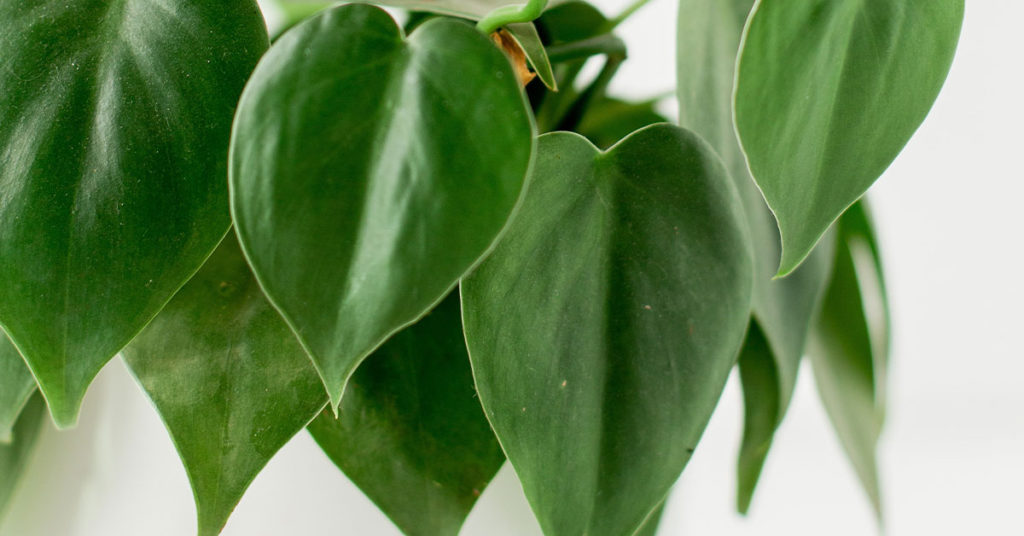
Heartleaf Philodendron, native to the Caribbean and Central America, is a classic vining plant that propagates easily from stem cuttings. Simply cut just below a node, submerge the cutting in water, and roots form within a week or two. Once rooted, transfer to soil for vigorous growth—soon your cutting will be trailing and twining again!
Although capable of spreading in tropical climates, indoors it’s well-behaved. These plants prefer medium to bright indirect light; I know how dispiriting it can be when a cutting languishes, but keeping water fresh and the temperature steady usually gets things moving again.
African Violet (Saintpaulia)

African Violets hail from the cloud forests of Tanzania and Kenya—and they love leaf-cutting propagation! A single healthy leaf, trimmed at the petiole, can be placed in water or a mix of perlite and peat to coax new plantlets at its base. It feels incredibly rewarding to see those fuzzy, rosette-shaped babies pop up from a single leaf!
While not invasive, African Violets attract beneficial springtails in potting mix, which help break down organic matter. They thrive in bright, indirect light and consistent humidity—if yours struggle, I understand the frustration, but moving them to a warm windowsill with gentle indirect rays usually sparks their growth.
Snake Plant (Sansevieria trifasciata)
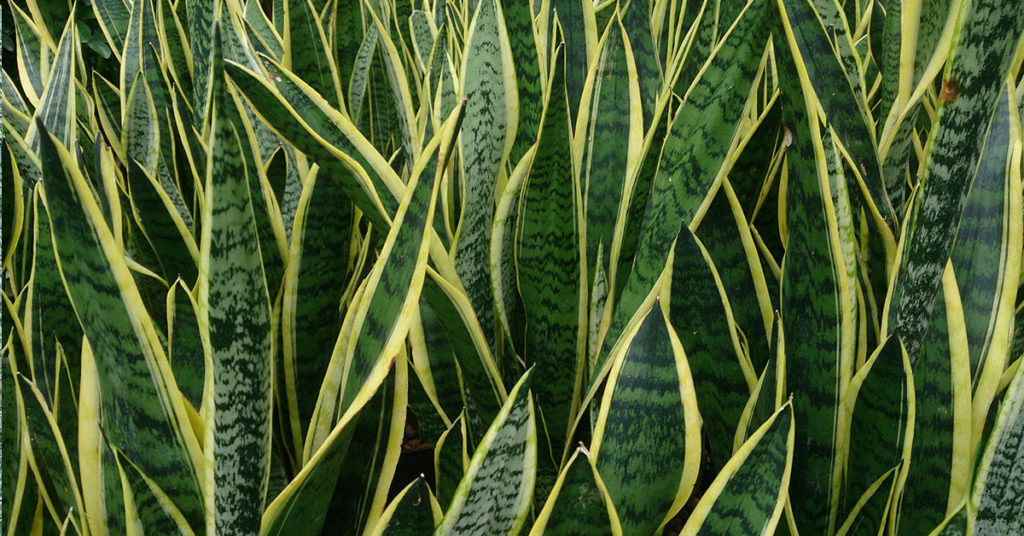
Originally from West Africa, Snake Plants multiply via rhizome division or leaf sections. Cutting a leaf into segments, letting the cut ends callous, and planting upright in soil yields new rosettes along the buried rhizome. It’s thrilling when each segment transforms into a plump, upright new shoot!
Snake Plants aren’t invasive in temperate climates but can spread aggressively in their native tropics. Indoors, they flourish on neglect—light watering and bright to moderate light suffice. I’ve lost count of how many times I’ve rescued a sad, drooping leaf only to see it give rise to a brand-new plant!
Jade Plant (Crassula ovata)
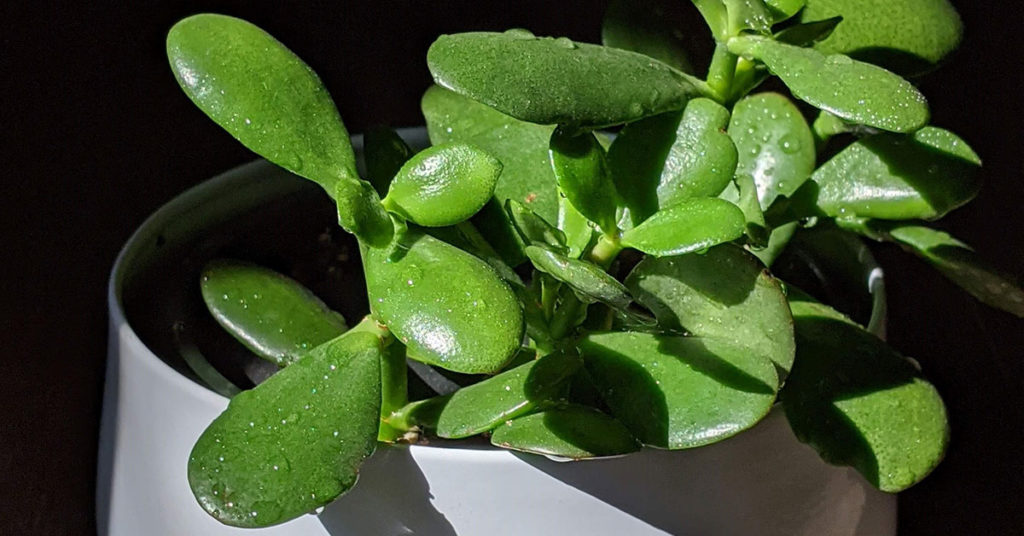
Native to South Africa and Mozambique, Jade Plants produce abundant pups at stem nodes and easily root from leaf cuttings. Gently twist off a healthy leaf or snip a tip cutting, let it callous for a day, and place on well-draining soil—roots and tiny rosettes follow soon after! Watching a single leaf grow into a miniature tree is nothing short of enchanting.
Outdoors, Jades aren’t a major invasive threat beyond xeriscaping zones, but indoors their propagation is so simple that you’ll have enough to share at every garden swap! I empathize with anyone who’s killed succulents before—Jades practically reanimate themselves with minimal effort.
Aloe Vera (Aloe barbadensis miller)
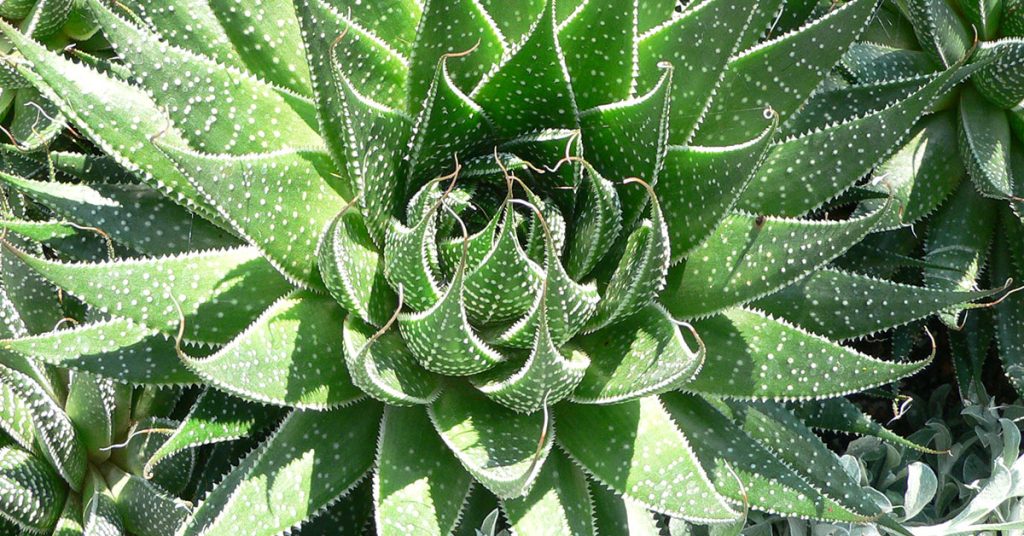
Aloe Vera, native to the Arabian Peninsula and naturalized in many arid regions, sends up pups from its base that you can separate and replant. Gently tease apart the offsets, let the wounds callous, and pot into fast-draining mix. It’s such a thrill to nurse a tiny pup into a vigorous aloe full of plump, healing leaves!
In frost-free climates, Aloe can spread outdoors but remains manageable. I love snipping an offset to start a fresh pot; it’s a reminder that even in drought-prone gardens, life finds a way to multiply.
English Ivy (Hedera helix)

English Ivy’s origins span Europe and Western Asia, and its stems root readily at nodes. Take a cutting with several leaves, bury the bottom node in moist soil or water, and watch new roots form. In some regions, Hedera helix is invasive outdoors, forming thick groundcover, but indoors it trails gracefully without overwhelming your space.
Rooting Ivy cuttings feels almost foolproof—it’s forgiving of variable light and watering. I’m empathetic to anyone nervous about propagation; Ivy’s reliability can rebuild your confidence after less-successful attempts with more temperamental plants.
Monstera deliciosa

Hailing from tropical Central America, Monstera deliciosa produces aerial roots that cling to trees in the wild—and you can leverage these for propagation. A cutting just below a node, complete with aerial roots, placed in water or soil often roots within weeks. It’s absolutely thrilling when that first new leaf sports its iconic splits!
While outdoor invasiveness is limited to warm, humid climates, indoor Monsteras behave beautifully. I remember the pride of turning a single cutting into a wall-climbing beauty that dwarfed its original pot—proof that patience and the right technique pay off!
Rex Begonia (Begonia rex cultivars)
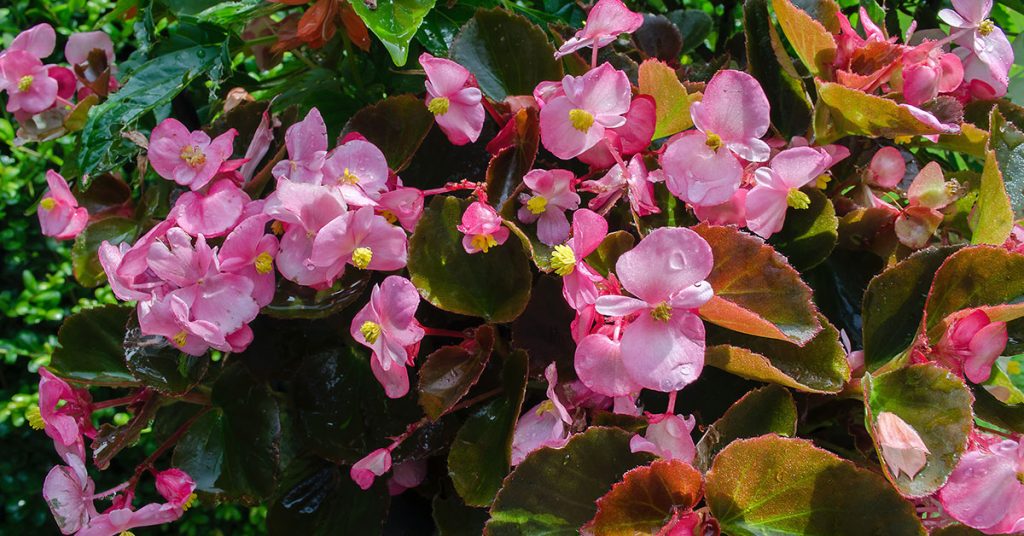
The colorful Rex Begonias, native to Asia, propagate easily from leaf cuttings. By splitting a leaf into sections or sandwiching an intact leaf atop soil, you’ll spot baby rhizomes or plantlets forming at leaf veins. It’s so satisfying to see new patterns emerge in miniature form!
These begonias aren’t invasive outdoors but do attract beneficial soil microbes that assist in leaf decomposition and nutrient cycling. If you’ve ever despaired over temperamental begonias, start with a leaf—a single healthy one can yield half a dozen new plants!
Christmas Cactus (Schlumbergera bridgesii)

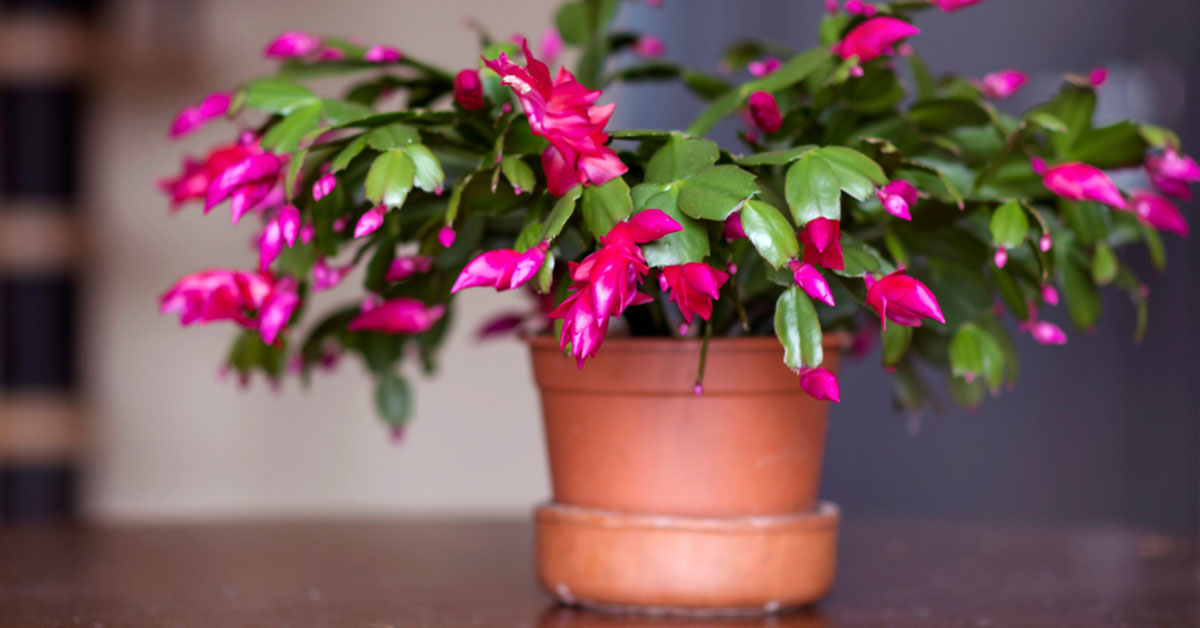
Native to Brazil’s coastal mountains, Christmas Cactus sends out segmented stems that root effortlessly. Snip off a segment or two, let the cut end callous, then place it atop moist potting mix—roots emerge rapidly, and soon you’ll have a full new plant! It’s especially rewarding to propagate in late summer so your new cactus blooms by the holidays.
Outdoors, Schlumbergera isn’t particularly invasive, but its resilience indoors is remarkable. I empathize with anyone nervous about cacti—these gifted propagators thrive on just a bit of attention and bring dazzling winter flowers to your home.
Prayer Plant (Maranta leuconeura)
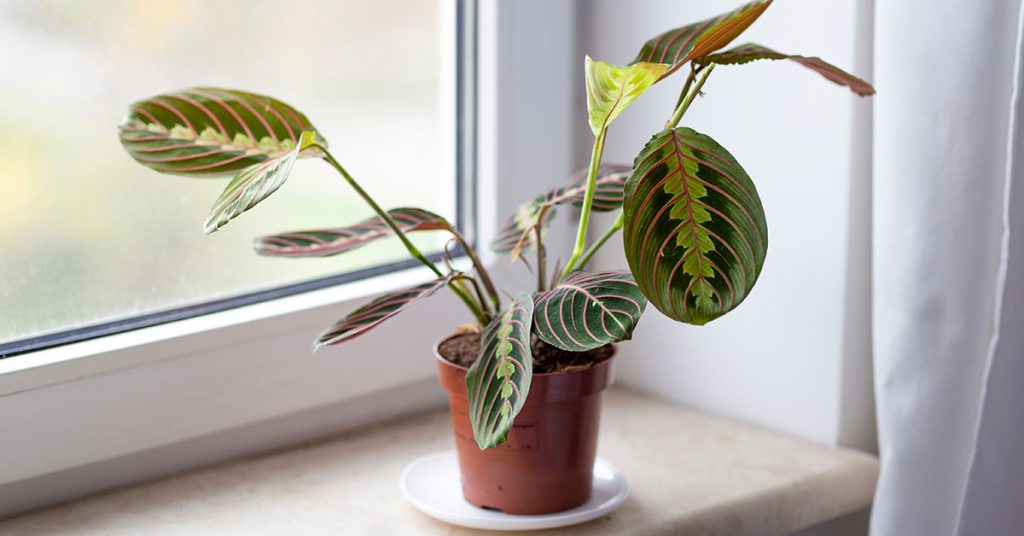
The Prayer Plant, native to Brazil’s rainforest floor, forms clumps that you can divide when repotting. Gently tease apart rhizome clusters, ensuring each division has roots and foliage, and plant in fresh, moist soil. Divisions take root quickly, and you’ll watch their leaves fold in evening—a gentle nightly ritual!
Not invasive outdoors, Marantas attract small beneficial insects like springtails, which help maintain healthy soil. If your Prayer Plant has sulked in the past, dividing and refreshing its soil often sparks renewed vigor—so give it a try before declaring defeat!
Rubber Plant (Ficus elastica)
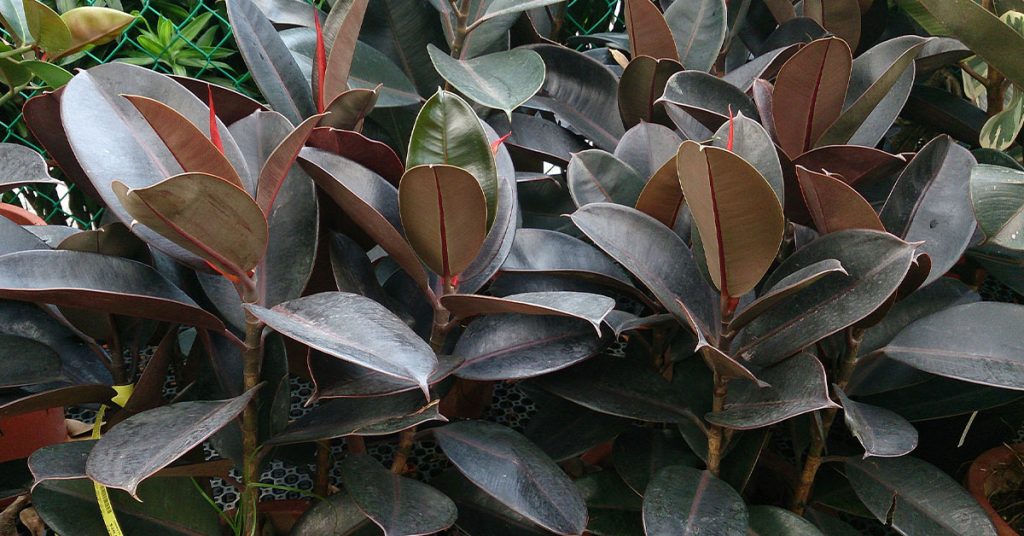
The Rubber Plant, from tropical Asia, propagates well via stem cuttings. Snip a length of stem with a couple of leaves, briefly dip in rooting hormone if you like, and place in water or moist soil. Within weeks, roots appear at the node, giving rise to a brand-new little tree!
Outdoors in frost-free areas, Ficus elastica can spread via suckers, but indoors its growth is pleasantly contained. I love creating new Rubber Plants for friends—each one carries the story of its parent, and watching them thrive side by side never gets old!