

No-till gardening might sound like skipping a crucial step, but trust me—it’s one of the best decisions I’ve made in my garden! By leaving soil undisturbed and layering organic matter on top, you let nature’s own processes do the heavy lifting. Instead of turning the earth with a spade every spring, you simply add compost, mulch, or cover crops and watch microbial communities flourish. It’s such a shift from the back-breaking work of traditional tilling, and the rewards are nothing short of magical.
I know how frustrating it can be to wrestle with hardened clods and stubborn weeds each season. You plant seeds, only to have them struggle in compacted soil or get overtaken by grass and volunteer plants. Switching to no-till felt like letting my garden breathe again—and I’m excited to share 11 compelling reasons why you might want to give it a try this year!
Suppresses Weed Growth Naturally
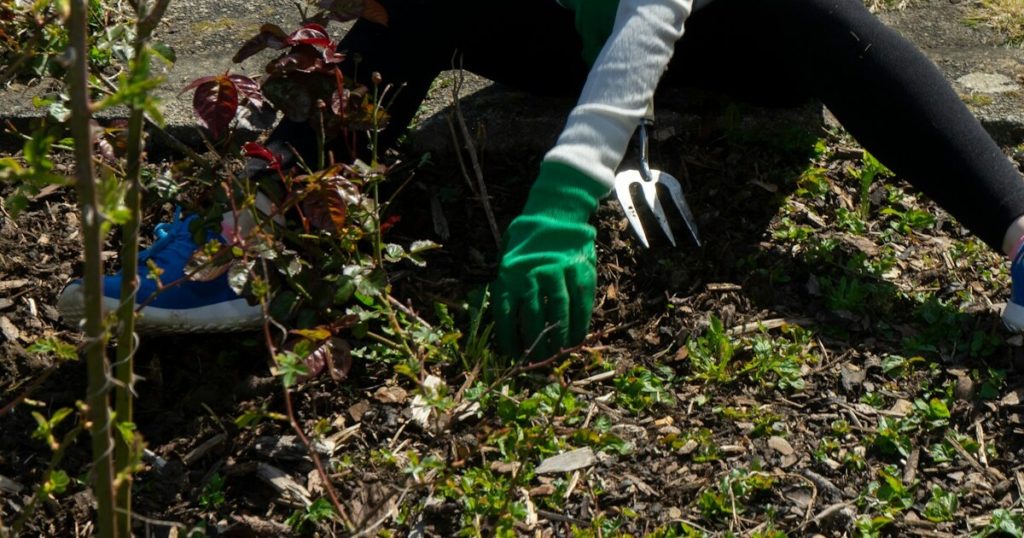
One of the most immediate perks of no-till gardening is watching weeds struggle to pop up. When you till, buried weed seeds get churned to the surface where they germinate in sunlight. By contrast, a generous layer of mulch or compost on unturned soil acts like a blanket, blocking those seeds from sprouting—and keeps existing weed seedlings from breaking through. I’ve found that after one season of no-till, my weekly weeding sessions dwindled dramatically!
Beyond the barrier effect, no-till encourages the growth of cover crops like rye or clover, which outcompete weeds for light and nutrients. These living green mulches root deeply without disturbing the soil, further shading out unwanted plants. It’s such a relief not to feel like I’m in a constant battle against dandelions and bindweed!
Cuts Down on Garden Costs

Tilling equipment, fuel, and even extra fertilizers to compensate for nutrient losses add up quickly. With no-till, I reclaimed those expenses: my garden operates on a foundation of on-site compost, wood chips, and green manures rather than store-bought amendments. Over time, this DIY approach has saved me hundreds of dollars each season—and let me invest in heirloom seeds instead!
In addition, the reduction in water usage (more on that soon) trims my utility bills, and the healthier soil cuts down on pest and disease treatments. I genuinely can’t believe how much money I kept in my pocket by simply changing how I prepare my beds each spring. Talk about gardening on a budget!
Saves Time and Labor

Remember those grueling weekends spent turning over every bed, breaking clods, and raking smooth? No-till gardening has transformed that multi-day slog into a breezy afternoon of mulch spreading! Instead of back-breaking labor, I now focus on topping beds with compost and leaf mold—tasks that are infinitely easier on my back and wrists.
Even planting goes faster: I slide a hori-hori knife through the mulch layer, drop in seeds or transplants, and pat everything down. It feels almost too good to be true when compared to the old routine of digging trenches and leveling soil. I still can’t get over the time I save, which I now spend wandering through my flourishing rows rather than hunched over the spade.
Reduces Soil Erosion
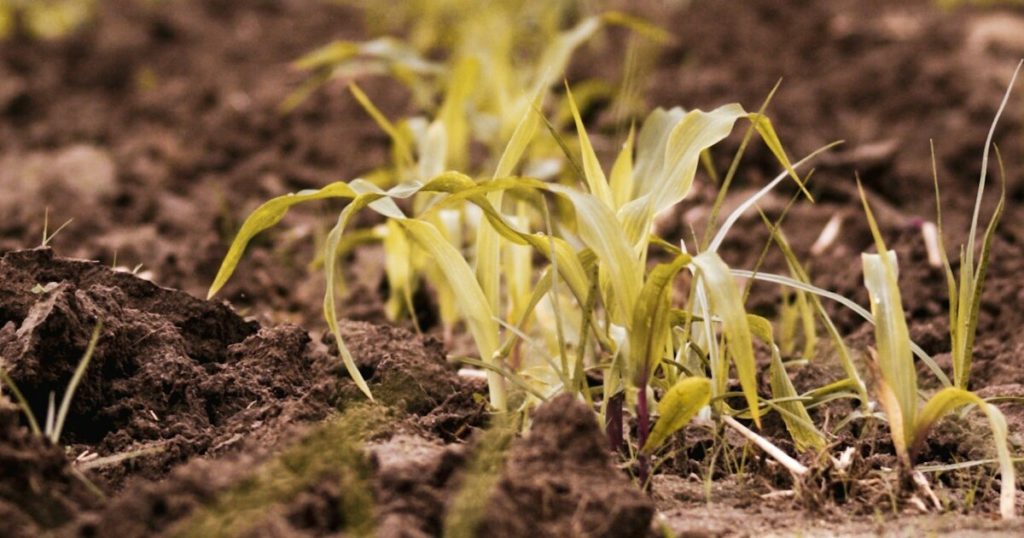
When you till, rain and wind can carry precious topsoil away, leaving beds shallow and unproductive. No-till practices keep a protective mulch layer in place, shielding the earth from erosion forces. After a heavy spring shower last year, I marveled at how my no-till beds held firm, with soil exactly where I’d left it!
This stability also benefits nearby waterways: you’ll see less sediment runoff and reduced nutrient leaching into streams. For those of us who care about our local ecosystem, that’s a major win. Watching earthworms tunnel through intact soil reminded me why undisturbed soil structure is so vital.
Promotes Nutrient Cycling
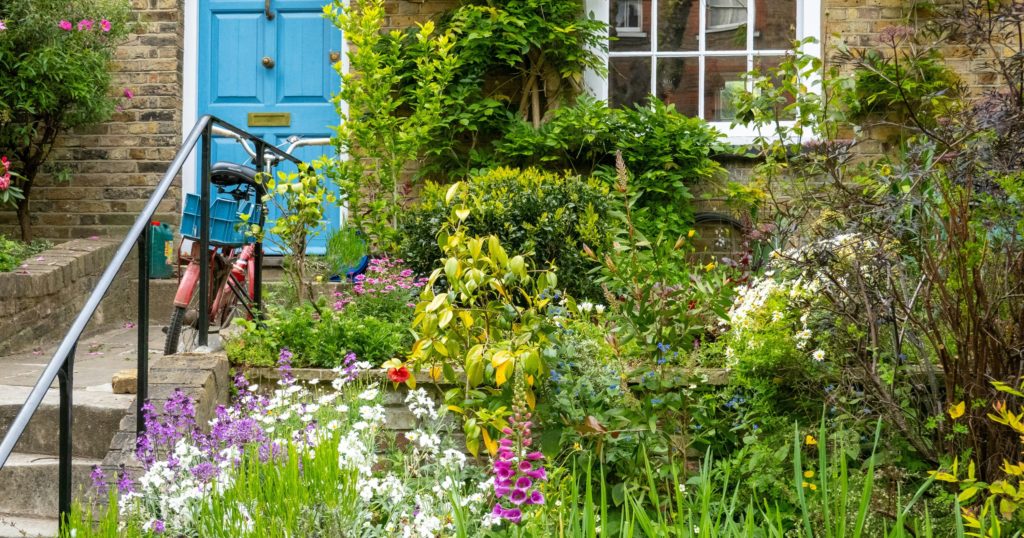
No-till gardening embraces the natural cycle of organic matter—leaves, stems, and roots decompose right where they fall, releasing nutrients gradually. Rather than burying and then exposing organic residues through tilling, these materials feed soil life continuously. I love knowing that every bit of fallen leaf or spent crop feeds the next round of plants!
This ongoing decomposition fosters a steady supply of nitrogen, phosphorus, and potassium, reducing the need for synthetic fertilizers. I’ve noticed my tomatoes and kale ripening more evenly, thanks to that consistent nutrient release. It’s like having a built-in slow-release fertilizer system in my beds.
Boosts Soil Health and Microbial Life

Have you ever excavated a tilled bed and found it lifeless beneath the surface? No-till beds overflow with earthworms, springtails, bacteria, and fungi—the true workhorses of healthy soil. By not disturbing their habitat, you allow these organisms to form complex networks that improve aeration, nutrient exchange, and disease suppression.
I still grin when I spot earthworm castings scattered on the surface—a sign that underground engineers are at work. Their tunnels create pathways for roots and water, making plants more resilient to dry spells and compaction. It’s like turning on a hidden engine that powers your garden!
Fosters Biodiversity

No-till gardening creates a more inviting environment for beneficial insects and ground-dwelling creatures. Predatory beetles, spiders, and even pollinators find refuge among the mulch and cover crops, helping to keep pests in check naturally. I remember the first season I spotted ladybugs cruising through my beds—an absolute thrill that I rarely experienced in my old, bare-soil plots!
Even birds benefit: they forage mulch layers for insect larvae, playing their part in integrated pest management. Encouraging this biodiversity feels like hosting a garden party for all the right guests—a lively ecosystem that looks after itself.
Improves Carbon Sequestration

By leaving soil intact and covering it with organic matter, no-till gardens lock more carbon underground. Tilling exposes stored carbon to the air, where it oxidizes into CO₂, contributing to greenhouse gas emissions. No-till, on the other hand, builds soil organic carbon over time—turning your plot into a small carbon sink!
I take pride knowing my garden is part of a climate solution, even if it’s in a modest way. Every forkful of dark, crumbly soil is a testament to carbon locked in by generations of plant roots and microbial activity. It’s gardening with a conscience!
Conserves Soil Moisture

Under summer sun, bare soil can bake dry within days. My no-till beds, though, sip water slowly thanks to that insulating mulch layer. Rain and irrigation stay put longer, and evaporation is drastically reduced. Last July, when temperatures spiked, my beds retained moisture for nearly twice as long compared to tilled plots!
That extra moisture cushion means fewer waterings—and healthier plants. I’ve rescued more than one tomato from heat stress simply by relying on my no-till regimen. It’s such a relief to see vibrant growth even during droughty spells.
Preserves Soil Structure
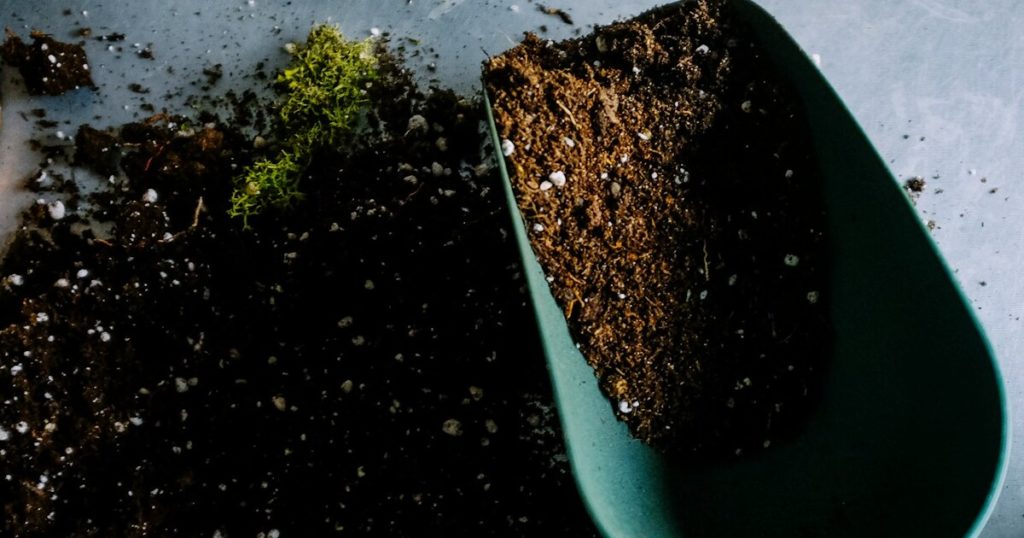
Tillage breaks up the natural aggregates in soil, disrupting pore spaces and leading to compaction over time. No-till allows those aggregates to form undisturbed, creating a spongy matrix that promotes root penetration and gas exchange. Watching seedlings send taproots straight down into soft, airy soil is immensely satisfying!
Over the years, I’ve noticed fewer symptoms of compaction—no more “hardpan” layers that stunt root development. My carrots now grow long and straight, and leafy greens send roots deep instead of fanning out near the surface. It’s proof that preserving soil structure pays dividends in plant health and yield.
Enhances Drought Resilience
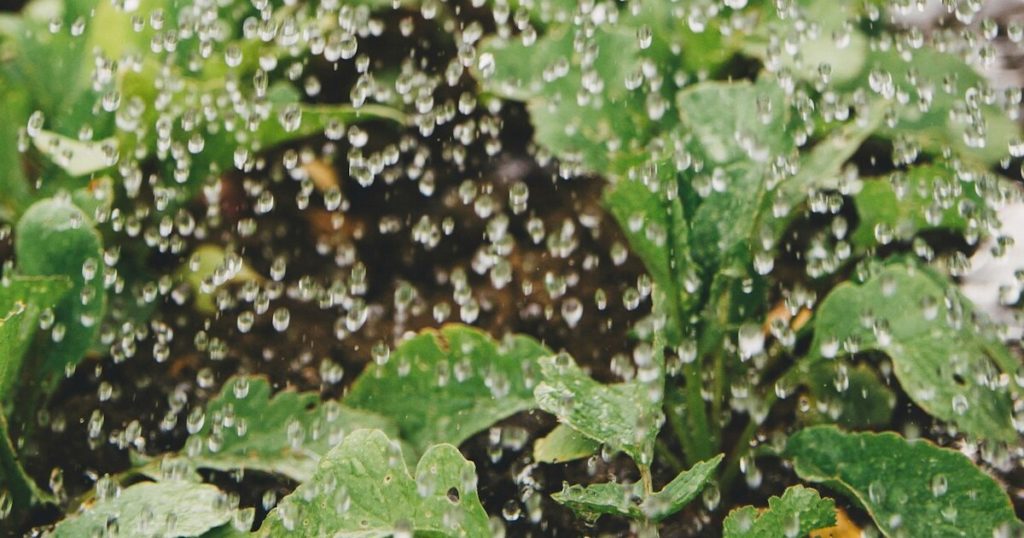
Combining improved moisture retention, strong soil structure, and robust microbial networks, no-till gardens show remarkable resilience in dry conditions. Plants can tap into deeper moisture reserves and benefit from microbe-mediated drought tolerance. I still recall the summer when my no-till squash continued fruiting even as neighbors’ plants wilted!
This built-in resilience means fewer interventions—no frantic watering or crop losses when rain skips town. For gardeners facing unpredictable weather patterns, no-till offers peace of mind and a thriving harvest, come rain or shine.