

Starting a superfood garden is one of the most rewarding projects for any beginner gardener—imagine stepping outside to snip fresh greens and berries brimming with vitamins, antioxidants, and flavor! I know how daunting it can feel when you’re new to gardening and worried about pests or soil issues, but these thirteen superfoods are surprisingly resilient and forgiving. With a bit of guidance, you’ll be harvesting nutrient‑dense produce right from your own backyard (or even a sunny balcony) in no time.
In this article, I’m thrilled to share easy‑to‑grow superfoods that thrive with minimal fuss. For each plant, you’ll learn about its native origins, whether it tends to wander beyond its plot, and the delightful wildlife interactions you might observe—whether that’s bees dancing among brassica blooms or birds nesting in berry brambles. Let’s dive into these beginner‑friendly powerhouses and get your garden off to a strong start!
Kale (Brassica oleracea var. sabellica)
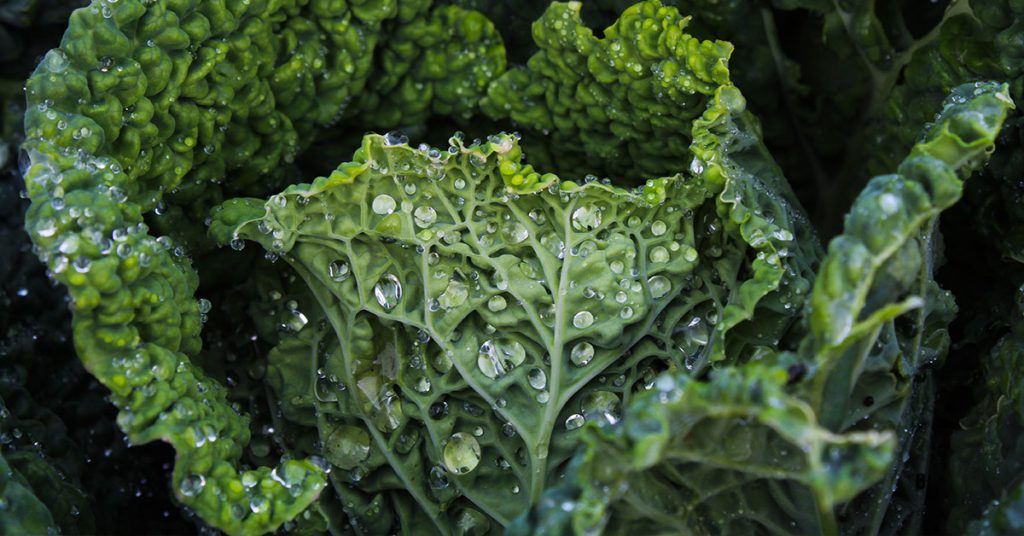
Kale’s frilly, dark green leaves are packed with vitamins A, C, and K, making it a nutritional superstar in smoothies and salads alike. One of my favorite things about kale is its cold tolerance—plant early in spring or late summer for a fall harvest that actually sweetens with a touch of frost! It grows in full sun to part shade, and its lush foliage creates small pockets of shade that ground‑dwelling insects, like hoverfly larvae and ladybugs, use as shelter.
Originating in the eastern Mediterranean, kale isn’t considered invasive in most gardens and rarely self‑seeds aggressively. Its broad leaves are a feast for pollinators when it bolts—late‑season yellow flowers attract bees and butterflies, transforming your patch into a buzzing haven. Regular harvesting of outer leaves encourages new growth and helps prevent overcrowding, keeping pests at bay and ensuring a steady stream of superfood greens.
Garlic (Allium sativum)
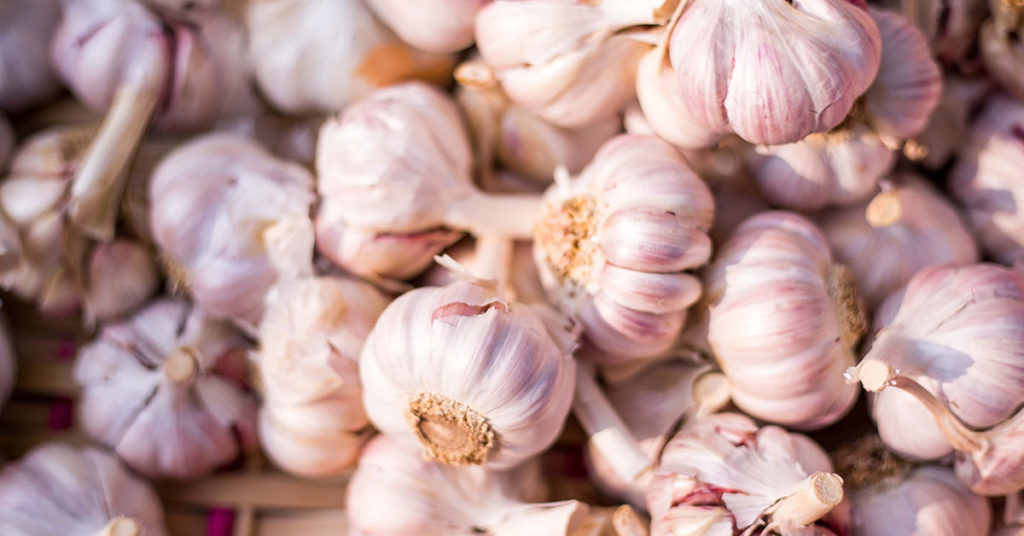
Garlic couldn’t be easier for beginners—simply plant individual cloves in loose, well‑drained soil in autumn, pointy end up, and let winter’s chill do the rest. By spring, you’ll see feathery green tops that you can even use as garlicky scapes in stir‑fries! Come early summer, bulbs mature beneath the soil, offering a long‑lasting pantry staple that repels many garden pests.
Native to central Asia, garlic doesn’t escape cultivation or pose any invasive risk, but its strong scent deters rodents and some insect pests. In late summer, the umbrella‑shaped flower stalks (if allowed to bloom) attract solitary bees and small hoverflies seeking nectar, adding an unexpected wildlife bonus. Harvest when the lower leaves begin to brown, then cure bulbs in a warm, airy spot for storage that lasts months!
Tomatoes (Solanum lycopersicum)

Tomatoes are bursting with lycopene and flavor, and growing them from seedlings or seed is surprisingly straightforward for newcomers. Choose determinate (bush) varieties for containers or indeterminate types for garden beds that you can trellis or stake. With consistent watering at the base and full sun, you’ll be rewarded with clusters of fruits that transform from green to vibrant red, yellow, or even purple!
Hailing from western South America, tomatoes rarely naturalize beyond cultivation in temperate regions. Their yellow five‑petaled flowers attract a host of pollinators—native solitary bees often nest in bare soil nearby, flying in and out of blossoms. Pruning side shoots and removing bottom leaves improves air circulation, reducing the frustration of fungal issues and keeping your superfood plants healthy.
Turmeric (Curcuma longa)
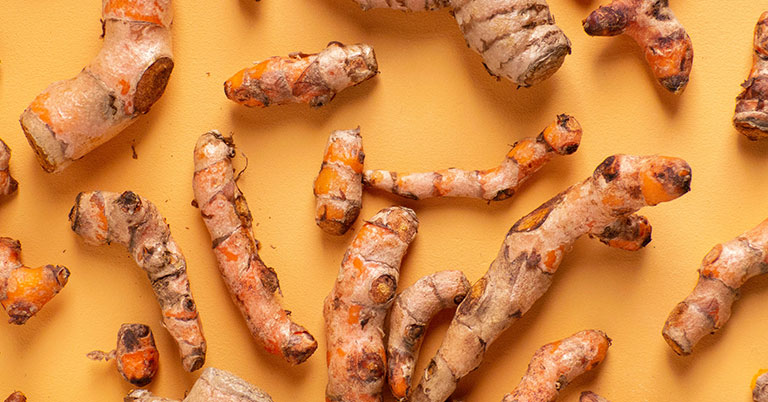
Turmeric’s bright orange rhizomes are renowned for anti‑inflammatory properties and add golden color to curries and lattes. Plant fresh pieces of rhizome in warm, moist soil after the last frost, keeping the bed enriched with compost and shaded from harsh midday sun. In about 8–10 months, you’ll unearth aromatic roots ready to slice, dry, or grind into vibrant powder!
Native to South Asia, turmeric doesn’t spread invasively in cooler climates, but its broad leaves create perfect hiding spots for ground beetles and springtails, which help decompose organic matter. Maintaining consistent moisture mimics its tropical origins and prevents leaf scorch, while occasional feeding with a balanced organic fertilizer boosts yield. Watching new shoots emerge each spring is like greeting an old friend—such a thrill for any beginner grower!
Swiss Chard (Beta vulgaris subsp. vulgaris)
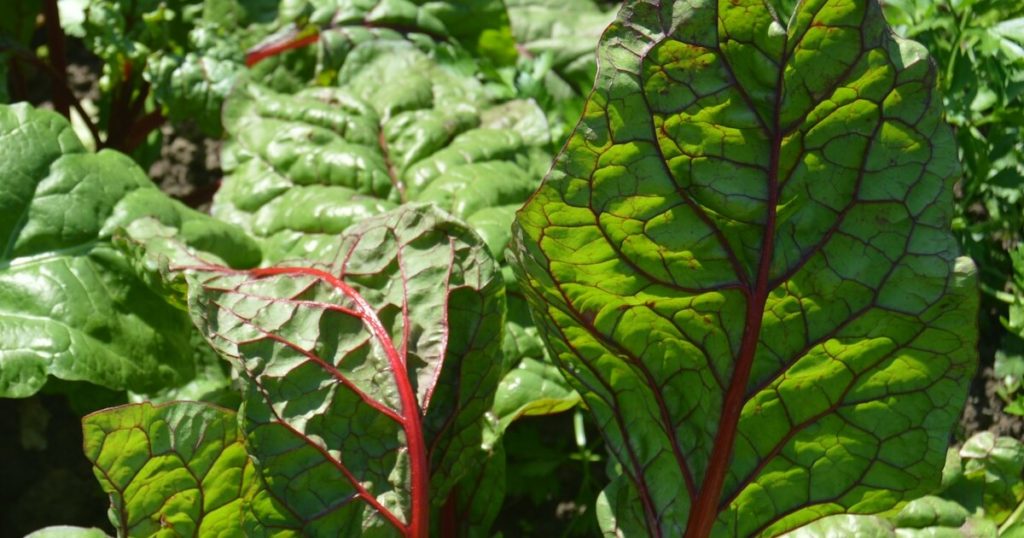
Swiss chard dazzles with rainbow‑colored stems and dark, crinkled leaves teeming with vitamins A and K. Sow seeds in spring or late summer, thin seedlings to 8‑inch spacing, and enjoy a cut‑and‑come‑again harvest that tolerates light frost. It’s one of my go‑to greens when pests nibble more delicate lettuces—chard’s sturdy leaves shrug off minor insect damage with ease!
Originating in the Mediterranean region, chard rarely escapes cultivation but will self‑seed if allowed to bolt and flower. Those umbrella‑like seed stalks are mini‑wildlife staging posts: bees and hoverflies sip nectar while ladybugs patrol for aphids. Removing flower stalks after the main crop harvest keeps the bed tidy and directs energy back into lush foliage—perfect for sustained superfood harvests.
Strawberries (Fragaria × ananassa)
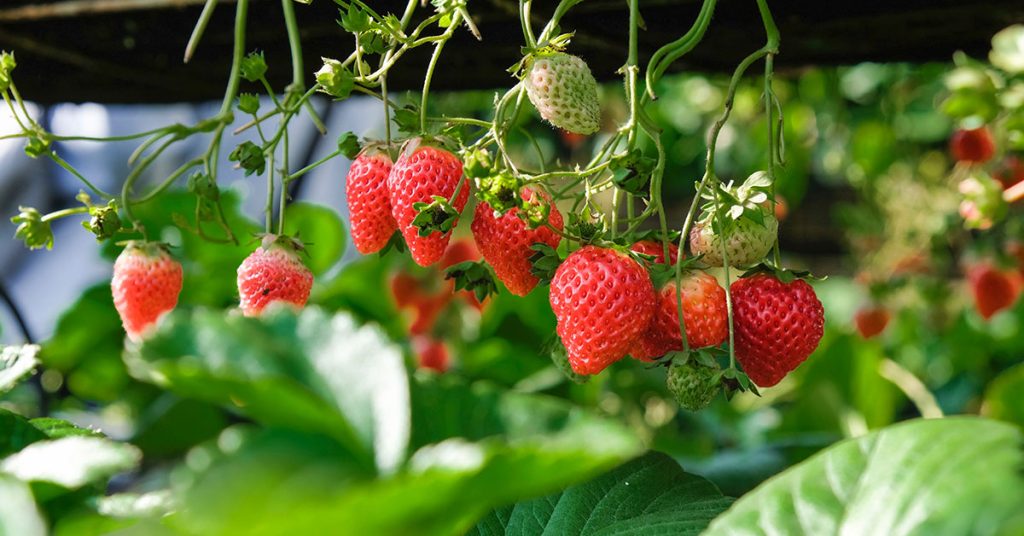
Homegrown strawberries don’t just taste sweeter—they’re packed with vitamin C and antioxidants. Plant bare‑root crowns in spring or set out potted starts in rich, well‑drained soil with full sun. After the first blossoms open, apply straw or mulch beneath developing fruits to prevent rot and keep berries pristine until you’re ready to pick!
A hybrid with origins in Europe and North America, cultivated strawberries seldom naturalize if runners are managed—pin them into pots or trim runner tips to keep the patch neat. Their white blooms are magnets for honeybees and native bumblebees, while the low‑growing foliage offers shelter for small toads and beneficial ground beetles. Watching birds eye ripe berries reminds me to net lightly—sharing the harvest wisely keeps both gardener and wildlife happy!
Microgreens (Various species)
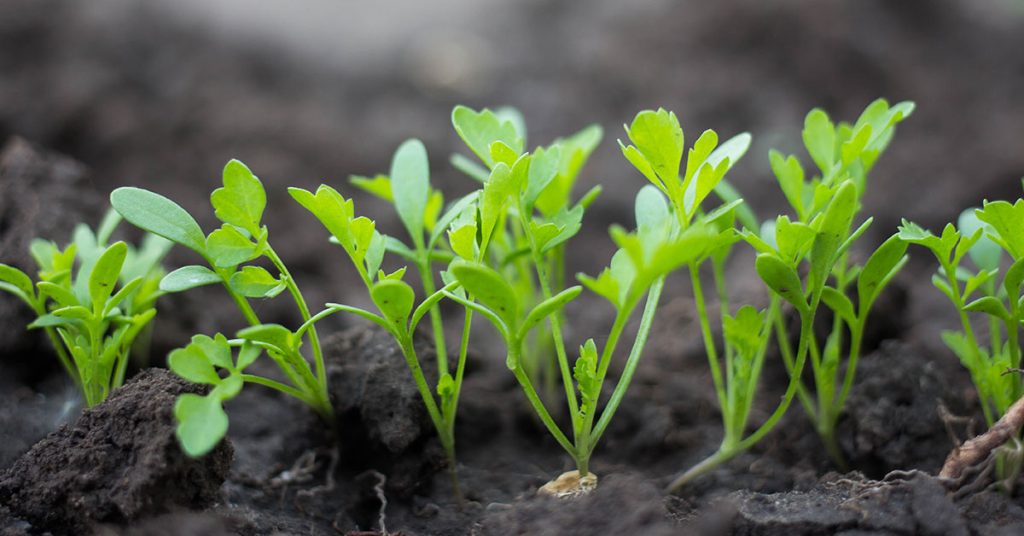
Microgreens—tiny seedlings of arugula, radish, kale, and more—offer concentrated nutrients in just 7–14 days! Sow seeds densely in shallow trays filled with seed‑starting mix, mist daily, and hover over a sunny windowsill. Within two weeks, you’ll snip vibrant shoots bursting with flavor and vitamins for salads, sandwiches, or smoothies—a perfect instant gratification project for beginners!
Since microgreens are harvested before reaching full maturity, they pose no invasive risk and fit beautifully on any balcony or countertop. Even in winter, colorful trays invite the attention of indoor hoverflies or tiny springtails that help decompose any stray germinated stems. For a gardener craving quick results, microgreens deliver superfood power and a constant buzz of growth!
Blackberries (Rubus fruticosus)

Blackberries are jam‑worthy powerhouses loaded with fiber and antioxidants. Select thornless varieties for ease, plant canes 3 feet apart, and provide a sturdy trellis. Prune after fruiting to remove last season’s canes, and look forward to abundant summer and fall harvests that satisfy both sweet cravings and nutrient goals!
Native to Europe and parts of Asia, blackberries can naturalize aggressively if unpruned, so regular cutting back keeps them in bounds. Their clusters of white spring flowers draw honeybees and solitary bees, while the dense brambles become nesting grounds for small birds like finches. With a bit of discipline on pruning, your blackberry patch will flourish without overtaking the garden!
Raspberries (Rubus idaeus)

Raspberries conjure sweet memories and boast high vitamin C content. Plant in well‑drained soil with full sun, spacing canes about 2 feet apart. Annual pruning—removing old fruiting canes and thinning new shoots—keeps the patch healthy and encourages vigorous berry production year after year.
Native to Europe and northern Asia, raspberries rarely become invasive when properly maintained. The arching canes provide cover for small birds like wrens, and bees frequent the spring blossoms, emerging from nearby nests in bare soil. Adding mulch around the base conserves moisture and suppresses weeds, so you can focus on picking plump red berries instead of battling competition!
Broccoli (Brassica oleracea var. italica)
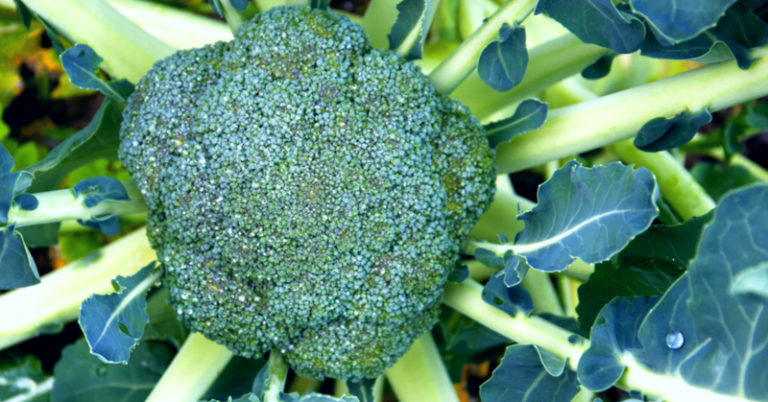
Broccoli packs vitamins C and K into tight green heads, and growing it from transplants is straightforward. Plant in fertile, nitrogen‑rich soil with full sun, and remove any yellowing leaves to improve air circulation. Harvest the central head, then enjoy side shoots continuing to form smaller heads well into the season!
Originating in the eastern Mediterranean, broccoli is not invasive and fits neatly into vegetable beds. Its small yellow flowers—if you let a few heads mature—attract hoverflies and bees, turning your garden corner into a pollinator hotspot. Watching those first side shoots develop after the main harvest is like a bonus gift—one more reason broccoli is a beginner garden favorite!
Basil (Ocimum basilicum)
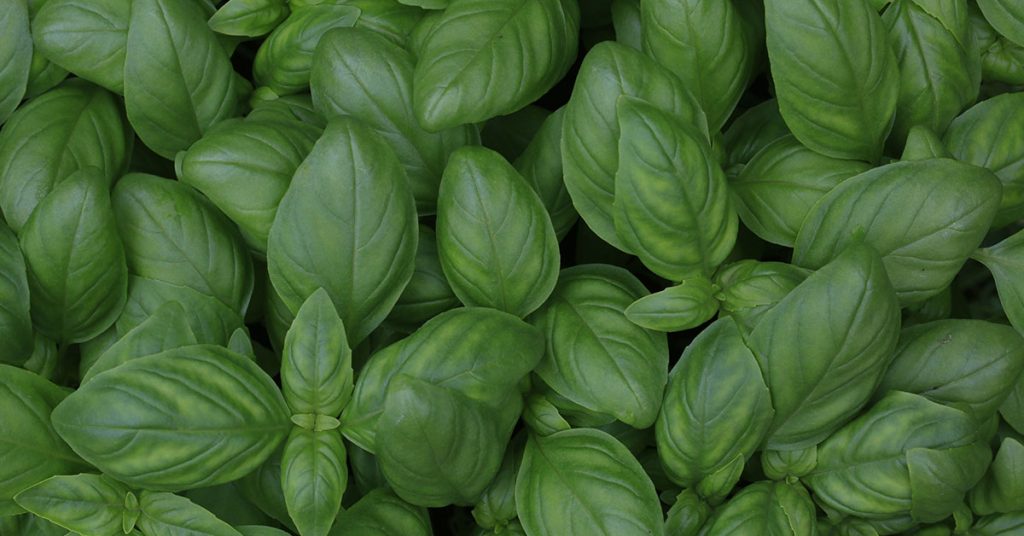
Basil’s fragrant leaves and antioxidant properties make it a kitchen essential, and it’s a breeze to grow from seed or starts after frost. Pinch early flower buds to extend leaf production, and harvest by snipping stems above leaf nodes—this encourages bushier growth and a longer season of pesto‑worthy greens!
Native to tropical Asia, basil rarely self‑sows aggressively unless left to bloom. Its tiny white flowers draw bees, and I often spot parasitic wasps gliding nearby, hunting caterpillars—nature’s clever pest control! For a beginner, basil’s rapid growth and frequent harvests provide instant gratification and a constant supply of superfood flavor.
Spinach (Spinacia oleracea)
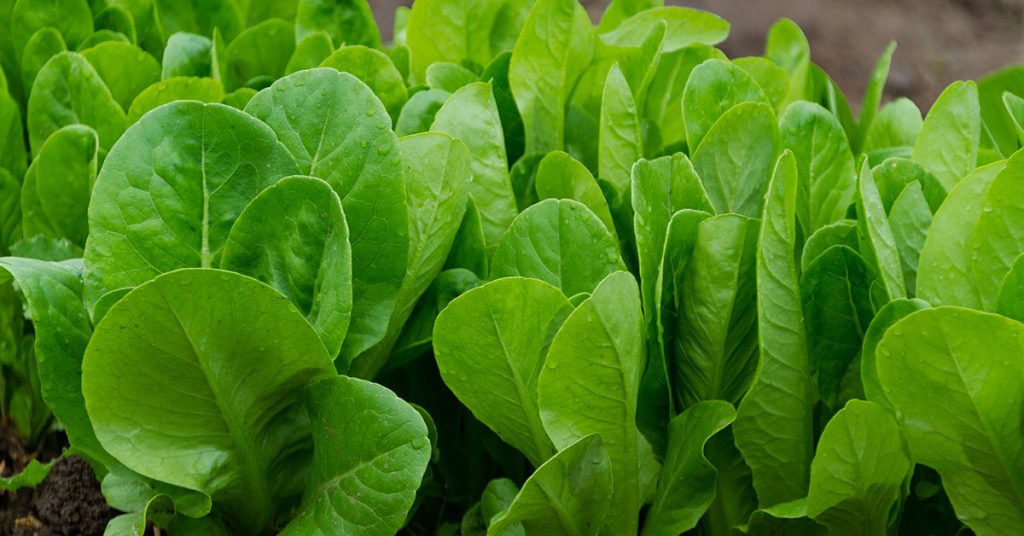
Spinach offers iron, calcium, and vitamins A and C, and it’s one of the quickest greens from seed. Sow in early spring or autumn, thin to 4‑inch spacing, and harvest outer leaves when they reach plate size. Cooler temperatures keep spinach from bolting, so you’ll enjoy tender greens into late spring or early winter!
Originally from Southwest Asia, spinach doesn’t escape cultivation and rarely self‑seeds in warm soils. Its inconspicuous clusters of green flowers attract hoverflies, whose larvae patrol the foliage for aphids. Watching these tiny allies at work reminds me that even beginner gardens can host a bustling mini‑ecosystem—another wonderful superfood bonus!
Sweet Potatoes (Ipomoea batatas)
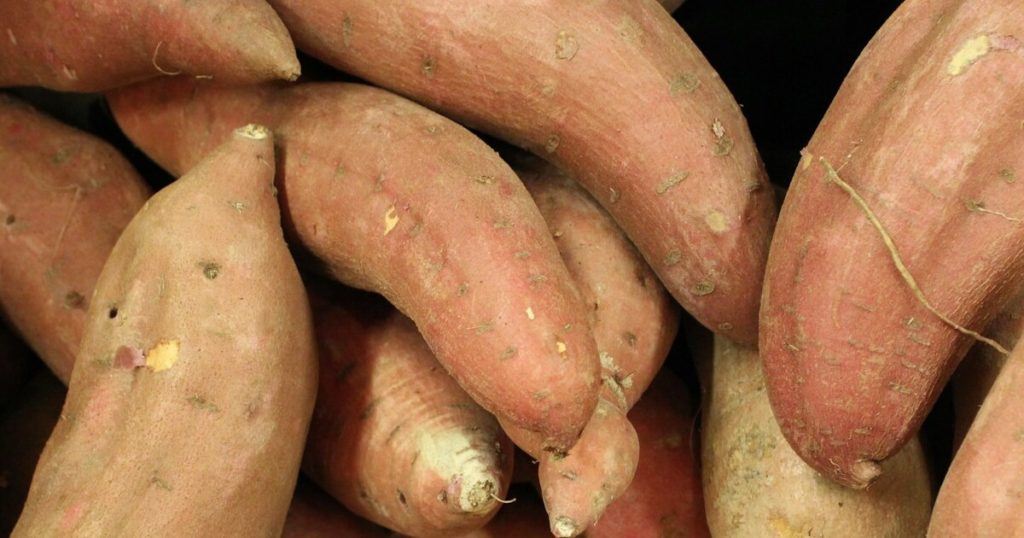
Sweet potatoes are tropical tubers rich in beta‑carotene and fiber. Plant rooted slips in warm, loose soil after the last frost, ensuring plenty of room for sprawling vines. By autumn, you’ll dig up vibrant orange tubers perfect for roasting, mashing, or baking into hearty pies!
Native to Central and South America, sweet potato vines can spread via runners in tropical climates but rarely become invasive in temperate zones. Ground beetles often shelter under the heart‑shaped leaves, patrolling for soil pests that might harm tubers. For beginners with a sunny patch, sweet potatoes offer both decorative vines and a delicious, nutritious harvest!