
Losing someone dear to us can leave a garden of emotions that feels difficult to tend. Gardens, however, have a unique way of offering solace—each rustle of leaves and burst of bloom can become a living tribute to memories that continue to grow. As a gardener who’s found comfort under the shade of blossoming branches, I know how meaningful it is to choose plants rich with symbolism, scent, and color to honor a loved one’s legacy.
In this article, I’m thrilled to share a selection of fifteen plants whose meanings and characteristics lend themselves beautifully to memorial gardens. From delicate wildflowers that beckon bees to stately trees offering nesting spots for songbirds, each entry includes insights into native origins, invasiveness potential, and the wildlife behaviors you might observe. Whether you’re working in a small patio pot or a sprawling backyard plot, these selections can help create a serene living monument full of life and remembrance.
White Rose (Rosa spp.)

The white rose has long been a timeless emblem of purity, remembrance, and new beginnings. In memorial gardens, its pristine petals evoke the innocence of cherished memories, while its subtle fragrance invites quiet reflection. I remember planting my first white rose bush after losing a dear friend—it felt like each bud opening was a small blessing of hope.
Native to Europe, Asia, and parts of North America, many white rose cultivars adapt well to various climates. While some wild rose species can naturalize beyond intended garden borders, modern hybrids are typically well-behaved. Roses attract an array of pollinators, especially bees and hoverflies, and their dense thorny canes provide protective nesting sites for small birds seeking safe retreats.
Sage (Salvia officinalis)
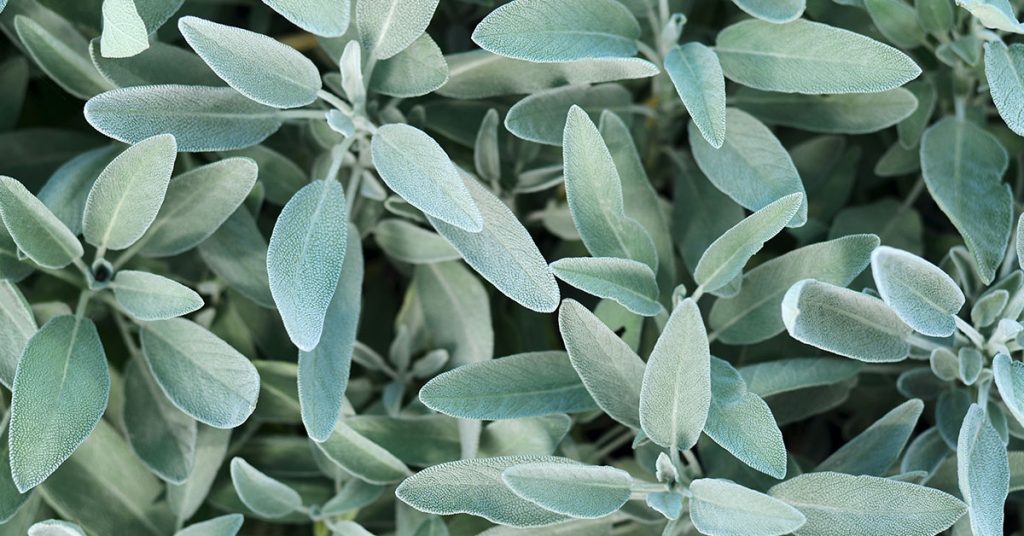
Sage’s silvery foliage and soothing aroma have made it a symbol of wisdom and remembrance across cultures. Its name even derives from the Latin “salvare,” meaning to heal—an apt connection for a plant that comforts the soul. One of my go-to plants for remembrance plots, sage’s sturdy nature always reminds me that healing, like gardening, takes patience and care.
Originating from the Mediterranean region, culinary sage is not considered invasive in most home gardens, though in very mild areas it can self-seed if left unchecked. Its tubular flowers, ranging from blue to purple, are magnets for bees and hummingbirds, and you might even spot tiny solitary bees nesting in the soft, sandy soil around its base.
Chrysanthemum (Chrysanthemum indicium)

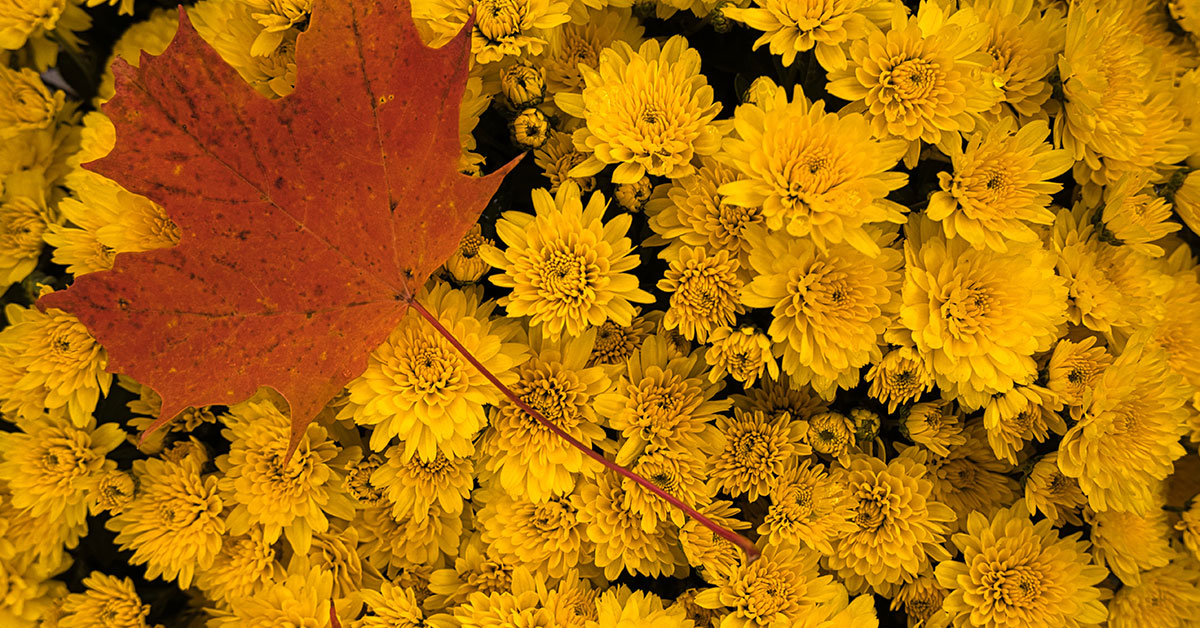
Chrysanthemums—often called “mums”—carry deep symbolism of honour and grief in many Eastern and Western traditions. Their bold, intricate blooms can stand as vibrant testaments to a life well-lived, making them a gardener’s beacon of remembrance. I cherish how their autumn flowers seem to radiate warmth in cooler weather, echoing the enduring glow of memories.
Native to East Asia, chrysanthemums rarely become invasive but prefer well-drained soil and plenty of sun. Butterflies frequently visit their nectar-rich centers, while small bees find ample pollen to feed on. Overwintering as perennials in milder zones, they can become reliable annual bursts of color, returning each year to commemorate special dates.
Oak Tree (Quercus spp.)
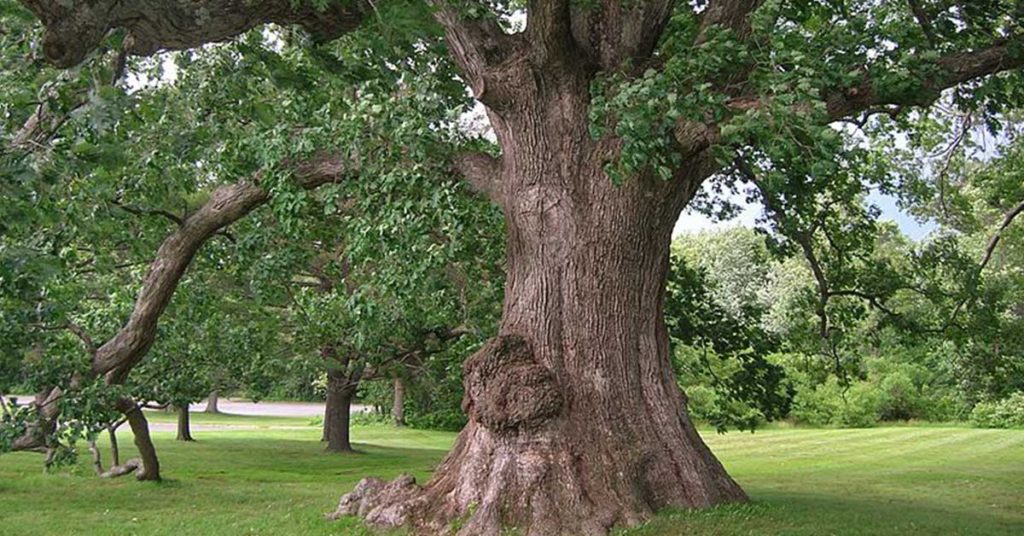
Celebrated across mythologies as a symbol of strength, endurance, and longevity, oak trees serve as majestic living monuments in memorial landscapes. Planting an oak can feel like setting a cornerstone for future generations, offering shade, privacy, and a sense of permanence. One of my favorite memories is watching acorns sprout into saplings, a reminder that life continues in new forms.
Native to much of the Northern Hemisphere, various oak species can spread through acorn dispersal by squirrels and jays; in some regions, young oaks naturalize easily but seldom become problematic invasives. Their sturdy branches provide prime nesting platforms for birds of all sizes, and their rough bark shelters insects, making oaks keystone species in supporting wildlife diversity.
Lavender (Lavandula angustifolia)
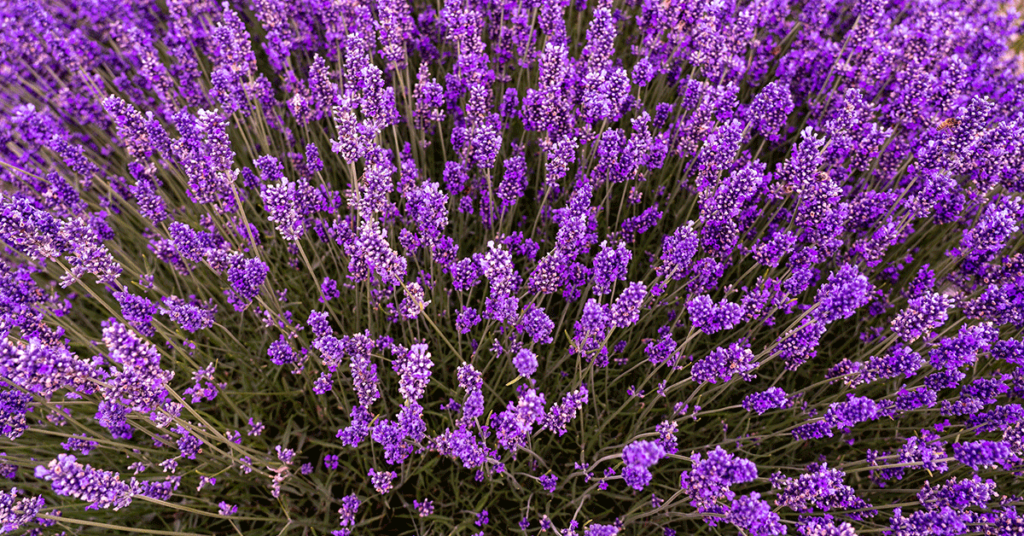
Lavender’s soothing purple spikes are practically synonymous with calm and remembrance. Their gentle fragrance evokes peaceful moments, making them a top pick for quiet garden corners or along pathways where one might pause to reflect. What a joy it is to see bees dancing around lavender—an exquisite reminder that life buzzes on beautifully!
Native to the Mediterranean, lavender tends to stay well-contained when planted in sunny, well-drained spots. It attracts pollinators like bees and butterflies and even provides nectar for hummingbirds in some regions. While not invasive, deadheading spent blooms keeps plants tidy and encourages a longer flowering season.
Calendula (Calendula officinalis)

Also known as pot marigold, calendula’s cheerful orange and yellow blooms have symbolized grief turned to happiness in folklore. Their bright faces can bring unexpected comfort on an overcast day, reminding us that memories can glow even in sorrow. I often sneak calendula in with herbs for an extra splash of color—talk about a garden multitasker!
Calendula hails from southern Europe but has naturalized widely without becoming invasive. Its edible petals attract hoverflies and ladybugs that prey on garden pests, while bees flit between flowers gathering pollen. As an annual, it reseeds readily, offering spontaneous new patches each spring if you let some blooms mature.
Forget‑Me‑Not (Myosotis spp.)
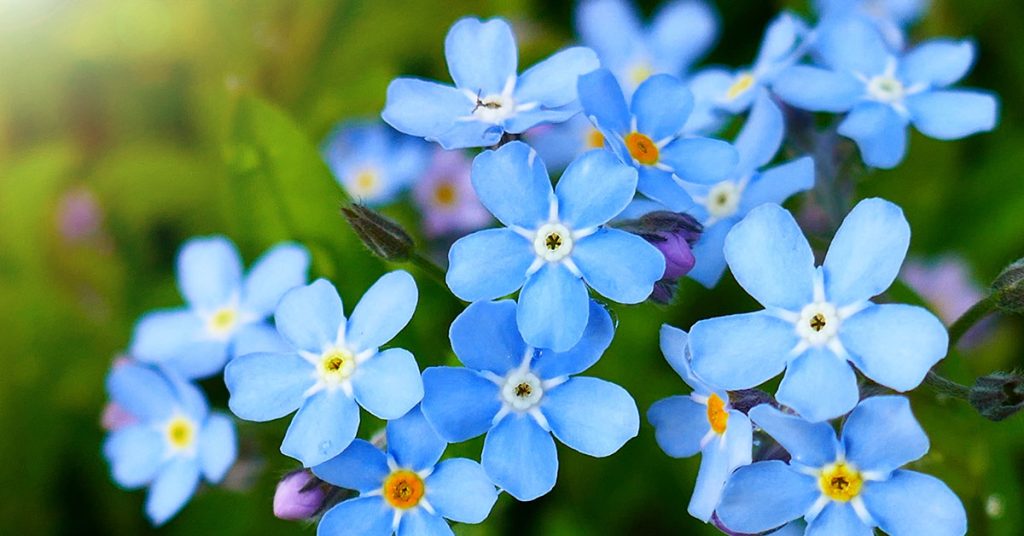
As the name suggests, forget‑me‑nots are literal ambassadors of remembrance. Their tiny blue petals and golden eyes form soft carpets that invite close inspection and delicate appreciation. I remember planting a trail of these small wonders along a memorial bench—each cluster felt like a vow to hold memories close, no matter what.
Native to Europe and Asia, some forget‑me‑not species can self-seed quite prolifically, occasionally edging toward invasive in damp, shady gardens. Butterflies such as the European peacock and various bees relish their nectar, and you won’t be surprised to see ladybugs navigating the fine foliage, seeking aphids to gobble up.
Cypress (Cupressus sempervirens)
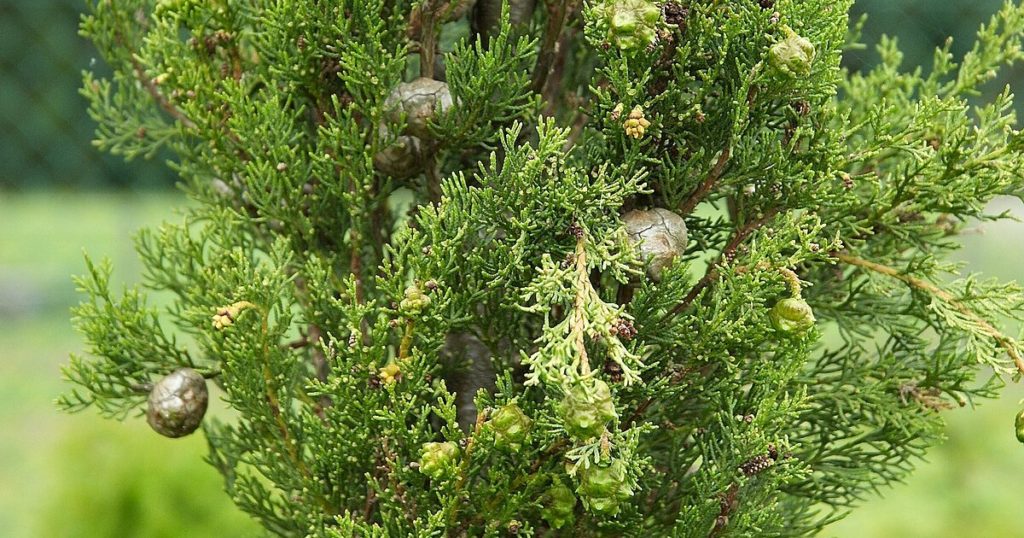
Upright and evergreen, the Italian cypress instantly calls to mind solemn memorial gardens and ancient cemeteries. Its vertical silhouette symbolizes eternal life and remembrance, anchoring any planting scheme with elegant formality. Planting one feels like raising a quiet sentinel to watch over a sacred space.
Native to the eastern Mediterranean, cypress trees are generally non-invasive but appreciate full sun and well-drained soil. Small birds often nest in its dense foliage, finding shelter from predators, while insects like bark beetles may colonize older trunks—so monitoring and care can maintain health. Drought-tolerant once established, cypress is a long-lived project, growing slowly but steadfastly over decades!
Lily of the Valley (Convallaria majalis)
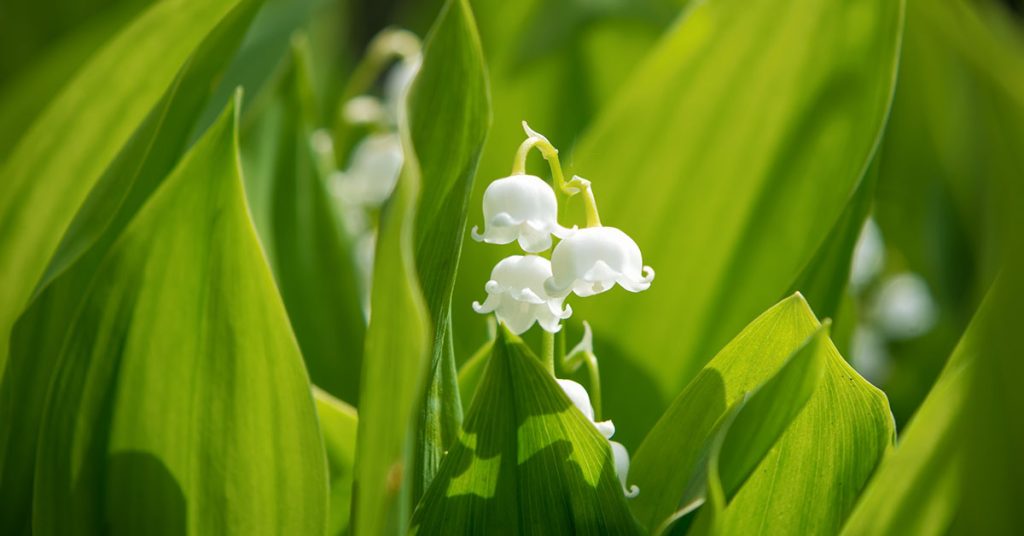
Delicate, bell-shaped blooms of lily of the valley have come to signify the return of happiness, making them poignant symbols of memory and hope. Their sweet fragrance drifts low to the ground, surprising wandering pollinators and any gardener who pauses to inhale their perfume. It’s such a treat to hear the soft buzz of bees around these tiny blossoms!
Native to Europe and Asia, lily of the valley spreads via underground rhizomes and can become invasive in rich, moist soils. Be sure to contain it with barriers if you want to prevent it from overtaking nearby perennials. Despite its invasiveness in some areas, it rewards careful gardeners with lush, fragrant spring carpets.
Rosemary (Salvia rosmarinus)
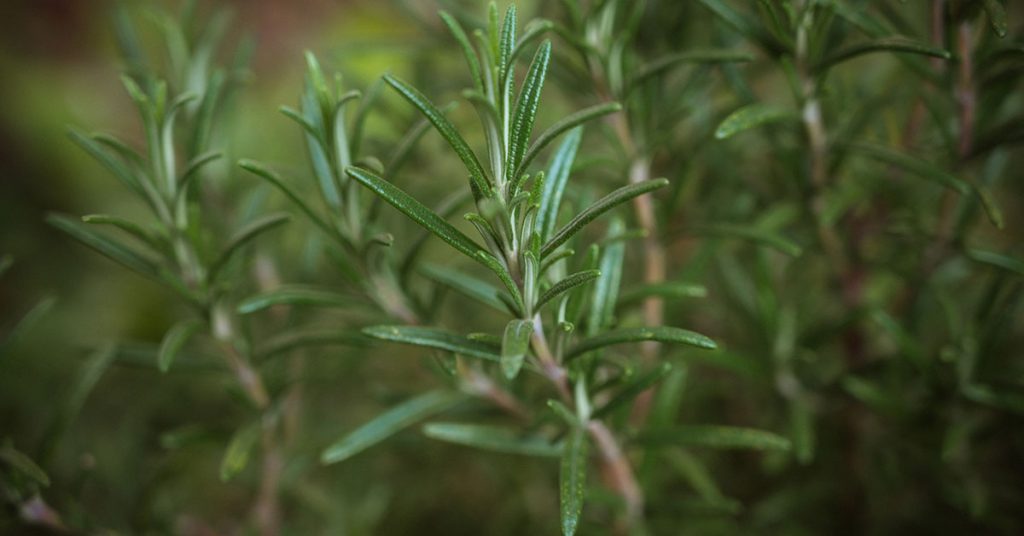
Rosemary’s evergreen sprigs and resinous aroma have been linked to remembrance since ancient Greek and Roman times. Placed in wreaths or grown in pots at a loved one’s graveside, it carries a sense of faithful memory. I often tuck rosemary into small planters, telling friends, “Let this herb stand as a fragrant hug from your memories!”
Originally from the Mediterranean coast, rosemary rarely spreads beyond cultivated boundaries, provided it’s kept in well-draining soil. Bees adore its pale blue flowers, and quail sometimes nest among its low-growing branches—just one more way this hardy shrub supports garden life. A little annual pruning keeps it compact and encourages fresh growth and blooms.
Poppy (Papaver rhoeas)
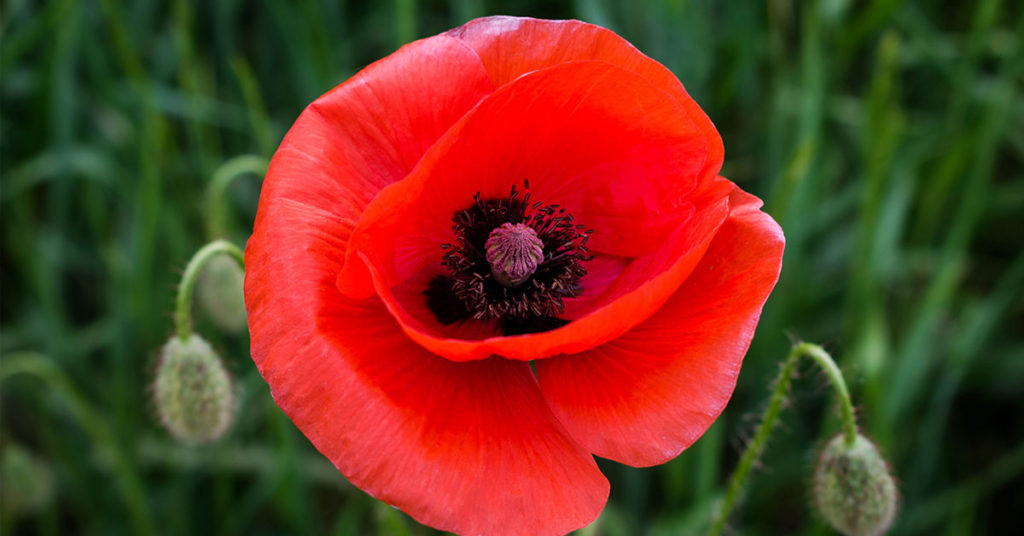
Vivid red poppies evoke powerful sentiments of remembrance, especially in cultures commemorating fallen soldiers. Their crinkled petals seem almost too delicate to be real, yet they bloom prolifically, reminding us how fragile moments can leave lasting impressions. One of my favorite garden surprises is watching poppies self-seed along a sunny border—so much life emerging from tiny black seeds!
Native to Europe, poppy species self-seed readily but aren’t typically classified as invasive in home gardens. Butterflies such as the painted lady and various bees forage on their pollen, while ants sometimes help disperse seeds—a fascinating behavior to observe. Deadhead spent blooms to prolong flowering or let a few go to seed for next season’s cascade.
Marigold (Tagetes spp.)
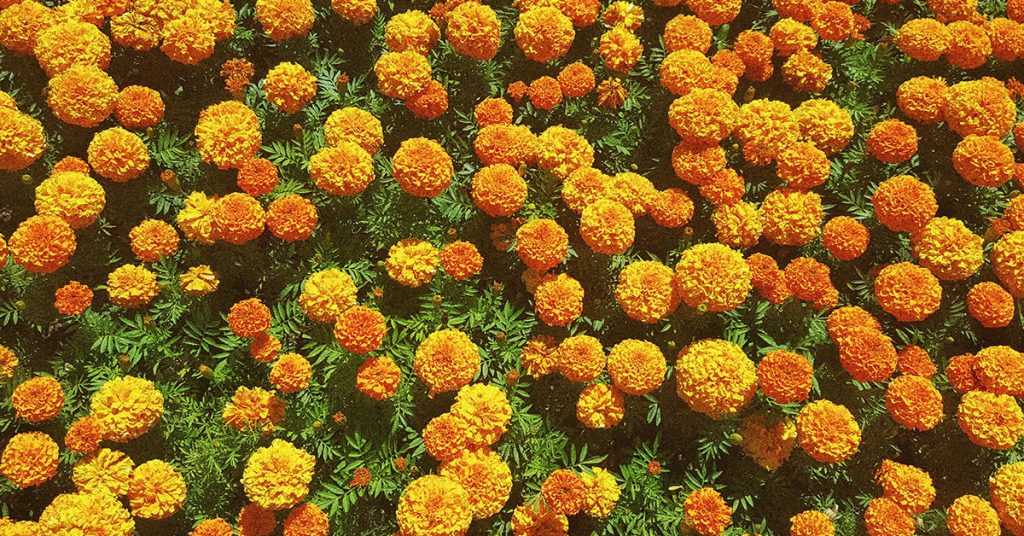
Bright orange and gold marigolds have associations with honoring the dead in several cultures, from Mexico’s Día de los Muertos to India’s festival garlands. Their bold hues seem to celebrate life amid mourning, offering a balance of joy and respect. I always marvel at how these easy-care annuals can become the heart of a memorial container!
Marigolds originate from the Americas and have naturalized in many regions without invasive tendencies. They’re prized for attracting beneficial insects—hoverflies, ladybugs, and parasitic wasps—while repelling certain pests like nematodes with their pungent roots. Quick to bloom from seed, they provide reliable color when you need a resilient, meaningful tribute.
Violet (Viola odorata)

Sweet violets symbolize faithfulness and remembrance, often tucked into pockets or pressed into books as keepsakes. Their heart-shaped leaves and clustered purple blossoms bring gentle beauty to shaded garden nooks. I’ve found their shy blooms peeking out in early spring to be a tender reminder that memories can bloom after long winters.
Native to Europe and Asia, sweet violets can spread aggressively via rhizomes in rich, moist soils, so be mindful of containment. Bees, particularly bumblebees, are attracted to the flowers’ hidden spur nectar, and they sometimes nest in nearby ground cover. With a little vigilance, violets reward gardeners with a sweet fragrance and delicate charm.
Weeping Willow (Salix babylonica)

The weeping willow’s drooping branches evoke poignant images of sorrow and reflection, making it a classic choice for memorial plantings. Its cascading habit creates intimate garden alcoves, perfect for quiet contemplation under rustling leaves. Planting a willow always feels like crafting a living archway to cherished memories.
Originating from dry areas of northern China, weeping willows adapt to a variety of soils—often thriving near water, where they can spread via underground runners. In some wet landscapes, they are considered invasive, so select a non‑invasive cultivar or ensure roots stay contained. Their open canopy invites birds like orioles and warblers to build nests among the slender, pliant branches.
White Lily (Lilium candidum)
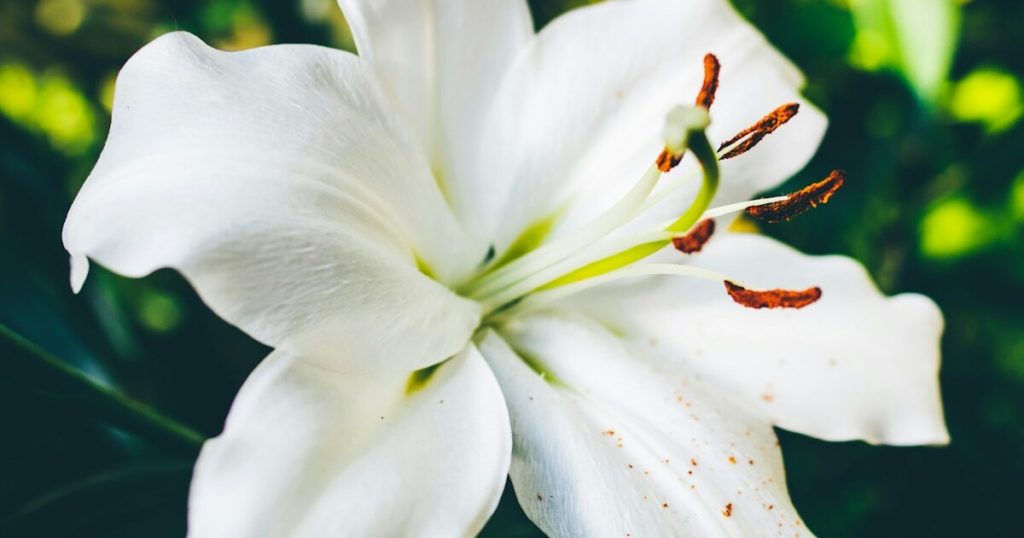
Elegant and stately, the white Madonna lily has become a universal emblem of purity, renewal, and remembrance. Its trumpet-shaped blooms release a heady fragrance that drifts through garden walkways, uplifting spirits during difficult times. One of my all-time favorite springtime moments is discovering the first lily bud about to unfurl—such hopeful promise!
Native to the Balkans and the eastern Mediterranean, Lilium candidum is not generally invasive in temperate gardens, though watch for seed pods if you wish to limit self-seeding. Butterflies, especially swallowtails, are often drawn to its nectar, and nocturnal moths may visit under the cover of dusk. With proper staking to support tall stems, these lilies stand proud as stunning focal points in any remembrance planting.