

There’s something magical about planting a garden with the knowledge that your efforts will flourish not just this season, but for decades to come! Whether you’re dreaming of a landscape that matures gracefully over generations or simply crave low‑maintenance specimens that stand the test of time, these 14 plants deliver longevity in spades. I know how disheartening it can be to nurse a perennial for a few years only to see it fade—let’s focus on stalwarts that reward your care season after season.
From towering trees to resilient shrubs and herbaceous perennials, each of these long‑lived beauties brings its own flair: gorgeous blooms, evergreen structure, or architectural foliage. We’ll explore their native origins, any invasive tendencies, and how they attract beneficial wildlife like nesting birds, pollinators, and ground‑nesting bees. Ready to build a garden legacy? Let’s dig in!
Viburnum (Viburnum tinus)

Viburnum tinus is a versatile evergreen shrub famed for its clusters of fragrant white blossoms in late winter and early spring. These blooms provide precious nectar for early‑emerging bees and also attract butterflies when other flowers are scarce! In autumn, glossy black berries feed birds such as thrushes and robins, who often use its dense branches for nesting sites.
Native to the Mediterranean and parts of North Africa, Viburnum tinus is not considered invasive, though it can naturalize in mild climates. With proper pruning every few years to maintain shape and airflow, individual plants can thrive for 30–50 years. I’ve watched mine reward me with reliable blooms each year—and the birds love the safe shelter it provides!
Bristlecone Pine (Pinus longaeva)

If you want a specimen that truly stands the test of time, bristlecone pine is your go‑to! Some wild individuals in the White Mountains of California exceed 5,000 years, making them the oldest known non‑clonal organisms on Earth. Although cultivating them in a home garden is challenging—they prefer cold, rocky soils and minimal nutrients—the reward is a living sculpture that could outlast your lifetime many times over.
Bristlecone pines are native to the high elevations of the Great Basin in the western U.S. They’re not invasive elsewhere, but they do demand excellent drainage and full sun. Once established, they grow remarkably slowly, developing contorted trunks that provide nooks for cavity‑nesting birds like chickadees. Hand‑watering only sparingly, you’ll witness a tree that truly embodies “slow and steady!”
Peony (Paeonia lactiflora)
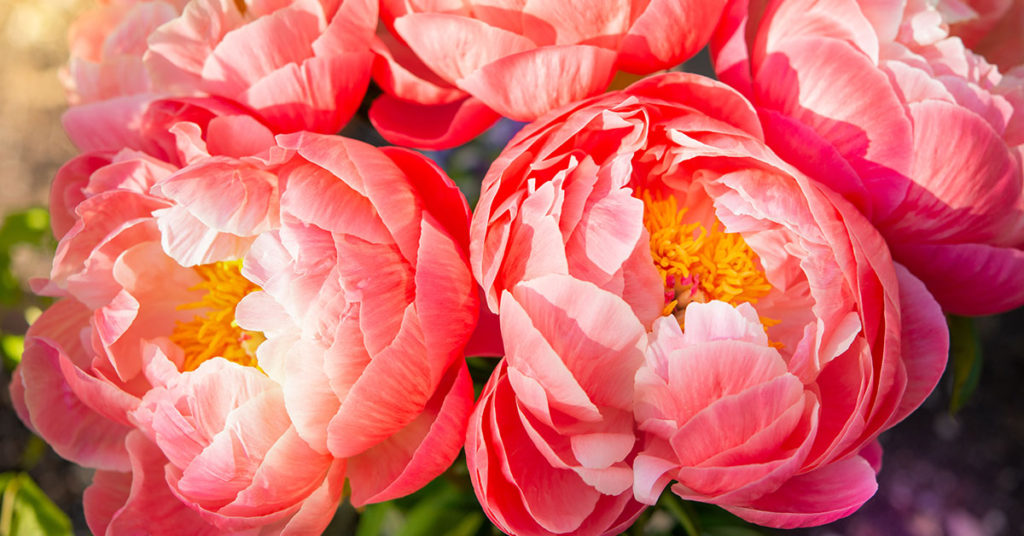
Peonies are classic garden anchors, with lush, exuberant blooms each spring that often inspire gasps of delight. These herbaceous perennials can live 50–100 years in the same spot, forming large, woody crowns that produce heavy flower displays year after year. Ground‑nesting bees, especially miner bees, gravitate toward the bare soil beneath mature peonies to establish their tunnels.
Originating in Asia and southeastern Europe, peonies aren’t invasive but resent being moved—disturb their roots at your own risk! I planted mine in rich, well‑amended soil about a decade ago, and trimming back spent stems each autumn keeps them vigorous. There’s nothing quite like the sense of pride when mature peony clumps unfurl their first buds every spring!
Ginkgo (Ginkgo biloba)

Ginkgo biloba is a living fossil, virtually unchanged for over 200 million years, and can live over 1,000 years in ideal conditions. Its fan‑shaped leaves paint the garden golden in fall, and its resistance to pests, disease, and pollution makes it a superstar urban tree. Birds such as woodpeckers sometimes excavate nesting sites in older trunks, benefiting from the sturdy, knotty branches.
Native to China, ginkgos are not invasive; female trees produce messy, smelly seeds, so many gardeners choose male cultivars. They thrive in full sun and well‑drained soils, tolerating clay and drought once established. I planted a pair in my front yard years ago, and watching their graceful stature evolve over decades fills me with wonder!
Camellia (Camellia japonica)
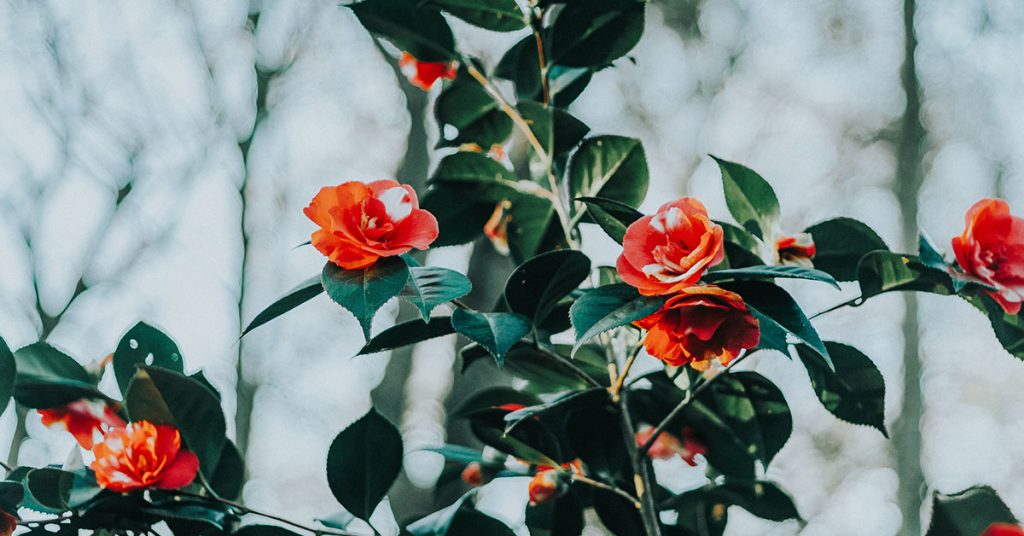
Camellias are treasured for their glossy evergreen leaves and camellia‑rose blooms that brighten winter and early spring. Many Camellia japonica cultivars live 50–100 years, offering decades of reliable flowers when few other shrubs are in bloom. The dense branches also provide shelter for small birds like wrens and goldfinches seeking winter refuge.
Originating in Japan and China, camellias aren’t considered invasive outside their native range. They prefer acidic, well‑drained soil and partial shade—too much sun can scorch leaves, too little inhibits flowering. I recall the day I uncovered a hidden wren nest tucked beneath my oldest camellia’s foliage—proof that these shrubs enrich both your garden and local wildlife!
Yucca (Yucca filamentosa)
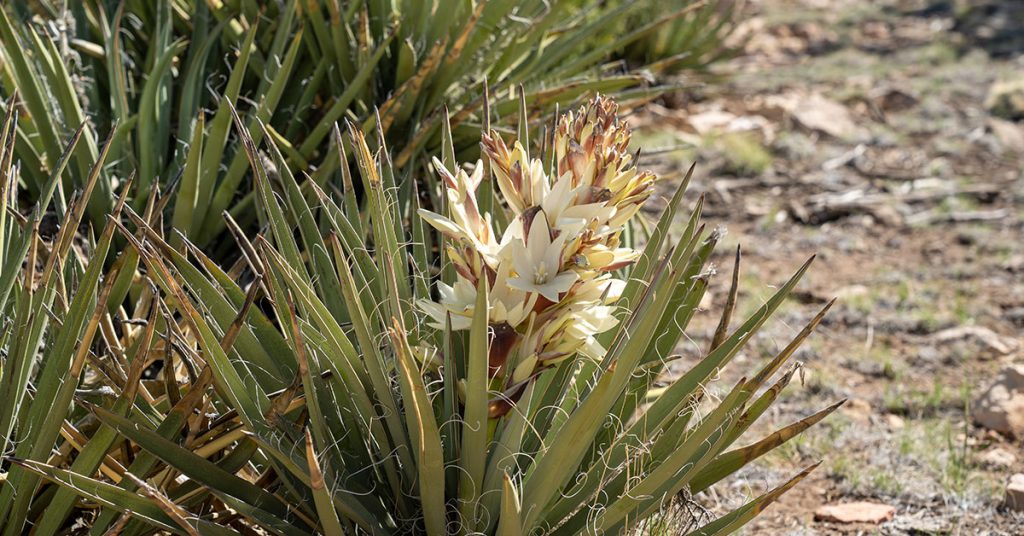
Yucca filamentosa is a hardy succulent that can live 20–30 years or more, producing dramatic sword‑like leaves and towering flower spikes. When in bloom, those ivory bells attract hummingbirds and nocturnal moths, while the sturdy base offers discreet cover for ground‑dwelling creatures like toads and small rodents.
Native to the southeastern United States, yucca isn’t invasive but does spread slowly via underground rhizomes. It thrives in poor, sandy soils and full sun, making it ideal for low‑maintenance, drought‑tolerant landscapes. I’ve been amazed how mine bounces back after harsh winters—one of those satisfying plants you practically forget about until it bursts into bloom!
Rosemary (Salvia rosmarinus)
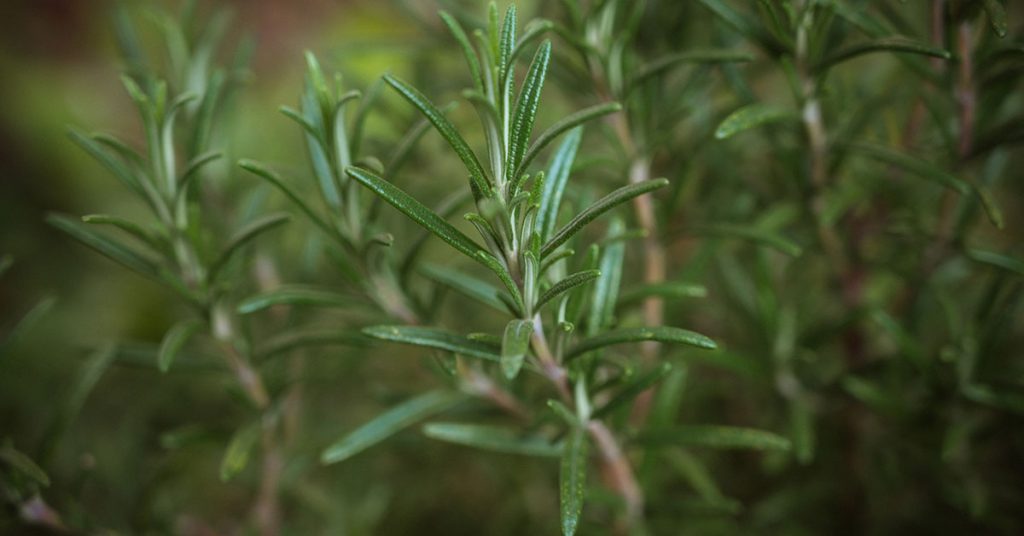
Rosemary is a woody perennial herb that, under the right conditions, can live 20–30 years or more. Beyond culinary uses, its aromatic foliage contains anti‑inflammatory compounds and the pollen‑rich blue flowers draw bees and hoverflies throughout the growing season. I love tucking a sprig into my apron pocket for tea breaks while working in the beds!
Native to the Mediterranean region, rosemary is not invasive but appreciates sharp drainage and full sun. In colder zones, it thrives in containers you can shelter or bring indoors over winter. By giving it a sunny ledge or well‑drained potting mix, you’ll enjoy decades of fragrant growth and a steady stream of pollinators!
Boxwood (Buxus sempervirens)

Few shrubs rival boxwood’s longevity—well‑cared‑for specimens can live over 100 years, forming the classic hedges of historic gardens. Its dense, evergreen foliage provides year‑round structure and nesting sites for warblers and finches, who love the shelter and find ample insects among the leaves.
Native to Europe, western Asia, and northern Africa, boxwood isn’t invasive but can suffer from fungal diseases in poorly ventilated sites. Prune lightly to maintain airflow and mulch deeply to protect roots. I’ve got a century‑old boxwood left over from the previous homeowner, and shaping it each summer feels like honoring a garden legacy!
Oak (Quercus robur)
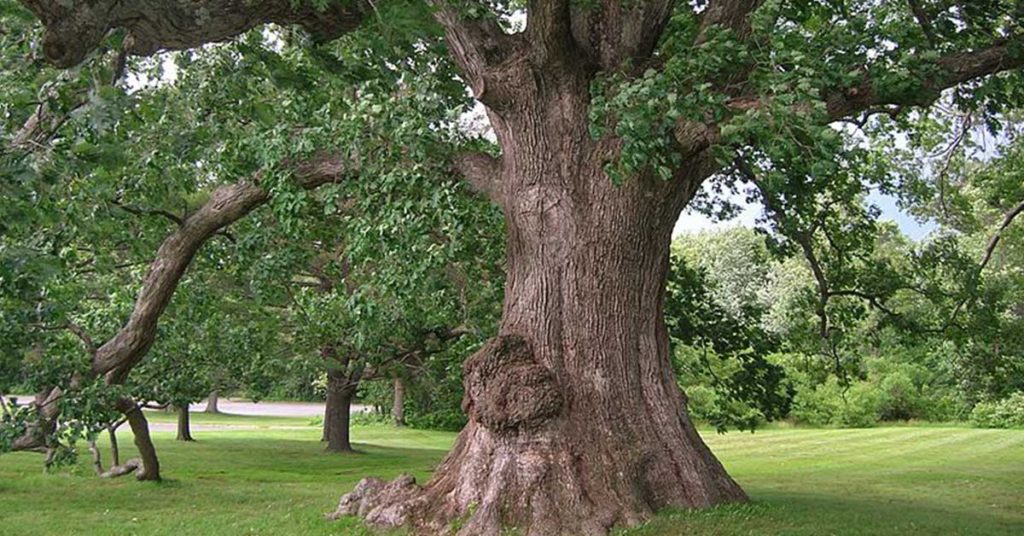
Oak trees are perhaps the ultimate symbols of longevity—many live 200–600 years, with some surpassing a millennium in protected groves. Their sprawling canopies support an incredible array of wildlife: from squirrels caching acorns to cavity‑nesting owls and woodpeckers. The leaf litter beneath oaks even hosts ground‑nesting bees and beetles drawn to the rich humus.
English oak (Quercus robur) is native to Europe but widely planted elsewhere without invasive impact. Oaks need deep, well‑drained soil and space to spread, so plan accordingly! I’ll never forget the shade and hush of the massive oak in my childhood backyard—planting one feels like crafting a sanctuary for centuries.
Magnolia (Magnolia grandiflora)
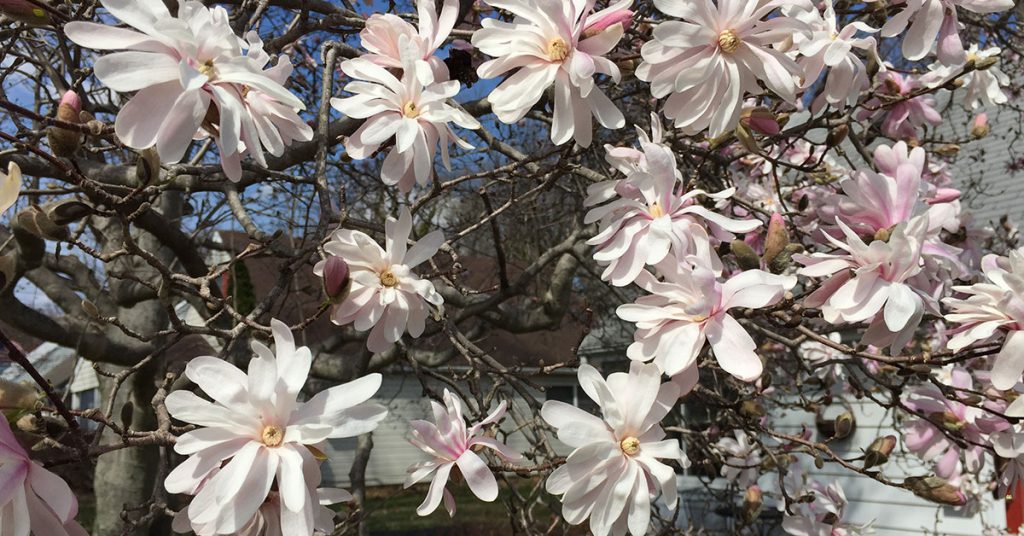
Southern magnolia is an evergreen treasure that can thrive 80–120 years or more, showcasing iconic, fragrant white blooms each summer. Those glossy leaves and robust branches attract life: I’ve spotted orioles enjoying nectar and squirrels darting among the branches, while the sturdy trunk cavities sometimes harbor nesting wood ducks!
Native to the southeastern U.S., Magnolia grandiflora is not invasive but prefers acid to neutral, moist yet well‑drained soils and full sun to light shade. Its slow, steady growth rewards patient gardeners with a stately focal point. Watching its bloom unfurl each June is one of my favorite garden moments!
Japanese Maple (Acer palmatum)

Japanese maples can live 100 decades when planted in prime conditions—rich, moist, well‑drained soil with afternoon shade in hot climates. Their delicately lobed leaves put on stunning seasonal shows, and the open branching provides perches for small songbirds and roosts for tree‑dwelling insects.
Originating from Japan, Korea, and China, these maples aren’t invasive but can be sensitive to extreme heat or cold. I tucked mine under a protective canopy of pines, and it’s now a 30‑year‑old treasure with fiery autumn foliage. Few plants offer such years of evolving beauty!
Hostas (Hosta spp.)
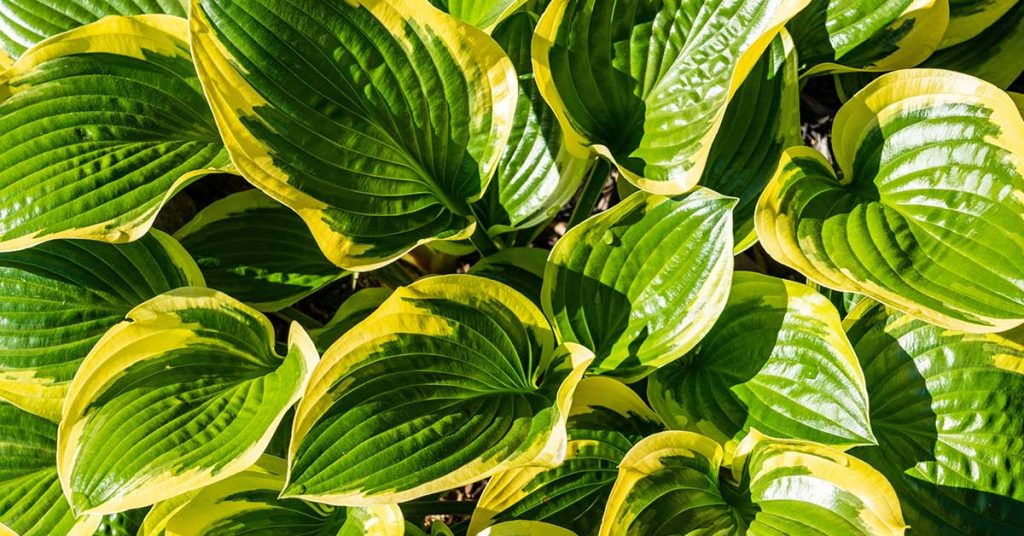
Hostas are shade‑loving perennials that can persist 20–30 years in the same patch, slowly expanding into lush clumps of foliage. Their summer blooms—spikes of lavender or white tubular flowers—attract hummingbirds and bumblebees, while the dense leaf canopy offers ground cover for toads and salamanders.
Native to northeast Asia, hostas aren’t invasive but can spread via underground rhizomes. I rotate mine every few years to refresh soil, and the payoff is clumps that grow grand enough to frame walkways. There’s a real joy in watching hosta leaves unfurl each spring, knowing they’ll thrive for decades!
Hydrangea (Hydrangea macrophylla)
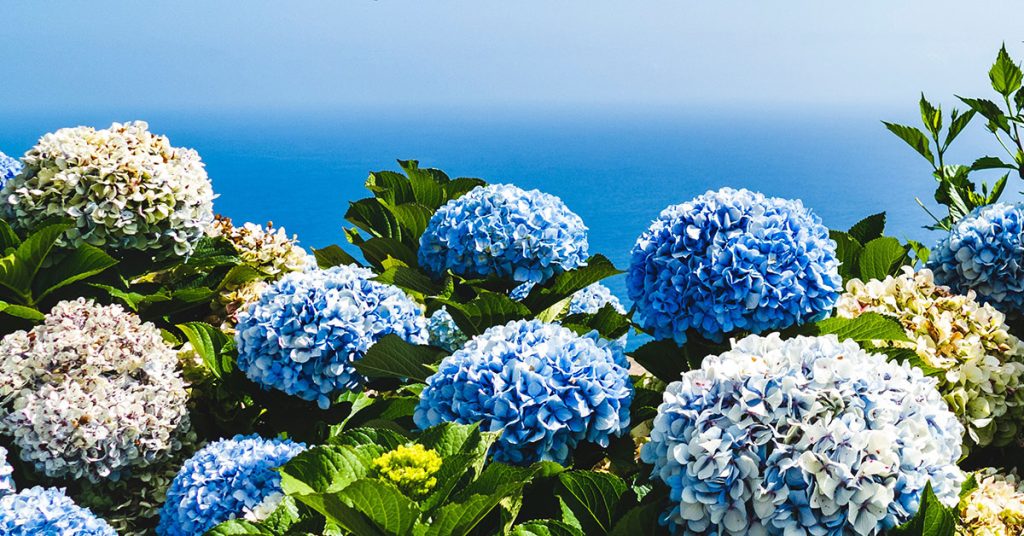
Bigleaf hydrangeas can live 50 years or more, rewarding gardeners with massive mophead or lacecap blooms from early summer into fall. These flowers draw butterflies, while the sturdy stems provide perches for paper wasps that hunt garden pests. In winter, the dried flower heads shelter overwintering ladybugs and lacewings.
Originally from Japan and Korea, Hydrangea macrophylla is not invasive but prefers well‑drained, rich soil and dappled shade. Adjusting soil pH can shift bloom color, adding to their charm! I planted a trio of hydrangeas two decades ago, and each year they amaze me with their generous, long‑lasting blossoms.
Olive Tree (Olea europaea)
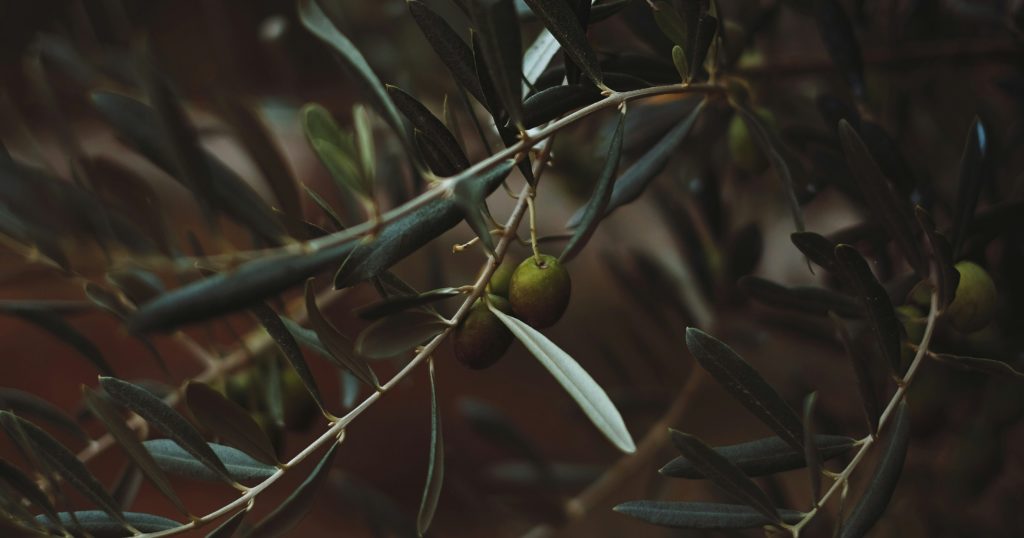
Finally, olive trees can live 500–1,500 years, producing silvery-green foliage and fruit that connects you to millennia of Mediterranean tradition. Those tiny spring flowers attract bees en masse, and older trunks often develop hollows that small birds use for nesting—truly a living heirloom.
Native to the Mediterranean basin, olives aren’t invasive but demand hot, dry summers and full sun. In cooler zones, container growing is the way to go so you can shelter them indoors in winter. I’ve been nurturing mine for years, and knowing it could outlive me many times over makes each harvest feel like an honor!