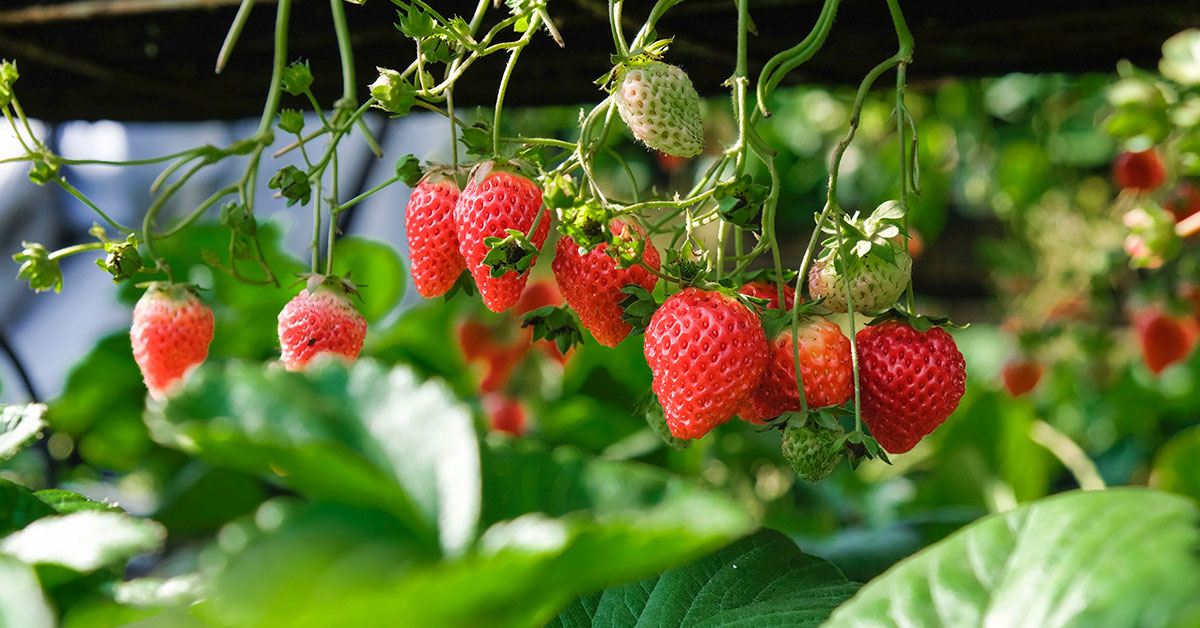

Strawberries are one of the most rewarding fruits to grow in the home garden—those sweet, juicy berries fresh off the plant are unbeatable! But it’s such a bummer when a misstep early on turns your patch into a flop of sickly leaves and sparse blooms. I know how disheartening it feels to eagerly watch for that first ripple of red only to find green, deformed fruit or, worse, nothing to harvest at all.
Between selecting varieties, preparing soil, managing water, and fending off pests, there’s a lot that can go sideways. In this guide, we’ll dig into nine of the most common mistakes that gardeners make with strawberries—and how you can sidestep them! Each section includes details on the plant’s origins and behavior (spoiler: those runners aren’t just for show) plus tips on attracting helpful wildlife like pollinators and ground‑nesting bees.
Ignoring Pests and Diseases

Letting slugs, birds, or fungal diseases run rampant is a surefire way to see your strawberries disappear overnight. Slugs and snails can skeletonize foliage and chew ripe berries, while birds peck at the ripest fruits before you even get a taste! Meanwhile, gray mold (Botrytis cinerea) thrives in humid conditions, turning your patch into a fuzzy gray mess.
Strawberries (Fragaria × ananassa) are a garden hybrid of North American and Chilean wild species, originally from temperate regions of the Northern Hemisphere. They attract pollinators like bees, which also bring in natural pest predators such as predatory wasps. Encouraging lacewings and ladybugs by planting companion flowers (like yarrow) can keep aphids at bay and reduce disease vectors. Regularly inspect leaves and fruit, remove infected parts promptly, and set up bird netting or organic slug traps to protect your crop!
Planting in Full Shade or Poorly Drained Soil
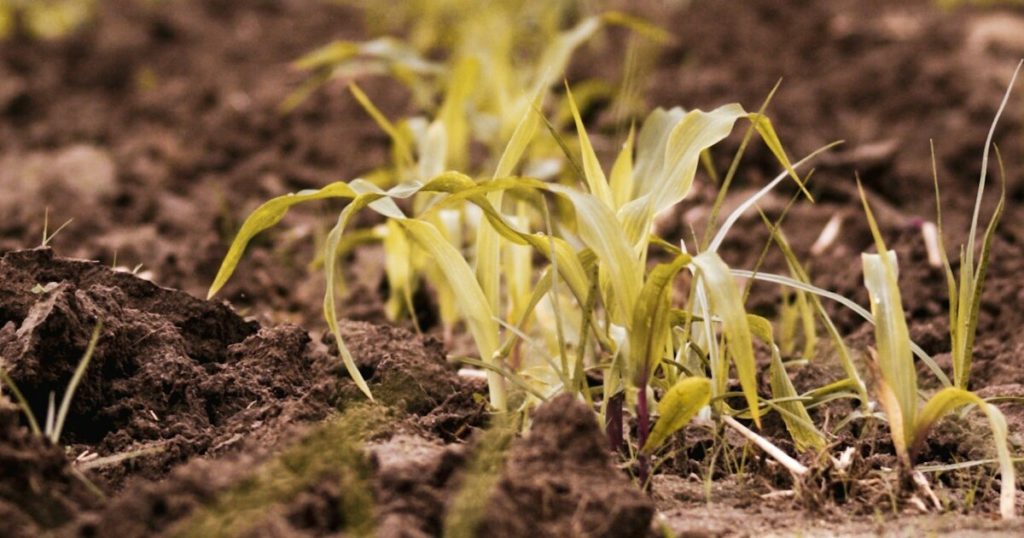
Strawberries crave at least six hours of full sun to produce plump, sweet berries—anything less and you’ll end up with small, pale fruit and lanky plants. Equally disastrous is soggy ground: waterlogged roots suffocate, inviting root rot and crown collapse.
Native ancestors of garden strawberries grew on well‑drained slopes in open meadows, and cultivated varieties still need that airflow around their leaves to prevent fungal issues. If your site pools water after rain, consider raised beds or mounding rows. I once planted in a low‑lying corner and learned the hard way—those poor plants never recovered! Finding that sunny, crumbly spot will set you up for success.
Overcrowding Plants by Ignoring Proper Spacing

Crowding strawberry crowns just to cram in more plants may seem efficient, but it chokes airflow and invites disease. Overlapping leaves shade developing berries, leading to uneven ripening and increased humidity that fosters mold.
Standard spacing of 12–18 inches between plants (with 2–3 feet between rows) honors their spreading nature. Garden strawberries send out runners that root at nodes, forming a living groundcover that benefits pollinators and ground‑nesting bees seeking bare patches. By giving each plant breathing room, you’ll encourage healthy runner management and harvests so bountiful you’ll have to gift berries to neighbors!
Neglecting Crop Rotation and Soil Rest
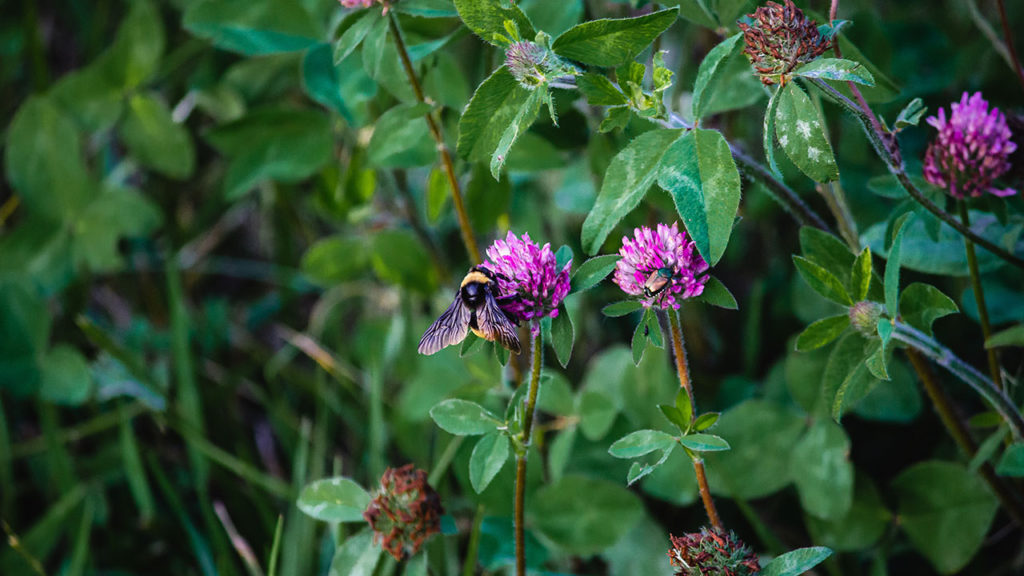
Planting strawberries in the same bed year after year without rotation invites a buildup of soil‑borne diseases like verticillium wilt and nematodes. These sneaky pathogens can hide in the soil, waiting to pounce on your next patch and stunt its growth.
Strawberries aren’t invasive in most gardens, but their rhizomes can harbor trouble. After two to three seasons in one spot, relocate your patch or rotate with legumes and brassicas to break pest and disease cycles. I rotate mine with clover cover crops, which enrich the soil and attract beneficial insects like hoverflies. Resting the bed also lets you amend it deeply with compost and organic matter for superstar future yields!
Overwatering or Underwatering
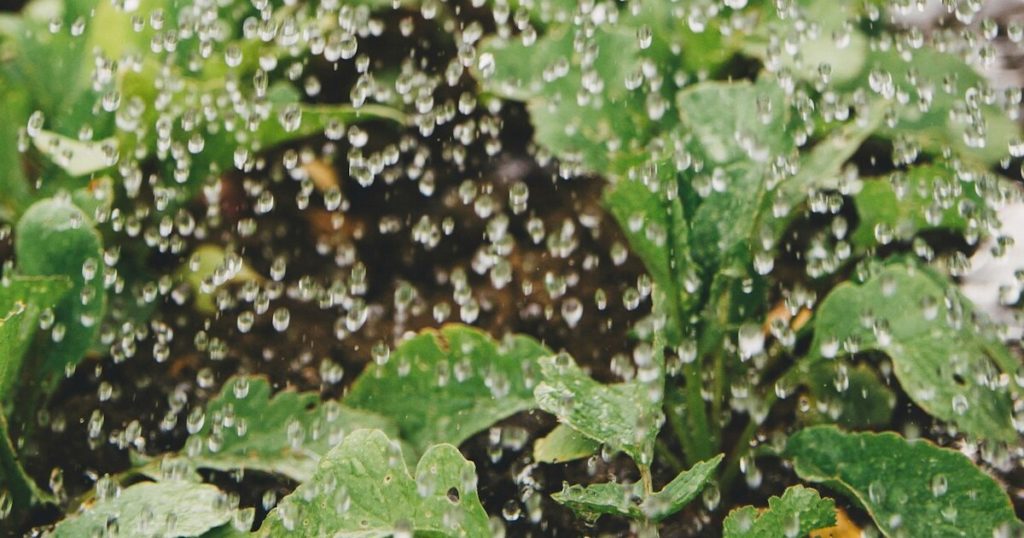
Both extremes sabotage strawberry health: too little water yields dry, small berries and stressed plants, while too much leads to root rot and washed‑out flavor. Strawberries need consistent moisture—about an inch per week—especially during flowering and fruit set.
Mulching (more on that later) helps retain soil moisture, but always check the soil with your finger: it should feel moist, not soggy. I learned to water early in the day so foliage dries before nightfall, reducing disease risk. A drip irrigation line beneath the straw mulch feeds roots directly and keeps leaves dry—perfect for happy, productive plants!
Harvesting at the Wrong Time or Handling Roughly

Picking strawberries too early means tart, underripe fruit; waiting too long invites bird pecks and rot. And yanking berries off their stems can bruise or damage the plant’s crown, reducing next season’s yield.
Look for fully red berries with a slight sheen—any white or green shoulders indicate they need more sun and sweetness. Gently lift each berry, snipping stems with small scissors if possible to avoid tugging. Spread your harvest over several days to let berries ripen at their own pace—your patience pays off with the juiciest, most flavorful treats!
Forgetting to Mulch or Using Inappropriate Mulch
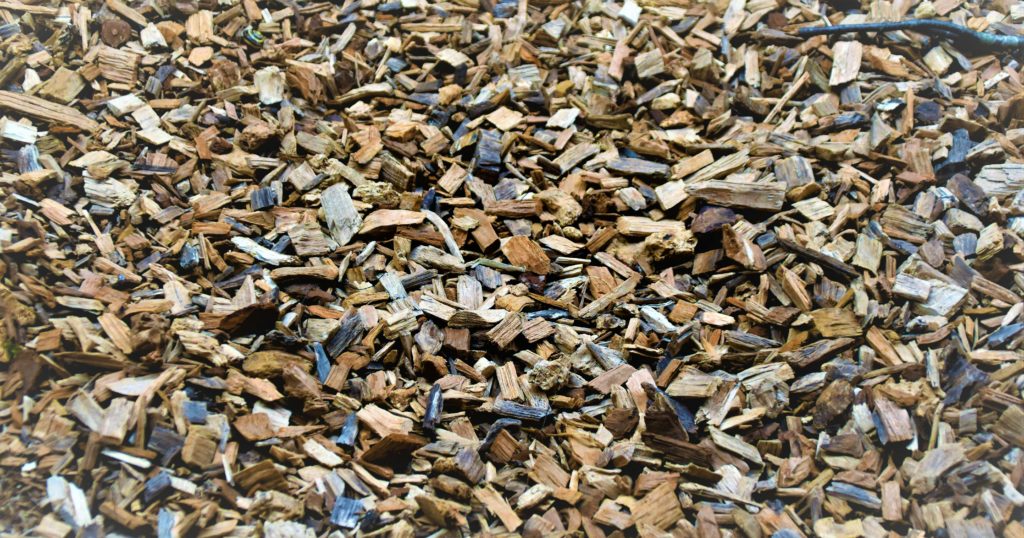
Bare soil under your strawberry plants can lead to soil‑splash of pathogens onto leaves, while weeds compete for water and nutrients. Conversely, using the wrong mulch—like fresh grass clippings—can introduce disease or rob nitrogen from the soil as they decompose.
Straw straw (or pine needles in acidic soils) makes a perfect straw‑berry bed: it keeps fruit off the dirt, retains moisture, and gradually adds organic matter. I once tried wood chips, only to see mushrooms sprout and rob nitrogen from my plants! A clean layer of straw also deters slugs and ground beetles from climbing up to snack on your berries, keeping your crop pristine.
Failing to Manage Runners
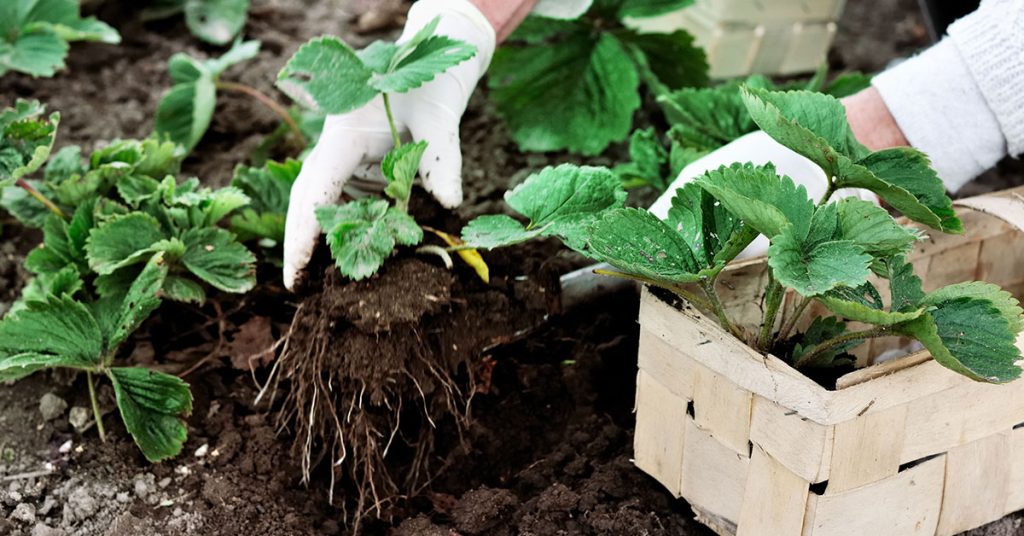
Those adorable runners are how strawberries expand, but left unchecked they’ll draw energy away from fruit production and overrun your beds. Too many daughter plants dilute the parent’s vigor, resulting in sparse flowers and puny berries.
Regularly pinch off runners if you want to concentrate on berry yield, or guide them into designated containers or patches for expansion. I save a few to renew my patch each season—after two years, I replace the old bed with new, vigorous runners. This practice keeps my strawberry patch productive and prevents it from becoming an uncontrolled groundcover!
Skipping Soil Testing and Amendments

Planting strawberries in untested soil is like flying blind—deficiencies in pH, nitrogen, phosphorus, or potassium can lead to poor bloom, weak roots, and tiny fruit. Strawberries prefer slightly acidic soil (pH 5.5–6.5) and rich, loamy texture.
A simple soil test tells you what your bed needs. Incorporate plenty of compost, well‑rotted manure, or balanced organic fertilizer before planting. I once skipped this step and ended up with yellowing leaves and limp stems—soil was too alkaline! Adjusting pH with sulfur and adding compost turned things around, and my next crop was a showstopper.