

It can be such a relief to know that the very garden you tend can also tend to your aches and pains! Whether you’re battling stubborn tension headaches, sore muscles after a workout, or general inflammation from everyday life, growing your own pain-relieving remedies adds an empowering, hands-on dimension to self-care. I know how disheartening it can feel when over-the-counter options leave you groggy or upset your stomach—having fresh herbs and flowers at the ready can make all the difference.
Choosing which plants to cultivate might seem daunting when you’re also juggling soil types, sun exposure, and the occasional garden pest (I feel your frustration when mint spreads like wildfire!). In this guide, we’ll explore 11 botanicals celebrated for their analgesic and anti-inflammatory properties. You’ll learn about each plant’s native origins, any invasive tendencies, and even how they attract beneficial wildlife—so you can create a vibrant, pain-soothing sanctuary right outside your door.
Lavender (Lavandula angustifolia)

I adore how lavender’s calming scent works double-duty: inhaling its essential oils can ease tension headaches, while topical lavender-infused oils help soothe sore muscles and joint stiffness. Steeping fresh or dried blossoms into a warm compress melts away discomfort, and adding a few drops of lavender oil to your bath feels like a mini-spa treatment for achy limbs! Its gentle analgesic and antispasmodic compounds make lavender a go-to for many home apothecaries.
Native to the Mediterranean region, true lavender thrives in well-draining soil and full sun. It’s not considered invasive, though you may find volunteer seedlings popping up around older plants—and they’re easy to transplant! Lavender’s fragrant blooms are irresistible to bees and butterflies, creating happy pollinator hotspots. Plus, nesting mason bees often seek out the dried stems for their cavities, turning your lavender patch into a tiny wildlife haven.
Comfrey (Symphytum officinale)
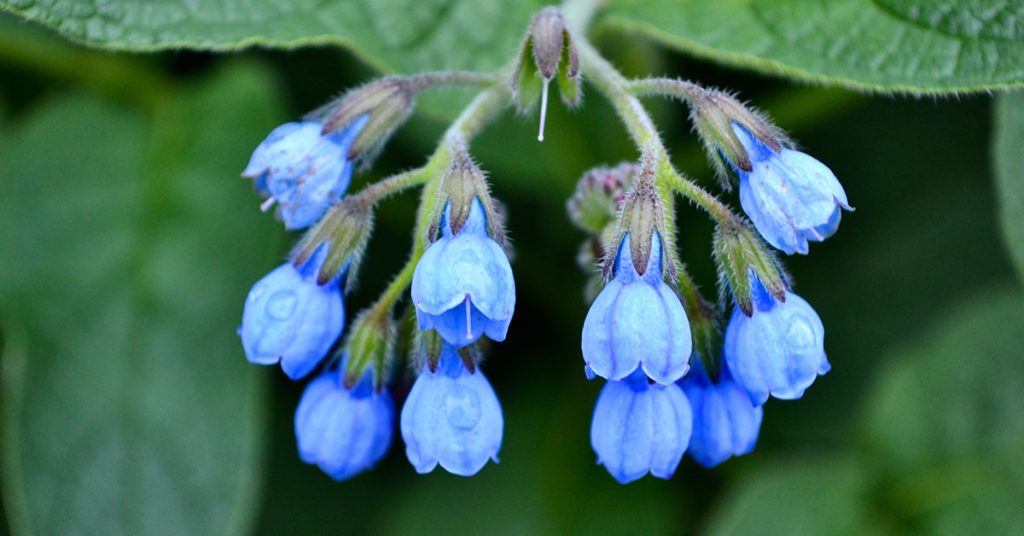
One of my favorite go-to plants for bruises and sprains, comfrey’s roots and leaves contain allantoin—a compound that accelerates cell regeneration and relieves pain when applied as a poultice. I’ve found homemade comfrey salves restore sore joints after a long day of digging, and the soothing balm can calm inflamed skin too! Just remember, comfrey is best used topically rather than ingested, due to its pyrrolizidine alkaloids.
Comfrey hails from Europe and Asia and is prized as a dynamic accumulator, pulling nutrients deep in the soil up to its leaves. It can become aggressive in rich ground, so I recommend containing it in a dedicated bed or large container. When comfrey flowers from pale purple to pink, bees adore its bell-shaped blooms. Ground-nesting bees sometimes burrow near its base, creating cozy little nests in the loose earth—what a treat to watch!
Echinacea (Echinacea purpurea)

Echinacea isn’t just for boosting immunity—its anti-inflammatory properties also help relieve pain from arthritis and muscle soreness. Brewing a tea from its petals or tincturing the roots can ease stiffness, and I love adding dried echinacea to herbal blends for a soothing, warming infusion after chilly garden mornings! Its compounds support healthy circulation, which can further alleviate discomfort.
Native to the prairies of eastern North America, purple coneflower prefers full sun and well-draining soil. It self-seeds moderately, creating cheerful clusters year after year without overtaking the garden. Pollinators absolutely flock to those spiky centers—honeybees, butterflies, even hummingbirds on occasion! You might spot small birds nesting in the sturdy stems, turning echinacea bunches into charming wildlife hideaways.
Meadowsweet (Filipendula ulmaria)
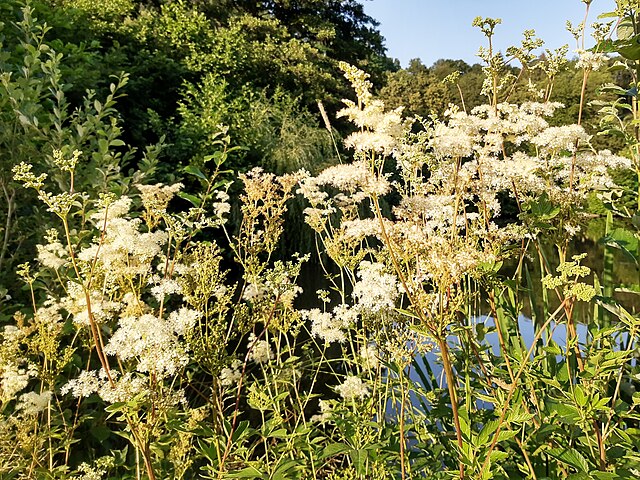
Meadowsweet contains natural salicylates—compounds akin to aspirin—that make it wonderful for reducing inflammation and relieving pain from headaches or joint aches. Preparing a gentle meadowsweet tea can ease menstrual cramps, too, and its mild, honeyed flavor is delightfully soothing. It’s one of those comforting herbal brews I turn to when I need a natural alternative to pharmaceuticals.
Originating in damp meadows across Europe and western Asia, meadowsweet loves moist soil and partial shade. It can spread via rhizomes, so give it space or corral it near ponds and rain gardens where its graceful, frothy flowers can sway. Bees and hoverflies adore those creamy umbels, and dragonflies often perch on its tall stems. While not invasive in most gardens, a little thinning every few seasons keeps it in check.
Turmeric (Curcuma longa)
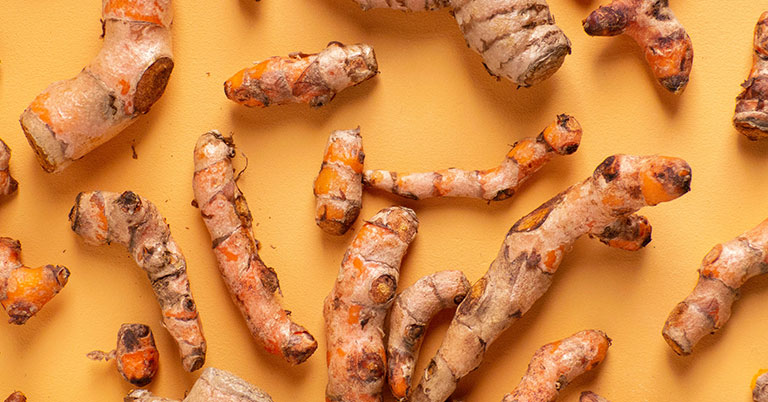
Fresh turmeric root is a superstar for pain relief—its active compound curcumin fights inflammation systemically, easing arthritic discomfort and muscle soreness alike. Grating a bit into smoothies or brewing golden milk tea provides a warming, restorative boost after chilly gardening sessions! I always feel a surge of pride harvesting my own bright-orange rhizomes for homemade remedies.
Turmeric is native to Southeast Asia and craves warm, humid conditions with rich, well-draining soil. It’s not invasive but spreads underground via rhizomes—plant each about a foot apart to prevent crowding. If you garden in a cooler zone, I recommend container cultivation so you can bring it indoors over winter. When it flowers, you’ll see small greenish-yellow blooms that attract bees and butterflies—an exotic splash in any border!
Feverfew (Tanacetum parthenium)
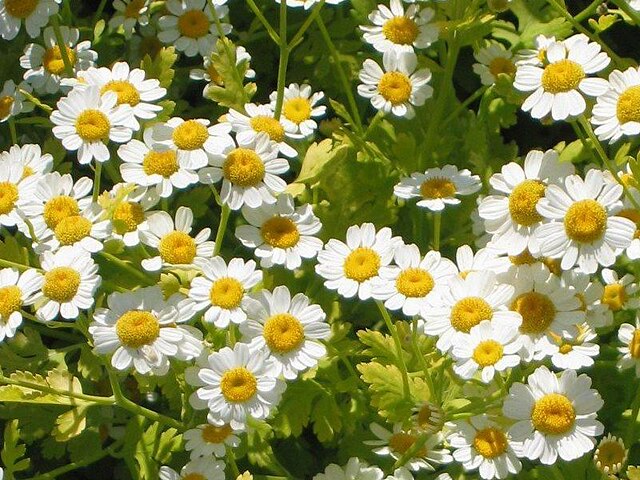
Feverfew is famed for its migraine-fighting credentials—tiny parthenolide compounds in the leaves can reduce nerve inflammation and keep pounding headaches at bay. I find that sipping a fresh feverfew infusion at the first sign of a migraine can stave off the worst symptoms! Its crisp, daisy-like blossoms also brighten herb gardens.
This hardy plant hails from the Balkans but has naturalized throughout Europe and North America. It self-seeds with gusto, so deadhead spent blooms to prevent volunteer takeovers if you prefer a tidier border. Beneficial ladybugs and lacewings are attracted to its foliage, helping keep aphid populations down—a win-win for plant health and pest control!
Lemon Balm (Melissa officinalis)
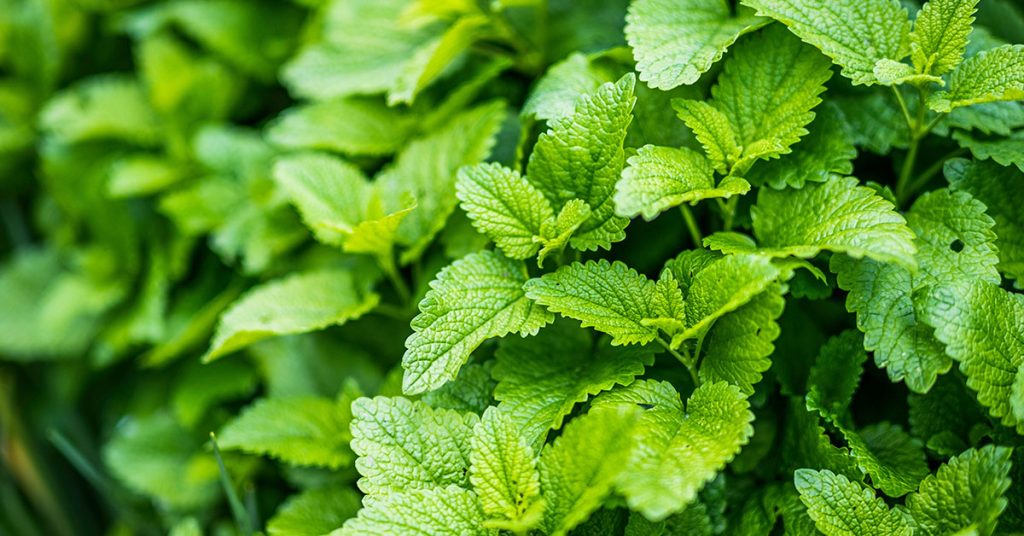
Lemon balm’s uplifting citrus aroma can ease tension headaches and nervous aches, while its mild antispasmodic action soothes muscle cramps. Brewing fresh leaves into tea creates a calming ritual that I treasure after a hectic day in the garden. I especially love its ability to gently relax both body and mind—perfect for unwinding!
Native to southern Europe, lemon balm adapts beautifully from sun to partial shade and prefers moist, well-draining soil. It can spread via runners, so consider a container or edging to keep it contained. Bees adore its tiny white flowers in mid-summer, and you may spot solitary bees nesting in nearby bare patches of soil—lemon balm truly supports a buzzing ecosystem!
Willow (Salix alba and others)

Willow bark is the original source of salicin, a precursor to modern aspirin—chewing on small amounts or preparing an extract can reduce fevers, headaches, and joint pain. Harvesting fresh twigs in early spring and simmering them into a decoction brings potent relief; I always feel accomplished knowing I’m tapping into centuries-old herbal wisdom!
Willows are native across temperate regions of the Northern Hemisphere and often thrive near water. They can be vigorous spreaders via roots and suckers, so plant them where they have room or periodically remove extra shoots. Their catkins attract early-season pollinators like bees seeking spring nectar, and the dense branches provide ideal nesting sites for songbirds—an attractive wildlife magnet!
Arnica (Arnica Montana)
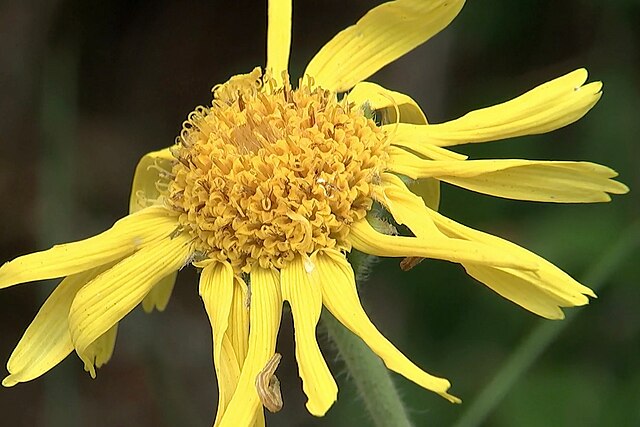
Topical arnica preparations are renowned for easing bruises, sprains, and muscle aches—its helenalin compounds reduce inflammation and speed healing when applied as a gel or salve. I can’t tell you how many times an arnica poultice has saved me from garden-induced bumps and bruises!
Arnica is native to mountainous regions of Europe and prefers cool, well-drained meadows or rock gardens. It doesn’t self-seed prolifically, so you’ll need to propagate it carefully from seed or divisions. Its bright yellow daisy-like flowers bring pollinators to the party—bumblebees especially adore arnica blooms, and occasionally small solitary bees will nest in the loose, gravelly soil around them.
Peppermint (Mentha × piperita)
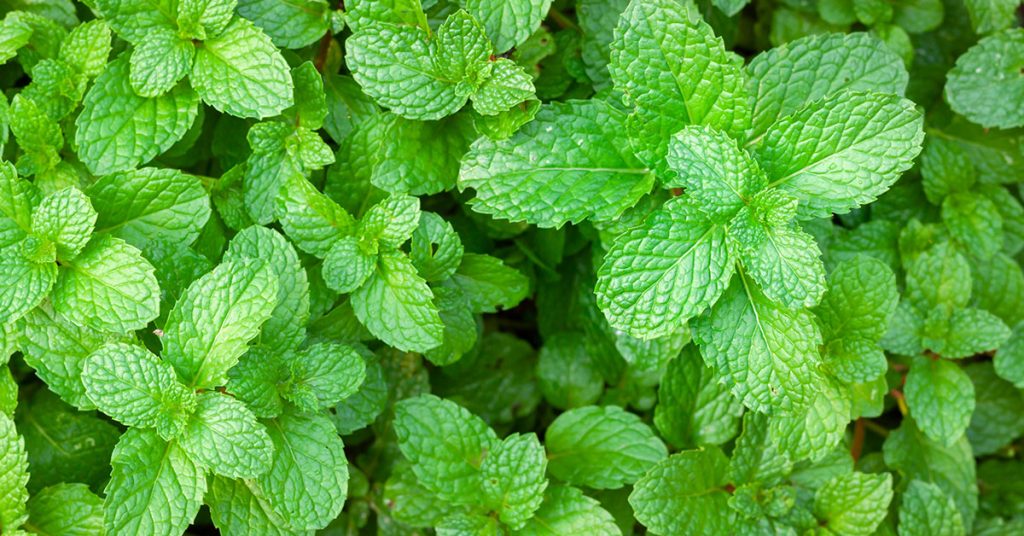
Peppermint’s cooling menthol effect makes it an exceptional natural analgesic for headaches, muscle pain, and joint stiffness. Crushing fresh leaves to release their minty oils and inhaling deeply can relieve sinus pressure, while peppermint-infused oils rubbed onto sore areas deliver instant cooling relief—such a welcome zing after heavy lifting or long garden chores!
A hybrid between watermint and spearmint, peppermint originates from Europe but escaped into gardens worldwide. It’s famously aggressive, sending out runners that can take over beds—plant it in containers or dedicated borders to keep it in check. Its purple flower spikes attract butterflies and hoverflies, and the dense foliage offers shelter for ground-dwelling insects and occasional nesting sites for tiny toads and frogs.
St. John’s Wort (Hypericum perforatum)
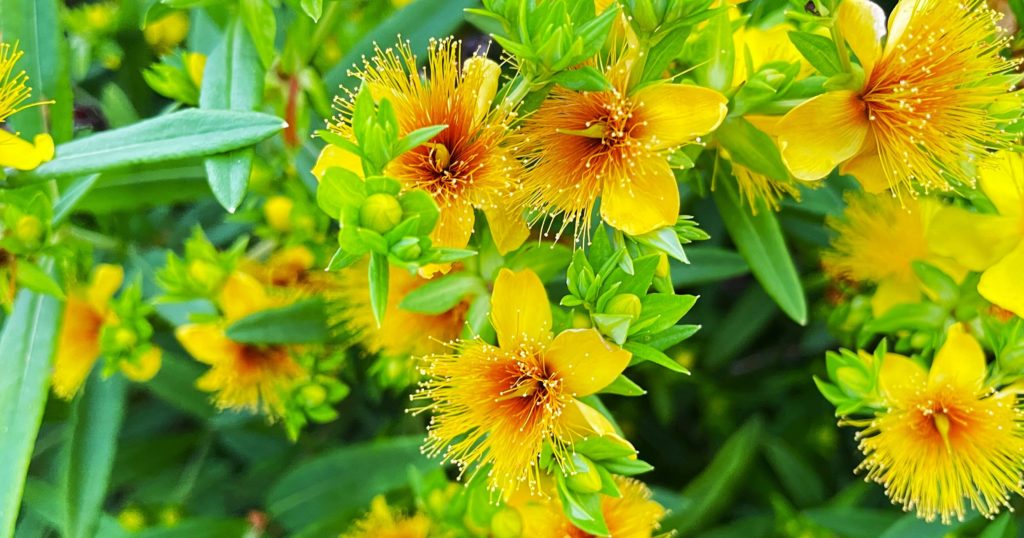
St. John’s Wort is best known for supporting mood, but it also contains hyperforin and hypericin, which have mild anti-inflammatory and analgesic actions—particularly helpful for nerve pain and muscle soreness. I often infuse the flowers in oil to create a warming massage blend that feels heavenly on tight shoulders after a day of pruning!
Native to Europe, western Asia, and North Africa, St. John’s Wort has naturalized in many temperate regions and can be somewhat invasive via seed. Regularly trimming spent blooms keeps it from overrunning other plants. Its bright yellow flowers attract bees, and small butterflies often sip nectar midday. Birds occasionally nest in its dense, twiggy stems—another lovely benefit for wildlife!