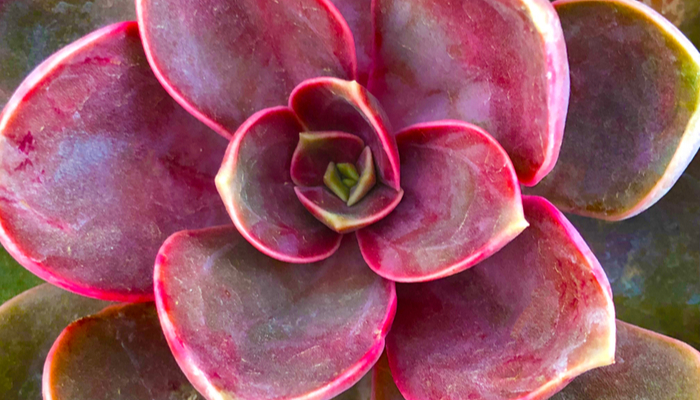

Welcome spring indoors with a rosy palette of stunning succulents! Pink-leaved varieties brighten any windowsill or shelf, offering a splash of color when outdoor blooms are still waking up. As a gardener who’s battled leggy succulents and persistent mealybugs (it’s such a bummer when pests take over your beloved collection!), I’ve handpicked a ten of the most reliable pink-hued succulents that thrive in pots without running rampant. You’ll find each one’s origins, growth habits, and tips for integrating them into a healthy home micro-ecosystem that even tiny pollinators love.
Beyond their rosy rosettes and variegated leaves, these succulents interact with small beneficial insects—hoverflies, solitary bees, and predatory mites—that help keep common pests at bay. Whether you’re corralling them in a sunny terrarium or grouping them in cheerful spring planters, these pink beauties promise both visual delight and lively garden companions. Let’s dive into the heart-shaped rosettes, cascading vines, and playful clusters that deserve a spot in your home this season!
Echeveria ‘Perle von Nurnberg’
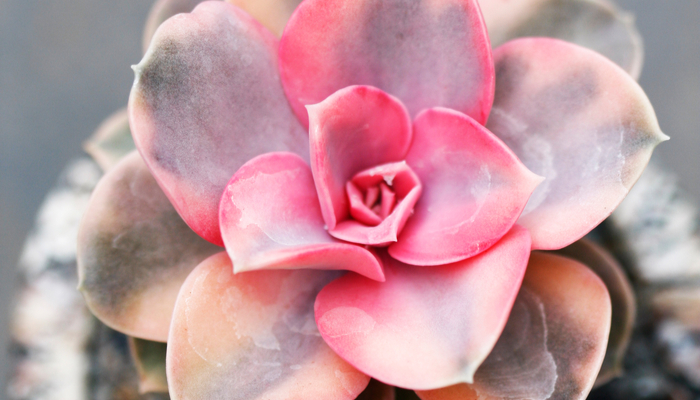
Native to the semi-deserts of central Mexico, Echeveria ‘Perle von Nurnberg’ dazzles with pink-tinged rosettes edged in silvery lavender. Thriving in bright, indirect light and gritty, fast-draining soil, it remains a well-behaved clumper in pots, rarely sending out unruly pups. In my collection, its resilient form stands tall against occasional overwatering mistakes—proof that this succulent bounces back quickly.
When in bloom, its slender flower stalks yield bell-shaped red and yellow flowers that attract small native bees and hummingbirds if placed near a sunny window. The rosette’s dense leaves also provide sheltered spots for predatory mites that help control mealybug outbreaks. For a succulent that melds elegance with ecological benefits, ‘Perle von Nurnberg’ is an absolute must!
Pachyphytum oviferum ‘Moonstones’
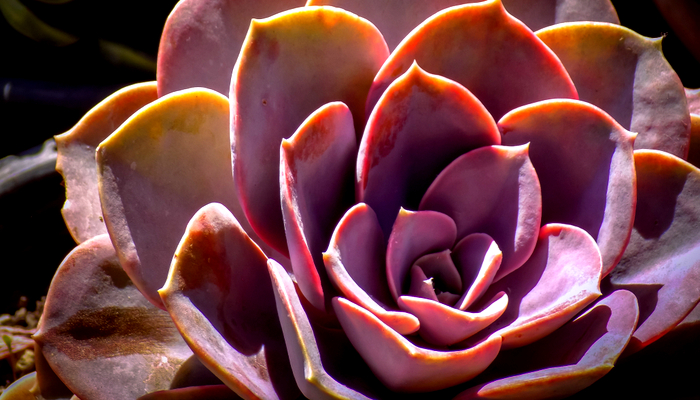
Hailing from Mexico’s highlands, Pachyphytum oviferum ‘Moonstones’ features chubby, pastel-pink leaves that resemble smooth pebbles. It prefers bright light and mineral-rich, well-drained soil, forming tight clusters that rarely escape their pot. I love how the leaves turn blush pink under stress—just enough sun and a little drought stress transforms them into confectionery delights!
In spring, ‘Moonstones’ sends up delicate white flowers on arching stems, attracting tiny hoverflies and beneficial lacewings that keep aphids in check. These insects often shelter among the succulent’s crevices, making ‘Moonstones’ a key player in my integrated pest management strategy. It’s a rock-star both in looks and in supporting mini-garden biodiversity!
Crassula pellucida ‘Variegata’ (Calico Kitten)
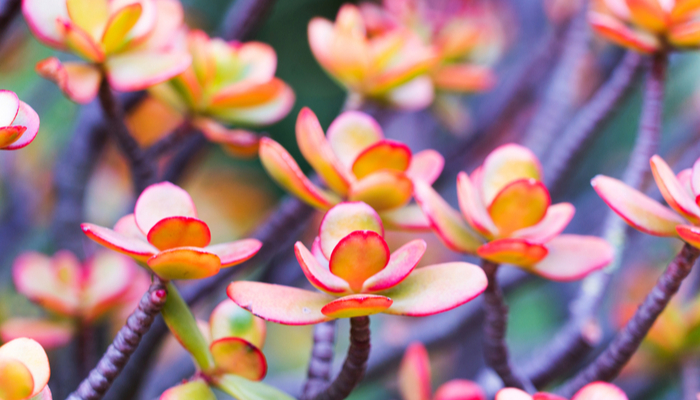
Calico Kitten, a variegated form of Crassula pellucida native to South Africa, offers heart-shaped leaves splashed with cream, pink, and green. This trail-forming succulent loves bright, indirect light and regular turning to maintain its vibrant variegation, yet it stays neatly confined to its pot. I once tucked a trailing planter by my reading nook, where the dangling leaves became my indoor “picket fence.”
Its tiny white flowers, blooming in late winter, attract small solitary bees that find shelter in the dense foliage. Aphids occasionally appear, but are swiftly dispatched by ladybugs drawn to the flowers. With its playful variegation and lively insect guests, Calico Kitten brings both charm and activity to any succulent lineup!
Sedum rubrotinctum ‘Aurora’
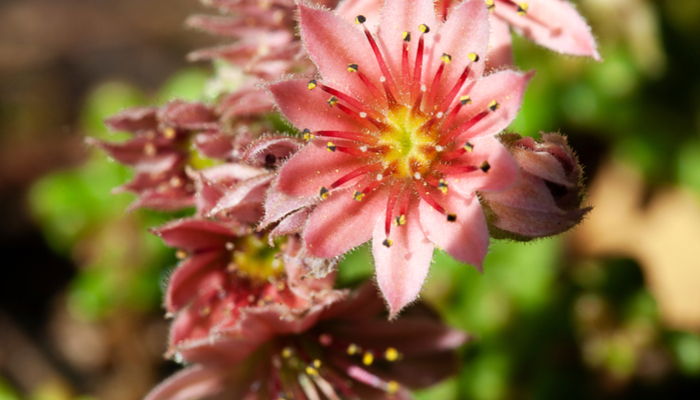
Sedum rubrotinctum, known as ‘Aurora’ for its rosy jellybean-like leaves, hails from Mexico’s arid regions. It thrives in full sun and sandy, fast-draining soil, forming low mounds that rarely self-seed in containers. Each plump leaf turns pink under bright light, resembling sunset hues—a phenomenon that always delights me at my patio’s edge!
In early spring, ‘Aurora’ yields yellow star-shaped flowers that beckon small hoverflies and native bees, turning the succulent into a bustling insect hub. The low-growing habit also invites ground beetles that scuttle among the leaves, keeping slug populations in check. With its candy-pink foliage and pollinator parties, Sedum ‘Aurora’ is an eye catcher year after year!
Schlumbergera truncata ‘Pink Orchid’ (Holiday Cactus)

Schlumbergera truncata, commonly called the Holiday Cactus, originates from Brazil’s coastal mountains. Its flattened, lobed segments blush pastel pink when flower buds appear in spring. Unlike invasive jungle cacti, it remains neatly confined to hanging baskets or pot rims, loving bright, indirect light and regular moisture.
When it blooms, ‘Pink Orchid’ unfurls tubular pink flowers that attract hummingbirds and small butterflies in a sunny greenhouse setting. Its arching stems also provide perching spots for tiny beneficial spiders that help curtail whitefly populations. This seasonal showstopper brings both drama and delicate wildlife interplay to your indoor garden—perfect for springtime cheer!
Graptosedum ‘California Sunset’
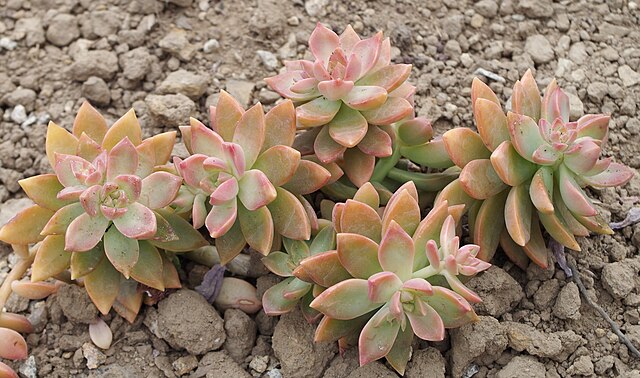
A hybrid of Graptopetalum and Sedum, ‘California Sunset’ flourishes under full sun, where its rosettes age from pale gray-green to warm pink and orange tones. It’s native to hybridization collections rather than wild habitats, so it poses no invasive threat in pots. Its sprawling habit fills containers nicely without overtaking neighboring plants.
In late spring, the succulent puts forth coral-red flower stalks that blush yellow, irresistibly attracting bees and hoverflies. Beneath its sprawling mats, soil surfaces remain lightly covered, deterring weed seeds from germinating. ‘California Sunset’ turns any planter into a living sunset—alive with color and beneficial pollinator activity!
Anthurium andraeanum

While primarily grown as an ornamental foliage plant, Anthurium andraeanum’s glossy heart-shaped leaves and occasional pink spathes make it a standout indoor specimen. Native to Colombia and Ecuador’s rainforests, it thrives in warm, humid conditions and bright, indirect light without spreading invasively in containers.
Rarely flowering indoors, its heart leaves still attract small hoverflies, drawn to hidden moisture on leaf surfaces. The dense foliage offers refuge for predatory mites that help keep mealybugs at bay. For a dramatic statement plant that pairs plant therapy with subtle insect benefits, Flamingo Flower is a gorgeous choice this spring!
Kalanchoe luciae ‘Flapjacks’
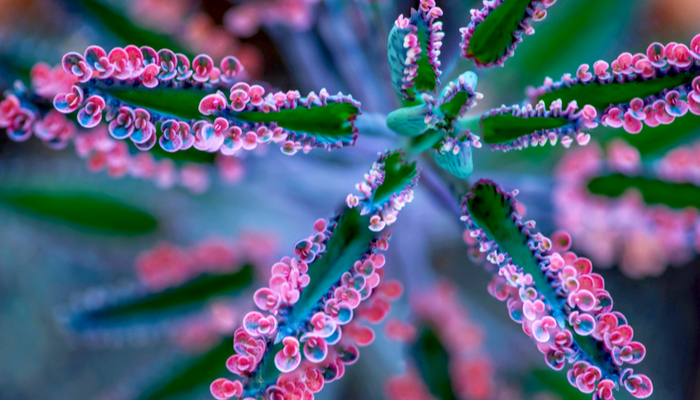
Kalanchoe luciae ‘Flapjacks’, native to South Africa, is prized for its paddle-shaped leaves that glow pink at the edges under stress. Thriving in bright sun and porous soil, these paddle plants stay well-behaved in containers without spreading underground. I place mine where it gets afternoon sun, watching the leaves blush like corals at sunset!
In early spring, ‘Flapjacks’ produces clusters of red flowers that invite hummingbirds and butterflies into the garden. The thick leaves also shelter tiny pollinating beetles, adding occasional movement to its bold form. For a succulent that feels like a tropical sunset and a wildlife magnet, ‘Flapjacks’ is the perfect pick!
Graptopetalum paraguayense (Ghost Plant)
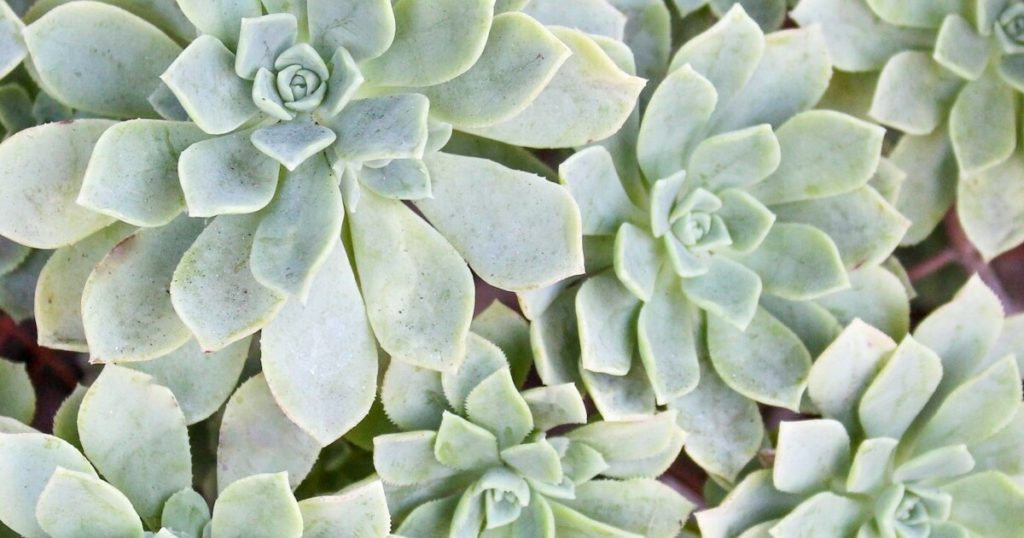
Graptopetalum paraguayense, known as the Ghost Plant, is native to Mexico and Arizona’s rocky outcrops. Its pale, pink-tinged rosettes cling to cliffs in nature, staying neatly clumped in pots when grown indoors. Its pastel hues grow more pronounced under drought stress, creating a living sculpture on any shelf.
Ghost Plant’s late-spring blooms—star-shaped white flowers with red spots—attract hummingbirds and small solitary bees if you keep it in a sunny spot. The rosettes also create shady pockets at their centers where beneficial predatory mites find refuge. With its ethereal glow and gentle insect visitors, Ghost Plant is a hauntingly beautiful addition to your spring display!
Aloe ‘Pink Blush’
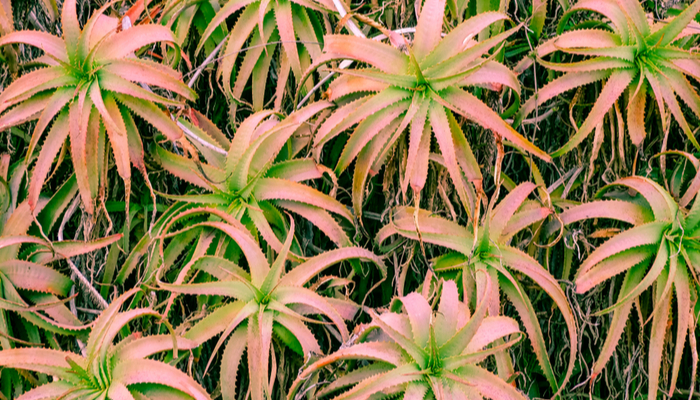
Aloe ‘Pink Blush’, a cultivar of Aloe vera from East Africa, forms spiky, fleshy leaves that flush pink under bright light and drought. It’s a compact grower, remaining well-contained in pots without invasive roots. In my sunny windowbox, ‘Pink Blush’ never fails to surprise me with its rosy hues under stress!
When Aloe ‘Pink Blush’ flowers—usually in late spring—its tall orange-red spikes draw hummingbirds and butterflies in search of nectar. The spiny leaves also provide tiny perching spots for small predatory grasshoppers that help control pest outbreaks. For a succulent that pairs therapeutic gel use with vivid spring color and wildlife appeal, ‘Pink Blush’ can’t be beat!