
Starting a garden can feel overwhelming, especially when you’re worried about endless watering, finicky soil requirements, or plants that never seem to take off. I know how frustrating it is to invest time and hope in seedlings that fizzle out—it’s such a bummer when nothing blooms! That’s why I’ve curated this list of 14 of the easiest, most forgiving flowers that practically plant themselves and reward you with vibrant color, delightful fragrance, and lively pollinator activity.
Whether you’re working with containers on a balcony, a small backyard patch, or expanded beds, these beginner-friendly blooms will help you build confidence and experience the joy of gardening. Each selection is chosen for its low-maintenance nature, adaptability to various climates, and non-invasive habits, ensuring you get dependable performance without complicated care routines. Let’s dive into these cheerful, robust flowers that will have you feeling like a seasoned gardener in no time!
Coneflower (Echinacea purpurea)
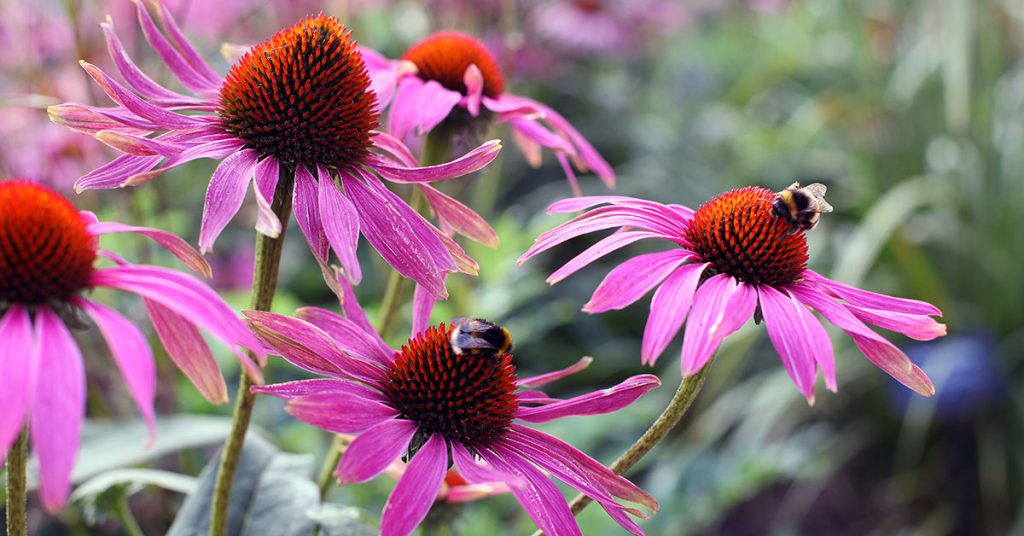
Coneflowers are North American natives famed for their sturdy, daisy-like blooms with raised centers, coloring in shades of pink, purple, and white. I’ve found that once established in well-drained soil and full sun, these perennials bloom reliably from midsummer through early fall, requiring only occasional deadheading. Their tall, upright habit creates a structured backdrop, and the seed heads left in autumn attract finches that nibble on the seeds—nature’s own cleanup crew!
Beyond their resilience, Coneflowers serve as excellent foraging stations for bees and butterflies, while their seed heads provide winter sustenance for birds. They rarely self-seed aggressively, remaining neatly clumped. In my garden, these flowers have been a go-to for easy color, consistent performance, and constant wildlife activity that’s incredibly satisfying for new gardeners!
Pansies (Viola × wittrockiana)
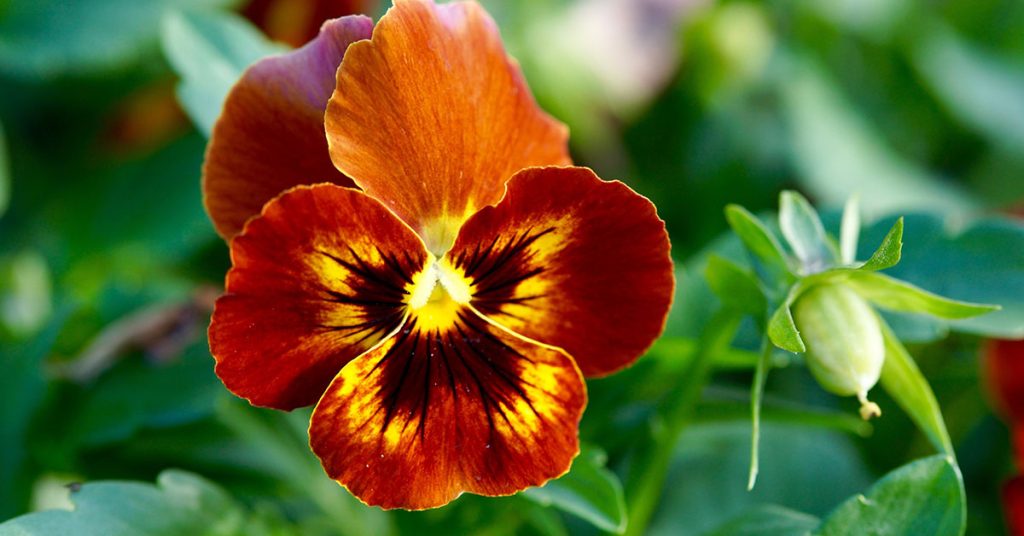
Pansies, hybrid descendants of European wild violets, offer a cheerful palette of jewel-toned “faces” that bloom from early spring into the first frosts. These cold-tolerant annuals thrive in partial shade and moist, well-drained soil, making them perfect for beginner gardeners looking for early-season color. I love planting pansies in containers and borders; their compact form and constant flowering attract small native bees that nest in nearby bare soil, helping pollination throughout the garden.
Pansies require minimal attention—simply remove spent blooms to encourage new flowers. They’re non-invasive and stay neatly contained within their borders. My patio boxes burst with color all spring long, with almost no effort beyond regular watering and occasional feeding. Pansies truly deliver big impact for new gardeners wanting easy success and ongoing pollinator support!
Marigolds (Tagetes spp.)
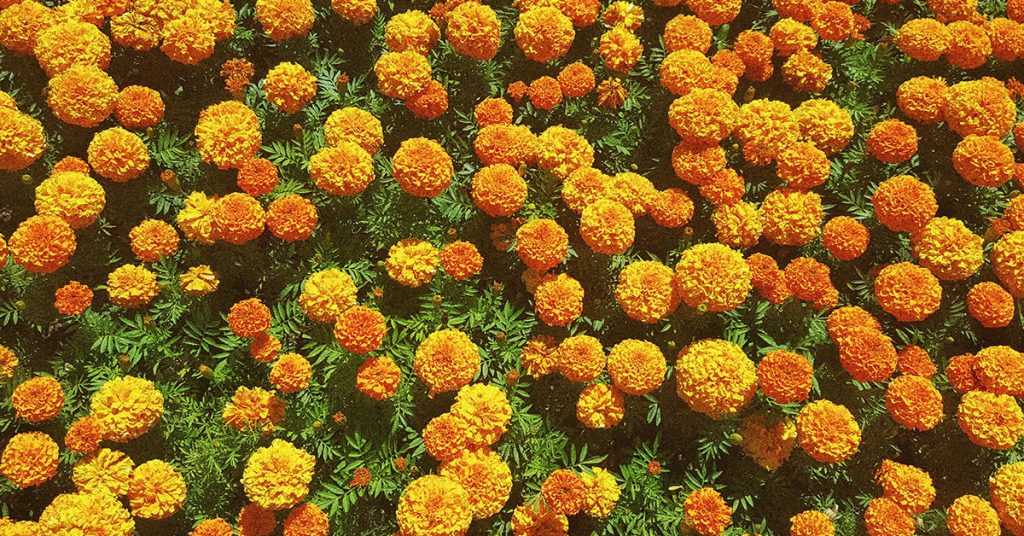
Marigolds, native to the Americas, are synonymous with beginner gardening for good reason: they sprout easily from seed and thrive in full sun and average soil. Their golden and orange pompon or daisy-like blooms last from late spring until fall without fuss. In my experience, marigolds not only brighten beds but also attract beneficial hoverflies and ground beetles that prey on aphids, providing natural pest control in the garden.
While they self-seed if you let them, marigolds remain well-behaved and won’t take over your planting area. They’re excellent in both containers and borders, and I often interplant them with vegetables to ward off harmful nematodes. For a fuss-free, long-lasting show of color and a boost to garden health, marigolds are unbeatable companions for beginners!
Zinnias (Zinnia elegans)

Zinnias, originally from Mexico and Central America, are sun-loving annuals celebrated for their bold, multi-petaled blooms in every hue imaginable. They flourish in hot, sunny spots with minimal watering once established, making them perfect for those new to gardening (I know how disheartening it is when plants falter in heat!). In my garden, zinnias attract hummingbirds and butterflies in droves, turning mid-summer into a colorful winged festival.
Regular deadheading keeps zinnias in continuous bloom, and they rarely self-seed beyond their designated plot. Their upright, sturdy growth habit ensures they don’t flop over, maintaining a neat appearance even in the sunniest borders. For gardeners seeking vivid, long-lasting color with effortless care, zinnias truly deliver on both front and flower power!
Sunflowers (Helianthus annuus)
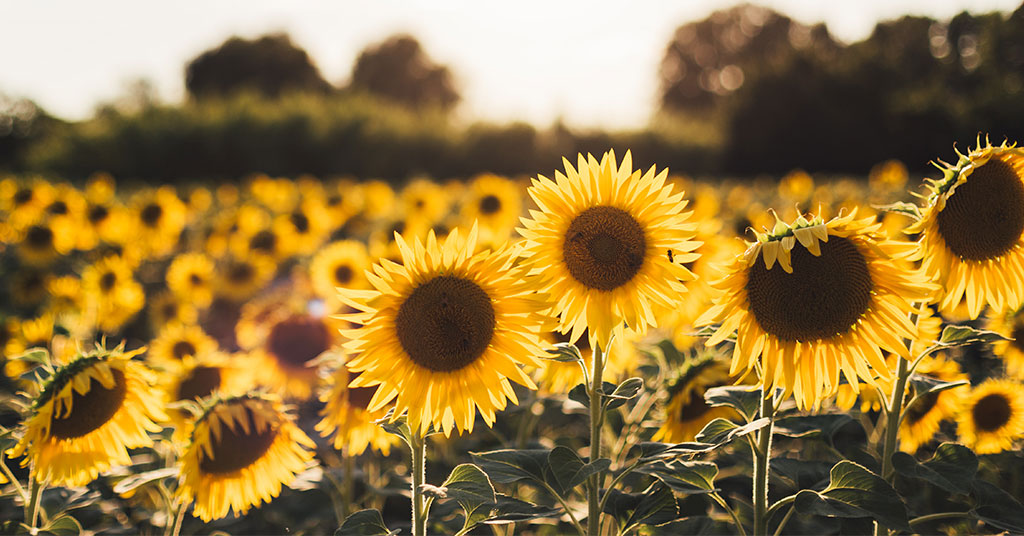
Sunflowers, native to North America, are iconic giants that sprout quickly from seed and unfurl their cheerful faces toward the sun. I love how these annuals can reach impressive heights with minimal fuss—just full sun, average soil, and consistent moisture. In my experience, giant and dwarf varieties both draw bees, butterflies, and even small birds that feed on their seed heads later in the season, adding life and movement to the garden.
Despite their towering stature, sunflowers remain non-invasive and hold their form well, especially when planted in groups for mutual support. Their bold presence acts as a natural focal point, requiring little beyond staking and occasional feeding. For novices eager to make a dramatic statement with minimal effort, sunflowers are the go-to choice for easy growth and abundant wildlife visits!
Cosmos (Cosmos bipinnatus)
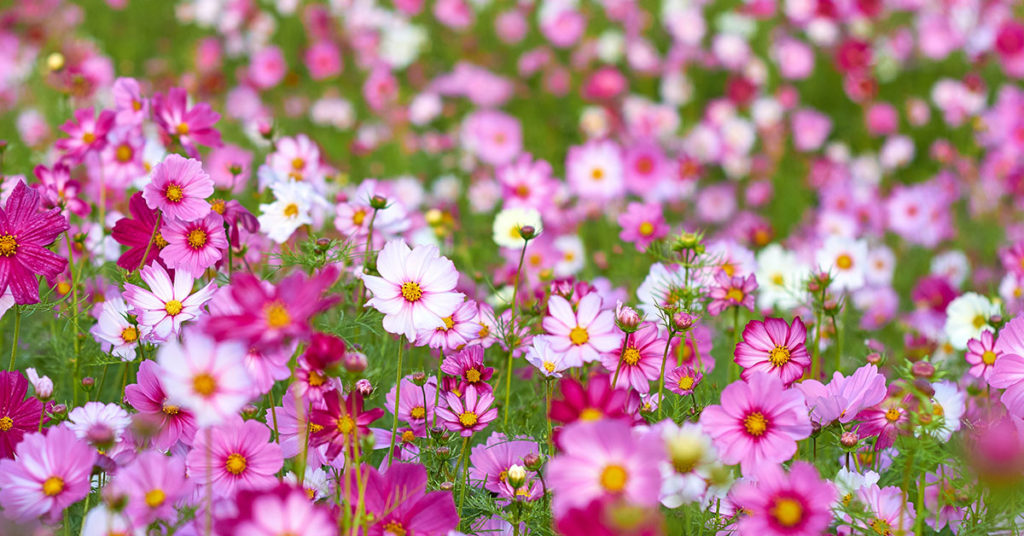
Cosmos, native to Mexico and the southern United States, bring delicate, fern-like foliage topped by graceful, daisy-like flowers in shades of pink, white, and deep crimson. These annuals are fuss-free: they thrive in poor soil, full sun, and drought conditions. I’ve been delighted by how long cosmos bloom—from early summer until frost—attracting butterflies, bees, and beneficial insects like parasitic wasps that help control pests naturally.
Cosmos self-seed in a controlled manner, filling gaps next spring, yet they remain tidy when deadheaded and lightly thinned. Their airy habit provides a soft backdrop for bolder blooms and adds a cottage-garden charm. For beginner gardeners longing for continuous color with virtually no maintenance, cosmos are a dream come true—easy, elegant, and endlessly pollinator-friendly!
Nasturtiums (Tropaeolum majus)

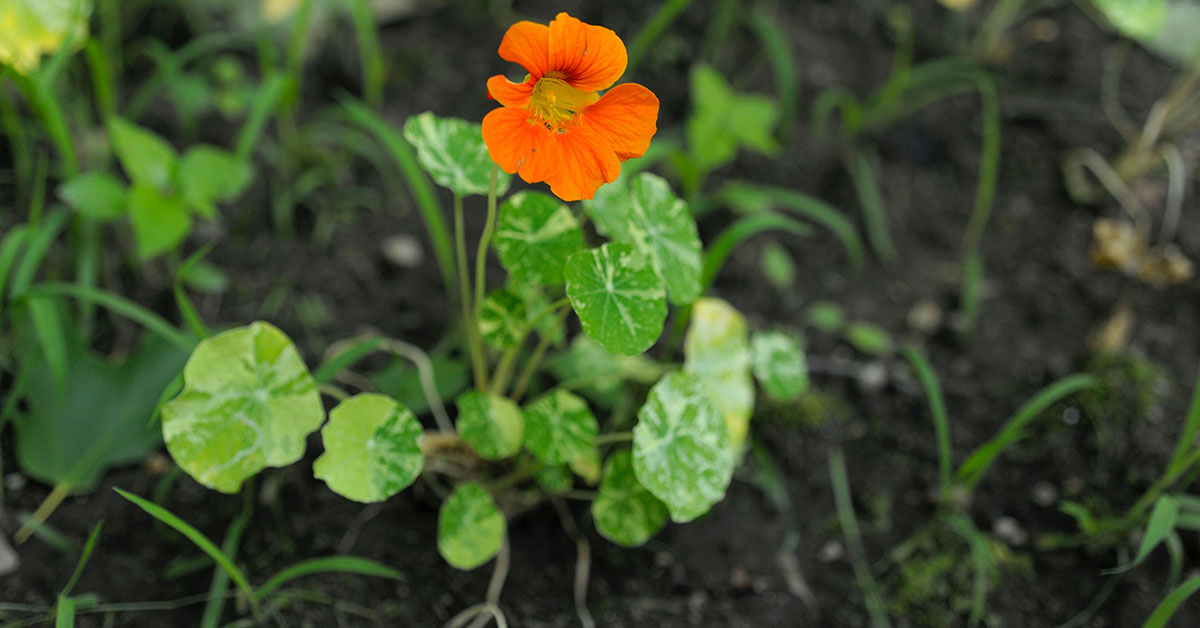
Nasturtiums, native to South America, produce vibrant, edible blooms in fiery reds, oranges, and yellows that tumble over containers or climb supports. These fast-growing annuals flourish in poor to average soil and full sun to part shade, requiring minimal feeding. In my experience, their peppery flowers attract hummingbirds and small butterflies, while their peppery leaves help deter aphids from nearby plants—a dual benefit for beginners facing pest woes!
Though they self-seed readily, nasturtiums seldom become invasive; volunteer seedlings can be easily removed or transplanted. Their cheerful vining habit and edible nature make them perfect for both ornamental and culinary purposes. For new gardeners seeking eye-catching color, simple care, and a functional role in pest management, nasturtiums check all the boxes with style and ease!
Calendula (Calendula officinalis)

Calendula, also known as pot marigold, hails from southern Europe and blooms in bright orange and yellow daisies from early spring through frost. These hardy annuals prefer full sun and rich, well-drained soil but still perform well in poorer ground. I’ve found that Calendula’s nectar-rich flowers are irresistible to bees and hoverflies, which in turn help keep aphid populations in check—nature’s balanced approach to pest control.
Calendula self-seeds modestly, filling in gaps for next season, yet remains manageable with light deadheading. Its gentle, cheerful appearance complements both cottage and formal garden styles. For gardeners wanting a dependable performer that nourishes pollinators and requires minimal care, Calendula is an ideal, multipurpose choice!
Petunias (Petunia × hybrida)
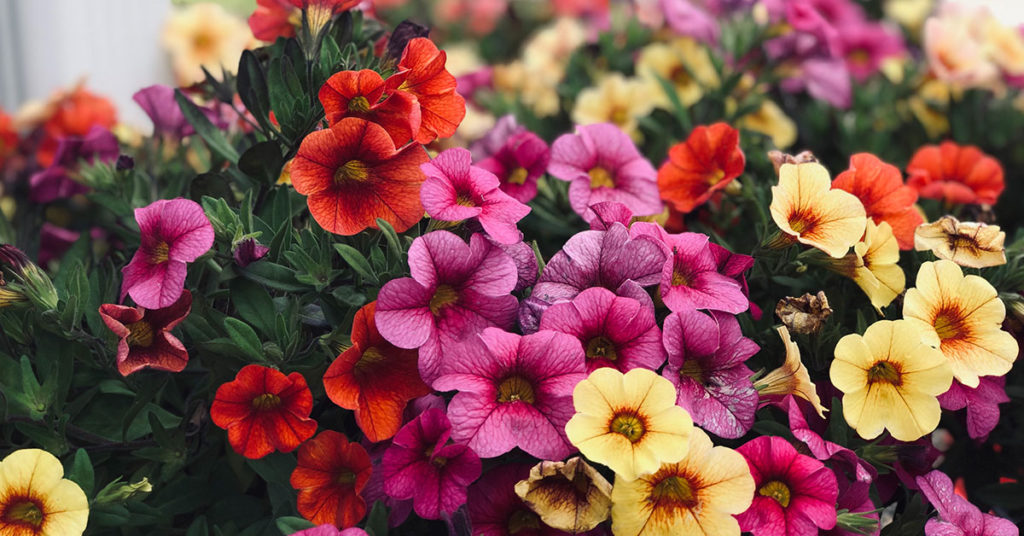
Petunias, hybrids originally bred from South American species, offer endless color options and bloom prolifically from late spring until frost. These annuals adore full sun and well-drained soil, and I’ve seen them flourish in hanging baskets and garden beds alike. Each trumpet-shaped flower attracts hummingbirds and small bees, adding dynamic energy to the garden’s ambiance.
Petunias respond exceptionally well to regular deadheading, encouraging a non-stop display of blossoms. They’re non-invasive and remain confined to their containers or patches, making them perfect for meticulous gardeners. For anyone looking to fill containers or borders with lush, vibrant color and continuous nectar sources, petunias are a foolproof favorite for beginners!
Snapdragons (Antirrhinum majus)
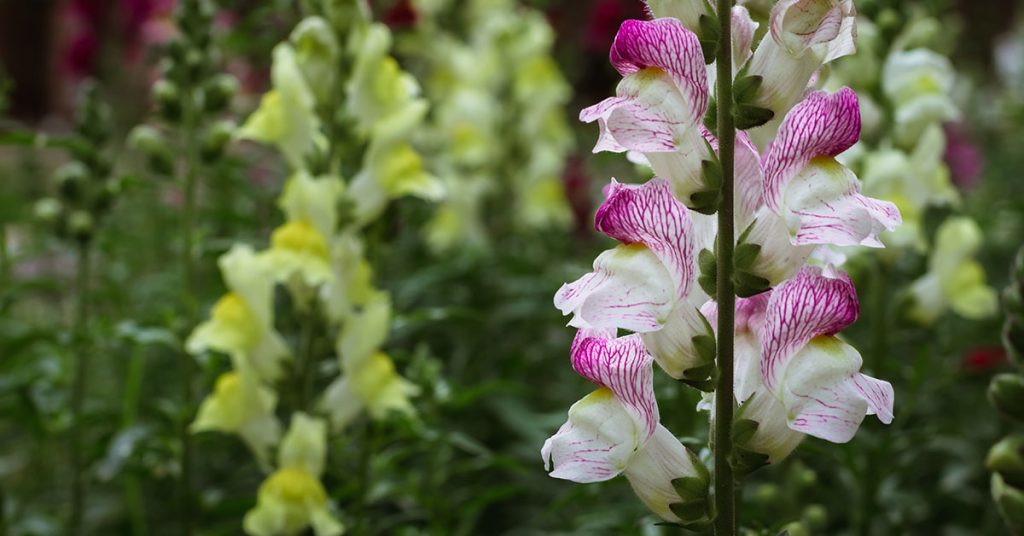
Snapdragons, native to the Mediterranean, produce tall spikes of bilateral flowers in a rainbow of hues that bloom from early spring through early summer—and often again in fall. I’ve always been enchanted by the playful “snap” sound when you pinch the flowers, and I’ve watched hummingbirds and bumblebees explore their tubular blooms in search of nectar. Their sturdy vertical form adds architectural interest to borders or containers.
These hardy annuals prefer full sun to part shade and well-drained soil. Regular pinching of spent blossoms encourages fresh blooms, and Snapdragons remain tidy with minimal pruning. For gardeners eager to add height, texture, and lively pollinator visits with reliable performance, Snapdragons are a top-tier choice for beginner-friendly gardens!
Sweet Alyssum (Lobularia maritime)
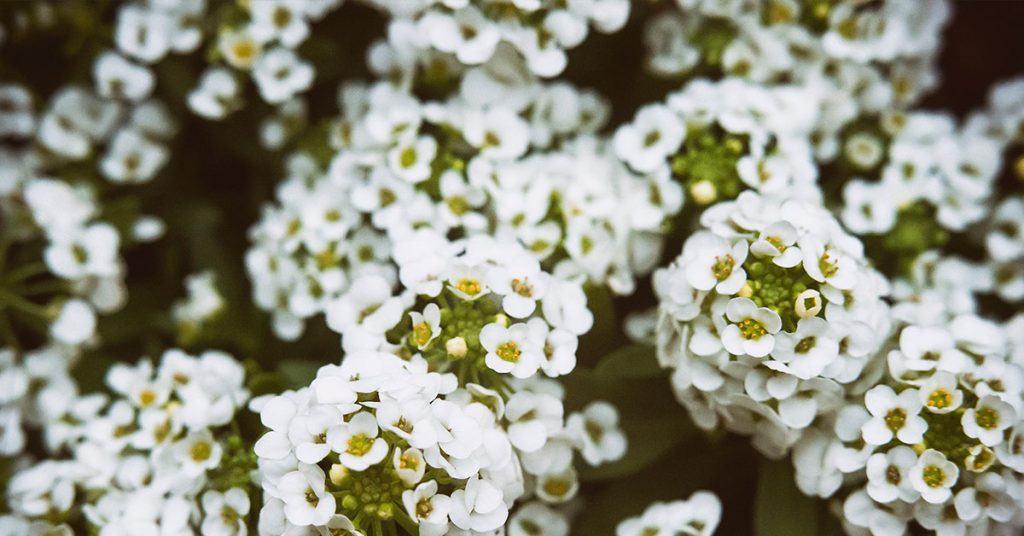
Sweet Alyssum, native to the Mediterranean region, carpets the garden with clusters of tiny, fragrant white or pastel blooms from spring until the first frost. In my own garden, I love how this low-growing annual not only looks tidy at bed edges but also attracts pollinators—especially hoverflies that help keep aphid populations under control. The sweet honey scent is a bonus, creating a sensory delight at ground level!
Thriving in full sun to part shade and well-drained soil, Alyssum self-sows modestly without overtaking beds. A quick trim after the first flowering flush promotes a second wave of blooms, ensuring a continuous display. For beginners looking to add fragrance, groundcover, and beneficial insect habitat with minimal effort, Sweet Alyssum stands out as an exceptional, easy-care option!
Geraniums (Pelargonium × hortorum)
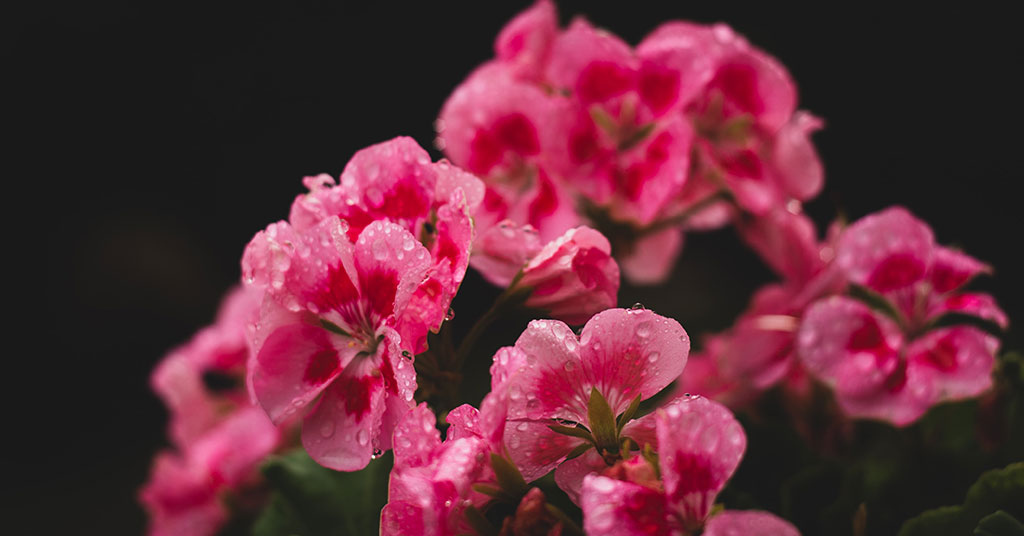
Zonal Geraniums, derived from South African and East African species, are classic container plants known for their bright, rounded blooms in red, pink, white, and bi-colors from late spring until frost. I’ve found that these hardy perennials thrive in full sun and well-drained soil, attracting pollinators like bees and small butterflies without much fuss. Their distinct leaf scent also helps deter deer and rabbits—a welcome bonus for those battling nibbling pests!
Regular deadheading of spent flowers keeps Geraniums in constant bloom, while an occasional lick of balanced fertilizer promotes vigorous growth. Zonal Geraniums remain non-invasive when grown in pots or defined beds, ensuring a neat, orderly display. For novice gardeners wanting long-lasting, colorful blooms with straightforward care, these geraniums are an unbeatable choice!
Daylilies (Hemerocallis spp.)
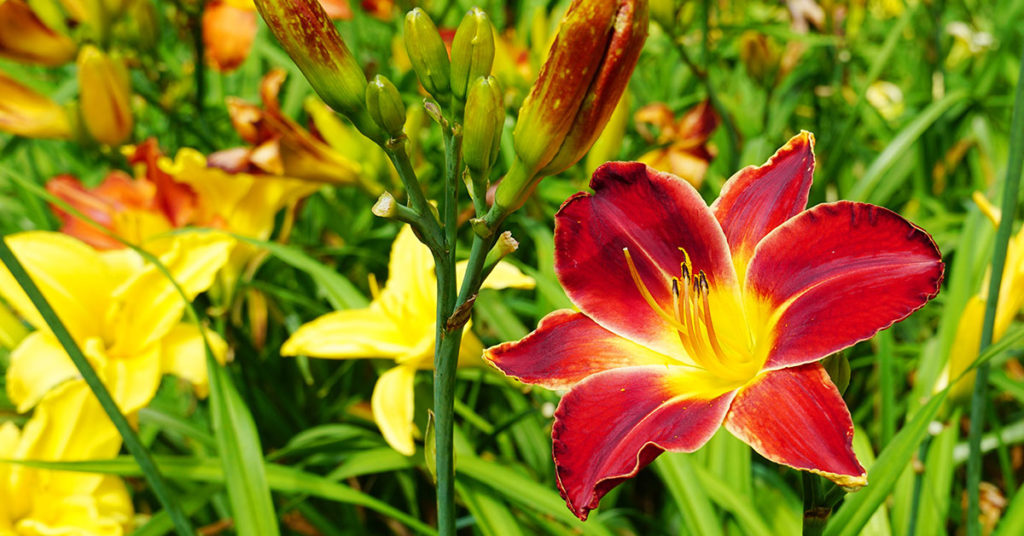
Daylilies, native to Asia, boast vibrant trumpet-shaped blooms on tall stems that open daily from early summer into late summer. Each flower lasts just a day, but the sheer number of buds ensures an unbroken show. In my perennial borders, Daylilies add height and drama, while bees and hummingbirds visit for quick sips of nectar before flitting to the next flower.
These hardy perennials thrive in full sun to partial shade and a variety of soils, adapting easily to beginner gardeners’ conditions. Clumping varieties remain contained, and dividing established clumps every three to five years keeps them vigorous. For effortless summer color with minimal maintenance, Daylilies are a dependable mainstay!
Sweet Peas (Lathyrus odoratus)
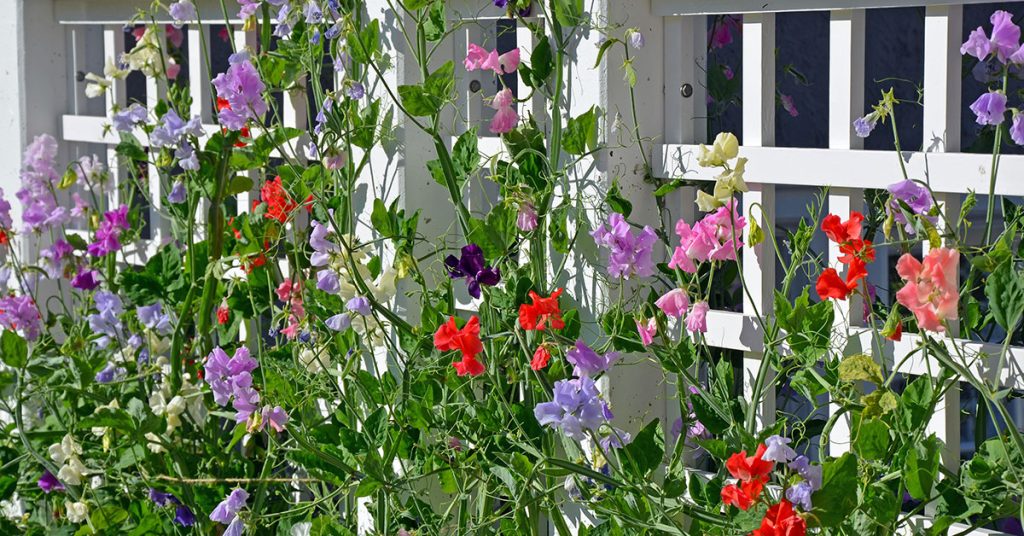
Sweet Peas, native to Sicily and southern Italy, are fragrant climbers that produce pastel-hued blossoms from spring into early summer. I adore how they quickly scale trellises or fences, creating aromatic floral walls that hummingbirds and small butterflies eagerly visit. Their scent is intoxicating, attracting beneficial insects that linger among the vines.
These annuals prefer rich, well-drained soil and full sun. Pinching early shoots encourages bushier growth, while removing spent flowers prolongs the show. Though they self-seed lightly, Sweet Peas remain tidy when trained properly. For beginner gardeners craving vertical interest, scent, and vibrant pollinator activity, Sweet Peas are a delightful and achievable option!