

There’s nothing quite as rewarding as a garden that bursts into color in early spring and keeps its brilliance well into the waning days of summer. As a gardener who delights in every unfolding petal, I’ve curated this list of 16 exceptional flowers that offer continuous blooms from the first warmth of spring through the lazy haze of late summer. I know how deflating it can be to invest time and effort into spring blossoms only to find your beds looking bare by midseason—it’s such a bummer when the garden stops giving! That’s why I’m excited to share these reliable bloomers that will keep your outdoor space alive with color and wildlife for months on end.
Each of these selections has been chosen for its extended flowering period, ease of care, and ability to attract beneficial pollinators and even small birds looking for nesting material or perches. Native and well-behaved varieties ensure you’re not setting up a botanical invasion but rather cultivating a sustainable, dynamic ecosystem. From the architectural spires of salvia to the cheerful faces of Shasta daisies, let’s explore these long-blooming stars that will transform your garden into an ever-changing tapestry of beauty and life.
Salvia nemorosa (Woodland Sage)
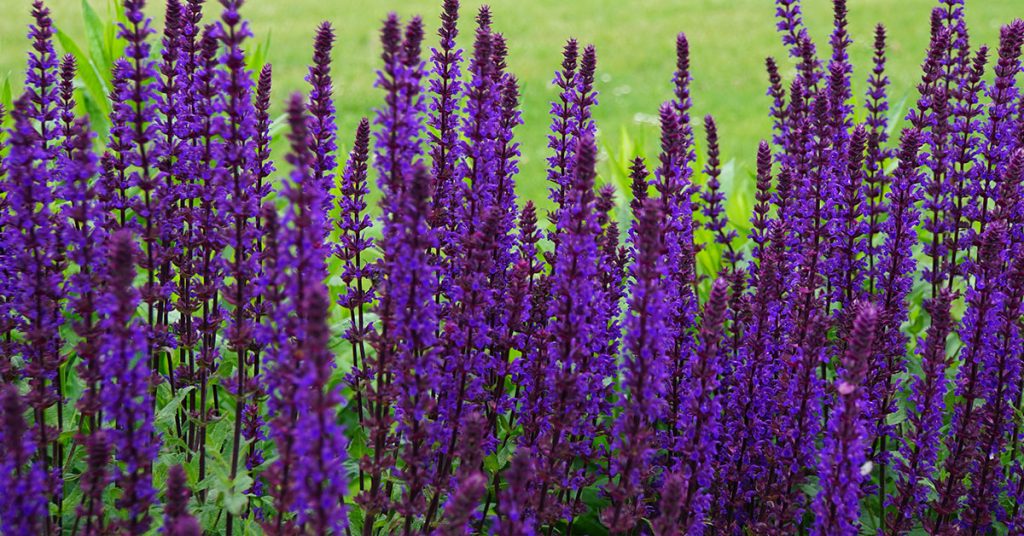
Woodland Sage dazzles with its slender spires of violet, rose-pink, or white flowers rising above neat, aromatic foliage. Native to Europe and Western Asia, this hardy perennial thrives in full sun and well-drained soil, showing off blooms from late spring well into the heat of summer. In my garden, Salvia nemorosa acts like a beacon for hummingbirds and bumblebees, who hover eagerly to sip its nectar. Its tidy clumping habit means you won’t find it overtaking neighboring plants, making it a perfect choice for both formal borders and wildflower-inspired plots.
This versatile sage is remarkably drought-tolerant once established, reducing the need for constant watering. Regular deadheading keeps those vibrant flower spikes coming, while its natural pest-deterring aroma means fewer chemical interventions. For gardeners seeking continuous color, structural form, and ecological harmony, woodland sage offers all three in spades—an indispensable piece of any long-blooming puzzle!
Echinacea purpurea (Purple Coneflower)

Purple Coneflower, a native North American wildflower, offers sturdy, daisy-like blooms atop strong stems, carrying vibrant pink to purple petals well into the late summer months. I’ve noticed its striking flowers never fail to draw bees, butterflies, and even goldfinches that feast on its seed heads. This rugged perennial, thriving in sun-drenched, well-drained soil, brings a touch of prairie elegance to mixed borders while supporting local wildlife with both nectar and seed.
Despite its long bloom time, Echinacea remains neatly contained, forming compact clumps that rarely require dividing. Its deep taproot system improves drought resistance and soil health, making it a resilient workhorse in any garden. Every time I walk past a patch of purple coneflowers still in bloom in August, I’m reminded why this plant is a favorite among both gardeners and pollinators alike!
Gaillardia aristata (Blanket Flower)
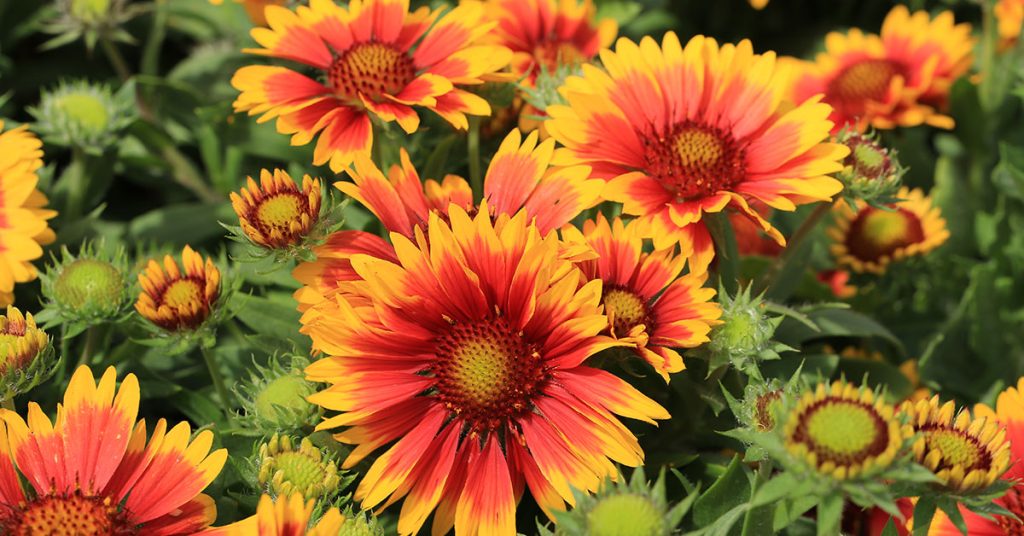
Blanket Flower lights up the garden with fiery red, orange, and yellow daisy-like blooms that span from late spring through the first cool breezes of autumn. Native to North America’s prairies, Gaillardia aristata thrives in hot, sunny spots and thrives in poor to average soils—no pampering required! I love how these cheerful blossoms attract a lively parade of butterflies and native bees, creating a dynamic and colorful party in my perennial beds.
While blankets of color might suggest runaway growth, blanket flowers remain well-behaved when given enough space. They self-seed sparingly, allowing you to enjoy a steady succession of blooms without worrying about invasive roots. For anyone seeking a bold, drought-tolerant splash of color that endures season after season, Gaillardia is an absolute must-have!
Coreopsis verticillata (Threadleaf Tickseed)
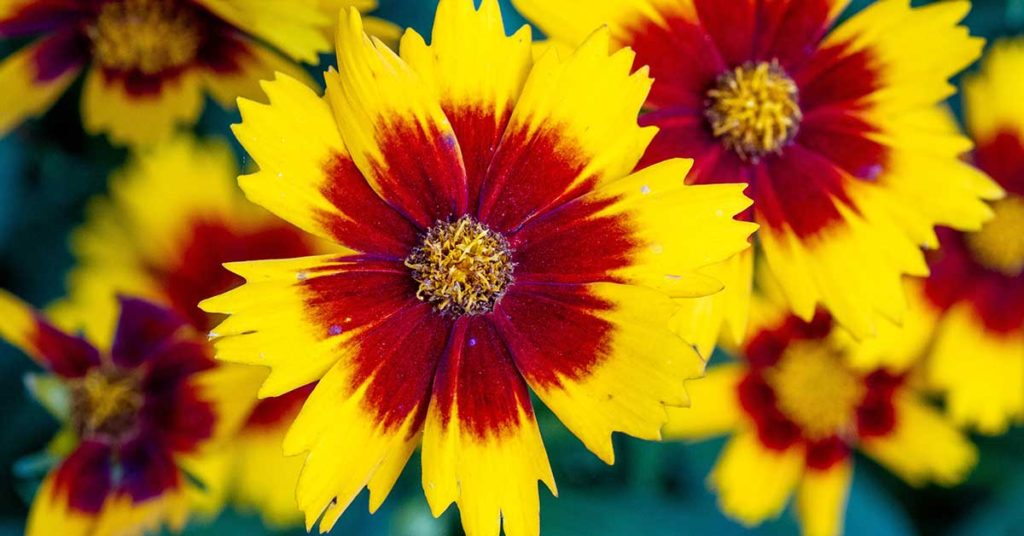
Threadleaf Tickseed presents delicate, feathery foliage topped by bright yellow, daisy-like flowers that bloom prolifically from late spring until frost. Native to North America, these perennials thrive in full sun and well-drained beds, creating a sea of gold that dances in the breeze. Each bloom invites pollinators—especially bumblebees—helping to maintain a healthy, vibrant ecosystem in your own backyard.
Coreopsis remains compact and tidy, rarely requiring more than a quick trim to encourage fresh blossoms. Its fine-textured leaves provide a lovely contrast to coarser greenery, ensuring an elegant yet carefree appearance. When you want a garden that glows continuously with life and light, Threadleaf Tickseed is a stalwart companion that never disappoints!
Zinnia elegans

Zinnias are summer superstars, producing an endless parade of vibrant, sturdy flowers from late spring through early fall. Native to Mexico and Central America, Zinnia elegans loves full sun and thrives in average garden soils. I find that their bold, circular blooms attract a spectrum of pollinators, from butterflies to hummingbirds, creating a dynamic tableau of fluttering wings and bold color.
Unlike some prolific bloomers that can spread aggressively, zinnias behave well in defined beds and containers, staying neatly within their space. Regular deadheading keeps the flowers coming in waves, while their disease-resistant nature reduces maintenance concerns. For gardeners seeking showy, long-lasting color, zinnias deliver maximum impact with minimal fuss—perfect for summer celebrations and beyond!
Hemerocallis (Daylily)
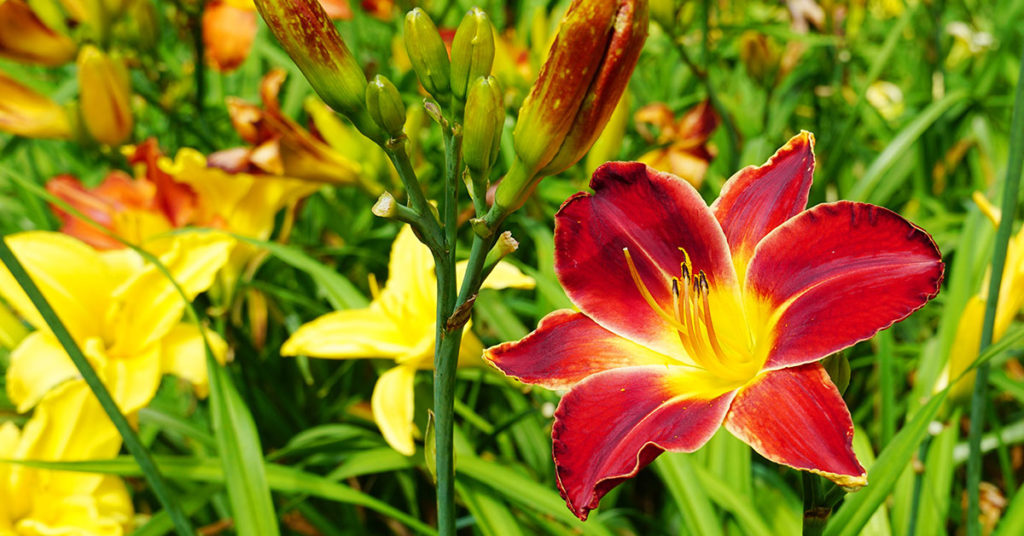
Daylilies are celebrated for their elegant, trumpet-shaped blooms that open each morning from late spring into late summer. Native to Asia, Hemerocallis cultivars have been bred for a stunning array of colors and forms, from soft pastels to deep hues. In my garden, daylilies add vertical interest and attract morning pollinators like bees and small hummingbirds, who relish the fresh flowers each day.
Although individual blooms last just a day, the abundance of buds ensures a continuous, season-long display. Daylilies remain well-mannered perennials, forming neat clumps that require minimal upkeep beyond occasional division. Their resilience and reliable performance make them a timeless choice for gardeners craving elegance that endures!
Salvia guaranitica (Anise-Scented Sage)
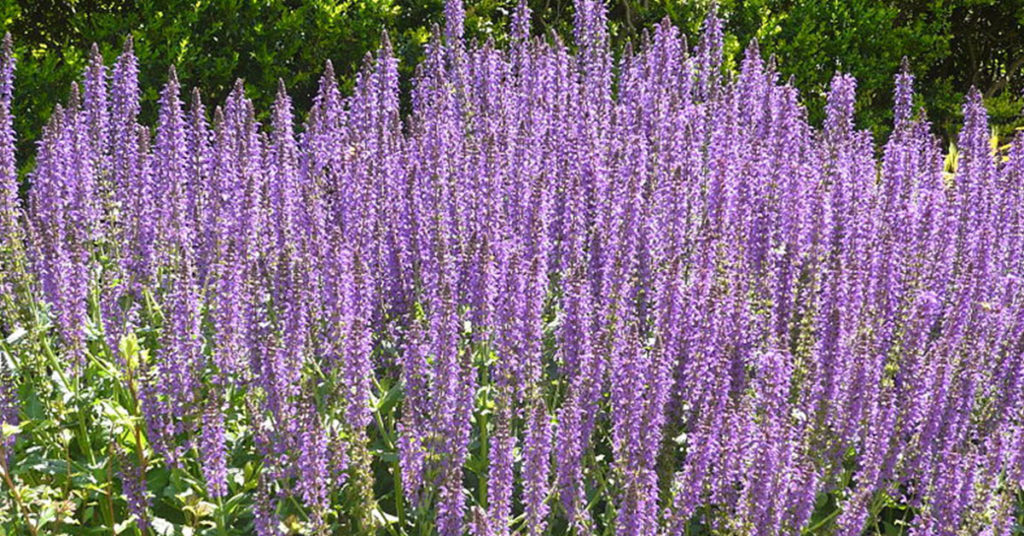
Anise-Scented Sage enchants with spiky blooms of deep blue or violet from early summer to frost, pairing beautifully with softer pastel flowers. Native to South America, this salvia thrives in sunny, well-drained locations and emits a gentle licorice scent when its foliage is brushed. I’ve noticed hummingbirds and bumblebees flocking to its nectar-rich flowers, creating an energetic and colorful display throughout the hottest months.
Despite its lush growth, Salvia guaranitica remains contained when pruned regularly, avoiding any invasive tendencies. The deep blue blooms add a touch of drama to perennial borders, and their long bloom time ensures consistent garden appeal. For gardeners seeking a touch of exotic elegance and wildlife magnetism, anise-scented sage is a standout choice!
Leucanthemum × superbum (Shasta Daisy)
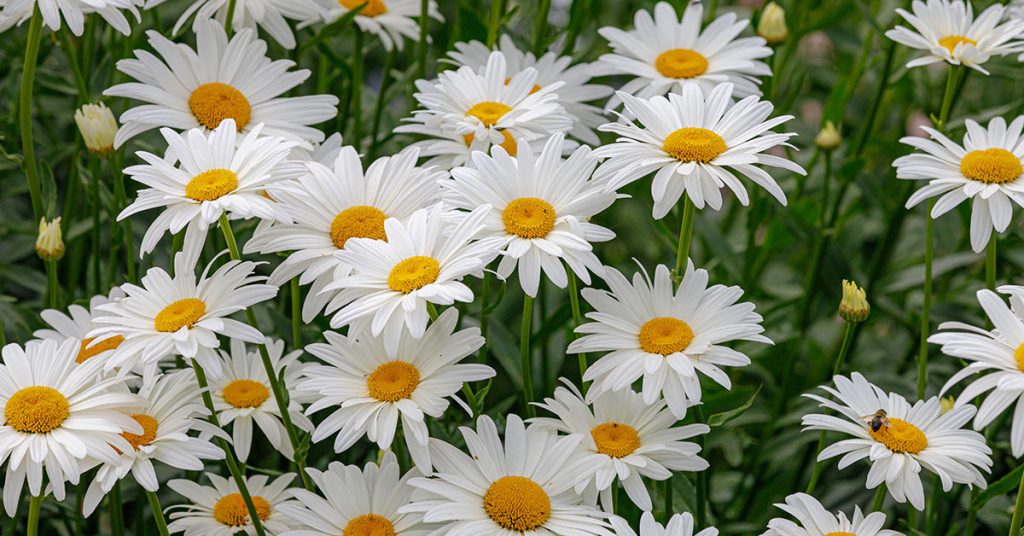
Shasta Daisies bring timeless charm with their crisp white petals and sunny yellow centers, offering nonstop blooms from early summer until the first frost. Hybridized from European daisies, Leucanthemum × superbum thrives in full sun and rich, well-drained soil. In my own garden, these daisies create a cheerful backdrop that attracts butterflies and ladybugs, supporting a balanced, predator-friendly ecosystem.
Their upright habit and sturdy stems ensure that Shasta Daisies hold their heads high, even in wind and rain. They remain tidy, non-invasive, and can be divided every few years to maintain vigor. For an elegant yet carefree display that keeps you smiling all season long, these daisies are a true perennial pleasure!
Dahlia pinnata
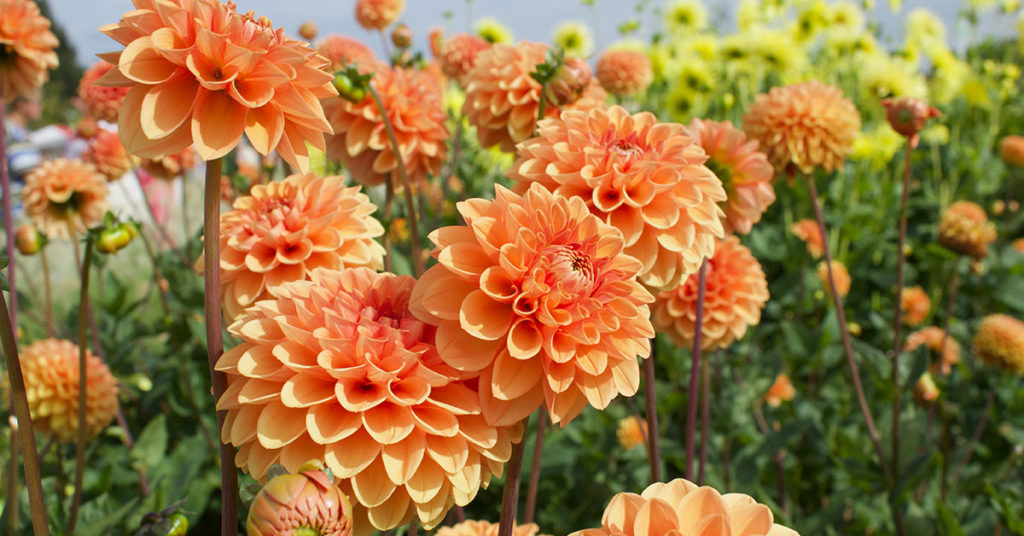
Dahlias offer an explosion of color and form—from pompon shapes to spiky petals—that bloom from midsummer through the onset of autumn. Native to Mexico and Central America, Dahlia pinnata thrives in rich soil and full sun, rewarding gardeners with breathtaking flowers that attract hummingbirds and pollinators. Their architectural presence makes them stunning focal points, drawing the eye and inviting admiration.
Though a bit more pampering is required—staking and tuber care—they remain non-invasive in garden beds. Regular deadheading and proper feeding keep the show going strong. For a dose of dramatic elegance and long-lasting blooms, dahlias are an unparalleled choice that transforms the garden into a living gallery!
Phlox paniculata (Garden Phlox)
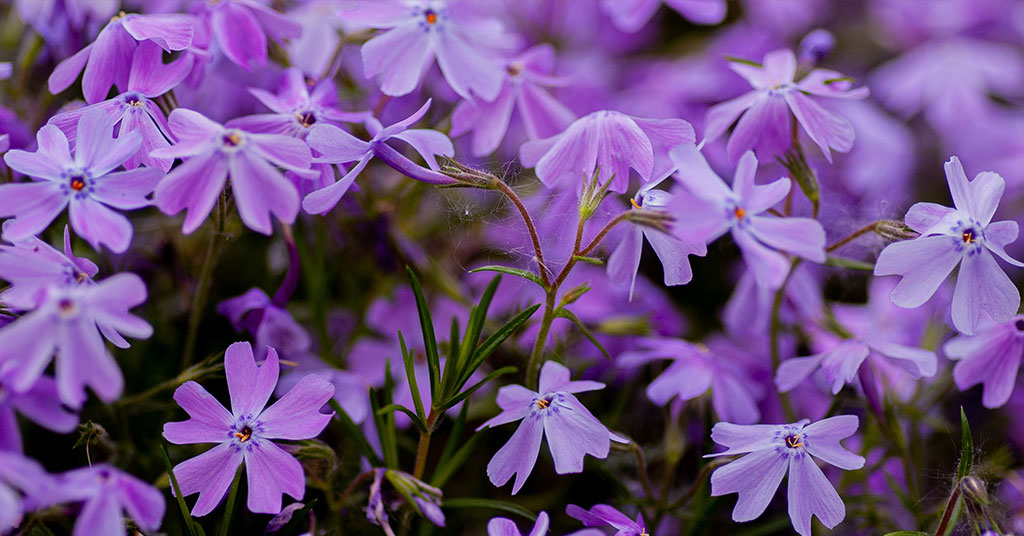
Garden Phlox unfurls fragrant clusters of pink, white, or lavender flowers from mid-summer into fall, infusing the air with sweetness and attracting a host of butterflies and hummingbirds. Native to North America, this perennial thrives in rich, moist soil and full to partial sun. In my experience, Phlox paniculata adds both height and texture to borders, standing tall amid lower-growing companions.
Proper spacing and airflow keep this beauty from succumbing to powdery mildew, ensuring a healthy, continuous bloom cycle. Its commanding presence and delightful fragrance make garden phlox a cherished staple in any long-blooming scheme—an elegant way to keep your late-summer garden alive with color and scent!
Cosmos bipinnatus
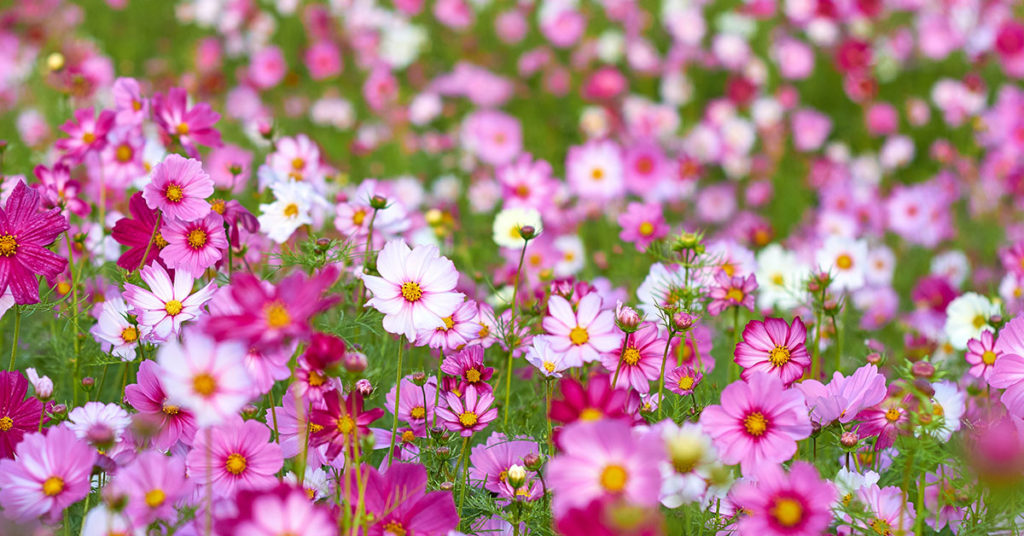
Cosmos are airy annuals with delicate, daisy-like blooms in shades from pastel pink to deep magenta, blooming prodigiously from early summer until frost. Native to Mexico and the southern United States, Cosmos bipinnatus thrives in poor soils and full sun, making it a carefree choice for busy gardeners. Their open, fern-like foliage provides a perfect stage for fluttering butterflies and small bees, creating a lively summer tableau.
These plants self-seed sparingly, offering a natural succession of blooms without becoming invasive. Regular trimming of spent flowers encourages new development, ensuring your garden stays vibrant without overwhelming maintenance. For an effortless, whimsical display that dances in the breeze, Cosmos is a must-have for a season-long festival of color!
Rudbeckia fulgida (Black-Eyed Susan)
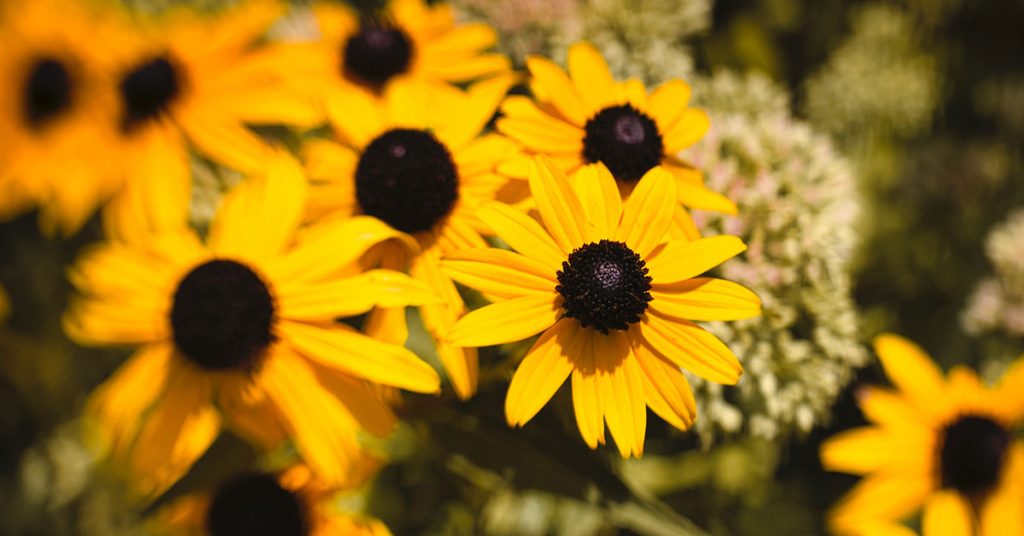
Black-Eyed Susans brighten the garden with their golden petals and dark central cones from mid-summer well into autumn. Native to North America, these resilient perennials relish sunny spots and well-drained soil, offering a long-lasting, cheerful display. I’ve seen how they draw in bees and butterflies, as well as birds scavenging for seeds later in the season, adding layers of seasonal interest.
This plant’s clumping habit remains tidy, requiring only occasional division to maintain health and prevent overcrowding. Its hardiness and steadfast blooms make Rudbeckia fulgida an essential player in any long-blooming garden, providing joy and wildlife support through the changing seasons!
Anemone × hybrida (Japanese Anemone)
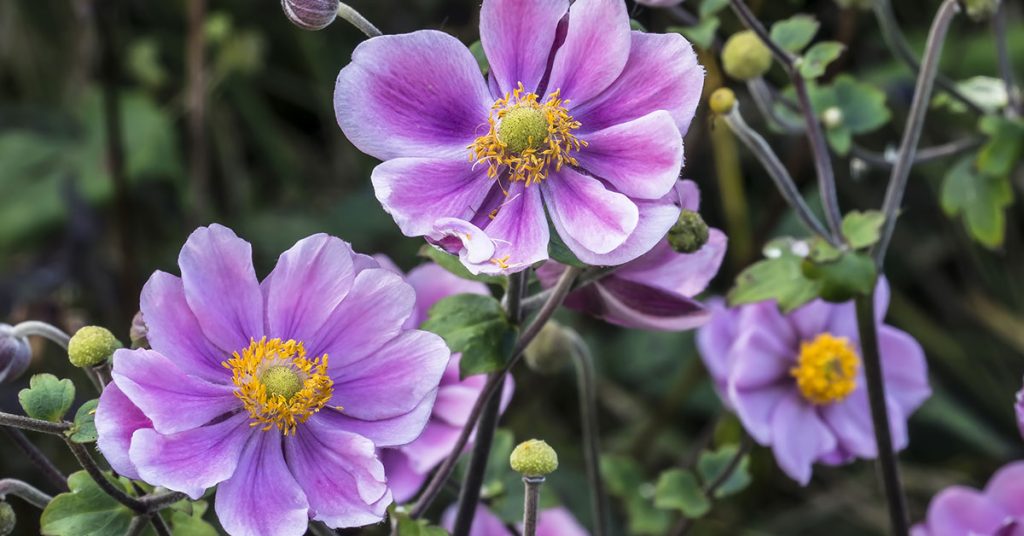
Japanese Anemones grace late summer beds with delicate, saucer-shaped flowers in soft pinks and whites that bloom from August into October. These robust perennials, originally from Asia, thrive in part shade and well-drained soil, making them ideal for brightening woodland edges or border fronts. In my shade garden, they attract small bees and beneficial beetles, which add gentle movement and interest to the late-season display.
Their clumping habit keeps them well-behaved, and a light mulch helps support their extended bloom time. The elegant, wind-swept appearance of Anemone × hybrida adds a touch of wistful beauty, bridging the gap between high summer and the first autumn chills—a graceful finale to the long-blooming lineup!
Agastache foeniculum (Anise Hyssop)
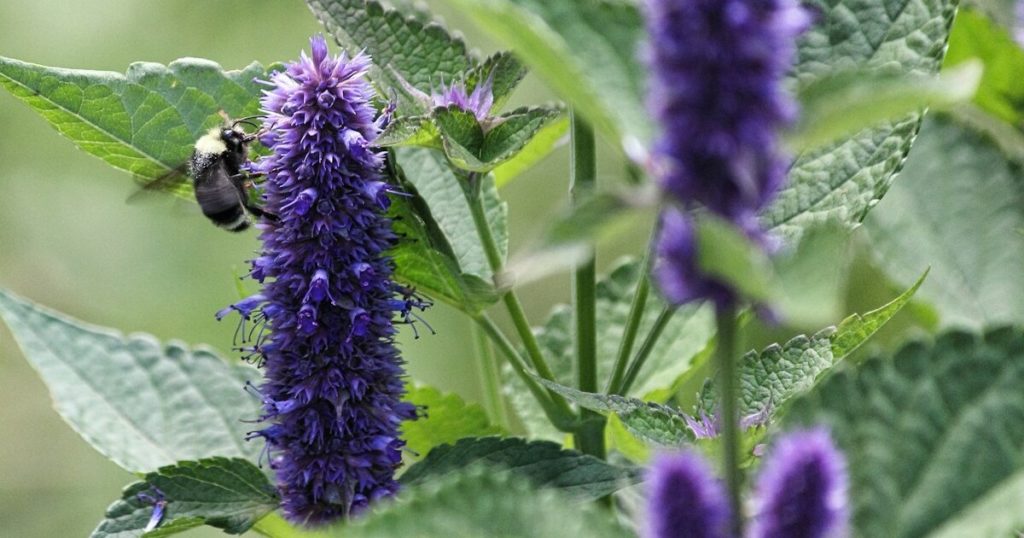
Anise Hyssop presents tall spires of lavender-blue flowers that perfume the air and offer nectar to hummingbirds and bees from midsummer until early fall. Native to North America’s northern plains, this perennial thrives in full sun and well-drained soil. I love how its licorice-scented foliage and long-lasting blooms add both fragrance and refined vertical interest to my garden, making it a buzzing, sensory delight.
Well-behaved and non-invasive, Agastache foeniculum remains contained in clumps that can be divided to rejuvenate blooms. Its robust nature and extended flowering period make it a superb choice for gardeners seeking both ecological benefit and unbroken color from spring through late summer!