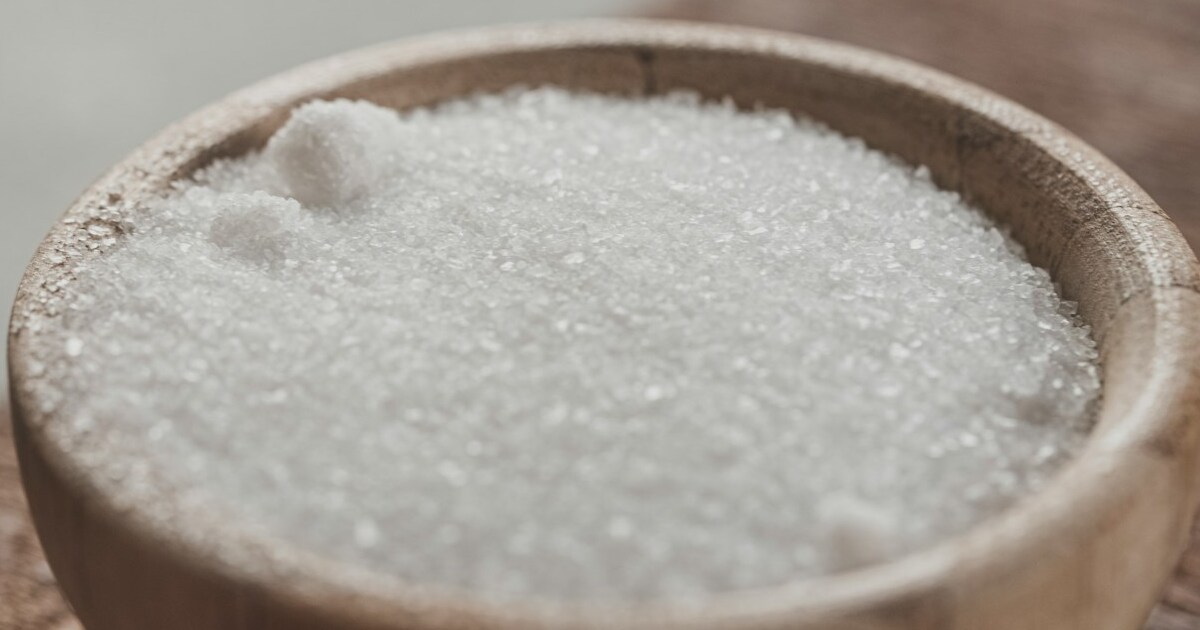

Spring is a time of renewal, and as a dedicated gardener, I know how important it is for every leaf and root to have the best possible conditions to thrive. One of the hidden culprits that can sabotage even the most well-planned garden is excessive salt. Whether it comes from road de-icers, overuse of certain fertilizers, or irrigation with saline water, salt buildup can wreak havoc on plant health. I’ve seen firsthand how salt stress turns lush foliage into shriveled, brittle remnants, and it’s such a bummer when you notice your once-vibrant garden fading into distress.
Understanding the impact of salt on plants not only helps in troubleshooting an underperforming garden but also guides us to adopt more sustainable practices. I’m excited to share with you 10 reasons why excess salt might be harming your plants, along with practical insights drawn from my years of trial and error. By learning how salt affects soil, roots, and overall plant resilience, you can take proactive measures to restore balance and nurture a thriving, lush garden that supports beneficial insects and maintains natural beauty!
Inhibits Water Absorption
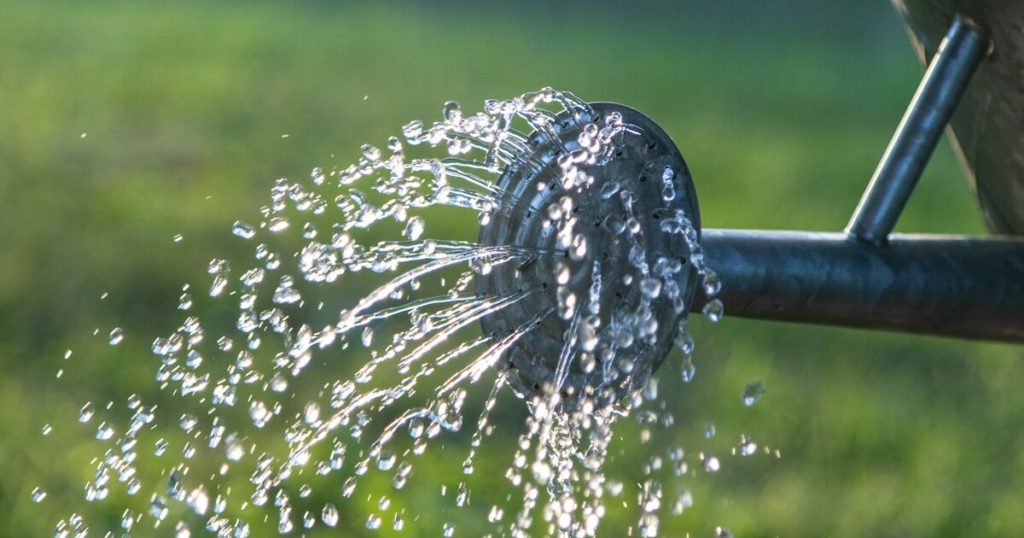
One of the foremost issues with excessive salt is that it impedes a plant’s ability to absorb water. When salt accumulates in the soil, it creates a high osmotic pressure that essentially draws water away from the plant’s roots. I’ve noticed in my own garden that plants growing in salt-affected soil often appear wilted and dehydrated even when the ground seems moist. This phenomenon is particularly frustrating because it makes you wonder why your plants aren’t thriving despite regular watering—they simply cannot take up the water they desperately need!
Additionally, poor water uptake directly affects the plant’s metabolic activities. When roots cannot access water effectively, the transport of nutrients is disrupted, leaving plants weakened and less vibrant. Over time, this chronic water stress can stunt growth and reduce fruit production, making it clear that water is too precious to be lost to salt. In a garden where every drop counts, the interference of salt with water absorption is a critical issue that underscores the need for proper soil management and careful irrigation practices.
Damages Root Systems
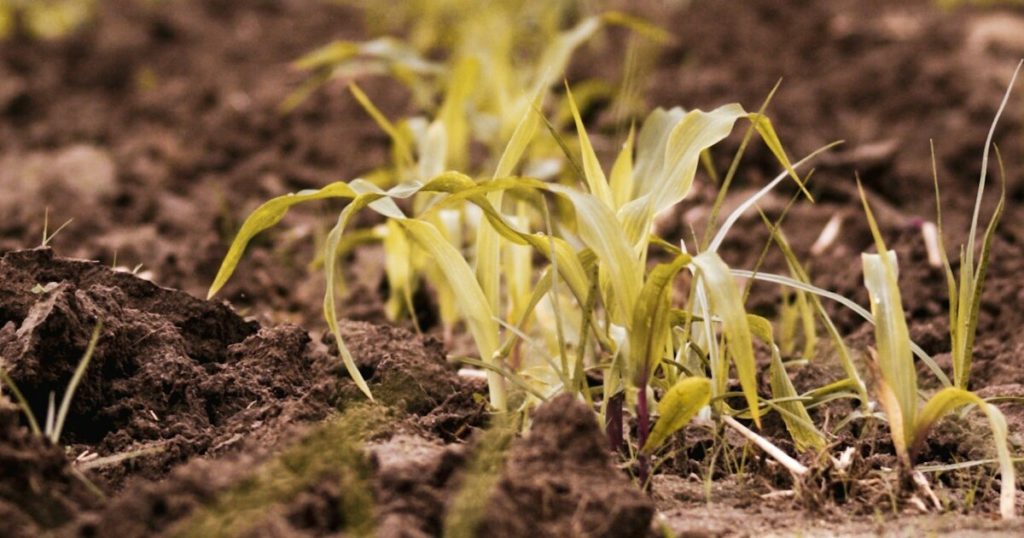
Excess salt in the soil can have a corrosive effect on plant roots, hindering their growth and health. In my experience, plants exposed to high salt levels often exhibit thin, discolored roots that are unable to penetrate the soil effectively. This damaged root system limits the plant’s ability to uptake water and nutrients, creating a cycle of stress that undermines overall vitality. It’s such a bummer when you see the foundation of your garden—the roots—begin to deteriorate from something as seemingly minor as salt accumulation!
Beyond inhibiting growth, salt can disrupt the delicate balance of microorganisms around the roots, which are essential for nutrient cycling. These beneficial microbes work in symbiosis with plant roots to break down organic matter and facilitate nutrient uptake, a process that is severely compromised when salt is present in excessive amounts. The health of your garden depends on robust roots, and excessive salt turns what should be a thriving network into a fragile system susceptible to disease and poor performance.
Disrupts Nutrient Balance

Excessive salt tends to upset the natural nutrient balance in your garden soil, making essential minerals less available to plants. When the soil is saturated with sodium, potassium, calcium, and magnesium uptake can be significantly disturbed. I’ve seen plants that normally produce brilliant foliage suddenly turn yellow and brittle—a clear sign that the vital nutrients they need are locked away by salt interference. This disruption is not just cosmetic; it fundamentally weakens the plants, impacting everything from leaf formation to fruit set.
The nutrient imbalance caused by excess salt leads to long-term soil degradation. In many cases, even if you later correct the salinity level, the residual impact on nutrient availability can stunt the growth of future crops. This is why maintaining a pristine soil environment is crucial—not only for immediate plant health but for the long-term sustainability of your garden. By keeping an eye on salt levels and nutrient profiles, you can ensure that your plants get the balanced diet they need to flourish!
Alters Soil Structure and Porosity

High salt concentrations can negatively influence soil structure, reducing its porosity and altering its natural composition. In my garden, I’ve observed that soils overloaded with salt tend to become compacted, which restricts root penetration and hinders the natural movement of air and water. The compaction also reduces the space available for beneficial soil organisms, which are essential for breaking down organic matter and improving overall soil fertility. The loss of porosity is a silent but destructive issue that can gradually undermine the very foundation on which your garden is built.
Poorly structured soil not only affects root development but also contributes to uneven water distribution. Areas with compacted, salt-heavy soil may become waterlogged in some spots while completely dry in others, making it nearly impossible for plants to establish a stable growth pattern. This erratic environment discourages the healthy development of both the plants and the underlying soil microbiome, further compounding the negative effects of salt. Ensuring proper soil structure is paramount to maintaining a dynamic, resilient garden that supports robust root systems and vibrant plant growth!
Reduces Microbial Activity
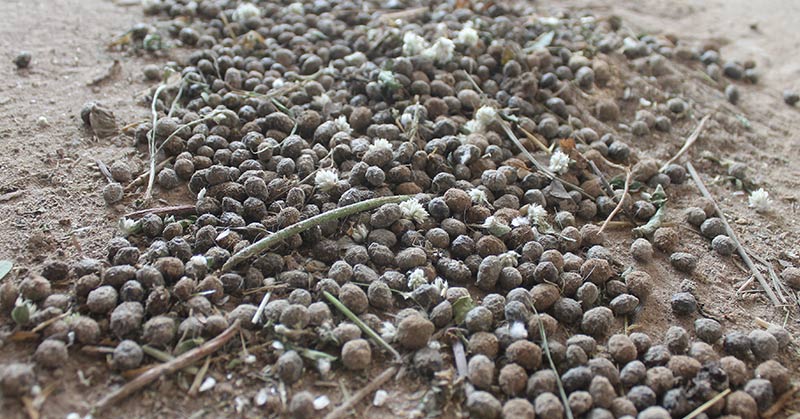
The health of your garden is deeply intertwined with the microbial life present in your soil, and excessive salt can severely reduce these beneficial communities. In my experience, a vibrant, living soil teems with bacteria, fungi, and other microorganisms that play a critical role in breaking down organic matter, cycling nutrients, and supporting plant health. High levels of salt, however, can create a toxic environment that stifles microbial reproduction and activity. Without this natural workforce, your soil loses its natural fertility, and plants struggle to access the nutrients they need.
Reduced microbial activity also means that the natural defenses of your soil are compromised, making it more vulnerable to disease and poor structure. These microbes are responsible for creating the rich humus layer that keeps soil moist and well-aerated. When salt hampers these processes, the cycle of decomposition and regeneration slows down significantly. The gradual decline in microbial health is a hidden but powerful factor that can set your garden back years, emphasizing the need to manage salt levels carefully for a thriving, balanced ecosystem.
Promotes Leaf Burn and Chlorosis

One of the most visible signs of excessive salt in your soil is the development of leaf burn and chlorosis in your plants. Salt-induced leaf burn manifests as scorched, brown edges on foliage, while chlorosis causes leaves to turn yellow due to nutrient deficiencies. In my garden, I’ve seen the stark difference between healthy, vibrant leaves and those marred by salt damage—it’s heartbreaking to see the visual impact on plants that otherwise have the potential to thrive. This unsightly damage not only reduces the aesthetic appeal of your garden but also compromises photosynthesis, leading to overall plant decline.
The underlying process involves salt accumulating in the leaf tissues, where it disrupts the balance of essential nutrients and causes dehydration. This damage is particularly severe in plants that are sensitive to saline conditions, often those native to coastal or arid regions with naturally low salt levels. The appearance of burned and yellowed leaves serves as a harsh reminder that salt toxicity is not just a surface issue but a deep-seated problem that can hamper growth and reduce yield. Preventing salt buildup is essential to protect your plants from this debilitating damage!
Increases Plant Stress and Vulnerability

Excessive salt acts as an environmental stressor that weakens plants, making them more susceptible to diseases, pests, and harsh weather conditions. I’ve experienced days in the garden when even a light touch of salt damage makes plants look tired and wilted, as if they’re fighting an invisible battle. This stress disrupts the plant’s natural defense systems, leaving it vulnerable to a host of issues—from fungal infections to pest infestations—that might otherwise be kept in check. For any gardener, witnessing a thriving plant reduced to a stressed, fragile state is truly disheartening!
Plant stress caused by high salt levels can lead to reduced growth and lower yield over time. The chronic strain disrupts physiological processes, making it difficult for the plant to maintain its vigor. In my own garden, I’ve observed that stressed plants are less capable of attracting beneficial insects, as their weakened state offers fewer cues and shelter opportunities. This creates a domino effect where one problem leads to another, ultimately undermining the health of the entire garden. Managing salt levels is crucial to ensuring that your plants remain strong, resilient, and capable of resisting external threats!
Interferes with Seed Germination

Excessive salt in the soil can be a major barrier to seed germination, leading to poor plant establishment right from the start. Seeds require a delicate balance of moisture and nutrients for successful sprouting, and salt disrupts this balance by drawing moisture away from the seed through osmotic pressure. I’ve experienced the disappointment of watching seeds fail to sprout or produce weak, stunted seedlings simply because the soil was too saline. This issue is particularly problematic when working with salt-sensitive plant species that are native to non-saline environments, where even small increases in salt can have a dramatic impact.
Furthermore, the presence of excess salt interferes with the activity of enzymes that are critical for breaking down seed coats and initiating growth. This suppression not only delays germination but can also diminish the overall vigor of the resulting plants. In my garden, I’ve found that controlling salt levels during the germination phase is key to ensuring a robust start and long-term health. Creating a balanced, low-salt environment for seeds is the first vital step toward a thriving, productive garden full of vigorous young plants and vibrant blooms!
Limits Nutrient Uptake
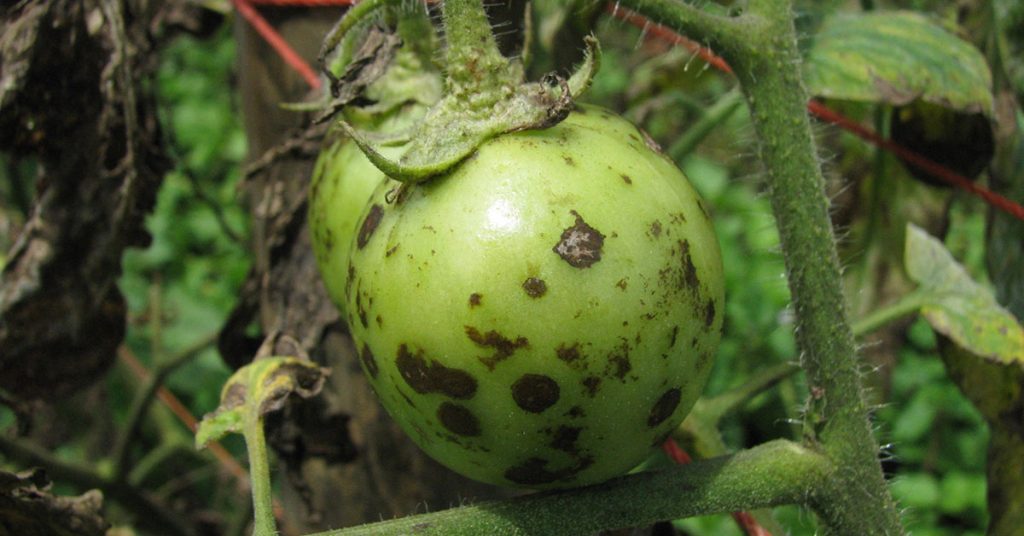
Excess salt in the soil creates a competitive environment that limits the ability of plants to uptake crucial nutrients. High concentrations of sodium and chloride can interfere with the absorption of other essential elements like potassium, calcium, and magnesium. I’ve observed that plants growing in salty conditions often exhibit signs of nutrient deficiency—stunted growth, pale leaves, and reduced vigor—despite frequent fertilization efforts. This imbalance prevents them from accessing the full spectrum of nutrition they need to develop strong, healthy tissues and robust fruiting bodies.
The process of nutrient uptake is a finely tuned interaction between the plant roots and the soil’s microbial community, and salt disrupts this equilibrium. The excess salt creates an osmotic imbalance that essentially locks away important nutrients, making them inaccessible to the roots. This nutritional blockade not only affects immediate growth but can have long-lasting impacts on plant health and productivity. Ensuring a low-salt environment is key to unlocking the full potential of your soil’s natural fertility, resulting in thriving plants that are as strong as they are beautiful!
Alters Beneficial Insect and Microbial Habitats

Excessive salt in your garden does not only affect the plants; it can also have a ripple effect on the entire ecosystem, including beneficial insects and soil microorganisms. Healthy soil fosters a rich habitat where earthworms, microbes, and even beneficial insects can thrive and support plant growth by breaking down organic matter and nutrient cycling. However, high salt levels can disrupt these habitats, leading to a decline in essential soil life that is critical to robust plant development. I’ve seen gardens where the loss of these beneficial organisms severely impacted overall plant health, underscoring how interconnected our garden ecosystems truly are!
When the soil’s natural balance is compromised, even the tiniest creatures suffer, reducing the natural pest control and nutrient recycling processes that are essential for a flourishing garden. Beneficial insects that once frequented your garden might avoid areas with high salt residues, leading to imbalances that invite pest outbreaks. The decline in microbial activity further weakens the soil’s structure, making it less hospitable for root development and overall growth. Protecting your garden from excess salt is not just about preserving plant life—it’s about safeguarding the entire ecosystem, ensuring that every minuscule component, from the microbes to the buzzing bees, contributes to a vibrant, sustainable outdoor sanctuary!